




Discover how to treat crow’s feet naturally with this practical, step-by-step guide for women seeking smoother, younger-looking skin and lasting confidence.

Nearly 90 percent of people will notice fine lines near their eyes by age 40, making crow’s feet a common skin concern. These tiny wrinkles often appear sooner due to stress, poor sleep, and environmental factors that accelerate aging. Understanding your unique skin needs and daily habits is the secret to healthier, younger-looking eyes. By focusing on personalized care and targeted treatments, you can take practical steps to reduce crow’s feet and keep your skin looking vibrant.
Table of Contents
- Step 1: Assess Individual Skin Needs And Lifestyle Factors
- Step 2: Select Suitable Natural And Clinical Treatments
- Step 3: Prepare Skin For Safe And Effective Treatment
- Step 4: Apply Targeted Anti-Ageing Procedures Or Remedies
- Step 5: Monitor Results And Schedule Professional Follow-Ups
Quick Summary
| Key Point | Explanation |
|---|---|
| 1. Assess your skin’s needs first | Understanding your unique skin profile helps tailor effective treatments for crow’s feet prevention and improvement. |
| 2. Use natural treatments initially | Start with gentle options like peptide creams and retinol before considering more invasive clinical procedures. |
| 3. Prepare skin before treatments | Properly exfoliating and hydrating your skin enhances treatment effectiveness and reduces complications. |
| 4. Schedule follow-ups for optimal results | Regular assessments with an aesthetic professional ensure continued effectiveness and satisfaction with treatment outcomes. |
| 5. Track lifestyle factors for insights | Maintain a checklist of your daily habits to identify specific elements affecting your skin’s aging process. |
Step 1: Assess Individual Skin Needs and Lifestyle Factors
Addressing crow’s feet starts with understanding your unique skin profile and daily habits. This crucial first step involves a comprehensive evaluation of your personal skincare landscape.
Begin by examining your lifestyle factors that might accelerate skin aging. According to research from the Cleveland Clinic, stress management and emotional well-being play significant roles in preventing facial wrinkles. Take a moment to reflect on your typical daily stress levels and emotional health.
Consider creating a personal skin assessment checklist that includes key lifestyle elements:
- Sleep quality and duration
- Daily stress levels
- Diet and nutrition
- Hydration habits
- Sun exposure
- Exercise routine
Your diet plays a pivotal role in skin health. As the “Delivering Better Oral Health” toolkit suggests, nutrition fundamentally impacts overall health and aging processes. Focus on consuming antioxidant-rich foods that combat free radicals contributing to skin deterioration.
Pay special attention to your current skincare routine. Are you protecting your skin from environmental damage? Do you use sunscreen consistently? These questions help identify potential areas for improvement.
Pro Tip: Tracking your lifestyle factors for 2-4 weeks can provide profound insights into your skin’s specific needs.
By understanding your individual skin requirements, you set the foundation for targeted crow’s feet prevention and treatment. The next step involves selecting appropriate natural interventions tailored to your unique profile.
For more comprehensive guidance on building a personalized skincare approach, explore our guide on understanding youthful skin routines.
Step 2: Select Suitable Natural and Clinical Treatments
Now that you understand your individual skin needs, it is time to explore targeted treatments for crow’s feet. Your goal is to select interventions that will effectively reduce fine lines while maintaining natural skin health.
According to research from the Cleveland Clinic, you have multiple options ranging from over-the-counter solutions to clinical procedures. Start by considering natural approaches that can provide gentle yet effective results.
Natural treatment options include:
- Peptide creams with collagen-boosting properties
- Retinol based serums
- Antioxidant rich moisturisers
- Gentle daily exfoliation techniques
For more advanced interventions, clinical treatments offer significant improvements.
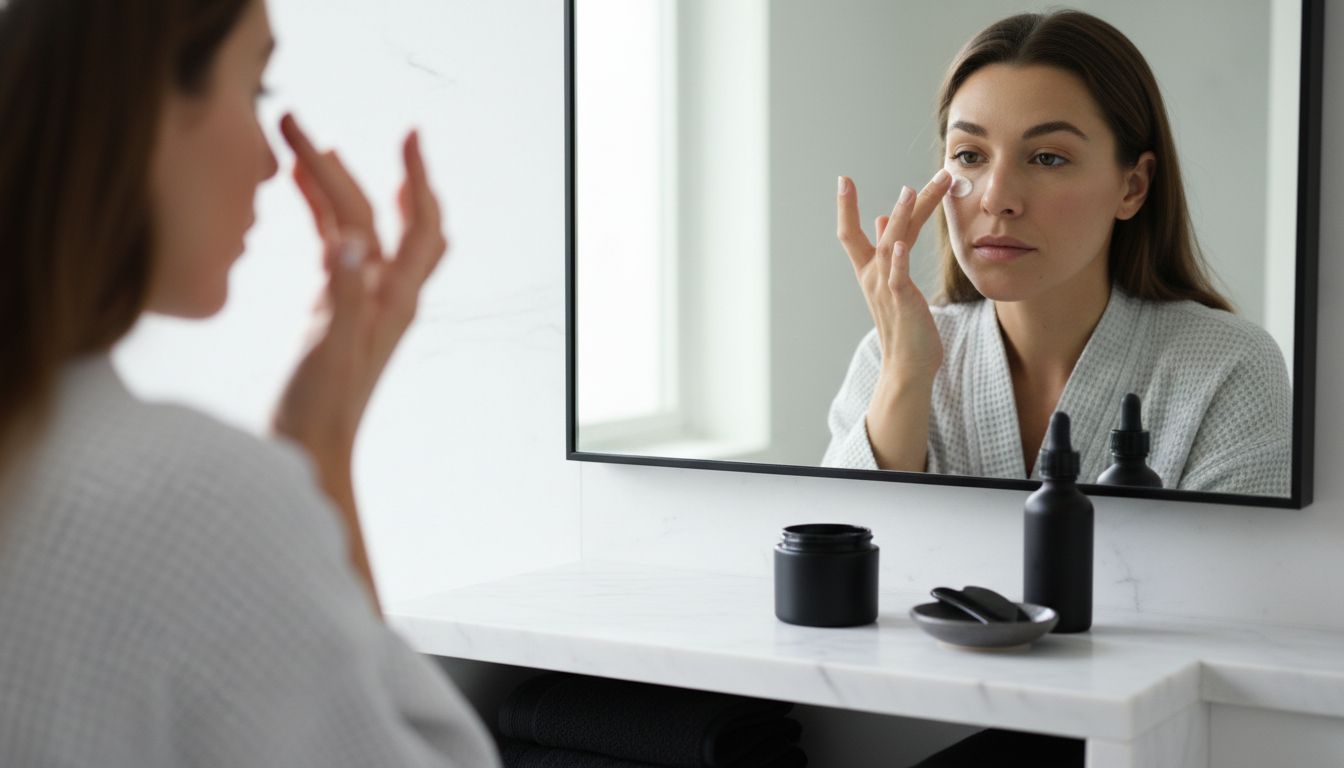 Research indicates non surgical cosmetic procedures like microneedling and dermal micro-coring can effectively rejuvenate skin and reduce wrinkle appearance.
Clinical treatment possibilities include:
- Botulinum toxin injections
- Chemical peels
- Microneedling sessions
- Dermal micro-coring procedures
Pro Tip: Always consult with a qualified aesthetic professional to determine the most suitable treatment for your specific skin profile.
When selecting treatments, prioritise techniques that complement your skin type and lifestyle. Consider factors like recovery time, potential side effects, and long term skin health implications.
Here’s a summary of popular crow’s feet treatment options and their key considerations:
| Treatment Type | Typical Benefits | Considerations |
|---|---|---|
| Peptide Creams | Boosts collagen Hydrates skin | Gentle on skin Requires daily use |
| Retinol Serums | Smooths fine lines Improves texture | May cause sensitivity Sun protection needed |
| Antioxidant Moisturisers | Protects from free radicals Nourishes skin | Best for prevention Consistent application |
| Botulinum Toxin | Reduces muscle movement Smooths wrinkles | Requires professional Effects temporary |
| Chemical Peels | Resurfaces skin Evens tone | Possible redness Downtime varies |
| Microneedling | Stimulates collagen Tightens skin | Minimal downtime Multiple sessions needed |
| Dermal Micro-Coring | Lifts and tightens Minimally invasive | New procedure Professional only |
To gain deeper insights into choosing the right aesthetic treatments, explore our guide on choosing facial aesthetic treatments.
The next step involves understanding how to combine these treatments for optimal results.
Step 3: Prepare Skin for Safe and Effective Treatment
Preparing your skin for crow’s feet treatments requires a strategic approach that enhances treatment effectiveness and minimises potential complications. Your goal is to create an optimal environment for skin rejuvenation.
According to research from the Cleveland Clinic, proper skin preparation involves several critical steps. Exfoliation plays a key role in this process by removing dead skin cells and creating a fresh canvas for treatment.
Key preparation steps include:
- Gentle exfoliation to remove surface dead skin cells
- Hydrating the skin thoroughly
- Strengthening skin barrier function
- Avoiding harsh skincare products before treatment
Research indicates that peptide creams and retinol can significantly stimulate collagen production, enhancing skin elasticity before more intensive treatments. This preparatory phase helps your skin become more receptive to subsequent interventions.
Specifically for microneedling treatments, preparing skin involves ensuring optimal hydration and reducing potential inflammation. As research from UK government consultations suggests, microneedling triggers collagen production by creating micro-injuries, so a calm and healthy skin environment is crucial.
Pro Tip: Stop using aggressive skincare products like strong acids or retinoids one week before your planned treatment to prevent skin sensitivity.
Consider your skin’s current condition carefully. If you have active breakouts, sunburn, or extreme sensitivity, postpone your treatment and consult a professional.
To understand more about safe cosmetic preparation, explore our guide on understanding safe cosmetic treatments.
With your skin properly prepared, you are now ready to proceed to the actual treatment phase.
Step 4: Apply Targeted Anti-Ageing Procedures or Remedies
With your skin carefully prepared, you are now ready to apply specific anti-ageing treatments targeting crow’s feet. Your goal is to select and implement procedures that will effectively reduce fine lines and restore skin elasticity.
Research from the Cleveland Clinic highlights multiple targeted approaches for addressing crow’s feet. Botulinum toxin injections offer a precise method of intervention by blocking muscle contractions that create repetitive lines around the eyes.
Key targeted procedures include:
- Botulinum toxin injections
- Chemical peels with glycolic acid
- Microneedling treatments
- Dermal micro-coring procedures
According to UK government research, dermal micro-coring presents an innovative alternative to traditional facelifts. This technique removes small skin cores, effectively lifting and tightening the delicate eye area without invasive surgery.
Chemical peels provide another sophisticated approach. By removing damaged skin layers, these treatments reduce the appearance of wrinkles and stimulate natural skin regeneration. The glycolic acid in these peels helps resurface the skin, creating a smoother more youthful appearance.
Pro Tip: Always choose treatments performed by certified professionals who understand the intricate facial anatomy and can personalise the approach to your specific skin needs.
Consider your comfort level and recovery time when selecting procedures. Some treatments require minimal downtime, while others might need more comprehensive aftercare.
To gain deeper insights into comprehensive anti ageing strategies, explore our guide on anti-ageing treatments for women.
After applying these targeted procedures, the next phase involves maintaining and protecting your refreshed skin.
Step 5: Monitor Results and Schedule Professional Follow-Ups
Now that you have completed your targeted crow’s feet treatments, careful monitoring and professional follow-up become critical for maintaining your results and ensuring long term skin health.
According to research from the Health Research Authority, clinical studies consistently emphasise the importance of systematic follow-up assessments for aesthetic treatments. These evaluations help track treatment efficacy and identify any potential adjustments needed.
Key monitoring steps include:
- Documenting initial treatment results with photographs
- Tracking skin texture and line reduction
- Observing any changes in skin elasticity
- Recording potential side effects or unexpected reactions
Research from the National Institute for Health and Care Research highlights that personalised early care significantly enhances treatment outcomes and patient satisfaction. This means your follow-up should be a collaborative process between you and your aesthetic professional.
Schedule your first professional review approximately two weeks after the initial treatment. During this consultation, your practitioner will:
- Assess treatment effectiveness
- Evaluate skin healing
- Discuss potential maintenance strategies
- Recommend future intervention timelines
Pro Tip: Take consistent progress photographs under similar lighting conditions to objectively track your skin’s transformation.
Remember that individual skin responses vary. What works perfectly for one person might require slight modifications for another. Remain open to professional guidance and potential adjustments.
To understand more about comprehensive aesthetic care, explore our guide on anti-wrinkle treatment strategies.
With diligent monitoring and professional support, you can maintain your refreshed and youthful eye area effectively.
Refresh Your Eyes with Expert Natural Crow’s Feet Treatments
Tired of fine lines around your eyes disrupting your youthful glow? Understanding your skin’s unique needs and lifestyle factors is the first step to soften crow’s feet naturally. At Monaz Clinic, we combine expert medical knowledge with personalised care to help you achieve radiant, smooth skin while maintaining a natural look. Our approach respects the delicate eye area by offering bespoke solutions that complement your individual profile.

Discover targeted, non-surgical treatments designed specifically for women who want to reduce crow’s feet confidently. From gentle peptide creams and antioxidant moisturisers to advanced microneedling procedures, our expert team led by Mrs Mona Zirak ensures every treatment is delivered with precision and care. Act now to embrace a refreshed eye area that reveals your best self. Explore our tips – Monaz Clinic | Facial Aesthetic Clinic in London for actionable advice or visit Monaz Clinic to book your complimentary consultation today and take the first step towards youthful eyes.
Frequently Asked Questions
How can I assess my skin’s needs to treat crow’s feet naturally?
Begin by examining your lifestyle factors such as sleep quality, stress levels, and diet. Create a checklist to evaluate these elements for 2-4 weeks to gain insights into your skin’s unique needs.
What natural treatments can help reduce the appearance of crow’s feet?
Consider using peptide creams, retinol serums, and antioxidant-rich moisturizers. Incorporate daily gentle exfoliation into your skincare routine to enhance the effectiveness of these treatments.
How should I prepare my skin before applying treatments for crow’s feet?
Prepare your skin by gently exfoliating to remove dead skin cells and thoroughly hydrating. Avoid harsh skincare products for at least one week prior to treatments to minimize sensitivity.
What are the key procedures for effectively treating crow’s feet?
Focus on targeted procedures such as botulinum toxin injections, microneedling, and chemical peels. Consult with a certified professional to determine which treatment suits your skin type and to personalize the approach accordingly.
How can I monitor my results after treating crow’s feet?
Track your treatment results by documenting progress with photographs and noting changes in skin texture and elasticity. Schedule follow-up appointments approximately two weeks after treatment to assess effectiveness and discuss any necessary adjustments.
How long does it take to see results from natural treatments for crow’s feet?
Most natural treatments can begin to show results within 30-60 days. Consistently apply your chosen products and techniques to potentially reduce the appearance of crow’s feet over time.