



Volume restoration in facial aesthetics explained for women in London. Learn definitions, treatment types, how it works, safety, risks, and alternatives.

Most adults experience a noticeable loss of facial volume by their forties, which can lead to sagging skin and deeper lines. As the demand for subtle, non-surgical rejuvenation grows, volume restoration has become a trusted solution for achieving natural, refreshed looks. Backed by modern medical research and strict safety guidelines, this approach offers a pathway to regain facial fullness and improve confidence without the need for surgery.
Table of Contents
- What Is Volume Restoration In Aesthetics?
- Types Of Volume Restoration Treatments
- How Volume Restoration Works For The Face
- Benefits, Limitations, And Expected Results
- Risks, Aftercare, And Safety Considerations
- Volume Restoration Vs. Alternative Treatments
Key Takeaways
| Point | Details |
|---|---|
| Non-surgical Rejuvenation | Volume restoration is a non-invasive technique that replenishes lost facial volume for a more youthful appearance. |
| Treatment Options | Various treatments such as dermal fillers, fat transfer, and biostimulatory injections are available, each tailored to specific facial areas. |
| Patient Safety | Comprehensive consultations and adherence to safety protocols are essential to minimize risks associated with volume restoration treatments. |
| Realistic Expectations | While offering immediate aesthetic improvements, it is important for patients to understand that results are temporary and require maintenance. |
What Is Volume Restoration in Aesthetics?
Volume restoration represents a sophisticated non-surgical approach to facial rejuvenation, focusing on replenishing lost facial volume and restoring youthful contours. According to the University of Bristol, soft-tissue augmentation plays a crucial role in enhancing aesthetic outcomes and patient satisfaction.
Volume restoration involves strategically replacing lost volume in specific facial areas that naturally diminish with age. This process typically utilises advanced aesthetic techniques like dermal fillers, which help to:
- Restore facial structure
- Improve skin elasticity
- Reduce the appearance of fine lines and wrinkles
- Enhance natural facial symmetry
The UK government’s consultation on non-surgical cosmetic procedures gov.uk highlights that modern volume restoration techniques are carefully regulated to ensure patient safety and optimal aesthetic results.
Professional practitioners like those at Monaz Clinic understand that volume restoration is not about creating an artificial or exaggerated look, but about subtle, natural rejuvenation. By precisely targeting areas of volume loss such as cheeks, temples, and around the mouth, skilled aesthetic professionals can help clients achieve a refreshed, more youthful appearance that looks authentically like themselves.
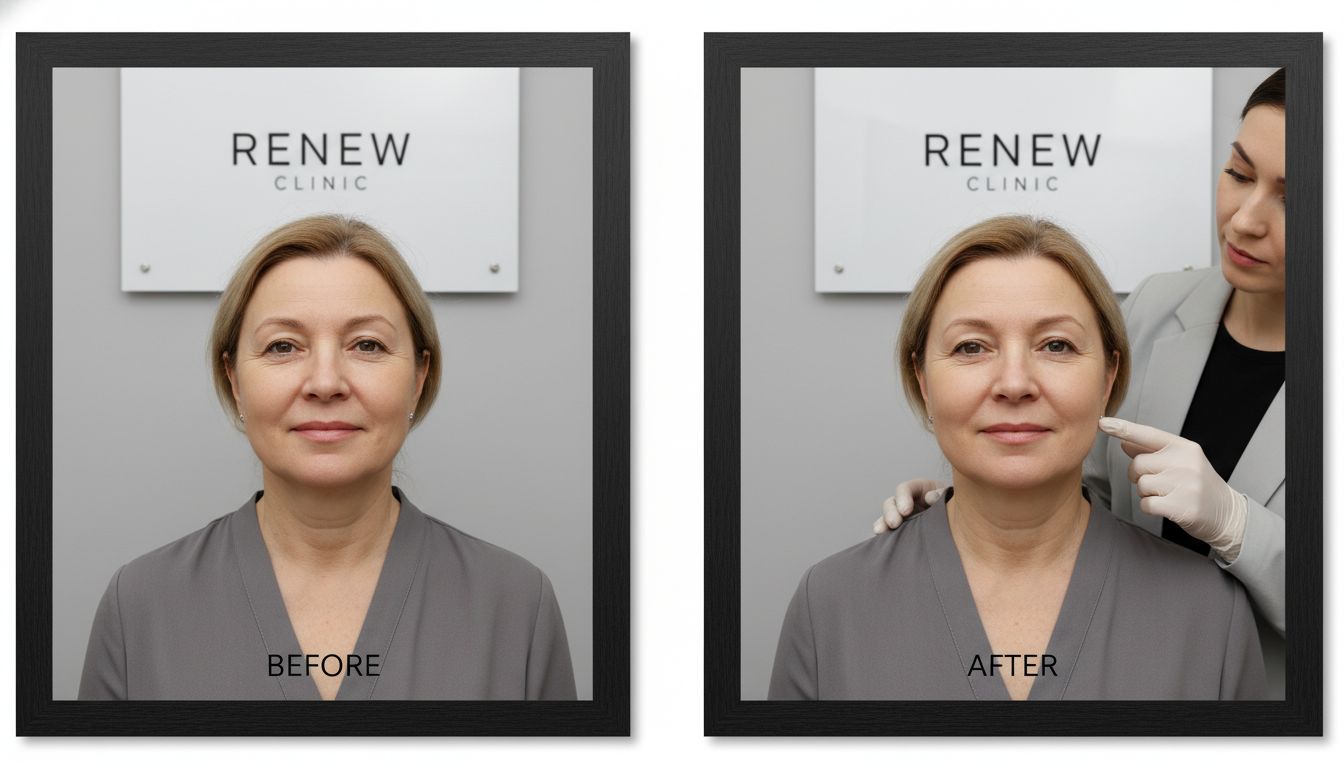 Understanding Volume Restoration Tips for Facial Aesthetics provides deeper insights into this nuanced approach to facial aesthetics.
Types of Volume Restoration Treatments
Volume restoration encompasses a diverse range of non-surgical aesthetic treatments designed to replenish facial volume and restore youthful contours. According to the UK government’s consultation document, these treatments include various innovative techniques such as dermal fillers, chemical peels, and emerging ‘no-needle’ filler technologies.
Dermal Fillers represent the most prominent volume restoration treatment, offering targeted solutions for different facial areas:
- Hyaluronic acid fillers for subtle volume enhancement
- Collagen-stimulating fillers for long-term structural support
- Semi-permanent fillers for more lasting facial rejuvenation
- Temporary fillers for precise, customisable treatments
Research from the University of Bristol highlights that soft-tissue augmentation techniques have evolved significantly, providing practitioners with advanced methods to achieve optimal aesthetic outcomes.
Beyond traditional dermal fillers, innovative treatments like fat transfer and biostimulatory injections are gaining popularity. These techniques not only restore volume but also promote natural collagen production, ensuring more sustainable and organic-looking results. Professionals at Monaz Clinic carefully assess each client’s unique facial structure to recommend the most appropriate volume restoration solutions tailored to individual aesthetic goals.
How Volume Restoration Works for the Face
Volume restoration is a sophisticated process that addresses the natural age-related loss of facial volume through strategic interventions. According to the UK government’s consultation document, these non-surgical cosmetic procedures work by stimulating collagen production and replenishing lost tissue, effectively restoring facial structure and youthful appearance.
The mechanism of volume restoration involves several key biological processes:
- Introducing supportive substances beneath the skin
- Stimulating natural collagen production
- Hydrating and plumping targeted facial areas
- Encouraging tissue regeneration and elasticity
Research from the University of Bristol emphasises that soft-tissue augmentation techniques work by precisely targeting areas of volume loss, creating a nuanced approach to facial rejuvenation that maintains natural contours and individual characteristics.
Professional practitioners like those at Monaz Clinic understand that effective volume restoration is not about dramatic transformation, but subtle enhancement. By carefully selecting treatments that match individual facial structures, they can help clients achieve a refreshed look that feels authentically like themselves. For those curious about understanding the intricacies of this process, what is facial volume loss provides deeper insights into the science behind these innovative aesthetic techniques.
Benefits, Limitations, and Expected Results
Volume restoration treatments offer a nuanced approach to facial rejuvenation, balancing transformative potential with realistic expectations. According to the UK government’s consultation document, these non-surgical cosmetic procedures provide notable benefits while also presenting specific limitations that patients should carefully consider.
Key Benefits of volume restoration include:
- Minimal invasive intervention
- Immediate visible results
- Natural-looking facial enhancement
- Temporary but significant aesthetic improvements
- Boost in personal confidence and self-perception
Research from the University of Bristol highlights that patient satisfaction stems from the nuanced approach of soft-tissue augmentation, which maintains individual facial characteristics while addressing volume loss.
While volume restoration offers compelling advantages, potential limitations include temporary results requiring periodic maintenance and individual variability in treatment outcomes. Professional practitioners like those at Monaz Clinic prioritise comprehensive consultations to set realistic expectations, ensuring clients understand the precise nature of their potential results. For those seeking deeper understanding of potential outcomes, understanding the benefits of dermal fillers provides additional insights into this sophisticated aesthetic approach.
Risks, Aftercare, and Safety Considerations
Volume restoration treatments, while generally safe, require comprehensive understanding of potential risks and meticulous aftercare. The UK government’s consultation document emphasizes the critical importance of adhering to strict safety protocols to minimize potential complications during non-surgical cosmetic procedures.
Potential Risks associated with volume restoration include:
- Temporary swelling and bruising
- Potential allergic reactions
- Minor asymmetry or uneven results
- Risk of infection at injection sites
- Rare instances of vascular complications
Research from the University of Bristol underscores the necessity of comprehensive patient screening and individualized treatment approaches to mitigate potential safety concerns.
Professional practitioners like those at Monaz Clinic prioritize patient safety through rigorous pre-treatment consultations, thorough medical history assessments, and personalized aftercare instructions. By selecting medically qualified practitioners and following recommended post-treatment guidelines, patients can significantly reduce potential risks. For those seeking more detailed information about potential safety considerations, what is facial volume loss offers additional insights into the nuanced world of aesthetic treatments.
Volume Restoration vs. Alternative Treatments
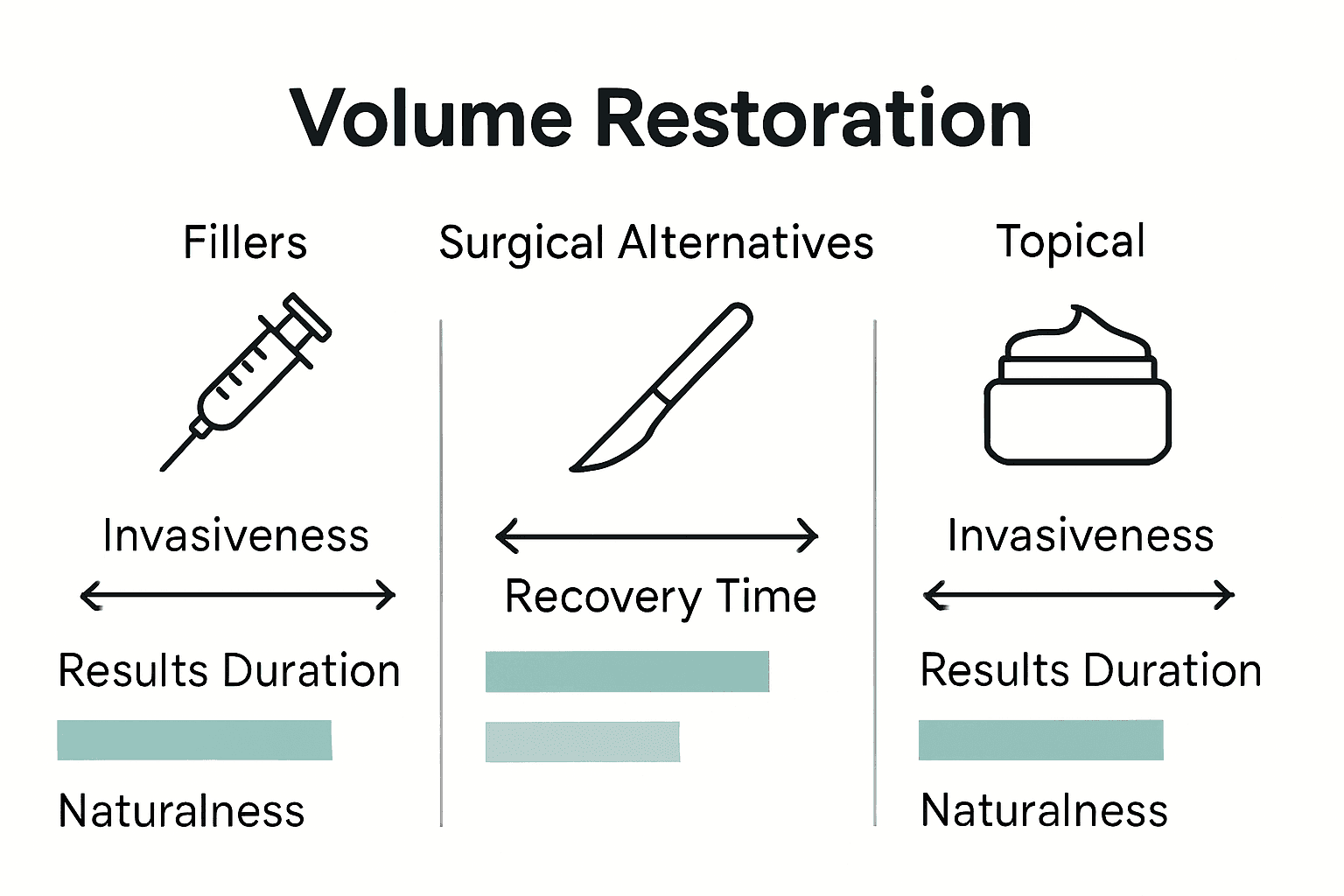
Comparing volume restoration with alternative aesthetic treatments reveals a nuanced landscape of facial rejuvenation options. According to the UK government’s consultation document, different cosmetic procedures offer unique advantages and limitations tailored to specific aesthetic goals.
Comparative Treatment Characteristics:
- Volume Restoration (Dermal Fillers)
- Immediate results
- Minimally invasive
- Temporary but natural-looking enhancement
- Surgical Alternatives
- Permanent structural changes
- More invasive procedures
- Longer recovery periods
- Topical Treatments
- Surface-level improvements
- Gradual results
- Less targeted volume enhancement
Research from the University of Bristol emphasises that soft-tissue augmentation techniques provide a more personalised approach to aesthetic enhancement compared to more traditional interventions.
Professional practitioners like those at Monaz Clinic understand that no single treatment suits everyone. By offering comprehensive consultations, they help clients navigate the complex world of aesthetic treatments. For those interested in exploring a range of non-invasive options, top non-invasive treatments for facial aesthetics provides an excellent overview of contemporary rejuvenation strategies.
Rediscover Your Youthful Glow with Expert Volume Restoration
Age-related volume loss can make your reflection feel unfamiliar, leaving you longing for that natural, refreshed look this article explores how volume restoration gently revives your facial contours by restoring lost fullness and enhancing your unique features. Key challenges include addressing subtle volume depletion without creating an overdone appearance while achieving natural skin elasticity and symmetry.
At Monaz Clinic on Harley Street, we understand these concerns deeply. Under the expert guidance of Mrs Mona Zirak and a GMC-registered doctor, our non-surgical treatments deliver precise, elegant results that celebrate your individuality. Our approach combines advanced techniques with compassionate care so you feel confident and valued throughout your journey to reveal your best self.
Experience the difference of personalised volume restoration today
Take the first step towards your ideal look with a free consultation at Monaz Clinic. Discover tailored solutions designed just for you by exploring how to understand volume restoration tips and gain insight into managing facial volume loss. Your transformation begins when you choose expert care with a natural touch.
Frequently Asked Questions
What is volume restoration in aesthetics?
Volume restoration is a non-surgical approach to facial rejuvenation that focuses on replenishing lost facial volume and restoring youthful contours, often using dermal fillers to enhance facial symmetry, reduce fine lines, and improve skin elasticity.
What types of treatments are involved in volume restoration?
Volume restoration treatments include various techniques such as dermal fillers (hyaluronic acid, collagen-stimulating fillers, semi-permanent fillers), fat transfer, and biostimulatory injections, which aim to restore facial volume and promote collagen production.
What are the benefits of volume restoration treatments?
Benefits of volume restoration include minimal invasiveness, immediate visible results, natural-looking enhancements, temporary yet significant improvements, and a boost in personal confidence, while maintaining individual facial characteristics.
What are the potential risks associated with volume restoration?
Potential risks include temporary swelling and bruising, allergic reactions, minor asymmetry, risk of infection, and rare vascular complications, underscoring the importance of choosing qualified practitioners for these treatments.