




Non-permanent filler explained: discover types, treatment process, safety, benefits, and costs for women seeking natural facial enhancement in London.

Over one million british women choose non-permanent fillers each year, reflecting a growing demand for safer, flexible cosmetic treatments. With rising interest in subtle yet effective enhancements, understanding how these products work and their benefits is more important than ever. This guide offers clear insights on what non-permanent fillers are, why they appeal to british patients, and how modern clinics prioritise natural-looking results with minimal risk.
Table of Contents
- Defining Non-Permanent Filler Treatments
- Types of Non-Permanent Facial Fillers
- How Non-Permanent Fillers Work Safely
- Typical Treatment Experience for Women
- Risks, Costs, and Compared Alternatives
Key Takeaways
| Point | Details |
|---|---|
| Non-Permanent Fillers are Temporary Solutions | These fillers provide a flexible approach to cosmetic enhancement, lasting from four months to two years, depending on the type used. |
| Safety and Biocompatibility | Non-permanent fillers are designed for safe absorption by the body, minimising risks and complications compared to permanent options. |
| Customised Treatment Experience | Patients benefit from tailored consultations and treatment plans, ensuring results that suit their individual aesthetic goals. |
| Comparative Treatment Options | Understanding non-permanent fillers alongside other options like Botulinum Toxin and surgical interventions allows for informed decision-making in aesthetic enhancement. |
Defining Non-Permanent Filler Treatments
Non-permanent fillers represent a sophisticated cosmetic solution designed to temporarily enhance facial features through targeted injectable treatments. Defined by the Joint Council for Cosmetic Practitioners as injectable implants typically composed of hyaluronic acid, these advanced dermal treatments offer women a flexible approach to aesthetic rejuvenation.
Unlike permanent alternatives, non-permanent fillers are strategically formulated to be gradually absorbed by the body, providing temporary volume and contour improvements. According to UK government classifications, these treatments fall within the ‘temporary’ category, ensuring minimal long-term complications and allowing patients greater control over their aesthetic journey.
The primary composition of non-permanent fillers typically involves hyaluronic acid, a naturally occurring substance in human skin that attracts and retains moisture. This composition enables practitioners to:
- Smooth fine lines and wrinkles
- Restore facial volume
- Enhance facial contours
- Create subtle, natural-looking improvements
Patients considering non-permanent fillers benefit from a treatment approach that offers immediate aesthetic enhancement with the flexibility of temporary transformation. The controlled, predictable nature of these treatments provides women with a nuanced method of facial rejuvenation that respects individual beauty and promotes natural-looking results.
Types of Non-Permanent Facial Fillers
Comprehensive facial filler options reveal multiple sophisticated non-permanent solutions designed to address individual aesthetic concerns. These innovative treatments offer women targeted approaches to facial rejuvenation, each with unique characteristics and duration of effectiveness.
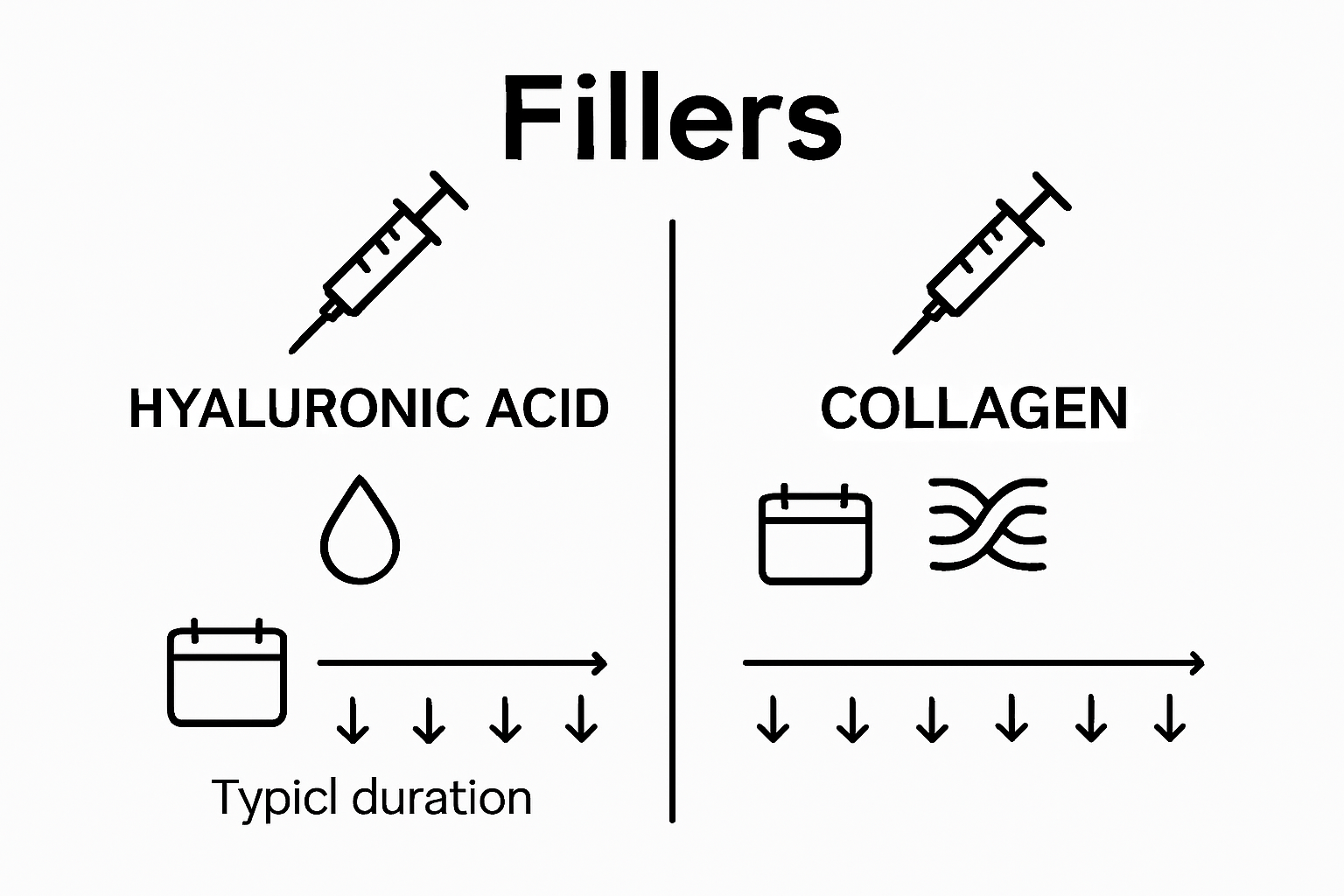
The primary categories of non-permanent facial fillers include hyaluronic acid fillers, which typically last four to six months, calcium hydroxylapatite fillers providing results around 18 months, and poly-L-lactic acid fillers offering effects up to two years. Advanced filler technologies enable practitioners to create nuanced, personalised treatment plans that respect each patient’s unique facial structure and aesthetic goals.
Each filler type offers distinct benefits:
- Hyaluronic Acid Fillers:
- Excellent for hydration
- Provide immediate volume
- Natural-looking results
- Ideal for fine lines and subtle enhancements
- Calcium Hydroxylapatite Fillers:
- Effective for deeper wrinkles
- Stimulate natural collagen production
- Longer-lasting results
- Suitable for more substantial volume restoration
- Poly-L-Lactic Acid Fillers:
- Gradual volume restoration
- Stimulate collagen growth
- Long-term rejuvenation effects
- Best for patients seeking subtle, progressive improvements
Patients considering non-permanent facial fillers benefit from a personalised consultation that evaluates individual skin characteristics, aesthetic objectives, and recommended treatment approaches. The versatility of these fillers ensures women can achieve natural-looking, refined enhancements tailored precisely to their unique facial architecture.
How Non-Permanent Fillers Work Safely
Safety protocols for dermal fillers represent a sophisticated approach to aesthetic enhancement that prioritises patient well-being through carefully designed biological mechanisms. Non-permanent fillers are engineered to interact safely with the body’s natural systems, providing temporary aesthetic improvements without long-term complications.
The primary safety mechanism of non-permanent fillers involves their biodegradable composition, which enables the body to naturally metabolise the product over time. Government regulatory reviews emphasise that these treatments mitigate risks associated with permanent implants by ensuring complete resorption and minimising potential biofilm formation.
Key safety features of non-permanent fillers include:
- Controlled Absorption:
- Gradual breakdown by body’s natural processes
- Predictable metabolic pathway
- Reduced risk of permanent tissue changes
- Sterile Application:
- Performed in clinical environments
- Utilising advanced medical techniques
- Minimising infection risks
- Professional Administration:
- Conducted by medically trained practitioners
- Precise injection techniques
- Personalised treatment planning
Patients can feel confident that non-permanent fillers offer a scientifically validated approach to facial rejuvenation. By selecting experienced practitioners and understanding the inherent safety mechanisms, women can achieve natural-looking enhancements with minimal risk and maximum aesthetic potential.
Typical Treatment Experience for Women
A non-permanent filler treatment at a specialised aesthetic clinic represents a carefully curated journey of personalised aesthetic enhancement. Women can anticipate a comprehensive, professional approach that prioritises individual needs, comfort, and natural-looking results.
The typical treatment experience encompasses several key stages designed to ensure patient confidence and optimal outcomes. Initial consultation involves a detailed facial assessment, where practitioners evaluate skin condition, discuss aesthetic goals, and recommend personalised treatment strategies. This one-on-one conversation allows women to express their specific concerns and understand potential approaches tailored to their unique facial architecture.
Treatment stages typically include:
- Pre-Treatment Preparation:
- Comprehensive skin consultation
- Medical history review
- Facial mapping and analysis
- Customised treatment plan development
- Treatment Procedure:
- Precise, targeted filler injections
- Minimal discomfort with topical anaesthesia
- Immediate visible improvements
- Carefully monitored application
- Post-Treatment Care:
- Immediate aftercare instructions
- Potential minor swelling management
- Follow-up consultation recommendations
- Guidance on maintaining results
Patients can expect a professional, supportive environment that transforms aesthetic aspirations into refined, natural-looking enhancements. The holistic approach ensures women feel understood, supported, and confident throughout their non-permanent filler experience.
Risks, Costs, and Compared Alternatives
Comprehensive cosmetic intervention analysis reveals that non-permanent fillers represent a nuanced approach to aesthetic enhancement, balancing potential risks with transformative benefits. Understanding the landscape of treatment options empowers women to make informed decisions about their aesthetic journey.
The potential risks associated with non-permanent fillers are generally minimal but warrant careful consideration. Government regulatory insights highlight potential complications such as temporary bruising, swelling, and rare instances of infection. Cost variations depend on multiple factors, including treatment complexity, practitioner expertise, and specific filler type.
Comparative treatment options include:
- Non-Permanent Fillers:
- Temporary results (4-24 months)
- Minimal invasiveness
- Immediate aesthetic improvements
- Flexible treatment approach
- Botulinum Toxin Injections:
- Muscle relaxation technique
- Reduces dynamic wrinkles
- Shorter duration of effect
- Different application areas
- Surgical Alternatives:
- Permanent structural changes
- More invasive procedures
- Longer recovery periods
- Higher cost and complexity
Patients can feel confident knowing that professional clinics prioritise safety, offering transparent discussions about potential risks, realistic expectations, and personalised treatment strategies. The key is selecting a medically qualified practitioner who understands individual aesthetic goals and can recommend the most appropriate intervention.
Discover Your Ideal Non-Permanent Filler Solution at Monaz Clinic
If you have been searching for a safe and temporary way to rejuvenate your appearance without committing to permanent changes, non-permanent fillers offer a perfect solution. Understanding terms like hyaluronic acid fillers and the benefits of biodegradable treatments can feel overwhelming, but at Monaz Clinic, we make your journey smooth and tailored just for you. Whether you aim to enhance facial contours, smooth fine lines, or restore youthful volume, our expert team ensures natural-looking results that respect your unique beauty.

Explore our tips on facial aesthetics to learn more about non-permanent fillers and how they work safely. Then take the next step by booking your complimentary consultation at Monaz Clinic, where Mrs Mona Zirak and her medically trained team provide expert care in the heart of Central London. Reveal your best self now with treatments designed specifically for women seeking controlled, beautiful transformations.
Frequently Asked Questions
What are non-permanent fillers?
Non-permanent fillers are injectable cosmetic treatments, primarily made of hyaluronic acid, designed to temporarily enhance facial features by adding volume and smoothing wrinkles. They are gradually absorbed by the body, offering flexible aesthetic improvements without long-term effects.
How long do the effects of non-permanent fillers last?
The duration of non-permanent fillers can vary based on the type used. Typically, hyaluronic acid fillers last around four to six months, calcium hydroxylapatite fillers can provide results for approximately 18 months, and poly-L-lactic acid fillers may last up to two years.
What are the benefits of using non-permanent fillers?
Benefits of non-permanent fillers include providing immediate volume and hydration, smoothing fine lines and wrinkles, enhancing facial contours, and allowing patients to achieve subtle, natural-looking improvements tailored to their unique facial structure.
Are there any risks associated with non-permanent fillers?
While generally safe, non-permanent fillers can carry minimal risks such as temporary bruising, swelling, and, in rare cases, infection. It’s essential to have these treatments performed by qualified practitioners to minimise potential complications.