



Aesthetic complications explained for women. Learn about types, causes, prevention, and steps to take if complications arise when seeking facial treatments.
Most people expect beauty treatments to be quick and safe, yet nearly half of all non-surgical cosmetic procedures in British clinics result in patients needing medical help. This matters because both physical problems like scarring and serious psychological effects can leave lasting marks on your life. Knowing the real risks behind aesthetic complications can help you make informed choices and protect your well-being before starting any British cosmetic procedure.
Table of Contents
- What Are Aesthetic Complications?
- Common Types of Complications in Aesthetics
- Causes and Contributing Factors
- Prevention and Mitigation in Practice
- What to Do If Complications Occur
Key Takeaways
| Point | Details |
|---|---|
| Understanding Risks | Aesthetic complications can severely impact both physical health and psychological well-being, necessitating thorough pre-treatment consultations. |
| Types of Complications | Both physical and psychological complications exist, with the former being visible and immediate, while the latter may develop gradually and require ongoing support. |
| Prevention Strategies | Comprehensive assessment, skilled practitioners, and adherence to treatment protocols are crucial for minimising risks. |
| Response to Complications | Immediate identification and communication with practitioners are essential for effective management of any complications that arise. |
What Are Aesthetic Complications?
Aesthetic complications represent unintended adverse outcomes emerging from cosmetic procedures that significantly impact patient health and psychological well-being. These complex medical events extend beyond simple physical reactions, encompassing intricate physiological and emotional responses that can dramatically alter an individual’s experience with aesthetic treatments.
Medical research indicates that aesthetic complications can manifest across multiple dimensions, including physical and psychological domains. Physical complications might involve infections, scarring, asymmetry, allergic reactions, or unexpected tissue responses. Psychological complications frequently include profound emotional distress, body image disruption, reduced self-confidence, and potential mental health challenges stemming from treatment outcomes that differ from initial expectations.
The spectrum of aesthetic complications is nuanced and multifaceted. Some risks are immediate and visibly apparent, such as bruising or swelling, while others develop gradually and may require sophisticated medical intervention. Factors influencing complication likelihood include patient medical history, practitioner expertise, treatment complexity, individual healing capabilities, and adherence to post-procedure care protocols.
Understanding these potential risks demands thorough pre-treatment consultations and comprehensive patient education. Practitioners must transparently communicate potential complications, ensuring patients make informed decisions about their aesthetic journeys.
Pro Tip: Always request a detailed risk assessment during your initial consultation, discussing your specific medical background and potential predispositions to aesthetic treatment complications.
Common Types of Complications in Aesthetics
Aesthetic procedures carry inherent risks that women must comprehensively understand before pursuing treatments. Complications can manifest across multiple medical domains, ranging from minor physical reactions to significant psychological impacts that fundamentally alter patient experiences.
Physical complications represent the most tangible risks in aesthetic treatments. These include potential issues such as:
- Infection: Bacterial or viral infiltrations at treatment sites
- Scarring: Unexpected tissue damage or irregular healing patterns
- Asymmetry: Uneven results causing visual imbalance
- Allergic Reactions: Inflammatory responses to treatment materials
- Tissue Damage: Unexpected cellular or structural modifications
Psychological complications are equally significant, often overlooked but profoundly impactful. Women may experience substantial emotional distress when aesthetic outcomes deviate from expectations. These psychological risks include body image disruption, reduced self-confidence, anxiety, and potential long-term mental health challenges stemming from unsatisfactory treatment results.
Here is a summary of key differences between physical and psychological aesthetic complications:
| Aspect | Physical Complications | Psychological Complications |
|---|---|---|
| Onset | Often immediate after treatment | May arise gradually |
| Detectability | Readily observable by appearance | May be hidden or subtle |
| Intervention Required | Medical or surgical support | Emotional or psychological support |
| Long-Term Impact | Scarring, tissue changes, asymmetry | Self-esteem, anxiety, body image |
| Resolution Difficulty | Sometimes resolved with intervention | May require ongoing counselling |
Statistically, the prevalence of complications is notably concerning. Research suggests that approximately 50% of non-surgical cosmetic procedures result in patients requiring medical assistance, with 15% necessitating hospital intervention. This underscores the critical importance of selecting highly qualified practitioners and maintaining realistic treatment expectations.
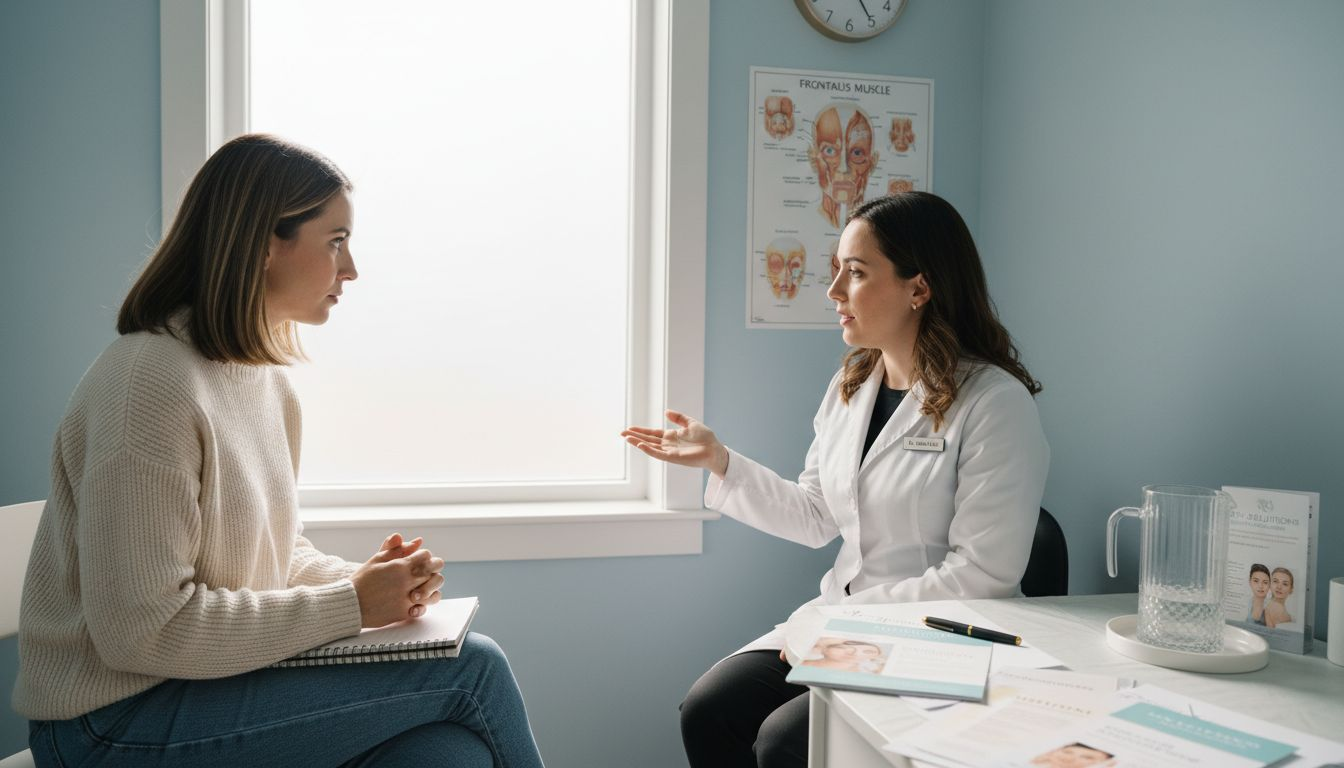
Pro Tip: Comprehensive Pre Treatment Assessment: Schedule detailed consultations with medically qualified practitioners who can thoroughly evaluate your individual health profile, potential risks, and personalised treatment suitability before proceeding with any aesthetic procedure.
Causes and Contributing Factors
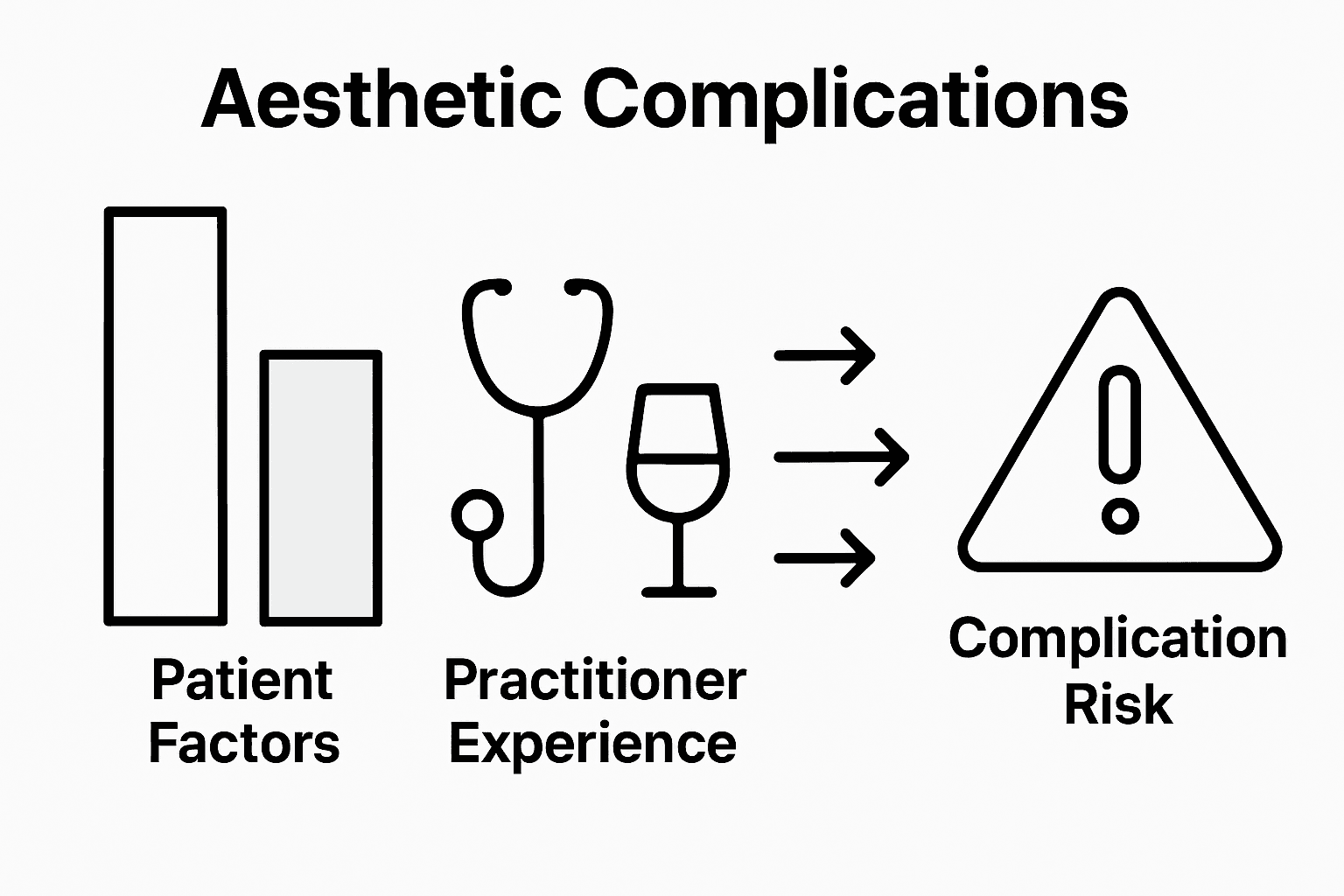
Aesthetic complications arise from a complex interplay of multiple factors, each potentially increasing the likelihood of adverse outcomes. Best practices for facial aesthetics emphasise understanding these intricate variables that can significantly influence treatment results and patient safety.
Individual patient characteristics play a critical role in aesthetic complication risks. Key contributing factors include:
- Medical History: Underlying health conditions, autoimmune disorders, or chronic inflammatory diseases
- Genetic Predispositions: Inherited traits affecting healing and tissue response
- Age and Skin Condition: Variations in collagen production, skin elasticity, and cellular regeneration
- Hormonal Fluctuations: Menstrual cycles, pregnancy, and menopausal changes
- Immune System Responsiveness: Individual variation in inflammatory and healing mechanisms
Practitioner-related factors equally contribute to potential complications. The skill, experience, and technical expertise of the aesthetic professional are paramount in minimising risks. Critical elements include precise technique, thorough understanding of facial anatomy, appropriate product selection, and meticulous treatment protocols. Inexperienced practitioners or those using outdated techniques can inadvertently increase the probability of adverse outcomes.
Environmental and lifestyle factors also substantially impact aesthetic treatment risks. Smoking, excessive alcohol consumption, poor nutrition, high stress levels, and inadequate skincare regimens can compromise treatment effectiveness and healing processes. These external influences can alter tissue response, reduce immune function, and potentially exacerbate potential complications.
The following table highlights major risk factors influencing aesthetic treatment complications:
| Factor Type | Example Factors | Complication Impact |
|---|---|---|
| Patient-related | Age, health profile, genetics | Alters healing response |
| Practitioner | Skill, technique, experience | Risk of procedural errors |
| Lifestyle | Smoking, stress, nutrition | Slower recovery, infection |
| Environment | Hygiene, facility standards | Increases infection risk |
Pro Tip: Holistic Health Preparation: Prioritise comprehensive personal health optimisation by maintaining a balanced diet, managing stress effectively, avoiding smoking and excessive alcohol, and discussing your complete medical history with your aesthetic practitioner before any treatment.
Prevention and Mitigation in Practice
Evidence-based guidelines for preventing aesthetic complications underscore the critical importance of proactive risk management in aesthetic treatments. Prevention begins with comprehensive patient evaluation and establishing realistic expectations through transparent communication.
Key prevention strategies encompass multiple critical domains:
- Pre-Treatment Assessment
- Detailed medical history review
- Comprehensive skin and health screening
- Identification of potential contraindications
- Practitioner Preparation
- Advanced anatomical knowledge
- Continuous professional development
- Mastery of latest treatment protocols
- Treatment Protocol Adherence
- Sterile technique implementation
- Precise product selection
- Customised treatment approaches
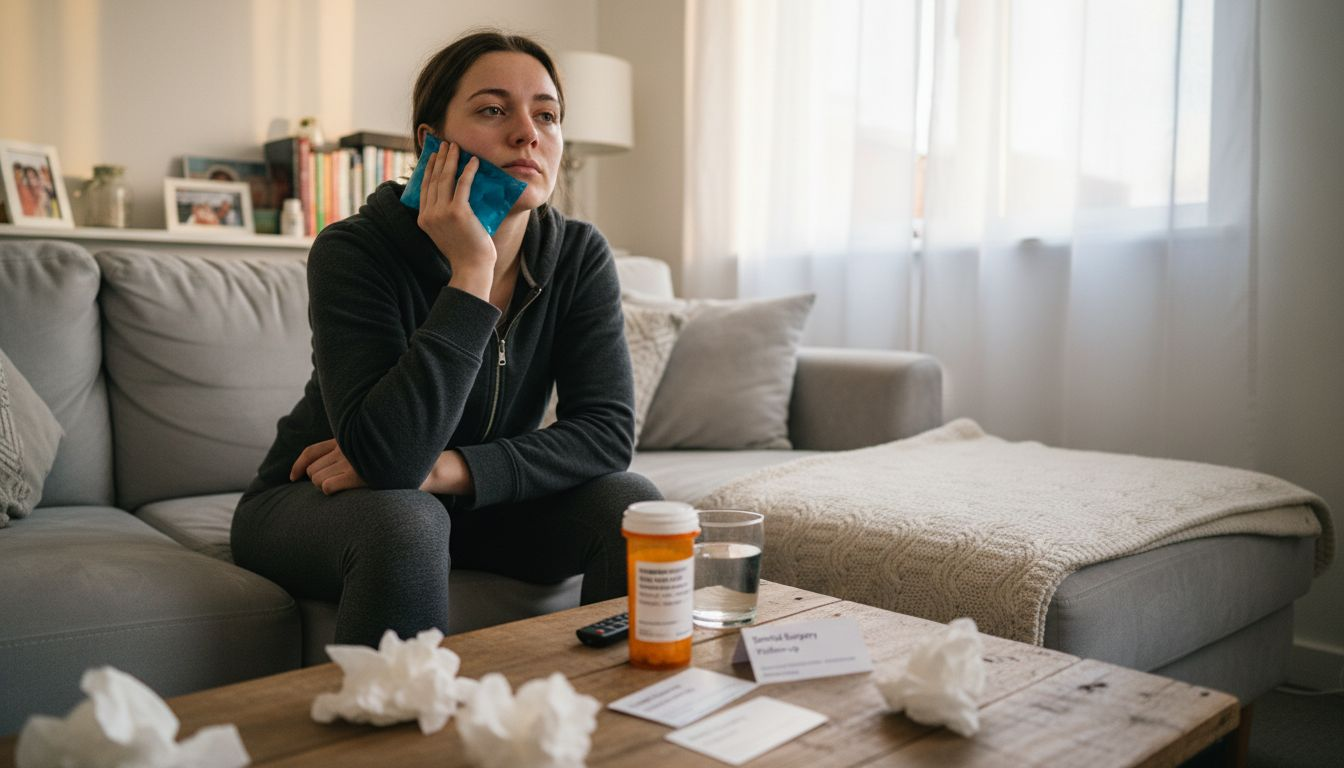
Mitigation requires immediate and strategic intervention when complications emerge. Practitioners must develop robust response protocols that prioritise patient safety and minimise potential long-term consequences. This involves rapid clinical assessment, appropriate medical intervention, and comprehensive documentation of any adverse events.
Psychological support represents an often-overlooked yet crucial aspect of complication management. Emotional distress can significantly impact patient recovery, necessitating empathetic communication, transparent explanations of treatment outcomes, and potential referral to specialist psychological support services when required.
Pro Tip: Emergency Preparedness: Always ensure your chosen aesthetic practitioner has clear, documented emergency protocols and immediate access to medical intervention resources before commencing any aesthetic procedure.
What to Do if Complications Occur
Management of complications in aesthetic medicine demands swift, strategic action and clear communication between patients and practitioners. The initial response can significantly influence treatment outcomes and potential long-term implications.
Immediate action protocols for aesthetic complications include:
- Identification Stage
- Recognise signs of potential complications
- Document observable symptoms
- Cease ongoing treatment immediately
- Medical Assessment
- Contact your original practitioner
- Seek urgent medical consultation
- Request comprehensive evaluation
- Documentation Requirements
- Photograph affected areas
- Record timeline of symptoms
- Preserve all treatment records
Psychological response is equally critical during complication management. Patients often experience significant emotional distress, anxiety, and potential loss of confidence. Practitioners must provide empathetic, transparent communication, explaining potential treatment pathways, recovery expectations, and available remedial interventions. Professional support might include referral to specialist medical professionals or psychological counselling services.
Legal and ethical considerations form an essential component of complication management. Patients have the right to comprehensive information, transparent communication, and appropriate medical intervention. Practitioners bear professional responsibility for thorough documentation, immediate response, and patient-centric care throughout the resolution process.
Pro Tip: Emotional Resilience: Maintain a calm, systematic approach during complications, prioritise professional medical guidance, and do not hesitate to seek second opinions or specialist consultations to ensure your health and well-being.
Take Control of Your Aesthetic Journey with Expert Care
Understanding the risks and realities of aesthetic complications is essential for every woman considering cosmetic treatments. At Monaz Clinic, we recognise the critical importance of addressing both the physical and psychological challenges outlined in the article such as infection, asymmetry, and emotional distress. Our medically qualified team combines advanced expertise and personalised attention to help you minimise risks and achieve natural-looking results with confidence.

Explore our carefully designed approach that prioritises thorough pre-treatment assessment, transparent communication, and ongoing support. Discover practical advice and expert insights in our tips – Monaz Clinic | Facial Aesthetic Clinic in London to prepare fully for your aesthetic experience. Start your consultation today at Monaz Clinic and take the first step towards revealing your best self with treatments tailored exclusively for women who demand safety and excellence.
Frequently Asked Questions
What are aesthetic complications?
Aesthetic complications are unintended adverse outcomes from cosmetic procedures that can affect both physical health and psychological well-being, including infections, scarring, and emotional distress.
What are the common types of aesthetic complications?
Common types of aesthetic complications include physical issues such as infections, scarring, and asymmetry, as well as psychological challenges like body image disruption and reduced self-confidence.
What factors contribute to aesthetic complications?
Factors that contribute to aesthetic complications include patient medical history, genetic predispositions, practitioner expertise, treatment complexity, and lifestyle factors such as smoking and stress.
How can I prevent aesthetic complications?
To prevent aesthetic complications, ensure thorough pre-treatment assessments, choose qualified practitioners, maintain realistic expectations, and follow post-procedure care instructions carefully.