



Explore the most effective facial wrinkle treatments in London, including injectables, resurfacing, costs, risks, and natural-looking results for women.

Fine lines and wrinkles often start to feel more noticeable in the mirror as the years go by, especially with the demands of daily life in Central London. Selecting the right non-surgical treatment can feel overwhelming when natural results and privacy matter most. This guide offers clear insight into the latest expert approaches for wrinkle reduction, highlighting safe, medically proven options and personalised care so you can confidently choose what suits your skin and your lifestyle.
Table of Contents
- Wrinkle Reduction Treatments Explained
- Key Types of Facial Wrinkle Treatments
- How Non-Surgical Procedures Work
- Comparing Treatment Options and Outcomes
- Safety, Legal Standards and Practitioner Qualifications
- Costs, Longevity and Common Pitfalls
Key Takeaways
| Point | Details |
|---|---|
| Treatment Categories | Wrinkle reduction treatments are broadly categorised into topical therapies, injectable procedures, and device-based treatments, each targeting specific aspects of skin ageing. |
| Personalised Approaches | Customised treatment plans that address individual skin characteristics enhance effectiveness and ensure optimal results. |
| Regulatory Standards | Practitioners must adhere to safety standards and legal requirements to ensure patient safety and treatment efficacy. |
| Cost Considerations | Understanding the costs associated with various treatments is vital for making informed decisions about aesthetic procedures. |
Wrinkle Reduction Treatments Explained
Skin ageing represents a complex biological process influenced by multiple intrinsic and extrinsic factors. Structural skin deterioration processes reveal how collagen reduction and dermal changes contribute to visible wrinkle formation, particularly in women experiencing age-related transformations.
Wrinkle reduction treatments have evolved significantly, offering multiple strategies to address skin ageing. These approaches can be broadly categorised into several key interventions:
Topical Therapies
- Prescription tretinoin
- Peptide-based treatments
- Antioxidant skincare products
Injectable Treatments
- Neuromodulators (muscle relaxants)
- Synthetic dermal fillers
- Fat transfer techniques
Device-Based Interventions
- Laser resurfacing
- Chemical peels
- Radiofrequency treatments
Each treatment method targets specific aspects of skin ageing. Comprehensive skin rejuvenation strategies emphasise addressing both structural changes and surface-level skin characteristics. Prevention remains crucial, with experts recommending consistent UV protection and targeted skincare routines.
Here is a summary of core facial wrinkle treatment categories and the skin concerns they most effectively address:
| Treatment Category | Best For | Typical Age Applicability | Notable Limitations |
|---|---|---|---|
| Topical Therapies | Fine lines, texture | 25+ years | Limited effect on deep folds |
| Injectable Procedures | Volume loss, deep creases | 35+ years | Requires skilled practitioner |
| Device-Based Treatments | Elasticity, surface tone | 30+ years | May require downtime |
Modern wrinkle reduction approaches focus on restoring skin’s structural integrity and elasticity. By combining multiple treatment modalities, practitioners can develop personalised plans addressing individual skin concerns and aesthetic goals.

Pro tip: Always consult a medically qualified aesthetic practitioner who can assess your unique skin profile and recommend the most appropriate wrinkle reduction strategy.
Key Types of Facial Wrinkle Treatments
Facial wrinkle treatments have evolved significantly, offering women multiple approaches to address age-related skin changes. Independent UK laboratory studies demonstrate the nuanced effectiveness of various treatment modalities, highlighting the importance of personalised skincare strategies.
The primary categories of facial wrinkle treatments include:
Topical Treatments
- Retinoid-based creams
- Antioxidant serums
- Peptide-enriched moisturisers
Minimally Invasive Procedures
- Botulinum toxin injections
- Dermal fillers
- Collagen stimulation treatments
Advanced Skin Resurfacing
- Laser therapies
- Chemical peels
- Microneedling techniques
Comprehensive treatment approaches reveal that each intervention targets specific skin concerns. Topical treatments primarily address fine lines and overall skin texture, while injectable and laser treatments focus on deeper wrinkles and volume restoration.
Effective wrinkle reduction requires a nuanced understanding of individual skin characteristics. Practitioners assess factors like skin type, age, lifestyle, and specific wrinkle patterns to recommend the most suitable treatment strategy. This personalised approach ensures optimal results and minimises potential side effects.
Pro tip: Consult a qualified aesthetic practitioner who can conduct a thorough skin assessment and develop a tailored treatment plan addressing your unique skin concerns.
How Non-Surgical Procedures Work
Biological mechanisms of non-surgical facial treatments reveal a sophisticated approach to addressing age-related skin changes. These innovative interventions target multiple aspects of facial ageing, offering women precision treatments without invasive surgical techniques.
Non-surgical procedures work through several key mechanisms:
Muscle Relaxation
- Neuromodulator injections
- Reduces dynamic wrinkle formation
- Softens expression lines
Volume Restoration
- Dermal filler treatments
- Replaces lost facial volume
- Supports skin structural integrity
Skin Regeneration
- Energy-based device treatments
- Stimulates collagen production
- Improves skin texture and elasticity
Noninvasive facial rejuvenation techniques demonstrate remarkable precision in modulating biological pathways. Each treatment is carefully designed to address specific skin concerns, targeting underlying mechanisms of ageing rather than simply masking surface-level symptoms.
The multifaceted approach of non-surgical procedures allows for customised treatment plans. Practitioners can combine different modalities to create comprehensive skin rejuvenation strategies, ensuring natural-looking results with minimal recovery time.
Pro tip: Request a comprehensive skin assessment to determine the most appropriate combination of non-surgical treatments tailored to your unique skin characteristics and aesthetic goals.
Comparing Treatment Options and Outcomes
Comparative research on facial rejuvenation techniques reveals multiple effective strategies for addressing facial wrinkles. Understanding the nuanced differences between treatment options empowers women to make informed decisions about their skin health and aesthetic goals.
Key treatment comparison parameters include:
Effectiveness Metrics
- Wrinkle area reduction
- Skin elasticity improvement
- Patient satisfaction rates
Treatment Approaches
- Laser-based interventions
- Intense pulsed light (IPL)
- Topical prescription treatments
- Nutritional therapy strategies
Outcome Evaluation Factors
- Recovery time
- Side effect profile
- Long-term skin health
- Aesthetic results
Cosmetic regimen comparison studies demonstrate that well-designed treatments can provide comparable results with varying levels of skin tolerance. Notably, some cosmetic formulations can achieve similar wrinkle reduction to prescription treatments while offering improved patient comfort.
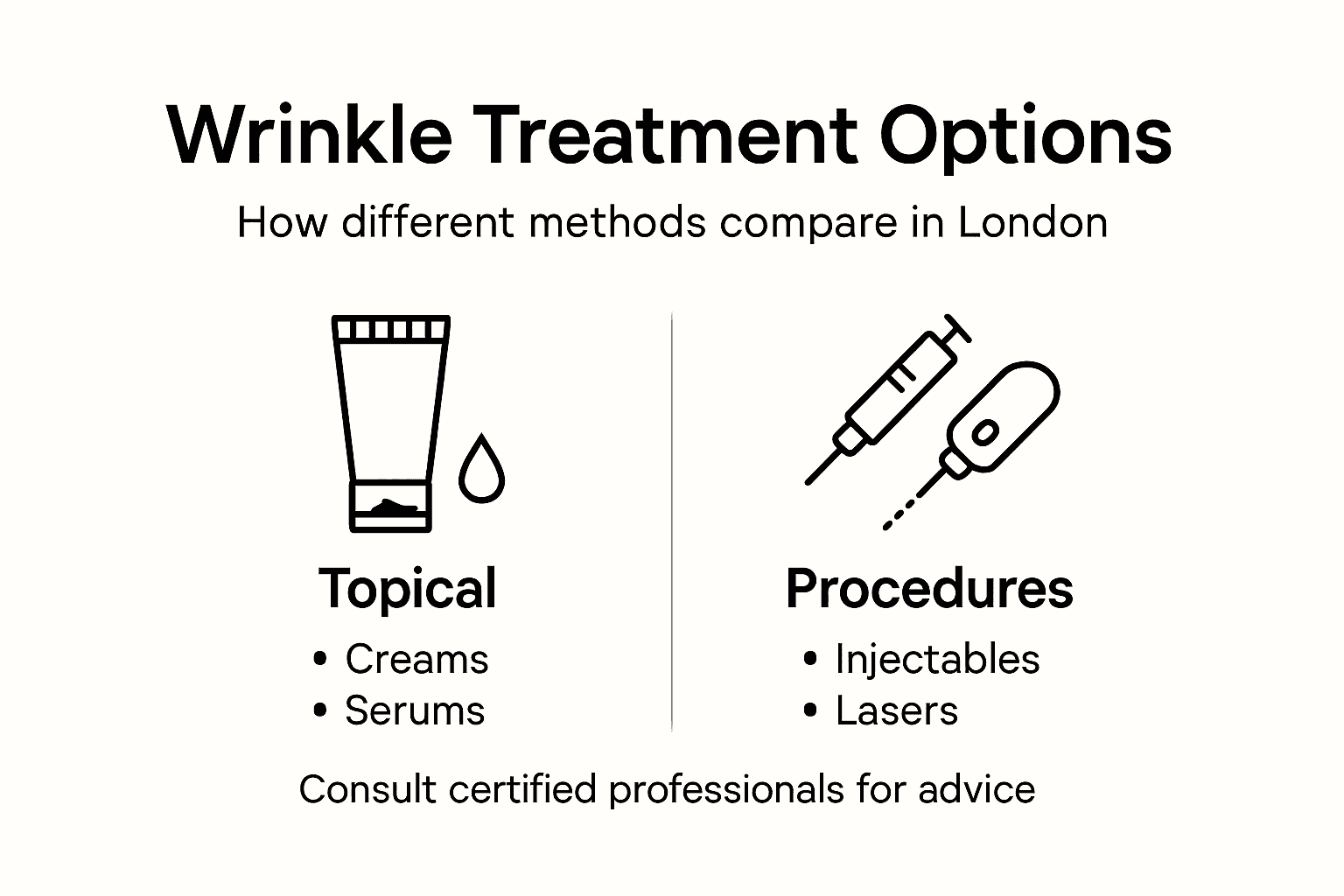
The most effective approach often involves personalised treatment plans that combine multiple modalities. Practitioners can strategically blend different techniques to address individual skin concerns, ensuring comprehensive and natural-looking rejuvenation.
Pro tip: Request a comprehensive skin assessment to understand which combination of treatments will provide the most optimised outcomes for your specific skin profile.
Safety, Legal Standards and Practitioner Qualifications
UK government licensing regulations are transforming the aesthetic treatment landscape, establishing rigorous standards to protect patient safety and enhance professional credibility. These emerging frameworks aim to create a more structured and accountable environment for non-surgical cosmetic procedures.
Key regulatory considerations include:
Practitioner Qualifications
- Healthcare professional certification
- Mandatory specialised training
- Ongoing professional development
- Current insurance requirements
Treatment Safety Standards
- Hygiene protocol compliance
- Risk management procedures
- Product and equipment verification
- Patient consultation protocols
Legal Compliance Requirements
- Prescription medication regulations
- Advertising restriction compliance
- Patient consent documentation
- Professional oversight mechanisms
Aesthetic medicine regulatory frameworks emphasise that practitioners must navigate increasingly complex legal environments. Botulinum toxin, for instance, remains a prescription-only treatment requiring face-to-face consultations with qualified medical prescribers.
Patients should prioritise practitioners who demonstrate transparent credentials, maintain current certifications, and operate within established legal frameworks. Understanding these standards enables informed decision-making and ensures optimal treatment safety.
Pro tip: Always verify a practitioner’s qualifications, request to see current certifications, and confirm they are registered with appropriate professional bodies before undergoing any aesthetic treatment.
Costs, Longevity and Common Pitfalls
Treatment pricing strategies in aesthetic medicine reveal a complex landscape of investment and expectations for facial rejuvenation procedures. Understanding the financial and biological factors associated with wrinkle reduction treatments enables more informed decision-making.
Price ranges for common treatments include:
Botulinum Toxin () Treatments
- Cost range: £150 – £400 per session
- Duration of results: 3-6 months
- Varies by treatment areas
Dermal Filler Interventions
- Cost range: £200 – £800 per ml
- Duration of results: 6-18 months
- Dependent on product type and treatment area
Additional Cost Factors
- Practitioner expertise
- Clinic location
- Complexity of treatment
- Number of required sessions
Potential treatment pitfalls include unrealistic expectations, choosing unqualified practitioners, and overlooking individual skin variations. Patients must prioritise comprehensive consultations that explore personal skin health, aesthetic goals, and potential treatment responses.
Longevity of treatments depends on multiple factors including age, skin condition, lifestyle, and individual metabolic rates. Regular maintenance and a holistic approach to skin health can significantly extend and enhance treatment outcomes.
Pro tip: Budget for multiple sessions and maintenance treatments, and always prioritise practitioner qualifications over lowest price points.
Discover Expert Facial Wrinkle Treatments Tailored for You in London
Addressing facial ageing can feel overwhelming with so many treatment options available. Whether your goal is to soften deep creases, restore youthful volume, or improve skin texture, finding a personalised strategy based on your unique skin concerns and lifestyle is vital. This article highlights key approaches such as neuromodulators, dermal fillers, and advanced resurfacing methods that work together to rebuild skin elasticity and reduce wrinkles naturally.
At Monaz Clinic, we understand the importance of safe, effective, and natural-looking wrinkle reduction treatments designed exclusively for women. Led by Mrs. Mona Zirak and supported by a GMC-registered medical doctor, our clinic offers expert consultations to develop a tailored plan just for you. With a one-on-one approach, award-winning products, and a commitment to your comfort, you can confidently take your skin rejuvenation journey further. To explore practical skin health advice and preparation tips before your treatment, visit our tips – Monaz Clinic | Facial Aesthetic Clinic in London.
Take the next step to reveal your best self today by booking a complimentary consultation at Monaz Clinic. Let our medically qualified team guide you through bespoke wrinkle reduction solutions in the heart of Central London. Your skin deserves expert care that listens and delivers — start your personalised treatment plan now.
Frequently Asked Questions
What are the most effective topical treatments for reducing facial wrinkles?
Topical treatments like retinoid-based creams, antioxidant serums, and peptide-enriched moisturisers are effective for targeting fine lines and improving overall skin texture.
How do injectable treatments work for wrinkle reduction?
Injectable treatments such as neuromodulator injections relax facial muscles to soften expression lines, while dermal fillers restore lost volume and support the skin’s structural integrity.
What are the benefits of device-based interventions for treating wrinkles?
Device-based interventions, including laser therapies, chemical peels, and microneedling, stimulate collagen production, improve skin texture, and enhance elasticity, making them effective for deeper wrinkles and overall skin rejuvenation.
How often should I undergo facial wrinkle treatments for optimal results?
The frequency of treatments varies: botulinum toxin results typically last 3-6 months, while dermal fillers can last 6-18 months. Regular maintenance sessions are advisable to sustain desired results.