

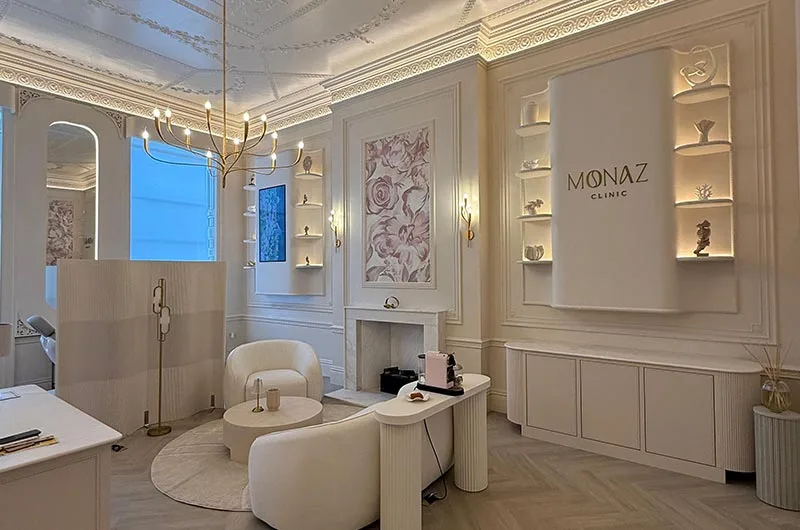


Aesthetic clinic price list explained for London women. Learn treatment categories, pricing structures, expert care standards, and cost factors at Monaz Clinic.
Searching for the right clinic in Central London can feel daunting when you care about transparency and premium standards. With non-surgical facial aesthetics, knowing exactly what you will pay and who will treat you is just as important as your results. A structured price list with clear details helps you compare options, understand genuine value, and choose a clinic that prioritises expertise as much as your appearance.
Table of Contents
- Defining Aesthetic Clinic Price Lists
- Treatment Categories And Pricing Options
- How Clinics Establish Pricing Structures
- Standards Of Care In Harley Street Clinics
- Factors Influencing Costs And Value For Money
Key Takeaways
| Point | Details |
|---|---|
| Transparent Pricing is Essential | Aesthetic clinics should provide clear and detailed price lists, allowing clients to understand treatment costs without hidden fees. |
| Value Over Cost | Focus on the quality of treatments and the professionalism of practitioners instead of solely comparing prices. |
| Consider Comprehensive Packages | Look for bundled treatment options that may include consultations and follow-ups to ensure a holistic approach to care. |
| Regulatory Compliance Matters | Choose clinics that maintain stringent standards and offer medically qualified practitioners for safe and effective treatments. |
Defining Aesthetic Clinic Price Lists
An aesthetic clinic price list is a transparent breakdown of costs for non-surgical facial treatments offered at a clinic. Unlike hidden fee structures you might encounter elsewhere, a proper price list shows exactly what different procedures cost, from basic treatments to more advanced combinations. This clarity matters tremendously when you’re considering aesthetic work—you need to know upfront what you’re paying for and why certain treatments cost more than others. The UK aesthetic industry maintains structured pricing systems that reflect various treatment levels, with costs typically ranging from £175 for straightforward procedures to £600 for advanced techniques, depending on the complexity and expertise required.
Price lists serve a dual purpose in aesthetic clinics. First, they communicate the scope of services available and help you understand what different price points actually deliver. A £250 dermal filler treatment differs significantly from a £500 advanced facial reshaping procedure, and a genuine price list explains these distinctions clearly. Second, they establish trust. When a clinic displays its pricing openly rather than requiring you to call for quotes, it signals confidence in its work and respect for your time. This transparency is particularly important in Central London, where aesthetic clinics vary widely in their approach. Some clinics use pricing as a marketing tool, while others focus on providing realistic costs that reflect their practitioner’s qualifications and the quality of products used.
Within the broader competitive UK aesthetics market estimated at over £3 billion annually, price lists have become essential tools for informed decision-making. They allow you to compare not just costs but the entire philosophy behind a clinic’s pricing structure. A clinic that charges £350 for a consultation-inclusive treatment package operates differently from one charging £200 for the same procedure plus a separate £150 consultation fee. Understanding these distinctions helps you evaluate true value rather than just the lowest price. Location, practitioner qualifications, clinic reputation, and product quality all influence pricing legitimately—a clinic on Harley Street staffed by medically qualified practitioners using premium products naturally costs more than budget alternatives, and that difference should be reflected transparently in their price list.
When reviewing a price list, look for clarity around what’s included. Does the price cover your consultation? Are follow-up appointments complimentary? What happens if you want to add a treatment during your appointment? The best price lists answer these questions immediately, removing any ambiguity about what you’ll actually spend. A well-structured price list also indicates the clinic’s professionalism. Poorly formatted pricing or vague descriptions suggest disorganisation, whilst clear, detailed lists demonstrate attention to detail—the same attention you’d hope they bring to your actual treatment.
Pro tip: Request a detailed price list before booking your consultation, then calculate the true cost of your desired treatment plan including any add-ons or follow-up sessions, rather than comparing individual procedure costs across clinics.
Treatment Categories And Pricing Options
Aesthetic clinics typically organise their offerings into distinct treatment categories, each with its own pricing structure. These categories usually reflect the complexity of the procedure, the expertise required, and the time involved. The main groupings you’ll encounter include injectables (dermal fillers and anti-wrinkle treatments), skin rejuvenation treatments, and combination packages that address multiple concerns simultaneously. Understanding how these categories differ helps you navigate clinic price lists more effectively and identify which treatments align with your goals and budget. When reviewing pricing, you’ll notice that basic procedures—such as a single area of anti-wrinkle treatment—cost considerably less than advanced options like full-face reshaping with multiple products, which reflects the varied treatment levels within the aesthetic industry.
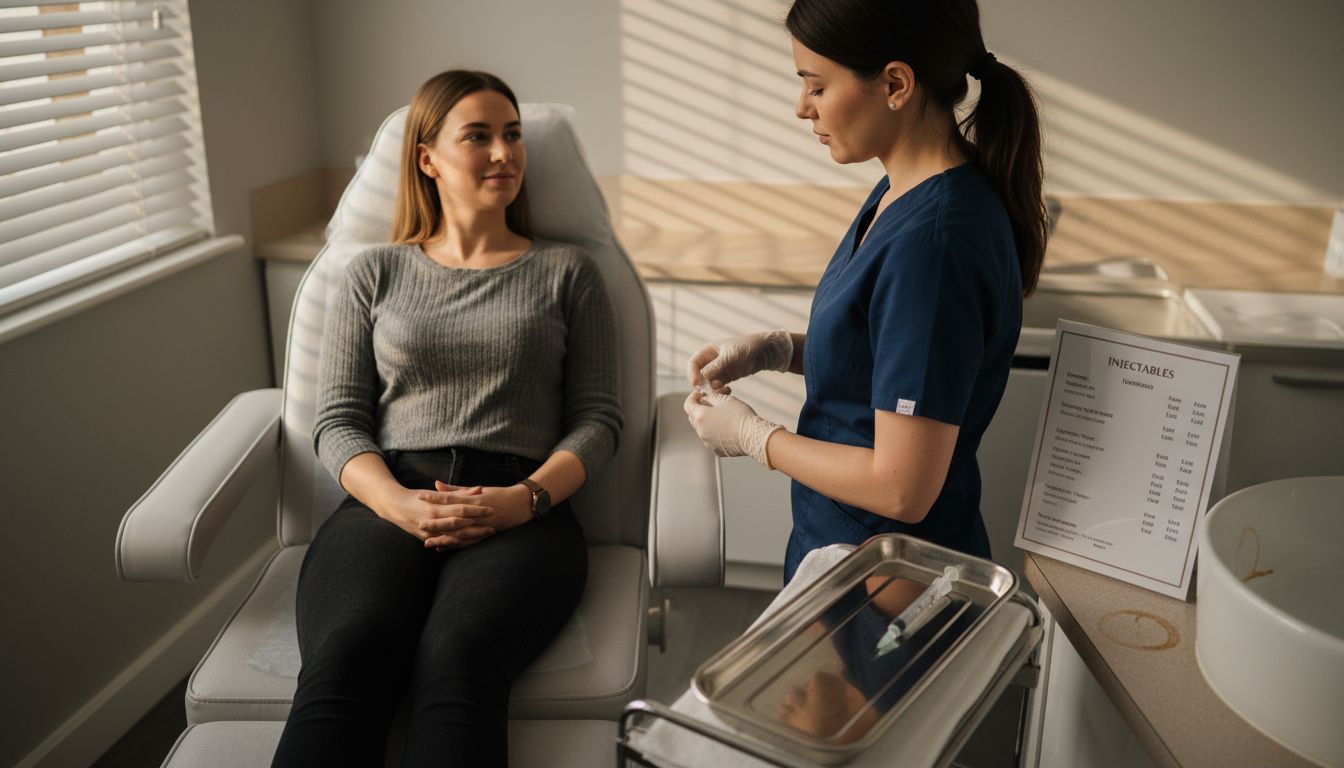
Injectables form the foundation of most aesthetic clinics’ offerings. These typically fall into two subcategories: dermal fillers, which restore volume and smooth lines, and anti-wrinkle injectables, which relax muscles to prevent expression lines. Single-area treatments (treating just the forehead, for example) sit at the lower end of pricing, whilst full-face treatments combining multiple areas cost significantly more. Combination treatments represent the next tier—these might pair an anti-wrinkle injectable with dermal fillers to address both dynamic lines and volume loss simultaneously. This layered pricing approach reflects real differences in time, product quantity, and skill required. A practitioner treating just your forehead spends perhaps 15 minutes, whilst reshaping your entire face with multiple products takes 45 minutes or longer.
Skin rejuvenation treatments form another major category, often priced differently because they address surface-level concerns rather than structural changes. These might include laser treatments, chemical peels, or advanced skincare applications designed to improve texture and radiance. These treatments sometimes offer package pricing when booked as a course—for instance, a series of four sessions might cost less per session than booking individually. Many clinics also offer combination packages that bundle injectables with rejuvenation treatments, recognising that clients often want comprehensive facial enhancement rather than single treatments in isolation. These packages typically offer slight discounts compared to purchasing treatments separately, though the savings are modest because the pricing still reflects the individual value of each component.
Consultation fees vary significantly across clinics, and this dramatically impacts your true treatment cost. Some clinics, like Monaz Clinic, offer complimentary consultations where your practitioner assesses your needs without charging upfront. Others charge consultation fees that may or may not apply toward your treatment cost. When comparing price lists between clinics, always clarify whether quoted prices include consultation or if that’s an additional expense. Add-on treatments—such as a lip treatment added during your appointment because you and your practitioner identified it would enhance your results—should also be clearly priced on the list so you can make informed decisions in the moment.
To help you navigate typical treatment options, here is a summary of main categories and associated pricing structures:
| Treatment Category | Pricing Range | Key Inclusions |
|---|---|---|
| Injectables | £175–£600 | Consultation, product, practitioner time |
| Skin Rejuvenation | £200–£500 (package) | Multi-session discount, surface focus |
| Combination Packages | £350–£900 | Bundled treatments, modest discount |
| Consultation Fees | Free–£150 | Assessment; sometimes deductible |
Pro tip: Compare three clinics’ complete pricing including consultation fees, add-on costs, and follow-up appointment charges, rather than just comparing individual treatment prices, to understand the true cost of achieving your desired results.
How Clinics Establish Pricing Structures
Clinic pricing isn’t arbitrary. Behind every price you see is a deliberate calculation balancing multiple factors that determine what treatments actually cost to deliver. Clinics establish their pricing structures by considering practitioner qualifications, clinic location, overhead costs, and their target market positioning. A clinic on Harley Street staffed by medically qualified practitioners with extensive experience operates on a fundamentally different cost basis than a budget clinic in a less central location. The approach involves balancing competitive volume pricing with premium positioning, where clinics decide whether they’re competing on affordability or positioning themselves as elite providers. This choice cascades through every price on their list, influencing not just treatment costs but the entire patient experience from consultation onwards.
Market research forms the foundation of pricing strategy. Clinics conduct thorough competitor analysis to understand what other providers charge for similar treatments, then assess their own unique selling propositions. What makes their clinic different? Is it superior practitioner qualifications, award-winning products, a premium clinic environment, or exceptional patient care? These differentiators justify premium pricing when they’re genuine. A clinic using high-quality dermal fillers with proven safety records rightfully charges more than one using budget alternatives. Similarly, pricing structures factor in practitioner expertise and service complexity, meaning a consultation with a medically qualified practitioner who can assess your facial anatomy and custom-design your treatment plan costs more than a rushed appointment with minimally qualified staff. This reflection of quality in pricing protects patients by naturally filtering out clinics cutting corners.
Clinic location significantly influences pricing, particularly in Central London where property costs, staff salaries, and overhead expenses are substantially higher than elsewhere in the UK. A Grade II listed building on Harley Street with over 250 years of medical heritage carries different operational costs than a clinic in a standard commercial unit. These costs must be reflected in pricing to ensure business sustainability whilst maintaining clinical safety standards and quality patient care. Clinics also adjust pricing based on patient demographics and accessibility goals. Some clinics intentionally keep prices moderate to serve a broader clientele, whilst others position themselves exclusively for clients seeking premium experiences and willing to pay accordingly. The pricing you see reflects these strategic choices about who the clinic serves and how it wants to be perceived in the market.
Beyond these factors, clinics consider the time investment required for each treatment. A fifteen-minute single-area treatment requires less practitioner time than a 45-minute full-face reshaping, justifying different pricing tiers. They also factor in product costs, aftercare support, and follow-up consultations. A clinic offering complimentary follow-up appointments builds those costs into initial treatment pricing, whilst clinics charging for follow-ups may price individual treatments lower. None of these approaches is inherently wrong—they’re simply different business models reflected in different price structures. Understanding that pricing reflects genuine business factors helps you evaluate whether a clinic’s prices represent fair value rather than simply being expensive or cheap.
Pro tip: When a clinic’s pricing seems unusually low compared to competitors, ask specifically what’s included in that price—consultation coverage, aftercare, product quality, and practitioner qualifications often explain the difference rather than indicating better value.
Standards Of Care In Harley Street Clinics
Harley Street’s reputation as a centre of medical excellence is built on rigorous standards of care that extend far beyond what many clinics consider acceptable. Clinics operating on Harley Street don’t just happen to be there—they earn their place through commitment to clinical safety, staff training, and regulatory compliance. Harley Street clinics maintain stringent standards regulated by professional bodies, ensuring that the treatments you receive are delivered by properly qualified practitioners using evidence-based protocols. This regulation isn’t optional or aspirational—it’s mandatory, with regular inspections and audits confirming that clinics meet exacting requirements. The environment itself reflects these standards. Grade II listed buildings with over 250 years of medical heritage naturally attract clinics committed to upholding that legacy of excellence. You won’t find corners cut in clinic design, sterilisation procedures, or aftercare protocols because doing so would undermine the entire Harley Street brand.
What distinguishes Harley Street clinics isn’t just regulation compliance. Many operate at a level far beyond minimum standards. Practitioner qualifications form the cornerstone—you’re typically consulting with medically qualified practitioners rather than beauty therapists or aestheticians operating at the edge of their credentials. These practitioners have invested years in medical training, understand facial anatomy at a deep level, and can recognise and manage complications if they arise. They’re also usually overseen by GMC-registered doctors, adding another layer of medical governance. Staff training is continuous rather than one-off, with practitioners staying current with the latest techniques and safety protocols. This commitment to excellence directly impacts your results. A medically qualified practitioner assessing your facial anatomy and customising your treatment plan delivers fundamentally different outcomes than a rushed appointment in a budget clinic.
Clinical safety protocols in Harley Street clinics exceed standard requirements. Infection control procedures follow hospital-grade standards rather than basic salon protocols. Products are stored correctly, equipment is properly maintained, and documentation is meticulous. This matters because aesthetic treatments, whilst non-surgical, still carry genuine risks if administered poorly. Dermal fillers can cause vascular occlusion if injected into the wrong plane. Anti-wrinkle injectables can cause asymmetry or brow ptosis if placed incorrectly. Infections can develop if sterilisation is inadequate. Harley Street clinics have the expertise and infrastructure to prevent these complications and manage them swiftly if they occur. When you pay premium pricing at a Harley Street clinic, you’re fundamentally paying for risk mitigation—the comfort of knowing that your treatment is delivered by qualified professionals in a properly regulated environment with comprehensive safeguards in place.
Patient well-being extends beyond the treatment itself. Understanding safe cosmetic treatments means recognising that Harley Street clinics prioritise your long-term health over maximising immediate revenue. This translates to realistic expectations during consultations rather than pressure to book everything at once. Complimentary consultations allow you to assess whether a clinic genuinely listens to your concerns and custom-designs your treatment, or simply pushes a standard package. Aftercare support is comprehensive, with follow-up appointments to assess results and address any concerns. This holistic approach to your care journey justifies premium pricing far more than the treatment itself.
Pro tip: When evaluating a Harley Street clinic, ask about their regulatory status with the CQC, the specific medical qualifications of your practitioner, and their infection control protocols—detailed answers indicate genuine commitment to standards rather than marketing spin.
Factors Influencing Costs And Value For Money
When you’re evaluating aesthetic clinic pricing, the cost you see on a price list tells only part of the story. Real value for money requires understanding what drives those costs and whether paying more actually delivers better outcomes. Practitioner reputation significantly influences pricing—a medically qualified practitioner with years of experience and a strong track record rightfully charges more than someone newly qualified. This isn’t arbitrary premium pricing. Reputation is earned through consistent results, patient satisfaction, and the ability to handle complex cases that less experienced practitioners would struggle with. Clinic location matters substantially too. A Harley Street clinic pays premium rent, employs highly qualified staff, and maintains facilities that reflect medical excellence. These operational costs legitimately translate into higher treatment prices. Costs are influenced by practitioner reputation, clinic location, and treatment complexity, meaning that understanding these factors helps you evaluate whether you’re paying fairly or being overcharged.
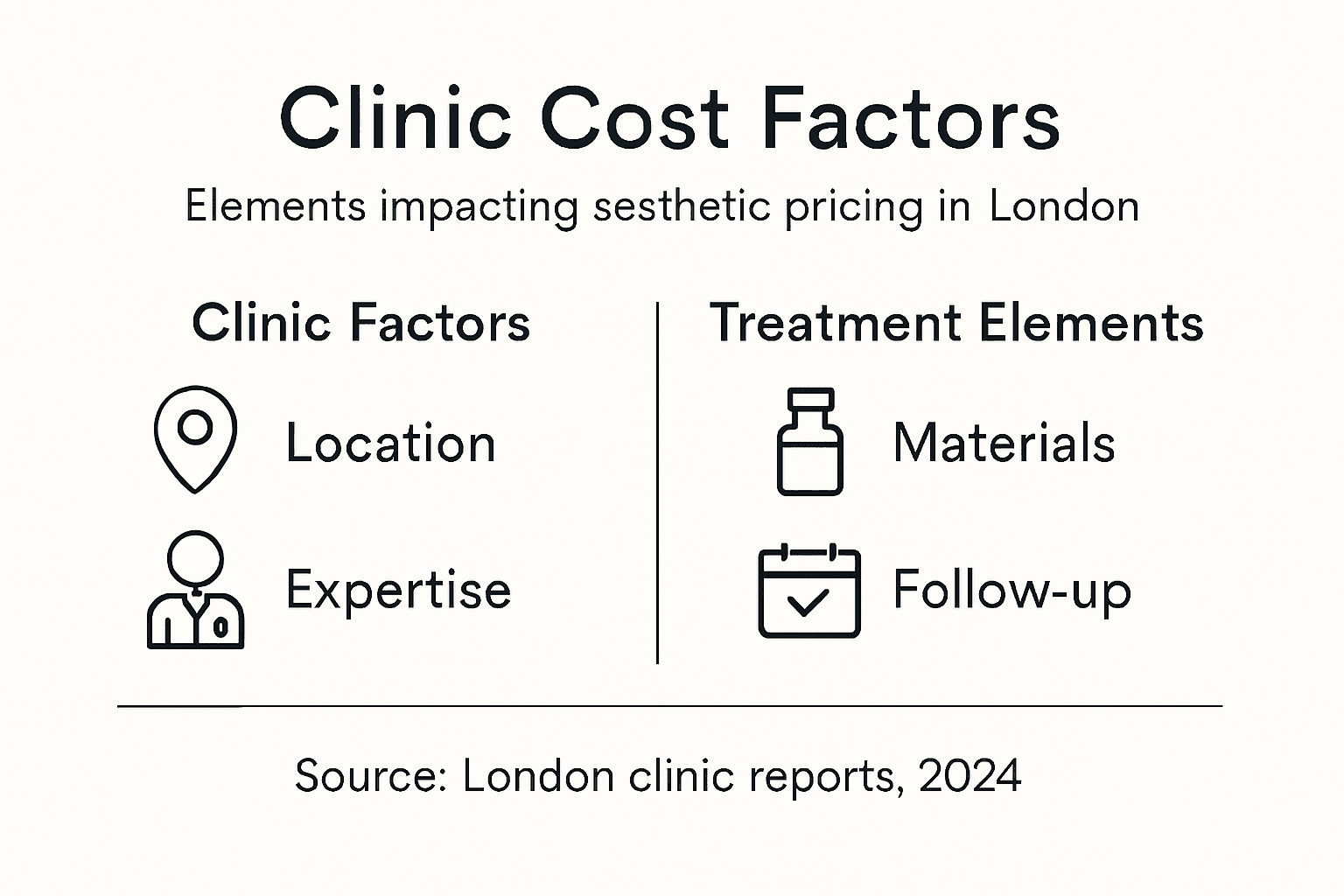
The quality of products used represents another crucial cost driver that directly affects your results and safety. Premium dermal fillers from established manufacturers with extensive clinical data cost significantly more than budget alternatives, yet they deliver better integration with your tissue, longer-lasting results, and lower complication rates. A clinic using superior products naturally charges more than one cutting corners with cheap fillers. The clinical environment itself influences costs—maintaining hospital-grade sterilisation, proper product storage, advanced equipment, and comprehensive aftercare support all require investment. You can’t deliver safe, effective aesthetic treatments on a shoestring budget. When you see suspiciously low pricing, it usually reflects compromises somewhere. Perhaps the practitioner lacks proper qualifications, the clinic uses substandard products, sterilisation protocols are inadequate, or aftercare is minimal. These aren’t simply cost-cutting measures—they’re genuine safety and efficacy concerns that affect you directly.
Value for money in aesthetics isn’t about finding the cheapest option. Rather, it’s about identifying clinics where pricing reflects genuine quality investments rather than marketing hype. Quality of products and expertise provide better value than lowest price because superior results, enhanced safety, and personalised care justify premium costs. A £400 treatment at a Harley Street clinic where a medically qualified practitioner custom-designs your plan using premium products might deliver better value than a £200 treatment at a budget clinic. The superior result lasts longer, looks more natural, and you avoid the risk of complications that could cost far more to correct. Consider the total investment over time rather than individual treatment costs. A clinic charging £350 for dermal fillers that last nine months might represent better value than one charging £200 for fillers lasting only four months, because you need fewer annual treatments to maintain your results.
Personalised patient care significantly influences whether you receive genuine value. Clinics that spend time understanding your concerns, assess your facial structure carefully, and customise your treatment plan deliver better results than clinics rushing through standard protocols. This personalisation requires time, expertise, and genuine commitment to your outcomes rather than maximising appointment volume. A complimentary consultation allows you to assess whether a clinic prioritises your satisfaction or simply wants to book treatments quickly. Follow-up support matters too—clinics offering complimentary reviews to assess results and address concerns invest in your long-term satisfaction, whilst clinics that vanish after you’ve paid clearly prioritise revenue over outcomes. When evaluating value for money, consider the entire experience, not just the individual treatment cost.
Here is a comparison of core factors influencing price differences at UK aesthetic clinics:
| Factor | Impact on Pricing | Influence on Patient Experience |
|---|---|---|
| Practitioner Qualification | Higher credentials increase costs | Ensures safer and more tailored treatments |
| Clinic Location | Central/London raises prices | Premium facilities and convenience |
| Product Quality | Premium brands cost more | Longer-lasting, natural-looking results |
| Service Package | Bundled packages increase value | Streamlined journey and potential savings |
| Aftercare Included | Complimentary support reflected in prices | Better post-treatment care and reassurance |
Pro tip: Rather than comparing individual treatment prices across clinics, calculate the estimated annual investment including follow-up treatments and add-ons, then assess what each clinic includes in that cost such as consultation, aftercare, and product quality.
Understanding Your Treatment Costs Starts Here
Navigating an aesthetic clinic price list can feel overwhelming when trying to balance quality, safety, and cost. You want transparent pricing that reflects practitioner expertise, clinic standards, and product quality without hidden fees or pressure. At Monaz Clinic, we understand these concerns and provide clear, upfront information with complimentary consultations led by medically qualified practitioners. Our tips – Monaz Clinic | Facial Aesthetic Clinic in London offer valuable insights to empower you in making confident choices about your facial aesthetic treatments.

Discover the difference a clinic on Harley Street with deep medical heritage can make to your experience and results. Visit Monaz Clinic to explore how our personalised, expert care delivers natural-looking enhancements all while respecting your budget and treatment goals. Book your free consultation today to get a transparent and detailed price plan customized just for you.
Frequently Asked Questions
What factors influence the pricing of aesthetic treatments?
Pricing for aesthetic treatments is influenced by several factors, including practitioner qualifications, clinic location, the quality of products used, treatment complexity, and what is included in the service, such as consultation and aftercare.
How can I determine the true cost of my desired treatment?
To ascertain the true cost, request a detailed price list from the clinic, ensuring it includes consultation fees, any potential add-ons during treatment, and follow-up appointment costs.
Why are prices for aesthetic treatments so variable between clinics?
Prices vary due to differences in location, the expertise of practitioners, the quality of products used, and the clinic’s market positioning. Higher costs often reflect greater practitioner qualifications and superior materials.
What should I look for in a price list from an aesthetic clinic?
Look for clarity in what each treatment includes, whether consultation fees are included, if follow-up appointments are complimentary, and a breakdown of costs associated with different treatment categories or add-ons.