


Anti-ageing treatment explained: types, benefits, safety, risks and costs. A comprehensive guide for facial aesthetics clients in London.

Over 60 percent of british women are interested in treatments that address the visible signs of ageing. As people look for ways to refresh their skin and boost confidence, the demand for advanced anti-ageing solutions continues to rise. Understanding these treatments helps women make informed choices about maintaining healthy, youthful skin. This guide reveals how modern approaches balance medical expertise with aesthetic results, highlighting what truly sets these options apart in the british market.
Table of Contents
- Defining Anti-Ageing Treatment and Its Purpose
- Types of Non-Surgical Anti-Ageing Treatments
- How Anti-Ageing Treatments Work and Expected Results
- Safety, Regulation and Practitioner Qualifications in the UK
- Potential Risks, Side Effects and Cost Considerations
Key Takeaways
| Point | Details |
|---|---|
| Purpose of Anti-Ageing Treatments | These treatments aim to restore and rejuvenate the skin, addressing issues such as fine lines and loss of elasticity while promoting overall skin health. |
| Types of Non-Surgical Treatments | Options include microneedling, dermal micro-coring, and skin resurfacing, all designed to improve skin texture and radiance without surgery. |
| Mechanisms of Action | Treatments stimulate collagen production, cellular repair, and elastin renewal, targeting the underlying causes of skin ageing for gradual, natural results. |
| Safety and Regulation | Stringent guidelines ensure that only qualified medical professionals perform these treatments, prioritising patient safety and effective outcomes. |
Defining Anti-Ageing Treatment and Its Purpose
Anti-ageing treatments represent sophisticated medical aesthetic interventions designed to minimise visible signs of skin and facial ageing through targeted scientific approaches. These advanced procedures aim to restore, rejuvenate, and protect the skin’s natural structure and appearance, addressing concerns like fine lines, wrinkles, loss of elasticity, and uneven skin tone.
Modern anti-ageing treatments leverage cutting-edge technologies and medical expertise to combat the natural physiological processes of skin deterioration. Comprehensive anti-ageing treatments typically focus on stimulating collagen production, improving cellular regeneration, and providing protective mechanisms against environmental damage. The UK government’s consultation on non-surgical cosmetic procedures highlights the growing medical sophistication behind these treatments, emphasising their role in maintaining skin health and aesthetic appearance.
The primary purposes of anti-ageing treatments extend beyond mere cosmetic enhancement. They serve critical functions including:
- Skin Restoration: Repairing cellular damage and supporting natural healing mechanisms
- Preventative Care: Protecting skin from further environmental and age-related degradation
- Structural Support: Maintaining skin’s underlying structural integrity and elasticity
- Aesthetic Rejuvenation: Reducing visible signs of ageing and promoting a youthful, radiant complexion
By combining medical precision with advanced aesthetic techniques, anti-ageing treatments offer women targeted solutions that address individual skin concerns while promoting overall skin health and confidence.
Types of Non-Surgical Anti-Ageing Treatments
Non-surgical anti-ageing treatments represent sophisticated medical aesthetic interventions that offer innovative solutions for skin rejuvenation without invasive surgical procedures. These advanced techniques provide women with targeted approaches to address multiple signs of ageing, focusing on minimising wrinkles, improving skin texture, and restoring natural radiance.
The UK government’s consultation on non-surgical cosmetic procedures highlights several cutting-edge treatments designed to combat skin ageing. These treatments typically include:
- Microneedling: A precision technique that stimulates collagen production by creating microscopic skin punctures
- Dermal Micro-coring: Removes tiny columns of skin to promote natural regeneration
- Cellulite Subcision: Targets underlying skin structure to reduce ageing-related textural changes
- Skin Resurfacing: Removes damaged outer skin layers to reveal smoother, younger-looking skin
Advanced non-invasive facial treatments offer comprehensive solutions that address various ageing concerns. These techniques leverage medical-grade technologies to stimulate cellular repair, enhance collagen production, and provide protective mechanisms against environmental damage.
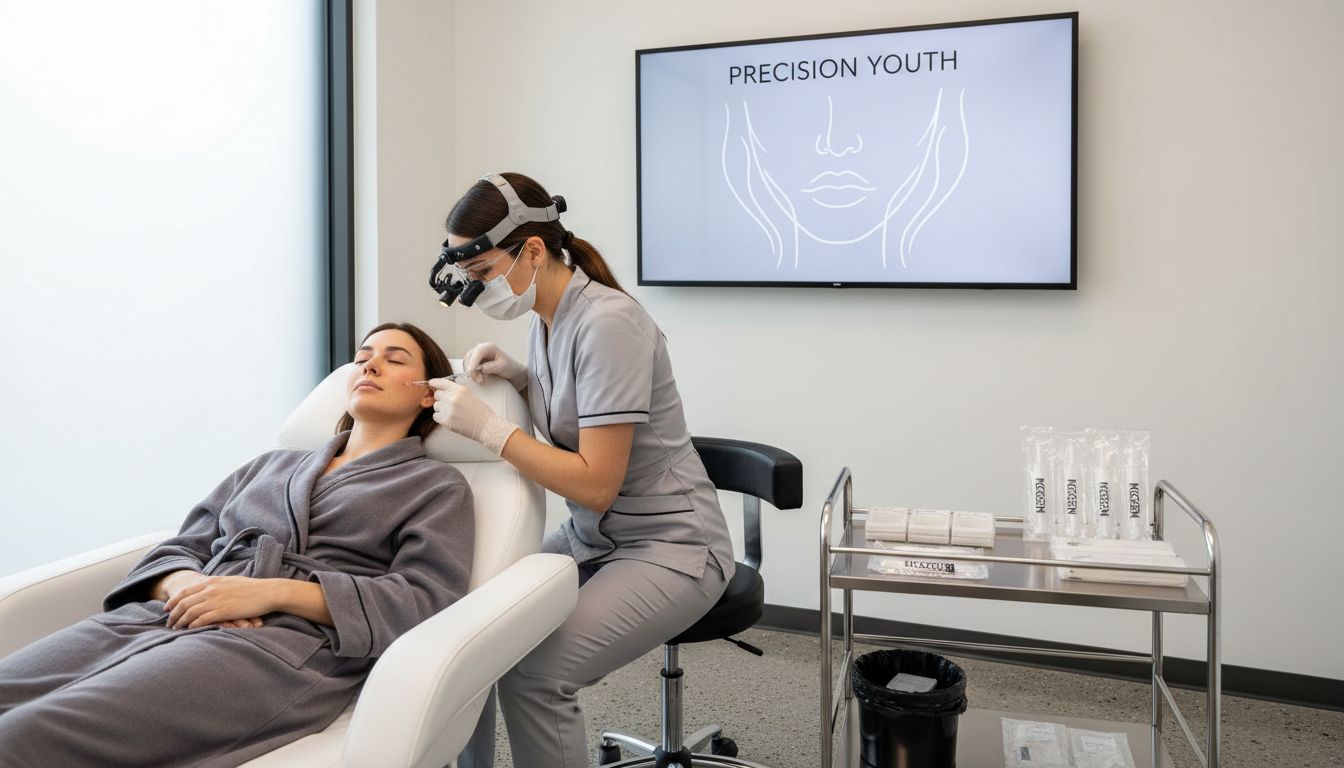
Modern non-surgical anti-ageing treatments are distinguished by their precision, minimal recovery time, and ability to deliver natural-looking results. By combining scientific innovation with aesthetic expertise, these treatments provide women with personalised approaches to maintaining skin health and youthful appearance without extensive surgical interventions.
How Anti-Ageing Treatments Work and Expected Results
Anti-ageing treatments function through sophisticated biological mechanisms designed to counteract the natural deterioration of skin structures and cellular processes. These innovative interventions work at multiple levels, targeting the underlying causes of skin ageing to restore and rejuvenate dermal health.
The UK government’s consultation on non-surgical cosmetic procedures highlights the intricate ways these treatments stimulate skin regeneration. Specifically, techniques like microneedling work by creating controlled micro-injuries that trigger the body’s natural healing response, which includes:
- Collagen Production: Stimulating the generation of new collagen fibres
- Cellular Repair: Activating the skin’s innate regenerative mechanisms
- Elastin Renewal: Encouraging the production of elastin proteins
- Skin Restructuring: Promoting natural tissue remodelling
Expert anti-ageing treatments typically deliver progressive results that become increasingly evident over time. Patients can generally expect improvements such as:
- Reduced appearance of fine lines and wrinkles
- Enhanced skin texture and smoothness
- Improved skin hydration and luminosity
- More even skin tone and reduced pigmentation
The expected outcomes depend on individual skin conditions, age, lifestyle factors, and the specific treatment chosen. Most women observe gradual, natural-looking improvements that develop over several weeks to months, creating a refreshed and rejuvenated appearance without dramatic or artificial-looking changes.
Safety, Regulation and Practitioner Qualifications in the UK
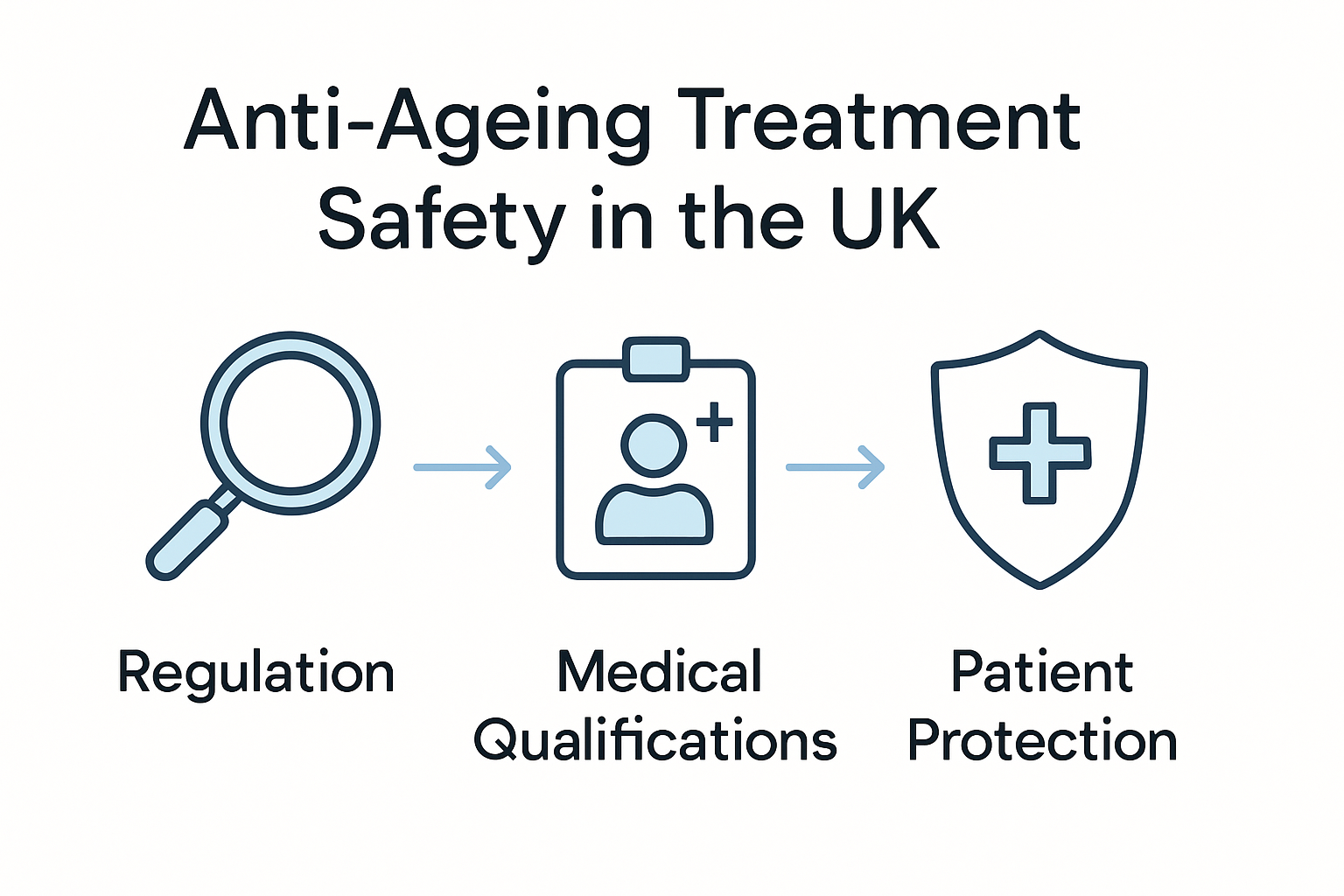
Anti-ageing treatments in the United Kingdom are subject to stringent regulatory frameworks designed to protect patient safety and ensure the highest standards of professional practice. These comprehensive guidelines govern every aspect of non-surgical aesthetic interventions, from practitioner qualifications to treatment protocols.
The UK government’s licensing consultation for non-surgical cosmetic procedures emphasises the critical importance of maintaining rigorous professional standards. Key regulatory requirements include:
- Medical Qualifications: Practitioners must hold recognised medical credentials
- Specialised Training: Mandatory advanced certification in aesthetic procedures
- Continuous Professional Development: Regular skill updates and training
- Comprehensive Insurance: Professional liability coverage
Expert aesthetic practitioners must navigate a complex landscape of professional regulations. This includes demonstrating:
- Precise technical skills
- In-depth understanding of skin biology
- Comprehensive knowledge of treatment interactions
- Exceptional patient consultation capabilities
Patient safety remains paramount, with regulations designed to mitigate risks and ensure that only medically qualified professionals can perform these sophisticated treatments. Women seeking anti-ageing interventions should always verify a practitioner’s credentials, ensuring they are registered with appropriate professional bodies and possess the necessary medical expertise to deliver safe, effective aesthetic treatments.
Potential Risks, Side Effects and Cost Considerations
Anti-ageing treatments, while advanced and generally safe, involve potential risks and considerations that every woman must carefully evaluate before proceeding. Understanding these factors is crucial for making informed decisions about aesthetic interventions and managing personal expectations.
The UK government’s licensing consultation for non-surgical cosmetic procedures highlights the importance of comprehensive patient awareness. Potential side effects can vary depending on the specific treatment, but may include:
- Temporary Redness: Mild skin inflammation post-treatment
- Bruising: Minor capillary disruption at treatment sites
- Sensitivity: Increased skin reactivity for several days
- Rare Complications: Potential infection or uneven healing
Cost considerations are equally significant, with treatments typically ranging based on:
- Treatment complexity
- Practitioner expertise
- Number of sessions required
- Specific technological interventions used
Expert aesthetic treatments require transparent pricing structures and thorough pre-treatment consultations. Women should prioritise understanding both the potential risks and financial investment, ensuring they select treatments aligned with their personal aesthetic goals and budgetary constraints. Professional clinics offer comprehensive consultations that provide detailed insights into expected outcomes, potential side effects, and precise cost breakdowns.
Discover Tailored Anti-Ageing Solutions That Truly Understand Your Skin
Facing the challenges of ageing skin can feel overwhelming. Whether you worry about fine lines, loss of elasticity or uneven tone, it is essential to find treatments that not only address these issues but do so with medical precision and personalised care. Our comprehensive understanding of anti-ageing treatments focuses on stimulating collagen production, promoting cellular regeneration and delivering natural-looking, lasting results that restore your confidence.
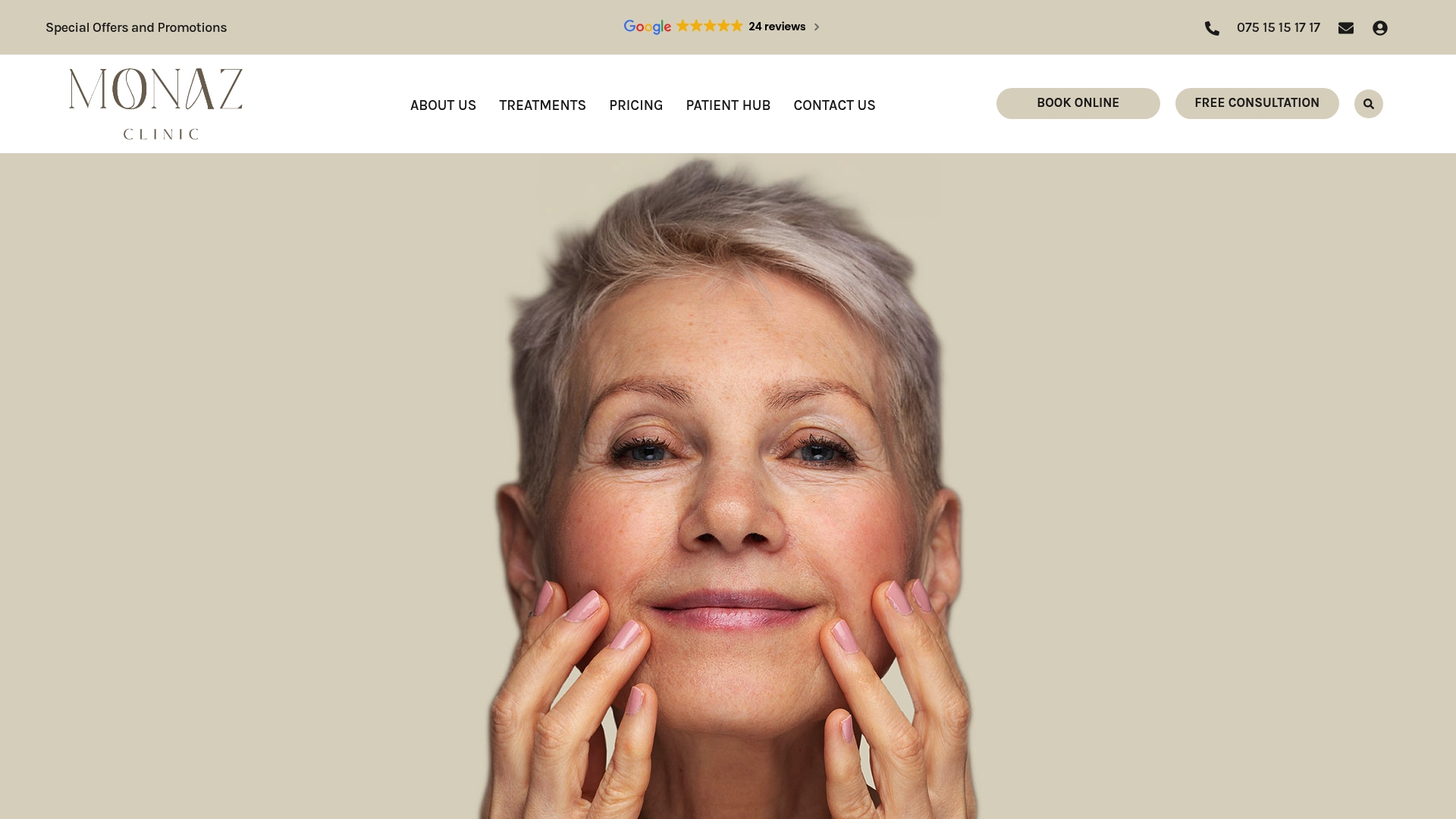
Take control of your skin’s future today with Monaz Clinic. At our Harley Street clinic, every procedure is overseen by medically qualified experts passionate about bespoke care for women. Explore our tips for practical advice and book your complimentary consultation on our website to reveal your best self with treatments designed uniquely for you.
Frequently Asked Questions
What are the main purposes of anti-ageing treatments?
Anti-ageing treatments aim to restore skin health, provide preventative care against further ageing, support the skin’s structural integrity, and reduce visible signs of ageing for a youthful appearance.
How do non-surgical anti-ageing treatments work?
Non-surgical anti-ageing treatments stimulate collagen production and cellular regeneration through advanced techniques like microneedling, dermal micro-coring, and skin resurfacing, promoting natural tissue repair and rejuvenation.
What results can I expect from anti-ageing treatments?
Patients can typically expect gradual improvements such as reduced fine lines and wrinkles, enhanced skin texture, improved hydration, and a more even skin tone, with results becoming noticeable over several weeks to months.
What are the potential risks and side effects of these treatments?
Potential risks may include temporary redness, minor bruising, increased skin sensitivity, and in rare cases, complications like infection or uneven healing. It’s important to discuss these with your practitioner before treatment.
Recommended
- 7 Effective Anti-Ageing Treatments List for Women – Monaz Clinic London
- What is Anti-Wrinkle Treatment? Understanding Its Benefits – Monaz Clinic London
- 7 Essential Anti-Ageing Treatments List for Ladies in London – Monaz Clinic London
- 7 Essential Anti-Ageing Treatments List for London Women – Monaz Clinic London