


Cheek enhancement explained: Learn what it is, treatment types, safety, costs, and what to expect from non-surgical procedures for women in London.

Every year, thousands of British women choose cheek enhancement to refresh their appearance and boost confidence. With more than 40 percent of women over 35 noticing changes in facial volume, these treatments have become a popular way to restore natural contours and youthful structure. Understanding the options, safety standards, and realistic results empowers British women to make informed choices for authentic, subtle enhancements.
Table of Contents
- What Is Cheek Enhancement For Women?
- Types Of Cheek Enhancement Treatments
- How Cheek Enhancement Procedures Work
- Safety, Regulation And Practitioner Standards
- Risks, Costs And Comparing Alternatives
Key Takeaways
| Point | Details |
|---|---|
| Purpose of Cheek Enhancement | Aimed at restoring volume and refining contours, this treatment addresses age-related changes, enhancing facial aesthetics without looking artificial. |
| Types of Treatments | Various options exist, including Hyaluronic Acid Fillers and Fat Transfer, catering to individual aesthetic goals and age considerations. |
| Importance of Practitioner Expertise | Selecting qualified practitioners is crucial for safety and optimal results, emphasising the need for formal training and professional registration. |
| Cost and Risks Assessment | Costs can vary widely depending on the treatment type, and understanding risks is essential for making informed decisions about enhancement options. |
What Is Cheek Enhancement For Women?
Cheek enhancement represents a sophisticated aesthetic approach designed to restore volume, refine facial contours, and rebalance natural symmetry for women seeking subtle yet transformative improvements. This specialised treatment focuses on strategically augmenting the cheekbone area using advanced non-surgical techniques that harmonise with an individual’s unique facial architecture.
The primary purpose of cheek enhancement revolves around addressing age-related volume loss and structural changes that occur naturally over time. As women progress through different life stages, facial fat compartments gradually diminish, leading to a flattened or slightly sunken appearance in the mid-face region. Cheek enhancement provides a precision-targeted solution to counteract these changes, helping women maintain a youthful, lifted aesthetic without appearing artificially manipulated.
Modern cheek enhancement techniques utilise dermal fillers for facial aesthetics that are carefully injected to restore lost volume and create gentle, natural-looking definition. These minimally invasive treatments offer several key benefits:
- Immediate volumisation of cheek areas
- Improved facial symmetry and proportion
- Subtle lifting effect without invasive surgery
- Customisable approaches tailored to individual facial structures
- Minimal recovery time and long-lasting results
When performed by experienced practitioners, cheek enhancement can dramatically refine facial balance, creating a more refreshed and harmonious appearance that looks authentically you. The goal is never to dramatically alter your fundamental features, but to gently restore and accentuate your natural beauty.
Types Of Cheek Enhancement Treatments
Cheek enhancement treatments offer sophisticated options for women seeking tailored facial rejuvenation, with each approach carefully designed to address specific aesthetic goals and individual facial structures. The primary techniques range from non-invasive dermal filler treatments to more advanced volumising procedures that restore natural facial harmony.
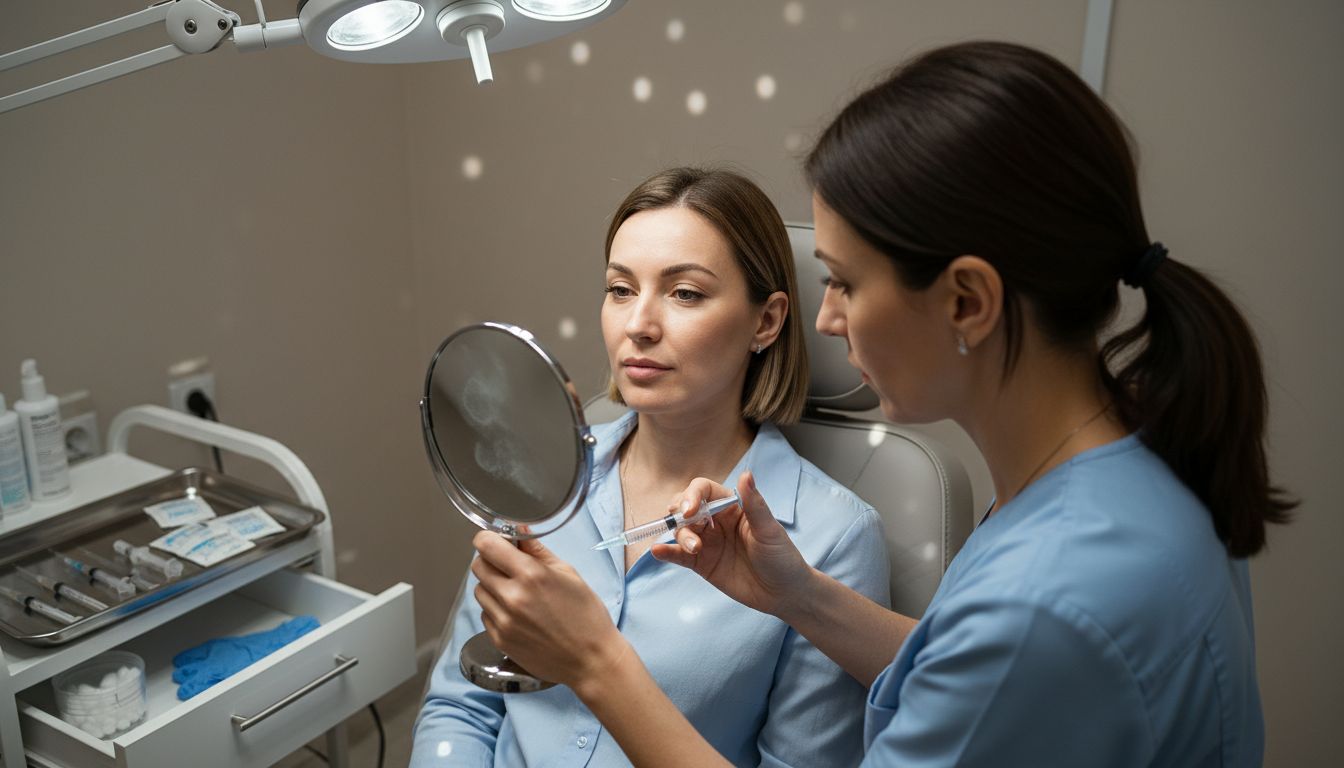
Dermal Fillers represent the most popular and versatile cheek enhancement method, offering comprehensive facial aesthetic solutions. These injectable treatments utilise hyaluronic acid-based products to strategically restore volume, lift sagging skin, and create subtle yet transformative contours. Practitioners can precisely target specific areas of volume loss, ensuring a natural and personalised result.
The primary types of cheek enhancement treatments include:
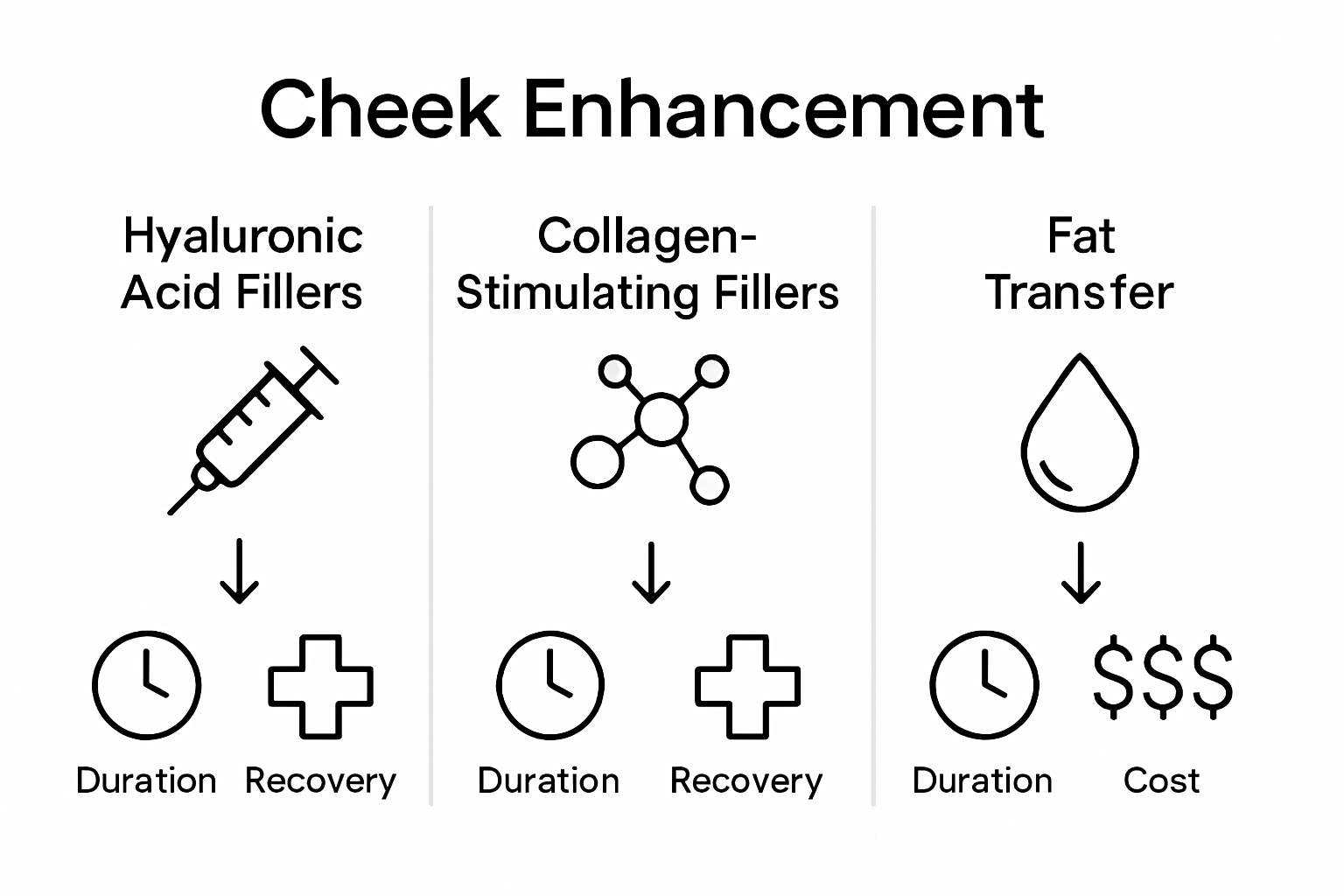
Hyaluronic Acid Fillers
- Immediate volume restoration
- Temporary results lasting 12-18 months
- Minimal downtime and recovery
Collagen Stimulating Fillers
- Gradual volume replacement
- Stimulates natural collagen production
- Longer-lasting results up to 2 years
Fat Transfer Techniques
- Uses patient’s own fat cells
- Natural-looking volumisation
- More invasive procedure requiring surgical extraction
Professional consultation remains crucial in determining the most suitable cheek enhancement approach, as individual facial anatomy, age, skin condition, and aesthetic objectives significantly influence treatment selection. Experienced practitioners will assess multiple factors to recommend a personalised strategy that harmonises with your unique facial characteristics and delivers subtle, refined results.
How Cheek Enhancement Procedures Work
Cheek enhancement procedures represent a sophisticated approach to facial rejuvenation, meticulously designed to restore volume, sculpt contours, and achieve natural-looking results through precise aesthetic interventions. The intricate process involves carefully selected techniques that address individual facial anatomy with remarkable precision and minimal invasiveness.
The core mechanism of cheek enhancement begins with a comprehensive consultation exploring facial aesthetic options, where practitioners conduct a detailed assessment of facial structure, skin condition, and aesthetic objectives. During this initial consultation, key factors are evaluated:
- Facial symmetry and bone structure
- Existing volume distribution
- Skin elasticity and texture
- Client’s aesthetic expectations
- Potential treatment approaches
Injection Technique forms the cornerstone of most cheek enhancement procedures. Practitioners use ultra-fine needles to strategically deposit dermal fillers at specific facial planes, allowing for nuanced volume restoration. The injection process requires exceptional skill, with practitioners mapping precise points to create natural-looking lift and definition.
The procedure typically follows a carefully orchestrated sequence:
- Skin preparation and cleansing
- Topical anaesthetic application
- Precise filler placement using advanced mapping techniques
- Gentle massage to ensure even distribution
- Final assessment and minor adjustments
Post-procedure, patients can expect immediate visual improvements with minimal recovery time, embodying the sophisticated approach of modern facial aesthetic interventions.
Safety, Regulation And Practitioner Standards
The landscape of cosmetic procedures in the United Kingdom is governed by stringent safety protocols and evolving regulatory frameworks designed to protect patients and maintain high professional standards. Government regulations have introduced comprehensive measures to safeguard patients undergoing aesthetic treatments, ensuring that only suitably qualified healthcare professionals can perform high-risk aesthetic interventions.
Practitioner Qualifications represent a critical component of patient safety. Currently, voluntary regulatory mechanisms exist to establish clear professional standards, with professional bodies like the Joint Council for Cosmetic Practitioners (JCCP) maintaining rigorous registers that require practitioners to demonstrate:
- Formal medical training
- Advanced aesthetic procedure certifications
- Continuous professional development
- Adherence to ethical practice guidelines
- Professional indemnity insurance
Key safety considerations for patients seeking cheek enhancement include:
- Verify practitioner’s medical credentials
- Check professional registration status
- Request evidence of specialised aesthetic training
- Confirm clinic’s regulatory compliance
- Review before-and-after treatment portfolios
The UK government continues to explore more comprehensive licensing schemes to further strengthen patient protection, signalling an ongoing commitment to elevating safety standards in aesthetic medicine. Patients must remain proactive, conducting thorough research and selecting practitioners who demonstrate exceptional professional expertise and commitment to patient well-being.
Risks, Costs And Comparing Alternatives
Cheek enhancement procedures offer nuanced aesthetic solutions, but potential recipients must carefully evaluate the associated risks, financial investments, and alternative approaches to making an informed decision. Understanding the comprehensive landscape of treatment options requires a strategic approach that balances personal aesthetic goals with practical considerations.
The financial investment for cheek enhancement varies significantly, with professional cheek enhancement options presenting multiple treatment pathways. Typical cost ranges include:
- Hyaluronic Acid Fillers: £350 – £800 per session
- Collagen Stimulating Treatments: £600 – £1,200 per session
- Fat Transfer Procedures: £1,500 – £3,500
Potential Risks associated with cheek enhancement procedures encompass both minor and more significant considerations:
- Temporary bruising and swelling
- Potential asymmetry
- Rare infection risks
- Allergic reactions to dermal fillers
- Potential migration of injectable substances
Alternative approaches to surgical or injectable cheek enhancement include:
- Facial exercises and muscle toning
- Contouring makeup techniques
- Skincare treatments targeting collagen production
- Non-invasive facial lifting technologies
- Nutritional interventions supporting skin health
Patients must conduct thorough consultations, understanding that individual results can vary substantially. The most sophisticated approach involves comprehensive assessment, realistic expectations, and selecting a treatment aligned with personal aesthetic objectives and physiological characteristics.
Achieve Natural Facial Harmony with Expert Cheek Enhancement
If you are seeking to restore youthful volume and refine your facial contours with subtle, natural-looking results, understanding the right cheek enhancement options is crucial. This article highlights the importance of precision and personalised care to address age-related volume loss and improve facial symmetry for women wanting to elevate their natural beauty without invasive surgery. Key goals include immediate volumisation, enhanced facial balance, and a gentle lifting effect customised to your unique facial structure.
At Monaz Clinic, we specialise in expertly delivered non-surgical cheek enhancement treatments using award-winning dermal fillers and personalised approaches led by medically qualified practitioners. Our one-on-one consultations help you explore all facial aesthetic possibilities and choose the safest, most effective solution for your needs. Discover valuable insights and tips on achieving natural results by visiting our tips – Monaz Clinic | Facial Aesthetic Clinic in London and learn more about our tailored facial aesthetics solutions on our main website.
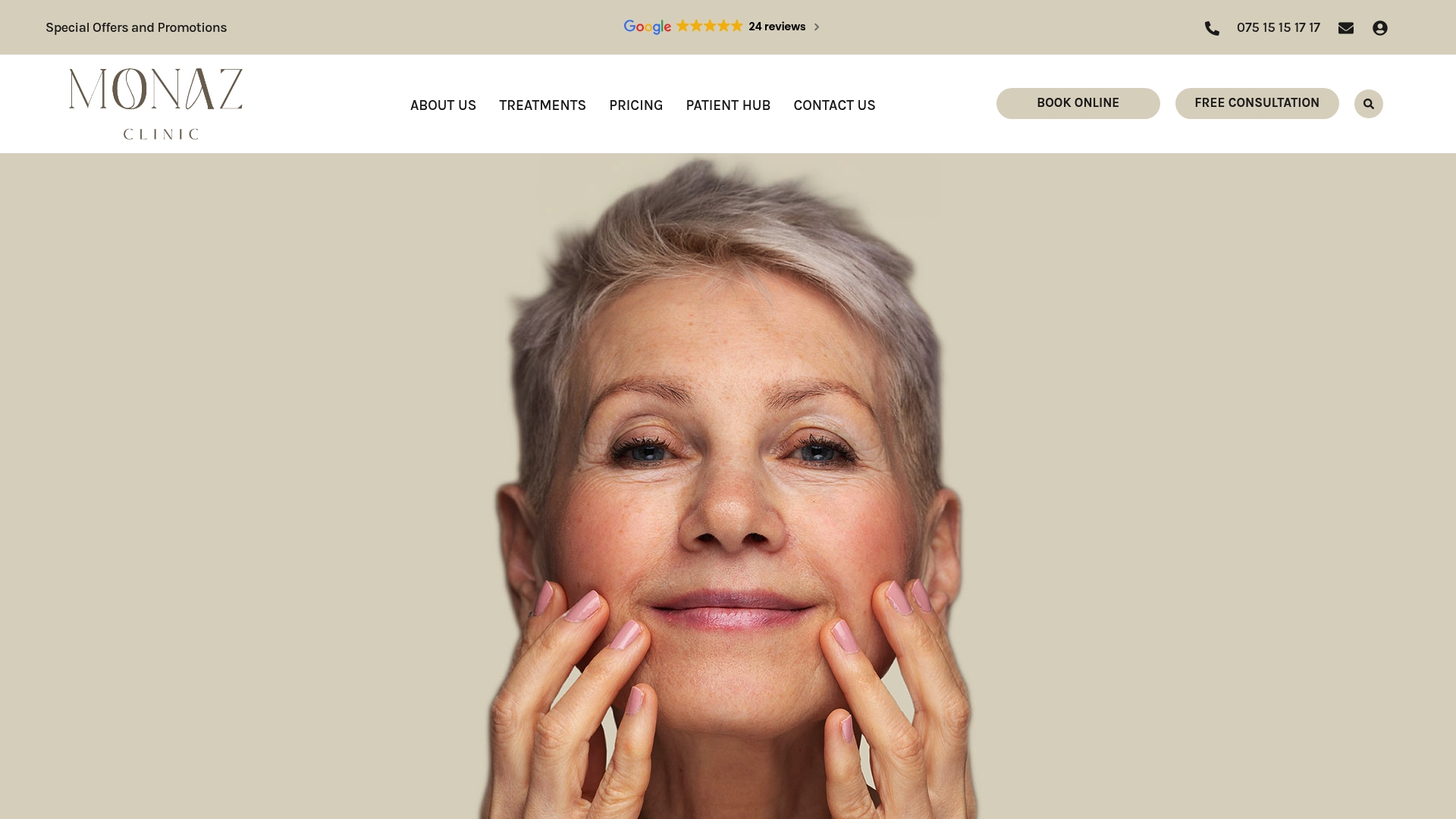
Reveal your best self today with a personalised cheek enhancement journey at Monaz Clinic. Book your complimentary consultation now to experience expert care, minimal downtime, and results that authentically highlight your natural beauty. Start your transformation by visiting Monaz Clinic and take the first step towards feeling refreshed and confident.
Frequently Asked Questions
What is cheek enhancement?
Cheek enhancement is a non-surgical aesthetic treatment designed to restore volume, refine facial contours, and rebalance natural symmetry. It focuses on augmenting the cheekbone area to achieve subtle yet transformative improvements in appearance.
What types of cheek enhancement treatments are available?
The main types of cheek enhancement treatments include hyaluronic acid fillers, collagen-stimulating fillers, and fat transfer techniques. Each method offers different benefits and results, catering to individual aesthetic goals.
How long do the results of cheek enhancement last?
Results from hyaluronic acid fillers typically last between 12 to 18 months, while collagen-stimulating fillers can last up to 2 years. Fat transfer procedures may offer more permanent results, but individual factors can influence longevity.
Are there any risks associated with cheek enhancement procedures?
Yes, potential risks include temporary bruising and swelling, potential asymmetry, rare infection risks, allergic reactions to fillers, and the possibility of migration of injectable substances. It’s essential to consult with a qualified practitioner to understand these risks thoroughly.