


Cosmetic consultation for facial aesthetics in London explained—discover process, practitioner requirements, legal frameworks, and risks.
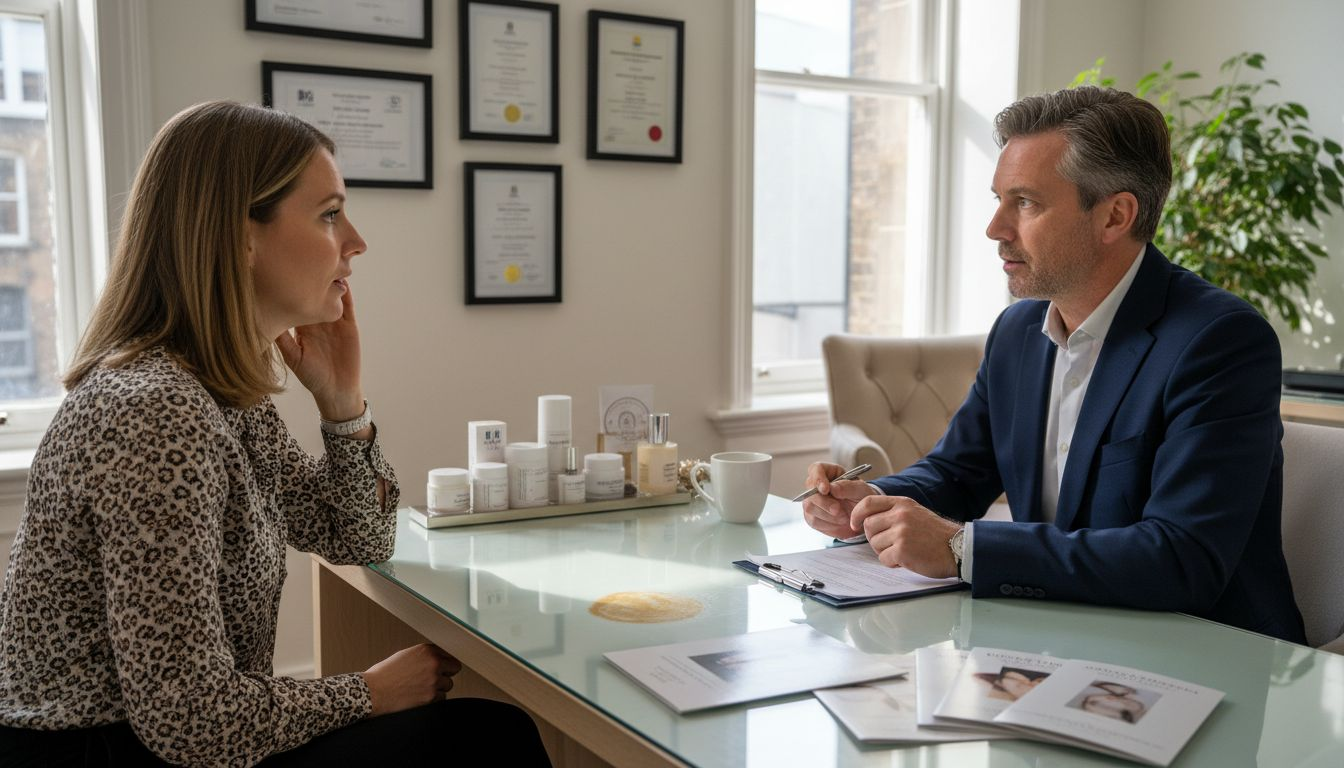
Choosing a non-surgical facial aesthetic treatment in Central London can feel overwhelming when you want expert guidance without pressure. Ensuring your comfort and safety starts with a comprehensive cosmetic consultation, where your goals and concerns are heard by a qualified professional. In the current regulatory landscape of England, these consultations lay the groundwork for informed decisions, natural results, and a supportive relationship with your practitioner.
Table of Contents
- Defining Cosmetic Consultation In Facial Aesthetics
- Types Of Non-Surgical Cosmetic Consultations
- What Happens During A Consultation Session
- Practitioner Qualifications And Legal Standards
- Risks, Costs And Consumer Protection
Key Takeaways
| Point | Details |
|---|---|
| Importance of Consultation | A cosmetic consultation is crucial for assessing patient needs and developing a tailored treatment plan while ensuring safety and realistic expectations. |
| Types of Consultations | Different non-surgical consultations focus on injectables, skin rejuvenation, energy-based treatments, and comprehensive aesthetic planning, each requiring specific assessments. |
| Practitioner Qualifications | Aesthetic practitioners must have medical qualifications along with specialised training, with ongoing regulatory developments enhancing patient safety. |
| Financial Considerations | Patients should be aware of the financial responsibilities associated with aesthetic treatments, including potential costs for corrective procedures and maintenance. |
Defining Cosmetic Consultation in Facial Aesthetics
A cosmetic consultation represents a critical initial interaction between a patient and aesthetic practitioner, designed to establish mutual understanding, assess individual needs, and develop a personalised treatment strategy. Non-surgical cosmetic procedures encompass a range of treatments involving injections, skin penetration techniques, and advanced applications focused on aesthetic enhancement.
The consultation process serves multiple essential functions beyond mere treatment planning. It provides an opportunity for comprehensive medical assessment, where practitioners evaluate patient suitability, discuss potential risks, and establish realistic expectations. Practitioners carefully examine skin condition, facial anatomy, medical history, and individual aesthetic goals to recommend appropriate interventions. This thorough approach ensures patient safety and optimal treatment outcomes by identifying potential contraindications or underlying health considerations that might impact aesthetic procedures.
At its core, a cosmetic consultation represents a collaborative dialogue where patient autonomy and professional expertise intersect. Regulatory standards emphasise patient safety through rigorous practitioner qualifications and transparent communication protocols. The consultation enables patients to make informed decisions by understanding potential treatment modalities, expected results, recovery processes, and associated risks. Experienced practitioners create a supportive environment that empowers patients to ask questions, express concerns, and develop a trusting therapeutic relationship.
Pro tip: Always prepare a comprehensive list of current medications, previous aesthetic treatments, and specific skin concerns to maximise the effectiveness of your initial consultation.
Types of Non-Surgical Cosmetic Consultations
Non-surgical cosmetic consultations represent a nuanced spectrum of professional assessments tailored to specific aesthetic interventions. Cosmetic procedures range widely from minimally invasive treatments like injections to more complex energy-based interventions such as laser treatments. Each consultation type demands a unique approach, focusing on patient safety, individual aesthetic goals, and potential treatment outcomes.
The primary categories of non-surgical cosmetic consultations include injectables consultation, skin rejuvenation assessment, energy-based treatment evaluation, and comprehensive facial aesthetic planning. Injectables consultations typically involve detailed discussions about , dermal fillers, and other volumising treatments, where practitioners assess facial muscle dynamics, skin elasticity, and patient expectations. Skin rejuvenation consultations explore treatments like chemical peels, microdermabrasion, and advanced skincare protocols, examining skin texture, pigmentation, and potential age-related concerns.
Energy-based treatment consultations represent a more technologically sophisticated approach, involving laser therapies, radiofrequency treatments, and advanced skin tightening procedures. These consultations require extensive medical history review, skin type analysis, and precise assessment of potential treatment risks and expected outcomes. Practitioners must evaluate factors such as skin sensitivity, healing potential, and potential contraindications to ensure safe and effective interventions. Comprehensive facial aesthetic consultations integrate multiple assessment techniques, providing holistic recommendations that address individual aesthetic objectives while maintaining natural-looking results.
The following table summarises the main types of non-surgical cosmetic consultations and their distinctive characteristics:
| Consultation Type | Focus Area | Key Assessment Criteria | Typical Treatments |
|---|---|---|---|
| Injectables Consultation | Facial muscle dynamics | Skin elasticity, expectations | , dermal fillers |
| Skin Rejuvenation Assessment | Skin texture and pigmentation | Age-related skin concerns, tone analysis | Chemical peels, microdermabrasion |
| Energy-Based Treatment Eval. | Technologically advanced care | Skin type, healing potential, contraindications | Laser, radiofrequency |
| Comprehensive Planning | Integrated facial approach | Multiple techniques, holistic outcomes | Bespoke combination plans |
Pro tip: Bring photographs of yourself from different angles and lighting conditions to help your aesthetic practitioner understand your facial structure and develop a more personalised treatment approach.
What Happens During a Consultation Session
A comprehensive cosmetic consultation is a structured, multi-step process designed to establish patient expectations, assess individual needs, and create a personalised treatment pathway. Professional medical standards guide these interactions, ensuring a thorough and ethical approach to aesthetic treatments. The session typically begins with an in-depth discussion of the patient’s aesthetic goals, medical history, and current health status, allowing practitioners to develop a nuanced understanding of potential treatment options.
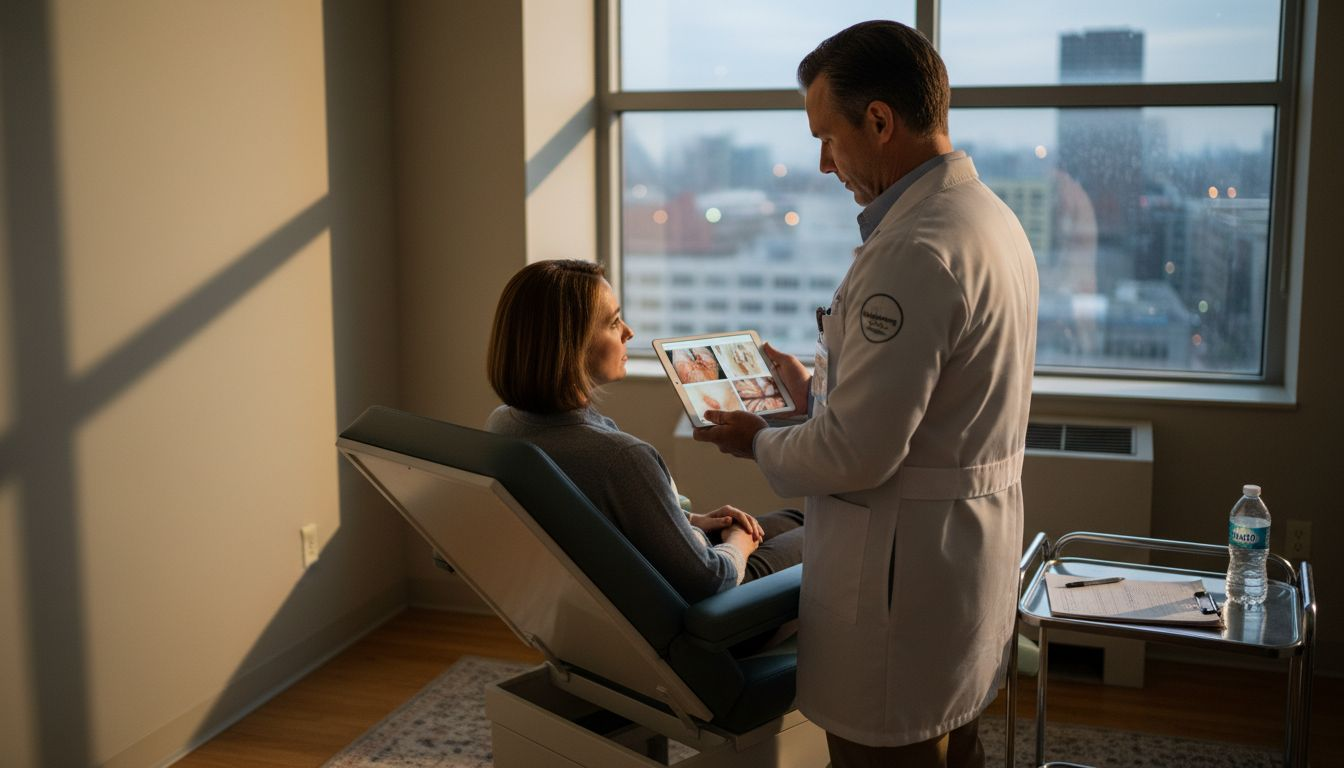
The consultation involves several critical components, including detailed facial assessment, clinical photography, and comprehensive risk evaluation. Practitioners carefully examine facial anatomy, skin condition, muscle dynamics, and potential contraindications. They will discuss various treatment modalities, explaining potential outcomes, expected results, and any associated risks with absolute transparency. This dialogue enables patients to make informed decisions, understanding both the potential benefits and limitations of proposed aesthetic interventions.
Documentation plays a crucial role in the consultation process, with practitioners meticulously recording patient information, treatment recommendations, and potential psychological considerations. The consultation serves as more than a mere technical assessment; it represents a collaborative dialogue where patient autonomy and professional expertise converge. Practitioners are trained to recognise and address any underlying psychological motivations, ensuring that aesthetic treatments align with the patient’s genuine well-being and self-perception. Informed consent is not just a procedural requirement but a fundamental aspect of ethical aesthetic medicine, emphasising patient understanding and voluntary participation.
Pro tip: Prepare a list of your current medications, previous aesthetic treatments, and specific concerns to help your practitioner conduct a more comprehensive and personalised consultation.
Practitioner Qualifications and Legal Standards
The landscape of aesthetic practitioner regulation in the United Kingdom represents a complex and evolving framework of professional standards and legal requirements. Regulatory bodies are working to establish comprehensive standards for practitioners performing cosmetic interventions, recognising the critical need to protect patient safety and ensure professional competence. Currently, the regulatory environment remains fragmented, with no single mandatory licensing system governing all aesthetic practitioners across different medical disciplines.
Professional qualifications for cosmetic practitioners typically involve multiple layers of certification and specialised training. Medical professionals such as doctors, nurses, and dentists can undertake additional aesthetic medicine qualifications, demonstrating their commitment to specialist knowledge. The Joint Council for Cosmetic Practitioners (JCCP) serves as a voluntary regulatory body, maintaining a professional register and setting competency standards for practitioners. These standards encompass clinical skills, ethical considerations, patient communication, and ongoing professional development, ensuring practitioners maintain high levels of expertise and patient care.
Legal frameworks are progressively becoming more stringent, with the Health and Care Act 2022 introducing significant powers to regulate practitioners and procedures. This legislative approach aims to address historical gaps in practitioner oversight, implementing potential licensing schemes, age restrictions, and penalties for non-compliance. The evolving legal standards emphasise comprehensive patient protection, requiring practitioners to demonstrate not only technical competence but also a holistic understanding of patient well-being, psychological considerations, and informed consent processes.
Here is a comparison of practitioner qualification routes and legal protections in the UK aesthetic sector:
| Aspect | Practitioner Qualifications | Legal Standards and Consumer Protection |
|---|---|---|
| Required Training | Medical degree plus aesthetics courses | Ongoing regulatory developments |
| Oversight Body | JCCP voluntary register | Health and Care Act 2022, future schemes |
| Patient Protection | Competence, ethics, communication skills | Age limits, licensing, penalties for breaches |
| Continuous Requirements | Professional development, ethical updates | Stronger inspection and enforcement powers |
Pro tip: Always verify a practitioner’s professional credentials, registration with recognised bodies, and ask to see their specific qualifications before proceeding with any aesthetic treatment.
Risks, Costs and Consumer Protection
Cosmetic aesthetic treatments involve complex financial and safety considerations that demand careful patient evaluation. Consumer protection initiatives are increasingly prioritising patient safety across the United Kingdom, recognising the potential risks associated with unregulated aesthetic interventions. These risks range from minor complications like temporary bruising to more severe outcomes such as infection, allergic reactions, and long-term aesthetic damage that could require extensive corrective procedures.
The financial landscape of cosmetic treatments is multifaceted, with costs varying significantly depending on treatment complexity, practitioner expertise, and geographic location. Potential patients must consider not just the initial treatment expense, but also potential follow-up costs, maintenance treatments, and potential corrective interventions. Aesthetic procedures are typically considered elective, meaning most health insurance policies will not cover complications or primary treatments, placing full financial responsibility on the patient. This economic context underscores the critical importance of selecting highly qualified practitioners and understanding comprehensive treatment implications.
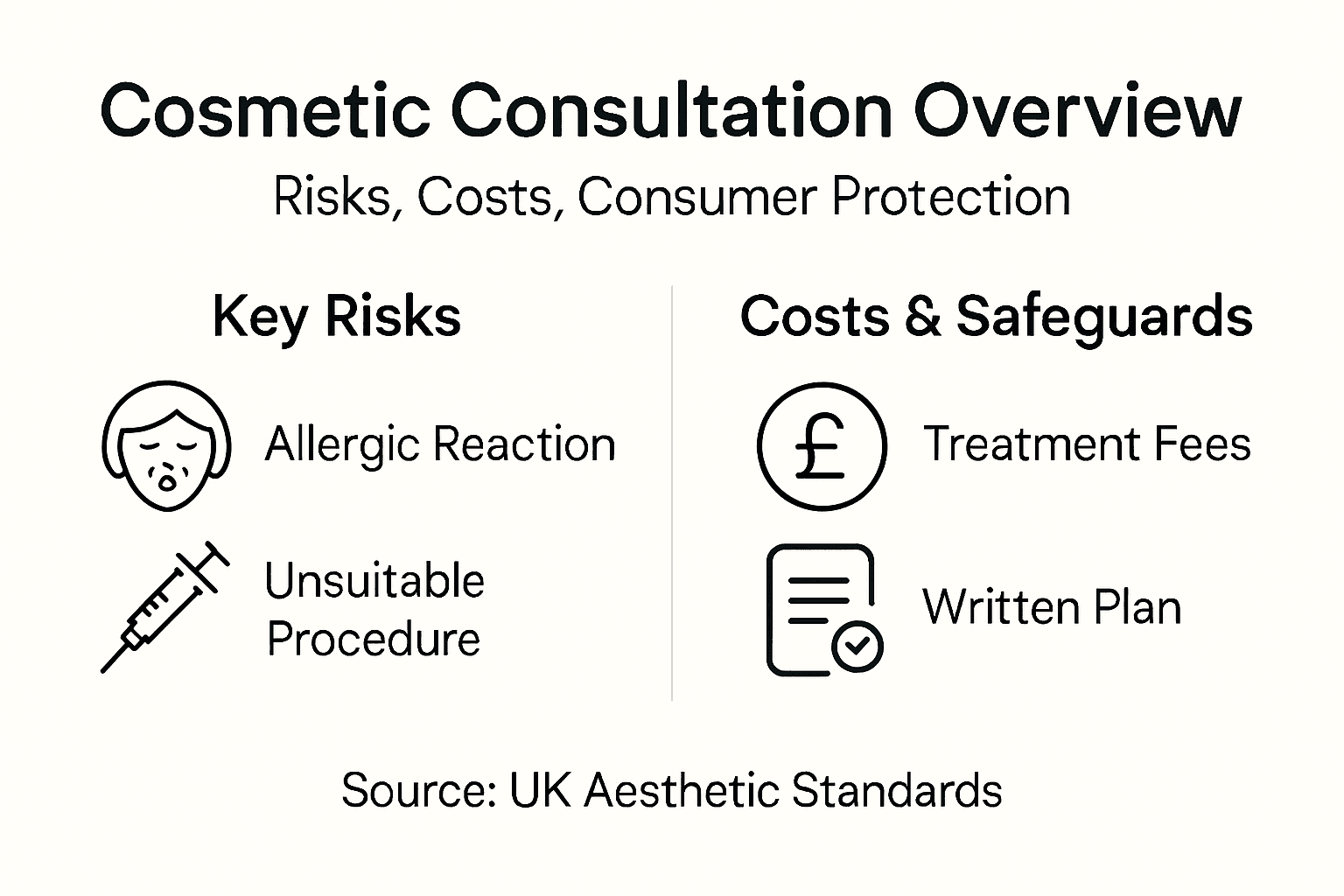
Government and professional bodies are actively developing more robust consumer protection frameworks to mitigate risks and enhance transparency. These emerging regulatory approaches include mandatory licensing for clinics and practitioners, strict age restrictions on certain treatments, and enhanced inspection powers. The goal is to create a safer environment by reducing the number of unqualified providers, establishing clear standards of practice, and providing patients with comprehensive information about potential risks, expected outcomes, and practitioner credentials. By implementing these protective measures, the aesthetic medicine sector aims to build greater trust and accountability within the industry.
Pro tip: Request a comprehensive written treatment plan with detailed cost breakdown, potential risks, and expected outcomes before committing to any aesthetic procedure.
Discover Your Safe and Personalised Journey to Beautiful Facial Aesthetics
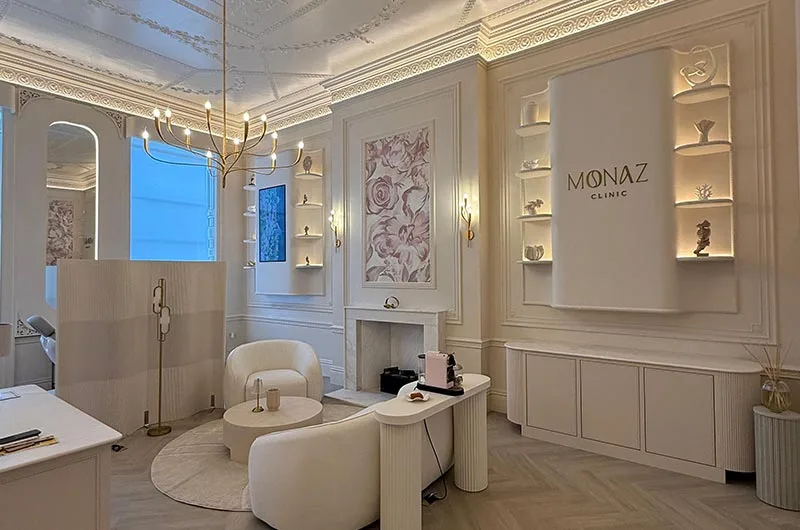
Understanding the importance of a detailed cosmetic consultation is the first step towards achieving natural-looking, confident results. If you are concerned about safety, practitioner qualifications, and tailored treatment plans that truly respect your unique facial structure and goals this guide is for you. At Monaz Clinic we address these exact challenges discussed in the article by providing expert-led consultations and personalised non-surgical treatments in a supportive, caring environment. Every step combines medical expertise with your desires to help Reveal Your Best Self.
Explore our range of expert insights and advice at tips – Monaz Clinic | Facial Aesthetic Clinic in London to prepare fully for your consultation. Then visit Monaz Clinic to book your complimentary, pressure-free consultation where you will experience how true professionalism meets genuine care. Don’t delay your path to feeling confident and beautiful with trusted treatments delivered in historic Harley Street surroundings. Let us guide you safely with clear communication every step of the way.
Frequently Asked Questions
What should I expect during a cosmetic consultation?
During a cosmetic consultation, you will discuss your aesthetic goals, medical history, and current health status. The practitioner will perform a facial assessment and explain potential treatment options, outcomes, and associated risks.
How do I prepare for my cosmetic consultation?
To prepare for your consultation, bring a list of current medications, previous aesthetic treatments, and specific skin concerns. Consider bringing photographs of yourself from different angles to help the practitioner understand your facial structure.
What types of procedures can be discussed in a cosmetic consultation?
A cosmetic consultation can cover various treatments, including injectables like and dermal fillers, skin rejuvenation options such as chemical peels, and energy-based treatments like laser therapy. You can also discuss comprehensive facial aesthetic planning.
What qualifications should I look for in a cosmetic practitioner?
When choosing a cosmetic practitioner, ensure they have relevant medical qualifications and additional training in aesthetic medicine. Verify their registration with recognised bodies, such as the Joint Council for Cosmetic Practitioners (JCCP), to ensure their competence and adherence to professional standards.
Recommended
- The Essential Guide to Aesthetics Consultation Process – Monaz Clinic London
- Understanding the Role of Consultation in Aesthetics – Monaz Clinic London
- How to Choose Facial Aesthetic Treatments for Stunning Results – Monaz Clinic London
- How to Choose Facial Aesthetic Treatments for Stunning Results – Monaz Clinic London