




Defining lip fillers in Harley Street: types, how treatments work, risks, cost, and safety standards for women considering natural-looking enhancements.

Over half of british women considering cosmetic enhancements have encountered conflicting information about lip fillers. When trends and myths mix, it becomes hard to separate fact from fiction about how these treatments truly work. This guide sheds light on what lip fillers actually do, reveals the latest science behind the most popular options across the United Kingdom, and tackles the biggest misconceptions so british clients can make informed choices.
Table of Contents
- Lip Fillers Explained – Core Concepts and Myths
- Available Types of Lip Fillers in the UK
- How Lip Filler Treatments Work in Practice
- Risks, Aftercare, and Expected Results
- UK Safety, Regulations, and Practitioner Standards
Key Takeaways
| Point | Details |
|---|---|
| Understanding Lip Fillers | Lip fillers are designed for subtle enhancement, focusing on individual lip characteristics and natural integration with facial features. |
| Types of Fillers | Hyaluronic acid-based fillers are dominant in the UK, offering options that vary in duration and specific aesthetic goals. |
| Treatment Process | A thorough consultation is essential for customised treatment; post-care is crucial for optimal healing and results. |
| Regulatory Standards | In the UK, lip filler procedures must be conducted by qualified medical professionals, ensuring patient safety and adherence to strict regulations. |
Lip Fillers Explained – Core Concepts and Myths
Lip fillers represent a sophisticated aesthetic enhancement technique designed to improve lip volume, shape, and symmetry through minimally invasive cosmetic procedures. These dermal injectable treatments use specialised gel substances to augment lip contours and create a more defined, youthful appearance. Women seeking subtle yet transformative facial improvements often explore lip enhancement options as a precise solution for aesthetic refinement.
Understanding lip fillers requires dispelling common misconceptions about their application and outcomes. Contrary to popular belief, professional lip fillers are not about creating unnaturally large or exaggerated lips, but rather achieving balanced, harmonious facial proportions. The most skilled practitioners focus on enhancing individual lip characteristics, considering factors like natural lip shape, facial symmetry, and personal aesthetic preferences. Experienced medical professionals use hyaluronic acid-based fillers that integrate seamlessly with existing tissue, providing a natural-looking result that respects the client’s unique facial structure.
Key considerations for potential lip filler recipients include understanding the procedure’s nuanced nature and managing realistic expectations. The treatment involves carefully administered injectable gel that plumps lip tissue, smooths fine lines, and creates subtle definition. Women should prioritise consulting with medically qualified practitioners who can assess individual anatomical characteristics and recommend personalised treatment approaches. Dermal filler techniques have evolved significantly, allowing for increasingly precise and natural-looking outcomes that complement rather than overwhelm one’s inherent facial beauty.
Available Types of Lip Fillers in the UK
Lip fillers in the United Kingdom represent a sophisticated range of aesthetic treatments, offering women multiple options for subtle and personalised lip enhancement. Hyaluronic acid-based fillers dominate the market, providing natural-looking results that integrate seamlessly with existing lip tissue. Professional clinics typically offer several renowned brands, each with unique characteristics designed to address specific aesthetic goals and individual anatomical considerations.
The most prominent lip filler variants in the UK market include Juvederm, Restylane, and Vollure, which provide varying levels of volume and structural support. Long-lasting filler options range from temporary solutions lasting 6-12 months to more advanced formulations that can maintain lip volume for up to 18 months. Professionals carefully select fillers based on individual lip anatomy, desired outcome, and client-specific aesthetic preferences, ensuring a personalised approach to lip enhancement.
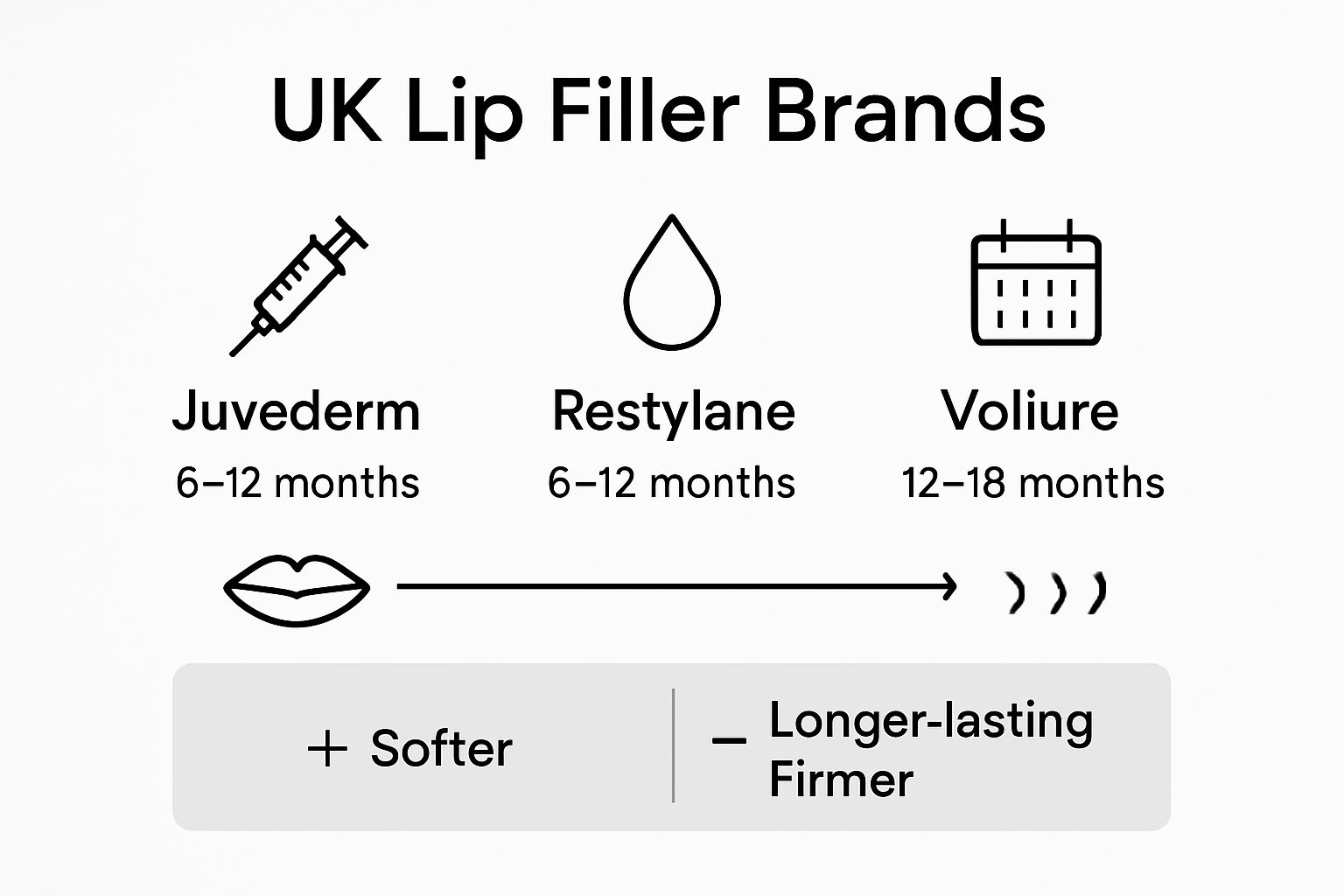
Key considerations when selecting lip fillers include understanding their composition, expected duration, and potential variations in application. Different filler types offer unique benefits: some prioritise volume, others focus on lip definition or smoothing fine lines around the mouth. Women should consult qualified medical practitioners who can assess their specific requirements and recommend the most appropriate filler type. The goal remains consistent across all options: achieving natural, balanced lip enhancement that complements individual facial features and aesthetic aspirations.
How Lip Filler Treatments Work in Practice
Lip filler treatments represent a meticulously structured cosmetic procedure designed to enhance lip appearance through precise medical interventions. Step-by-step dermal filler techniques begin with a comprehensive initial consultation, where medical professionals assess individual facial anatomy, discuss aesthetic objectives, and determine the most appropriate treatment approach. This personalised evaluation ensures that the proposed lip enhancement aligns perfectly with the client’s unique facial characteristics and desired aesthetic outcome.
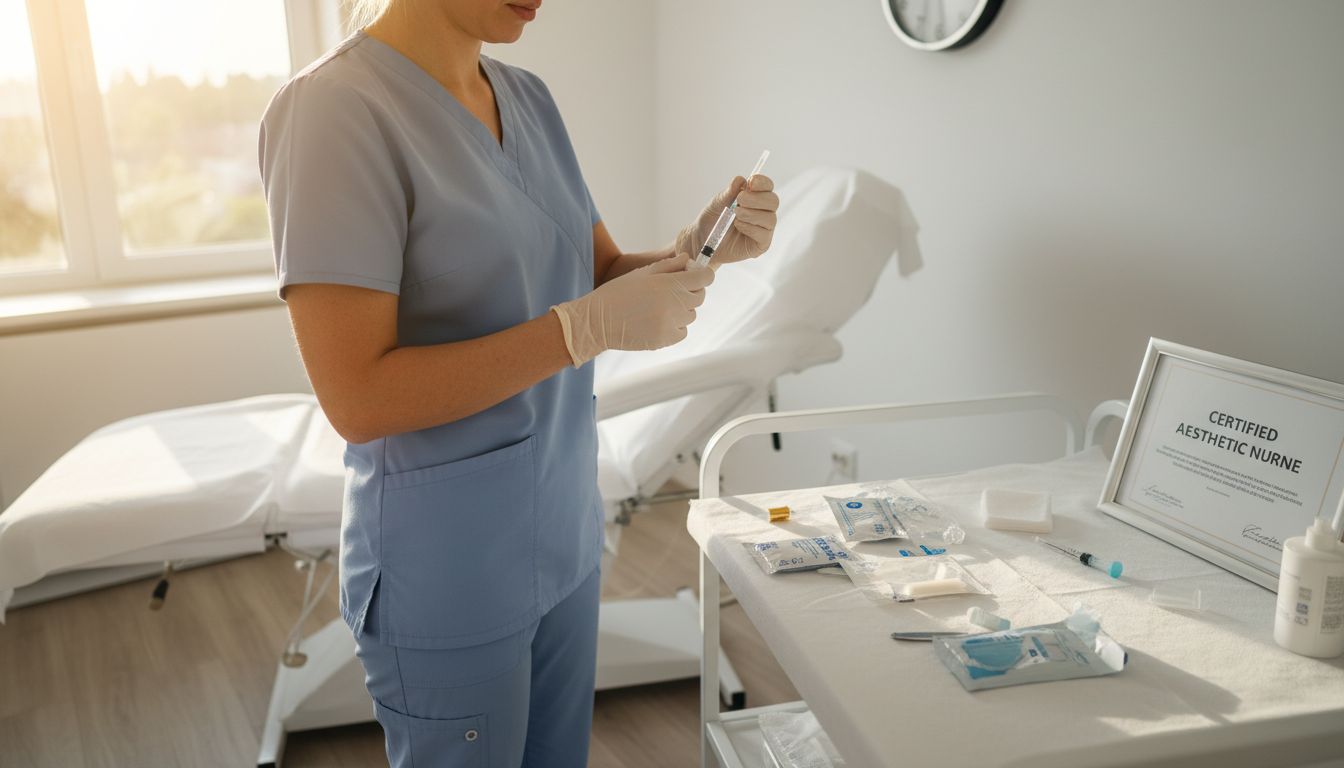
The actual treatment process involves several critical stages of professional intervention. Practitioners start by carefully mapping the lip area, identifying optimal injection points that will create natural-looking volume and definition. Hyaluronic acid fillers are strategically administered using ultra-fine needles, with most procedures taking between 30 to 45 minutes. The injection technique requires exceptional precision, with practitioners modulating depth, quantity, and placement to achieve symmetrical, balanced results that enhance the client’s inherent lip structure.
Post-treatment management is equally important in ensuring optimal outcomes and client comfort. How fillers work for London women reveals that immediate aftercare involves gentle massage, potential use of cooling techniques, and specific guidance on minimising swelling and potential bruising. Clients are advised to avoid extreme temperatures, rigorous exercise, and alcohol consumption for a short period following the procedure. The results typically develop over several days, with the full aesthetic effect becoming apparent as any initial slight swelling subsides, revealing a refined, naturally enhanced lip contour that complements the individual’s facial features.
Risks, Aftercare, and Expected Results
Lip filler treatments, while generally safe, involve potential risks that require careful consideration and professional medical guidance. Hidden health risks associated with lip fillers encompass a range of potential complications that demand thorough understanding and proactive management. Potential adverse reactions can include temporary swelling, bruising, asymmetry, and in rare instances, more serious complications such as vascular occlusion or allergic responses. Professional clinics mitigate these risks through comprehensive pre-treatment screening, precise injection techniques, and detailed patient consultation.
Successful lip filler outcomes depend significantly on proper aftercare and patient compliance with post-treatment recommendations. Immediately following the procedure, clients should expect mild swelling and potential bruising, which typically subsides within 3-7 days. Key aftercare strategies include avoiding extreme temperatures, minimising physical pressure on the treated area, and refraining from intense physical activities. Practitioners recommend gentle massage techniques, application of cool compresses, and staying hydrated to support optimal healing and integration of the filler.
The expected results of lip filler treatments vary based on individual anatomy, filler type, and injection technique. Most clients experience a subtle yet transformative enhancement that creates natural-looking volume and improved lip contour. The aesthetic outcome develops progressively, with full results becoming apparent approximately two weeks post-treatment. Longevity of results typically ranges from 6-12 months, depending on the specific hyaluronic acid formulation used and individual metabolic factors. Regular follow-up consultations allow practitioners to assess treatment effectiveness and plan potential touch-up procedures to maintain desired aesthetic outcomes.
UK Safety, Regulations, and Practitioner Standards
The United Kingdom maintains stringent regulatory frameworks governing cosmetic procedures, with lip filler treatments subject to comprehensive professional standards and medical oversight. Lip filler cost and regulatory considerations highlight the critical importance of verifying practitioner credentials and understanding the complex legal landscape surrounding aesthetic interventions. Medical practitioners delivering lip enhancement services must demonstrate exceptional qualifications, including registration with professional bodies like the General Medical Council (GMC) and adherence to strict clinical protocols that prioritise patient safety and treatment excellence.
Key regulatory requirements for lip filler practitioners encompass multiple dimensions of professional competence. Clinicians must possess advanced qualifications in aesthetic medicine, maintain up-to-date certifications, and demonstrate continuous professional development. Mandatory requirements include comprehensive training in facial anatomy, injection techniques, potential complications management, and informed consent procedures. Practitioners are legally obligated to conduct thorough pre-treatment consultations, assess individual patient suitability, and provide transparent information about potential risks, expected outcomes, and aftercare protocols.
The UK’s aesthetic medicine landscape emphasises a patient-centric approach that balances aesthetic aspirations with medical safety. Regulatory frameworks mandate that lip filler treatments can only be performed by medically qualified professionals, effectively preventing unregulated cosmetic interventions. This stringent approach ensures that patients receive treatments from practitioners who understand the nuanced medical complexities of facial aesthetics. Clinics must maintain comprehensive medical records, obtain explicit patient consent, and follow strict infection control and hygiene protocols, creating a robust system designed to protect patient well-being and maintain the highest standards of professional medical practice.
Discover Safe and Natural Lip Enhancement at Monaz Clinic
Understanding the detailed aspects of lip fillers can feel overwhelming but achieving natural, balanced results that enhance your unique beauty is possible with expert care. If you want to avoid common pitfalls like unnatural volume or asymmetry and value personalised treatment planning, Monaz Clinic offers precisely the professional expertise and medical oversight discussed in this guide. Our dedicated team appreciates the importance of thoughtful consultations and uses advanced hyaluronic acid-based fillers to ensure subtle yet transformative enhancements.
Explore our tips – Monaz Clinic | Facial Aesthetic Clinic in London to learn how to prepare and care for your treatment.

Take control of your aesthetic journey today with our complimentary, no-pressure consultations at Monaz Clinic. Benefit from treatments delivered by medically qualified professionals on Harley Street who prioritise your safety, comfort and natural results. Visit us now to reveal your best self with confidence and care.
Frequently Asked Questions
What are lip fillers made of?
Lip fillers primarily consist of hyaluronic acid, a substance naturally found in the body that helps retain moisture and maintain elasticity, enhancing the volume and contour of the lips.
How long do lip fillers typically last?
The longevity of lip fillers can vary, but most formulations last between 6 to 12 months. Some advanced fillers can maintain their effects for up to 18 months, depending on individual metabolic factors and the type of filler used.
What should I expect during a lip filler treatment?
During a lip filler treatment, a qualified practitioner will assess your facial anatomy and discuss your aesthetic goals. The procedure typically takes between 30 to 45 minutes and involves precise injections of the filler using ultra-fine needles to enhance lip volume and definition.
What are the common side effects of lip fillers?
Common side effects after lip filler treatment may include mild swelling, bruising, and asymmetry. These effects generally subside within a few days. However, more serious complications can occur, so it’s essential to follow proper aftercare and consult with a qualified practitioner.