




Dermal fillers vs anti-wrinkle injections: Learn scientific differences, application areas, procedure steps, and safety for women in London.

Choosing between Botulinum toxin and dermal fillers can feel confusing, especially when you want results that look fresh yet natural. For many British women in London, facial rejuvenation is about more than smoothing lines—it’s about restoring confidence with treatments that respect your unique features. This guide untangles common myths, explains how each treatment works, and highlights the safest, most effective options for a subtle transformation.
Table of Contents
- Facial Rejuvenation: Core Definitions And Myths
- Science Behind Dermal Fillers And Anti-Wrinkle Injections
- Treatment Areas And Realistic Results
- Procedure Steps, Aftercare, And Safety Protocols
- Risks, Common Misconceptions, And Legal Compliance In The Uk
Key Takeaways
| Point | Details |
|---|---|
| Comprehensive Approach | Facial rejuvenation includes non-surgical treatments that restore youthful skin characteristics, addressing multiple signs of aging. |
| Debunking Myths | Modern treatments focus on subtle, natural enhancements, suitable for various age groups, not just older individuals. |
| Importance of Qualified Practitioners | Always consult qualified professionals who understand facial anatomy for personalised treatment plans. |
| Awareness of Risks | Understanding potential risks and ensuring practitioner accountability are crucial for safe aesthetic interventions. |
Facial rejuvenation: core definitions and myths
Facial rejuvenation represents a sophisticated approach to managing the natural aging process, offering individuals innovative ways to restore skin vitality and appearance. These treatments focus on addressing multiple signs of aging through carefully designed interventions that go far beyond traditional cosmetic approaches.
At its core, facial rejuvenation encompasses a range of non-surgical and minimally invasive techniques designed to restore skin’s youthful characteristics. These interventions strategically target key aging indicators:
- Expression lines and wrinkles
- Loss of skin elasticity
- Reduced collagen production
- Uneven skin texture
- Diminished facial volume
Contrary to popular misconceptions, modern facial rejuvenation is not about creating an artificial or frozen appearance. Instead, professional treatments aim to achieve subtle, natural-looking enhancements that respect individual facial anatomy. Sophisticated techniques now prioritize natural tissue repositioning rather than dramatic transformations.
Common myths surrounding facial rejuvenation often stem from outdated perceptions and limited understanding of contemporary aesthetic medicine. These misconceptions include beliefs that treatments are only suitable for older individuals or will result in an unnatural, ‘worked-on’ look. In reality, rejuvenation approaches are nuanced, personalised, and adaptable across different age groups and skin types.
Key Myths Debunked:
- Myth: Facial treatments always look artificial
- Reality: Expert practitioners focus on subtle, natural enhancements
- Myth: Only older people need rejuvenation treatments
- Reality: Preventative and age-management approaches work across multiple age ranges
Pro tip: Always consult a medically qualified professional who understands facial anatomy and can create personalised treatment plans tailored to your unique skin characteristics.
Science behind dermal fillers and anti-wrinkle injections
The science of aesthetic interventions represents a sophisticated approach to managing facial aging, combining advanced medical knowledge with precise biomechanical understanding. Modern cosmetic treatments leverage intricate biological mechanisms to restore, enhance, and rejuvenate facial appearance with remarkable precision.
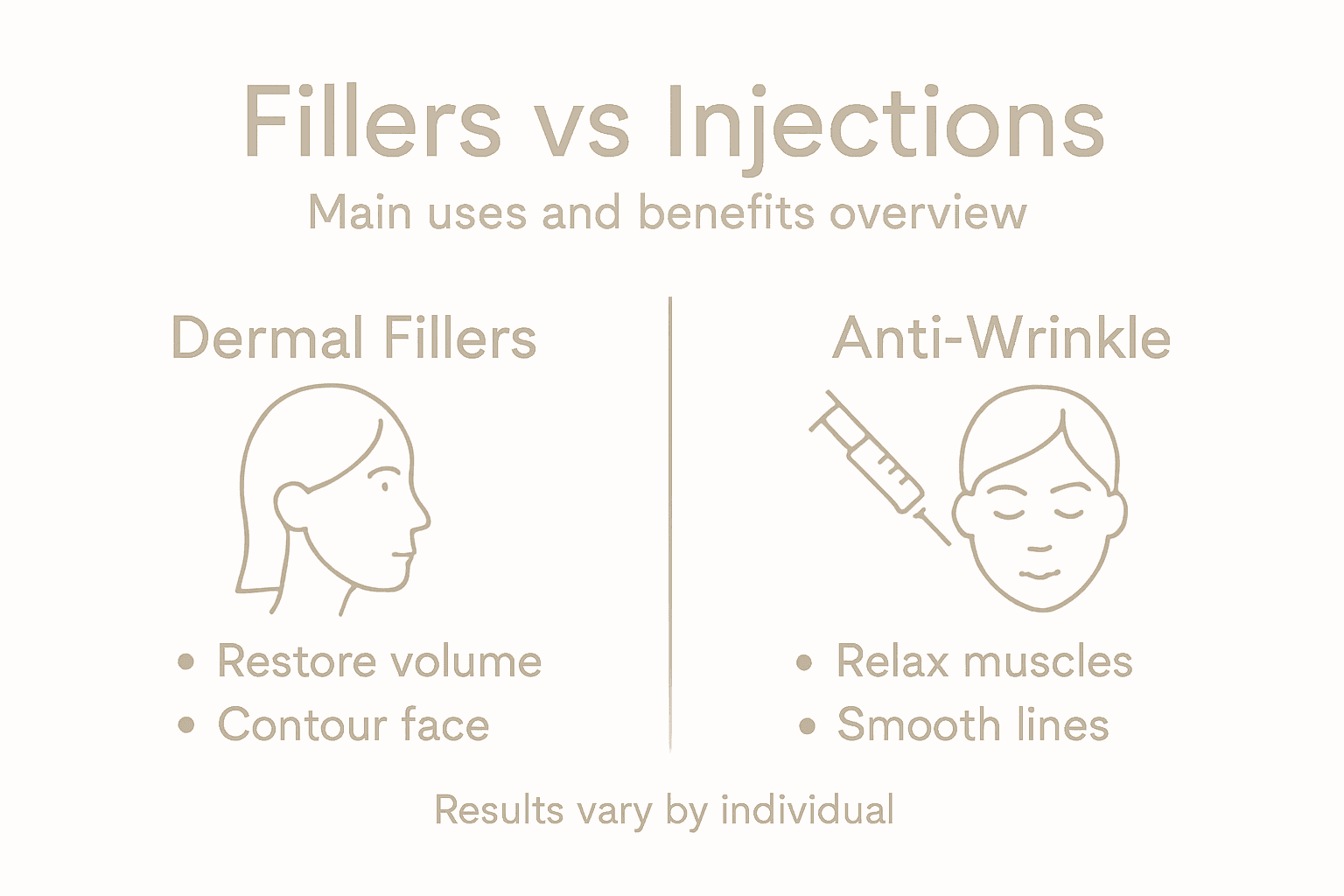
Dermal fillers operate through complex volume restoration mechanisms, utilizing specialized substances that interact dynamically with human tissue. These injectable treatments typically involve two primary categories of materials:
- Hyaluronic acid fillers: Provide immediate volume and hydration
- Calcium hydroxyapatite fillers: Stimulate long-term collagen production
- Poly-L-lactic acid fillers: Gradually rebuild skin’s structural framework
Anti-wrinkle injections function by strategically targeting muscle activity, temporarily modulating facial muscle contractions to reduce the formation of dynamic wrinkles. Precise anatomical understanding governs effective injectable treatments, requiring practitioners to possess deep knowledge of facial muscle groups and their interactions.
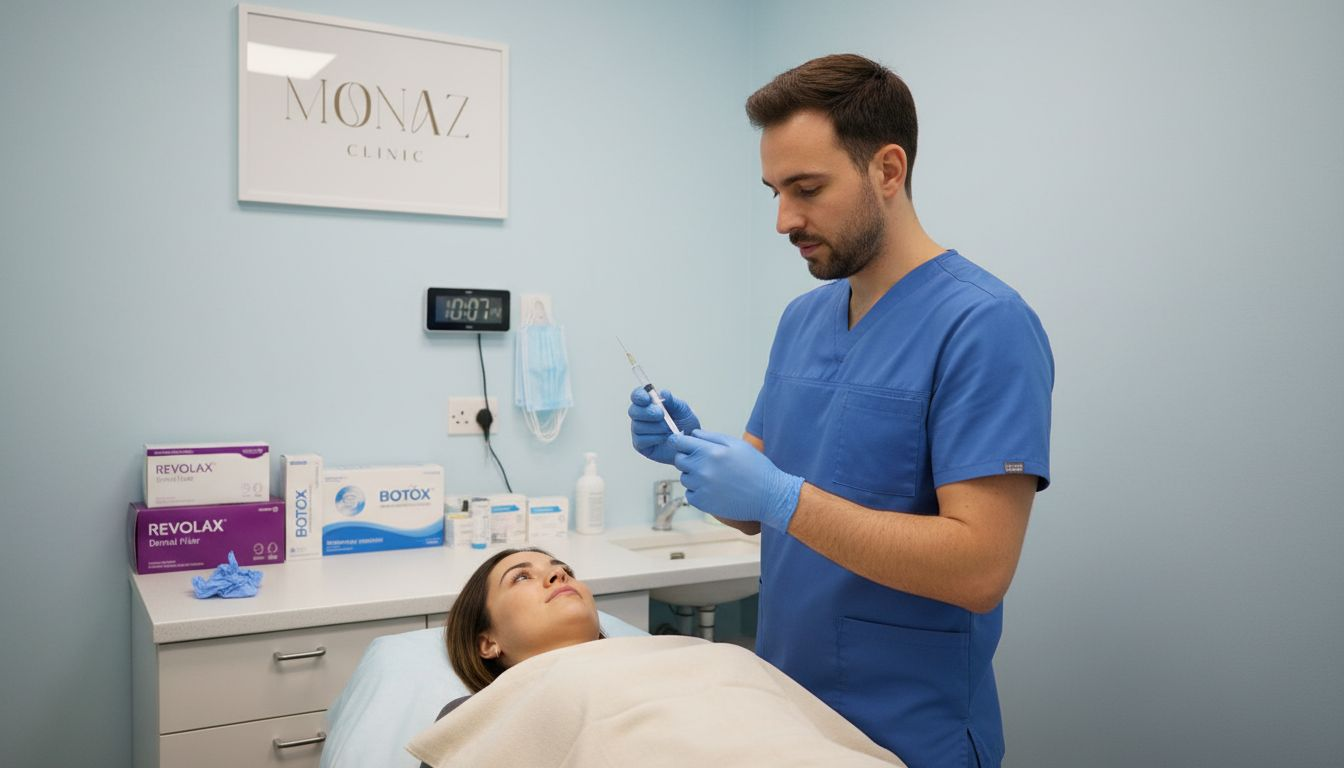
The biological mechanism of these treatments involves sophisticated molecular interactions. Hyaluronic acid fillers attract and retain moisture, creating immediate volumetric enhancement, while calcium-based alternatives stimulate the body’s natural collagen production. Anti-wrinkle injections containing botulinum toxin temporarily interrupt nerve signals to specific muscle groups, preventing repetitive contractions that cause wrinkle formation.
To clarify the main types of injectable treatments used in facial rejuvenation, here’s a concise comparison:
| Treatment Type | Primary Action | Typical Duration | Common Target Areas |
|---|---|---|---|
| Dermal Fillers | Restore volume, stimulate collagen | 6–18 months | Cheeks, lips, jawline |
| Anti-wrinkle Injections | Reduce muscle movement, smooth lines | 3–6 months | Forehead, crow’s feet, neck |
| Collagen Stimulators | Gradual structural improvement | 12–24 months | Facial contours, deep folds |
Key Scientific Principles:
- Precise targeting of specific facial anatomical regions
- Understanding molecular interactions with human tissue
- Recognising individual variation in treatment response
- Balancing immediate and long-term aesthetic outcomes
Successful aesthetic interventions require a nuanced understanding of facial anatomy, individual skin characteristics, and advanced injectable techniques.
Pro tip: Always seek treatments from medically qualified professionals who can provide personalised assessments based on your unique facial structure and aesthetic goals.
Treatment areas and realistic results
Facial rejuvenation treatments offer a nuanced approach to addressing age-related changes, targeting specific anatomical regions with precision and care. Non-surgical interventions provide subtle, natural-looking enhancements that restore youthful characteristics without dramatic transformations.
Treatment Areas for Dermal Fillers include multiple facial regions:
- Cheeks: Restore lost volume and provide structural support
- Tear Troughs: Reduce under-eye hollowness and dark circles
- Lips: Enhance shape, volume, and symmetry
- Jawline: Define contours and improve facial balance
- Nasolabial Folds: Soften lines around the nose and mouth
Anti-wrinkle injection target zones focus on dynamic muscle groups responsible for repetitive facial movements:
- Forehead horizontal lines
- Crow’s feet around eye areas
- Vertical frown lines between eyebrows
- Bunny lines along nose bridge
- Neck bands and platysmal lines
Dermal filler treatments address multiple facial concerns, providing volume restoration and subtle contouring. Realistic expectations are crucial – treatments offer gradual improvements lasting several months, with results varying based on individual skin characteristics and chosen injectable type.
Successful aesthetic interventions balance scientific precision with artistic understanding of individual facial anatomy.
Realistic Result Expectations:
- Subtle, natural-looking enhancements
- Temporary improvements lasting 6-18 months
- Individual variation in treatment response
- Gradual, progressive rejuvenation
Pro tip: Prioritise consultation with medically qualified practitioners who can provide personalised assessments tailored to your unique facial structure and aesthetic goals.
Procedure steps, aftercare, and safety protocols
Aesthetic injectable treatments demand meticulous preparation, precise execution, and comprehensive patient care. Professional safety protocols underpin every successful cosmetic intervention, ensuring patient well-being and optimal treatment outcomes.
Pre-Treatment Assessment Process:
- Comprehensive medical history review
- Facial anatomy evaluation
- Discussion of aesthetic goals
- Identification of potential contraindications
- Personalised treatment planning
Procedural Steps for Injectable Treatments:
- Clinical consultation and consent
- Facial mapping and markings
- Skin cleansing and disinfection
- Precise injection technique
- Immediate post-treatment assessment
Dermal filler procedures require rigorous clinical preparation, including strict aseptic techniques and careful product selection. Practitioners must maintain exceptional standards of hygiene and professional conduct throughout the treatment process.
Aftercare Recommendations:
- Avoid strenuous physical activity for 24-48 hours
- Minimise direct sunlight exposure
- Refrain from touching treated areas
- Apply recommended cooling techniques
- Stay hydrated
Successful treatments balance scientific precision with individual patient care and professional expertise.
Safety Considerations:
- Continuous monitoring for potential complications
- Emergency management protocols
- Clear communication of potential risks
- Documented informed consent
- Follow-up consultation scheduling
Pro tip: Request a comprehensive written aftercare guide from your practitioner and maintain open communication about any post-treatment concerns or unexpected reactions.
Risks, common misconceptions, and legal compliance in the UK
Cosmetic injectable treatments in the United Kingdom are subject to increasingly rigorous regulatory frameworks designed to protect patient safety and ensure professional standards. The government is actively developing comprehensive licensing regimes to mitigate potential risks associated with aesthetic procedures.
Common Misconceptions about Aesthetic Treatments:
- All procedures are completely risk-free
- Any practitioner can perform injectable treatments
- Results are permanent and guaranteed
- Minimal qualifications are required for treatment delivery
- Side effects are always predictable and manageable
Potential Risks in Cosmetic Interventions:
Understanding potential risks and safeguards helps ensure safer treatment outcomes:
| Risk Type | Possible Impact | Key Safeguard |
|---|---|---|
| Infection | Redness, swelling, discomfort | Strict hygiene and sterility |
| Allergic Reaction | Rash, itching, swelling | Pre-treatment allergy screening |
| Asymmetry | Uneven appearance | Skilled practitioner selection |
| Vascular Complication | Tissue damage, discolouration | Emergency protocols, expertise |
- Infection at injection sites
- Allergic reactions
- Asymmetrical results
- Vascular complications
- Temporary or permanent tissue damage
- Unintended aesthetic outcomes
Legal frameworks emphasise practitioner accountability and require transparent communication about potential treatment risks. Practitioners must provide comprehensive informed consent, detailing potential complications and individual risk factors.
Legal Compliance Requirements:
- Accredited professional training
- Current medical certifications
- Comprehensive insurance coverage
- Adherence to ethical practice codes
- Transparent consultation processes
- Documented patient consent
Regulatory standards protect patients by ensuring only qualified professionals deliver aesthetic treatments.
Patient Protection Strategies:
- Verify practitioner credentials
- Request comprehensive medical consultations
- Understand potential risks and complications
- Maintain realistic treatment expectations
- Prioritise safety over cost
Pro tip: Always request to see your practitioner’s professional qualifications and request detailed information about their experience in performing specific aesthetic treatments.
Discover the Power of Natural Facial Rejuvenation at Monaz Clinic
Understanding the difference between dermal fillers and anti-wrinkle injections is essential for anyone seeking to restore their youthful appearance without compromising natural expressions. If you are concerned about fine lines, volume loss, or dynamic wrinkles, Monaz Clinic offers bespoke, medically-led solutions designed specifically for women who value subtle, natural enhancements over drastic changes. Our treatments respect your facial anatomy and aim to refresh rather than freeze, addressing common challenges like crow’s feet, forehead lines, and lost cheek volume with precision and care.

Take the first step towards rejuvenating your skin with confidence. Book your complimentary consultation at our private clinic located at 96 Harley Street, London, where expert care and personalised treatment plans await. Learn more about Dermal Fillers and Anti-Wrinkle Injections or explore how our Skin Boosters and Polynucleotides can enhance your natural beauty. Visit Monaz Clinic today to start your journey to a revitalised, harmonious look.
Frequently Asked Questions
What is the difference between dermal fillers and anti-wrinkle injections?
Dermal fillers are primarily used to restore volume and enhance facial contours, while anti-wrinkle injections reduce muscle movement to smooth out wrinkles. Both treatments serve different purposes in facial rejuvenation.
How long do the effects of dermal fillers and anti-wrinkle injections last?
Dermal fillers typically last between 6 to 18 months, depending on the specific product used, while anti-wrinkle injections generally provide results for 3 to 6 months.
Are dermal fillers or anti-wrinkle injections better for someone in their 30s?
Both treatments can be beneficial for individuals in their 30s. Dermal fillers can enhance volume for a youthful look, while anti-wrinkle injections help prevent the formation of dynamic wrinkles. A consultation with a qualified professional can help determine the best option.
Are there any risks associated with using dermal fillers or anti-wrinkle injections?
Yes, potential risks include infection, allergic reactions, and asymmetrical results. Seeking treatment from qualified professionals and discussing these risks during consultations can help minimise complications.