
Facial contour explained for women in London. Explore types, non-surgical options, safety, and results for natural-looking enhancements.
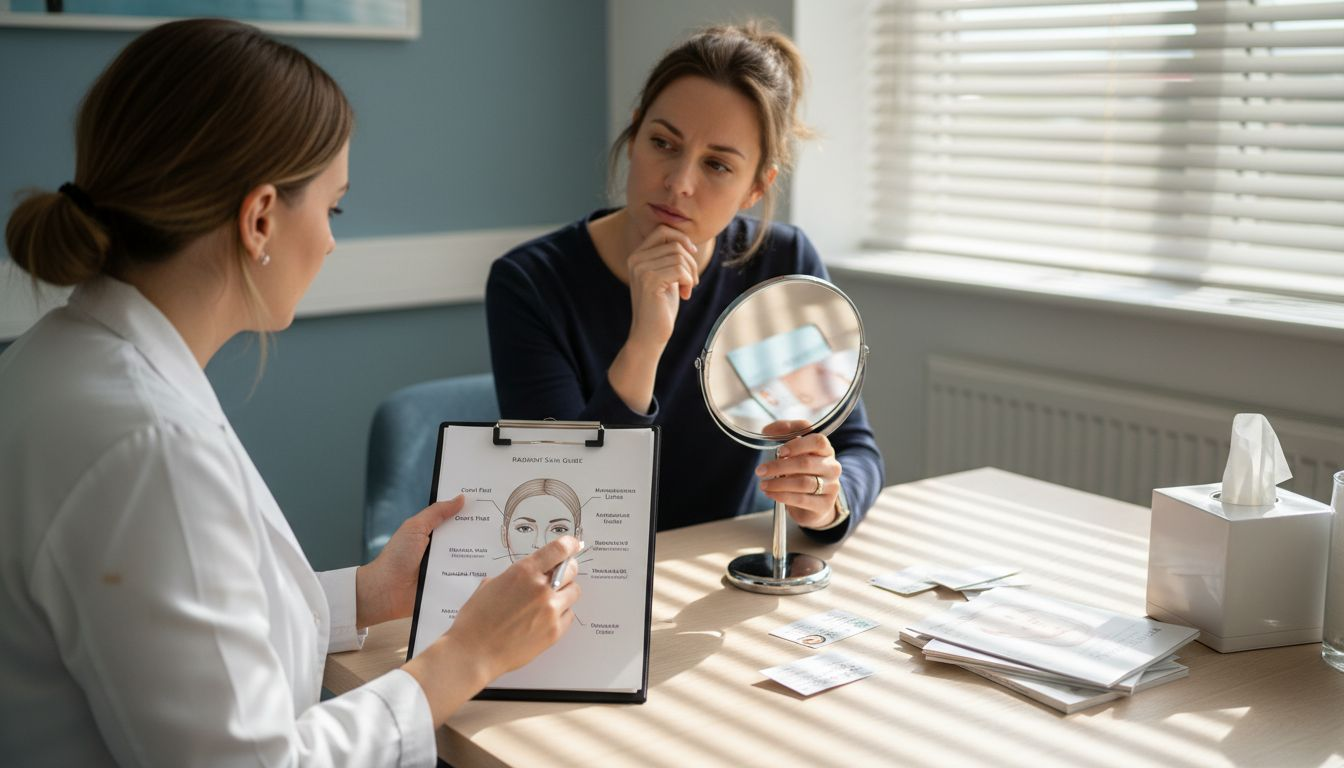
Many British adults are surprised to learn that more than 60 percent of people misunderstand what really shapes facial contour. Staying informed matters since your face is as unique as a fingerprint, shaped by more than just trends or celebrity ideals. This guide sheds light on common misconceptions and helps you discover the real factors behind individual facial architecture, so you can make confident choices about highlighting your best natural features.
Table of Contents
- Defining Facial Contour And Common Misconceptions
- Types Of Facial Shapes And Their Characteristics
- Non-Surgical Strategies To Enhance Contour
- Safety Standards And Medical Oversight In The UK
- Risks, Limitations, And Choosing The Right Clinic
Key Takeaways
| Point | Details |
|---|---|
| Understanding Facial Contours | Facial contours are unique to each individual, characterised by distinct elements like jawline and cheekbone structure. Professional assessments are essential for personalised recommendations. |
| Seven Facial Shapes | Recognising the seven primary facial shapes helps in identifying unique characteristics that influence aesthetic choices. Each shape has specific features that can be enhanced through styling. |
| Non-Surgical Enhancement Techniques | Makeup and hairstyling can effectively enhance facial contours without surgery, allowing individuals to achieve desired aesthetics non-invasively. Consulting a professional is advised for personalised strategies. |
| Safety and Practitioner Credentials | Ensuring practitioner qualifications and clinic standards is crucial for safe aesthetic procedures. Always verify the professional credentials before undergoing any treatment. |
Defining Facial Contour and Common Misconceptions
Facial contour represents the unique architectural structure of an individual’s face, encompassing critical elements like jawline definition, cheekbone prominence, and overall facial proportions. Understanding individual facial proportions requires recognising that each person’s facial landscape is distinctively composed, with nuanced angles and structural characteristics.
Contrary to widespread misconceptions, facial contours are not uniform or generically categorisable. While some might believe standard beauty templates apply universally, professional aesthetic practitioners understand that facial shape involves intricate variations. Professional assessment reveals that facial contours involve complex interactions between bone structure, soft tissue, and muscular composition.
Key elements defining facial contour include:
- Jawline definition
- Cheekbone prominence
- Forehead width
- Overall facial symmetry
- Soft tissue volume
- Bone structure angles
Pro Tip: Personalised Assessment: Always consult a professional aesthetic practitioner who can provide a detailed, individualised analysis of your unique facial contours, ensuring recommendations tailored precisely to your specific anatomical structure.
Types of Facial Shapes and Their Characteristics
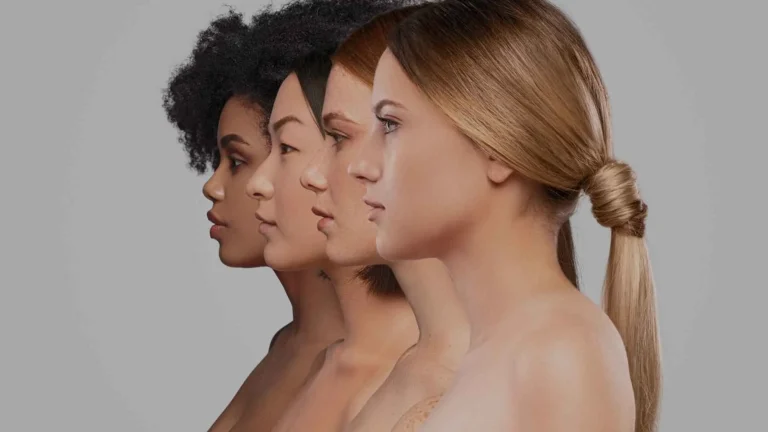
Understanding facial shape diversity reveals seven primary categories that capture the intricate variations in human facial structure. These shapes are not merely aesthetic classifications but provide insights into individual genetic characteristics and proportional relationships between facial features.
The seven fundamental facial shapes include oval, round, rectangular, square, triangular, diamond, and heart-shaped. Each shape possesses unique structural characteristics that influence overall facial aesthetics. Comprehensive analysis reveals nuanced differences in bone structure, cheek prominence, and jaw definition across these categories.
Detailed characteristics of each facial shape include:
- Oval: Balanced proportions, slightly wider forehead, gently rounded jawline
- Round: Full cheeks, soft angles, width and length nearly equal
- Rectangular: Elongated face, strong jawline, defined vertical lines
- Square: Sharp angular features, pronounced jawline, equal width and length
- Triangular: Wide jaw tapering to narrow forehead
- Diamond: Prominent cheekbones, narrow forehead and chin
- Heart-shaped: Broader forehead, narrow pointed chin
Pro Tip: Personal Contour Analysis: Consider consulting a professional aesthetic practitioner who can provide personalised insights into your specific facial shape, helping you understand how to enhance your natural features most effectively.
Here is a comparison of facial shapes and the hairstyle approaches that can best complement each one:
| Facial Shape | Flattering Hairstyle Approach | Rationale |
|---|---|---|
| Oval | Most styles suit, experiment freely | Balanced shape allows versatility |
| Round | Long layers, off-centre parting | Adds length, reduces roundness |
| Rectangular | Soft waves, curtain fringe | Softens angles, shortens face visually |
| Square | Textured, layered cuts | Breaks up angular jawline |
| Triangular | Volume at temples, side fringe | Balances wide jaw, narrows lower face |
| Diamond | Chin-length bobs, deep side part | Highlights cheekbones, softens angles |
| Heart-shaped | Side-swept fringe, wavy lengths | Softens forehead, balances pointed chin |
Non-Surgical Strategies to Enhance Contour
Makeup techniques offer sophisticated approaches to enhancing facial contours without invasive procedures. By strategically applying shading and highlighting, individuals can create the illusion of refined facial structure, emphasising natural bone structure and creating visual dimension that complements individual facial characteristics.
Hairstyle selection represents another powerful non-surgical method for transforming facial contours. Different hair techniques can dramatically alter perceived facial proportions, with specific styles designed to elongate, soften, or balance specific facial shapes. This approach allows for dynamic transformation without permanent physical modification.
Non-surgical contour enhancement strategies include:
- Makeup Contouring
- Strategic shading techniques
- Highlighting cheekbones
- Creating depth and dimension
- Hairstyling
- Layered cuts to elongate features
- Volume placement to balance proportions
- Fringe and side-part techniques
- Accessorising
- Earrings that complement face shape
- Glasses frames that balance facial structure
- Necklines that enhance natural contours
Pro Tip: Personalised Consultation: Always seek professional guidance to understand which non-surgical techniques best complement your unique facial structure and personal aesthetic goals.
The table below outlines key differences between non-surgical and surgical facial contour enhancements:
| Enhancement Type | Typical Results Duration | Invasiveness | Common Recovery Time |
|---|---|---|---|
| Non-surgical | Temporary (hours–days) | Minimal, pain-free | Immediate to 1 day |
| Surgical | Permanent/long-lasting | Invasive, requires anaesthesia | Several days to weeks |
Safety Standards and Medical Oversight in the UK
Comprehensive medical regulations in the United Kingdom provide robust protection for individuals seeking cosmetic treatments, ensuring patients receive high-quality, safe aesthetic interventions. The regulatory framework encompasses stringent guidelines that mandate practitioners maintain exceptional professional standards, qualifications, and ethical practices.
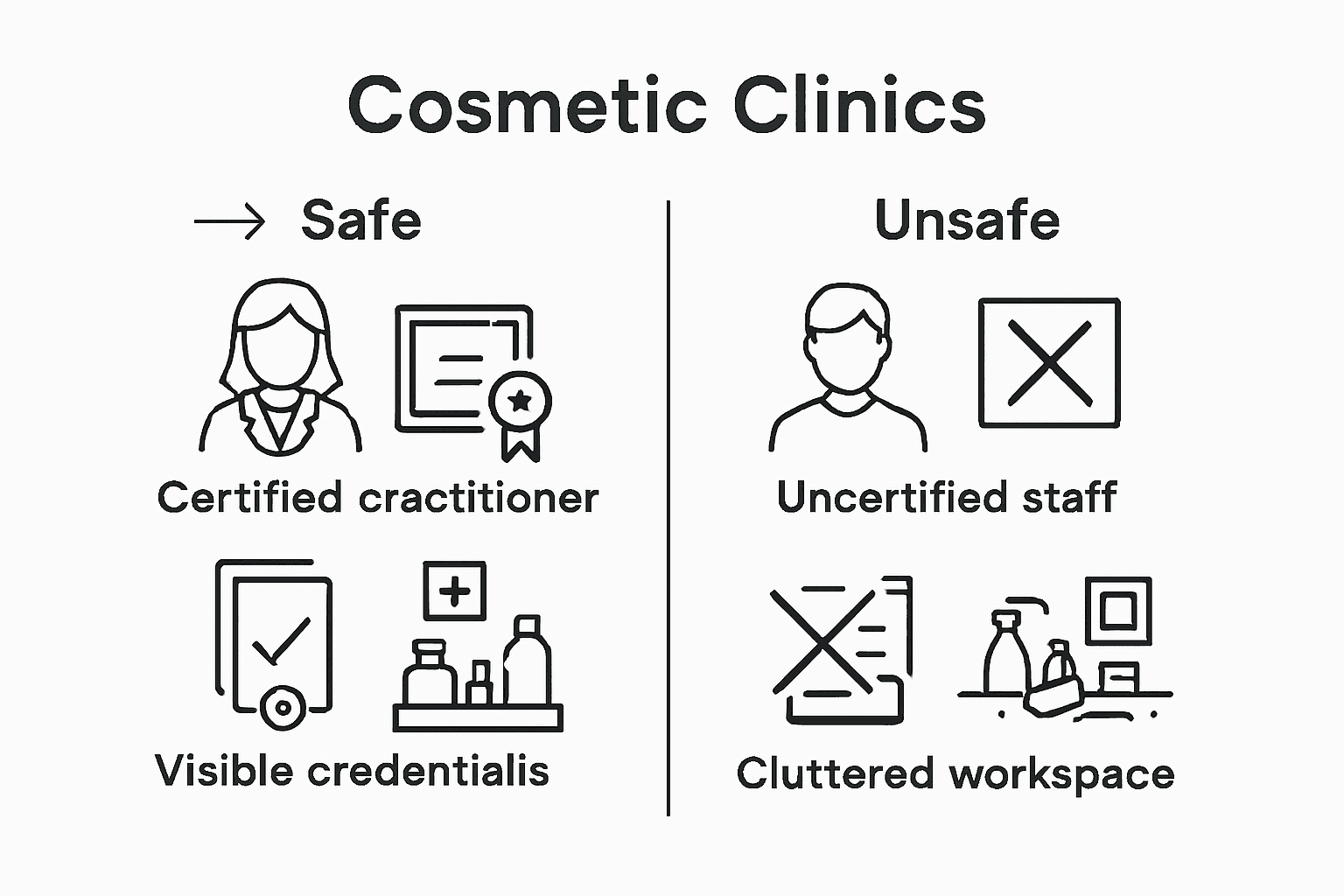
The UK’s medical oversight system distinguishes itself through multilayered safety protocols. Professional bodies like the General Medical Council (GMC), Care Quality Commission (CQC), and specialty aesthetic associations collaborate to establish rigorous standards for practitioner registration, ongoing training, and patient safety. These organisations implement comprehensive background checks, continuing professional development requirements, and strict ethical guidelines that practitioners must consistently meet.
Key safety considerations in UK aesthetic medicine include:
- Practitioner Qualifications
- GMC registered medical professionals
- Verified specialist training credentials
- Ongoing professional development
- Treatment Standards
- Comprehensive patient consultations
- Detailed medical history assessments
- Informed consent processes
- Clinical Environment
- Regulated clinical facilities
- Sterile treatment protocols
- Emergency preparedness
Pro Tip: Professional Verification: Always request and independently verify a practitioner’s professional credentials, including GMC registration and specialty aesthetic qualifications, before undertaking any cosmetic procedure.
Risks, Limitations, and Choosing the Right Clinic
Selecting an appropriate aesthetic clinic requires comprehensive understanding of potential risks and precise evaluation of professional credentials. Understanding the nuanced landscape of facial aesthetic treatments demands meticulous research and a discerning approach to identifying clinically superior practitioners who prioritise patient safety and personalised outcomes.
Facial contour procedures encompass inherent limitations that patients must carefully consider. While transformative techniques can enhance natural features, individual physiological variations mean results are never entirely predictable. Potential risks include temporary swelling, asymmetry, unexpected healing responses, and rare instances of more significant complications that underscore the critical importance of choosing medically qualified professionals with extensive expertise.
Key considerations when selecting an aesthetic clinic include:
- Practitioner Qualifications
- GMC registered medical professionals
- Specialised aesthetic training certifications
- Demonstrated track record of successful treatments
- Clinical Standards
- Sterile, regulated treatment environments
- Comprehensive initial consultation processes
- Transparent discussion of potential risks
- Patient Safety Protocols
- Detailed medical history assessments
- Personalised treatment planning
- Clear post-procedure care instructions
- Emergency intervention capabilities
Pro Tip: Professional Screening: Request comprehensive documentation of a clinic’s medical credentials, review independent patient testimonials, and schedule an initial consultation to personally assess the practitioner’s expertise and communication approach.
Discover Your Unique Facial Contour with Expert Care
Understanding the intricate balance of your facial contour can feel overwhelming. You might be seeking ways to enhance your jawline, soften angles, or highlight cheekbones while ensuring natural and harmonious results. Whether it is mastering the art of personalised facial shape analysis or exploring non-surgical contour enhancement, addressing these specific challenges requires skilled, medically grounded support. At Monaz Clinic, we blend expert knowledge with a caring approach to help you achieve the facial balance and confidence you deserve.
Our team, led by Mrs Mona Zirak and overseen by a GMC-registered medical doctor, provides tailored treatments designed exclusively for women who want subtle yet effective enhancements. From detailed consultations to using award-winning products, every step prioritises your unique facial structure and your safety. Learn more about these personalised techniques and beauty tips through our tips – Monaz Clinic | Facial Aesthetic Clinic in London to start your journey.
Ready to move beyond misconceptions and embrace the true potential of your facial contour? Visit us at Monaz Clinic for a complimentary, no-pressure consultation. Let our award-winning team guide you to reveal your best self with natural, lasting confidence.
Frequently Asked Questions
What are the different types of facial shapes?
The seven primary facial shapes include oval, round, rectangular, square, triangular, diamond, and heart-shaped, each with unique structural characteristics influencing overall aesthetics.
How can I improve my facial contour without surgery?
Non-surgical methods like makeup contouring, strategic hairstyling, and accessorising can enhance facial contours by creating the illusion of defined features and balanced proportions.
Why is it essential to consult a professional for facial contour analysis?
A professional aesthetic practitioner can provide a personalised assessment of your unique facial contours and recommend tailored strategies for enhancement, ensuring optimal results.
What are the risks associated with aesthetic procedures?
Potential risks of aesthetic procedures can include temporary swelling, asymmetry, unexpected healing responses, and in rare cases, more significant complications, making it vital to choose qualified practitioners.