




What is a good wrinkle filler? Learn about types, science, procedure steps, and safety in London. Discover the benefits of non-surgical options for women.

Seeing changes in your skin can make you feel less confident, especially when fine lines and loss of volume start to appear. For many women in London, non-surgical wrinkle fillers offer a way to enhance natural facial contours while managing the visible signs of ageing. Understanding the science, safety, and personalised approach behind dermal fillers can restore soft tissue volume and smooth facial wrinkles, letting you choose treatments that blend beautifully with your unique features.
Table of Contents
- Defining Wrinkle Fillers And Their Purpose
- Types Of Wrinkle Fillers And Suitability
- Science Behind Wrinkle Fillers And Ageing
- Procedure Steps And Practitioner Expertise
- Safety, Risks, And Natural Results Expectations
Key Takeaways
| Point | Details |
|---|---|
| Purpose of Wrinkle Fillers | Dermal fillers restore volume, smooth wrinkles, and improve skin hydration, serving as non-surgical solutions for facial rejuvenation. |
| Types of Fillers | Various fillers like Hyaluronic Acid and Calcium Hydroxylapatite are tailored to individual needs, addressing specific aesthetic concerns and facial areas. |
| Practitioner Skill Importance | The expertise of the practitioner is crucial in achieving natural results, as their technical skill and artistic judgement significantly influence outcomes. |
| Awareness of Risks | Understanding potential risks and side effects associated with dermal fillers is essential for informed decision-making and ensuring safe treatments. |
Defining Wrinkle Fillers and Their Purpose
Dermal fillers represent a sophisticated aesthetic solution designed to address the natural signs of ageing by restoring volume and smoothing facial contours. Soft tissue augmentation techniques have revolutionised non-surgical facial rejuvenation, offering women targeted interventions to manage age-related changes.
At their core, wrinkle fillers serve multiple critical purposes in aesthetic medicine:
- Volume Restoration: Replenishing lost soft tissue volume in areas prone to age-related depletion
- Wrinkle Reduction: Smoothing fine lines and deep folds by providing structural support
- Facial Contouring: Enhancing natural facial architecture and symmetry
- Skin Hydration: Improving overall skin texture and moisture retention
The scientific mechanism behind dermal fillers involves precisely injecting biocompatible substances beneath the skin’s surface. These substances typically include hyaluronic acid, calcium hydroxylapatite, or poly-L-lactic acid, which integrate with existing facial tissues to create a more youthful appearance.
Wrinkle fillers are not about creating an artificial look, but restoring natural volume and softening age-related changes with precision and subtlety.
Medical practitioners carefully select filler types based on specific patient needs, considering factors like skin condition, age, and desired aesthetic outcomes. The targeted approach ensures that each treatment is personalised, addressing individual concerns with nuanced, natural-looking results.
Pro tip: Always consult a medically qualified aesthetic practitioner who can assess your unique facial anatomy and recommend the most appropriate filler treatment.
Types of Wrinkle Fillers and Suitability
Dermal fillers are not a one-size-fits-all solution, but rather a nuanced range of treatments tailored to individual aesthetic needs. Understanding facial filler varieties reveals the sophisticated approach modern aesthetic medicine takes in addressing age-related concerns.
The primary types of wrinkle fillers include:
- Hyaluronic Acid Fillers: Ideal for temporary volume restoration and hydration
- Calcium Hydroxylapatite Fillers: Best for deeper lines and stimulating natural collagen production
- Poly-L-Lactic Acid Fillers: Designed for gradual volume replacement and long-term skin rejuvenation
- Polymethylmethacrylate (PMMA) Fillers: Permanent solutions for significant volume loss
Each filler type offers unique characteristics that make them suitable for different facial areas and aesthetic goals. Hyaluronic acid fillers, for instance, are incredibly versatile and work exceptionally well for delicate areas like lips and fine lines around the mouth. Calcium hydroxylapatite fillers provide more robust structural support, making them perfect for deeper nasolabial folds and cheek augmentation.
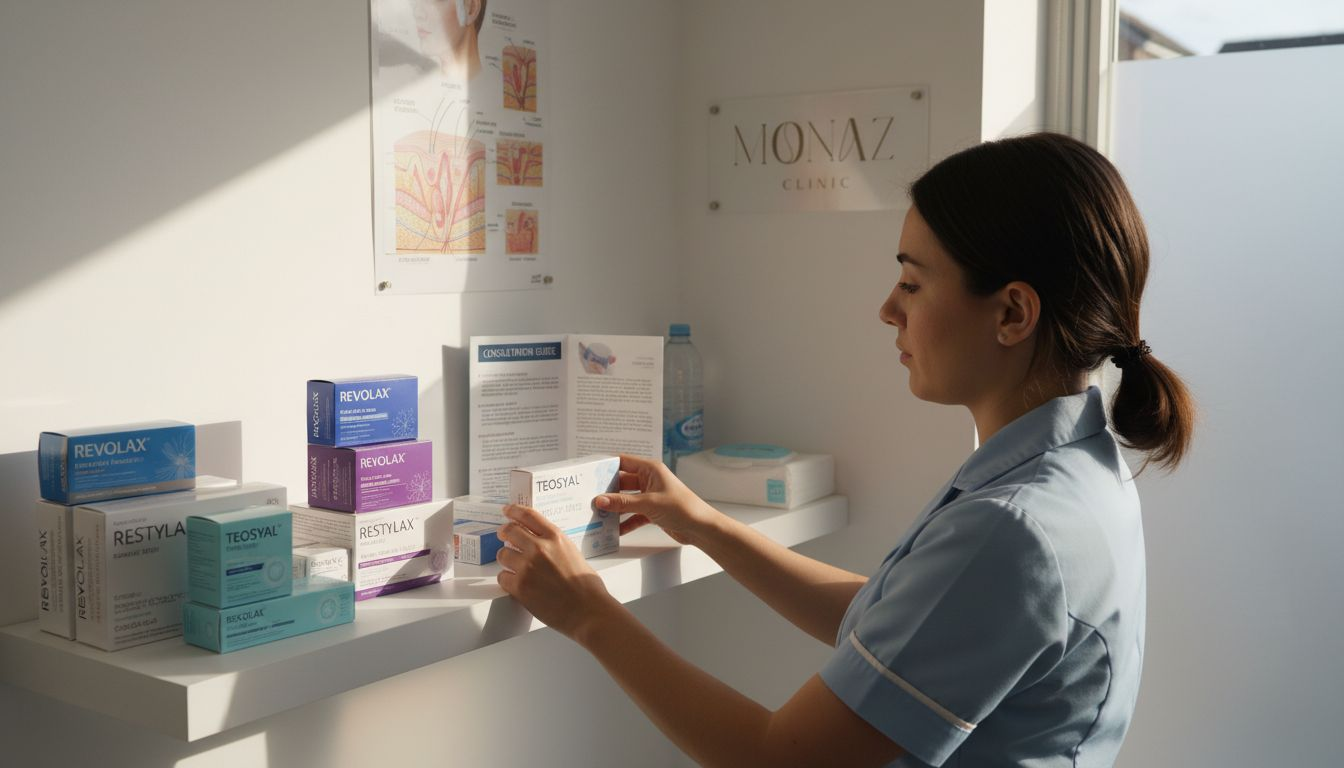
The table below compares the primary types of wrinkle fillers by composition, duration, and typical use case:
| Filler Type | Core Ingredient | Longevity | Best Suited For |
|---|---|---|---|
| Hyaluronic Acid | Hyaluronic acid | 6–18 months | Subtle volume and hydration |
| Calcium Hydroxylapatite | Calcium-based microspheres | Up to 12 months | Deep folds and contours |
| Poly-L-Lactic Acid | Poly-L-lactic acid | Up to 2 years | Gradual, overall rejuvenation |
| Polymethylmethacrylate | PMMA microspheres | Permanent | Significant volume loss |
The art of selecting the right wrinkle filler lies in understanding individual skin characteristics, age-related changes, and desired aesthetic outcomes.
The suitability of a specific filler depends on multiple factors, including skin type, age, desired result, and individual facial anatomy. Younger patients might benefit from lighter, more hydrating formulations, while those experiencing significant volume loss might require more robust, collagen-stimulating options.
Pro tip: Always undergo a comprehensive facial assessment with a qualified aesthetic practitioner to determine the most appropriate filler type for your unique facial structure and aesthetic goals.
Science Behind Wrinkle Fillers and Ageing
The biological process of ageing involves complex cellular changes that significantly impact skin structure and appearance. Understanding dermal filler technologies reveals how modern aesthetic medicine addresses these intricate physiological transformations.
Key scientific mechanisms underlying skin ageing include:
- Collagen Depletion: Reduced natural protein production leading to decreased skin elasticity
- Hyaluronic Acid Reduction: Diminished moisture retention and volume support
- Cellular Metabolism Slowdown: Decreased cellular regeneration and repair processes
- Oxidative Stress: Increased free radical damage affecting skin cell structures
At the cellular level, wrinkle fillers work through sophisticated biomechanical interactions. Hyaluronic acid-based fillers, for instance, not only provide immediate volume but also stimulate the skin’s natural hydration mechanisms. They integrate with existing tissue, creating a scaffold that supports cellular regeneration and temporarily reverses age-related volume loss.
Aesthetic science represents a delicate balance between understanding biological ageing processes and developing targeted interventions that respect the skin’s natural architecture.
The biochemical composition of advanced dermal fillers enables them to mimic the skin’s natural structural proteins. By introducing biocompatible substances that interact harmoniously with existing tissue, these treatments can effectively manage the visible signs of ageing without compromising the skin’s inherent biological functions.
Pro tip: Consult with a medically qualified practitioner who can provide a comprehensive assessment of your skin’s unique biochemical characteristics and recommend personalised rejuvenation strategies.
Procedure Steps and Practitioner Expertise
The wrinkle filler procedure demands extraordinary precision and scientific understanding. Sophisticated injection techniques require in-depth knowledge of facial anatomy and nuanced aesthetic principles.
Key procedural steps include:
- Initial Consultation: Comprehensive facial assessment and treatment planning
- Patient Preparation: Cleansing treatment area and applying topical anaesthetic
- Precise Mapping: Identifying optimal injection sites using anatomical landmarks
- Strategic Injection: Carefully administering filler using specific techniques
- Post-Procedure Evaluation: Assessing immediate results and potential refinements
Practitioner expertise is fundamental in navigating the complex landscape of dermal treatments. Skilled professionals meticulously evaluate individual facial structures, understanding how different injection depths and techniques can produce varied aesthetic outcomes. They must consider factors like skin elasticity, bone structure, and natural facial movement to ensure harmonious, natural-looking results.
The difference between an exceptional and mediocre wrinkle filler treatment lies in the practitioner’s technical skill and artistic vision.
The injection process itself involves multiple sophisticated techniques, including linear threading, cross-hatching, and serial puncture methods. Each approach requires intimate understanding of tissue interaction, filler rheology, and potential biomechanical responses. Practitioners must continuously adapt their technique to individual patient characteristics, ensuring safe and predictable outcomes.
Here is a summary of key practitioner skills influencing safe and natural wrinkle filler outcomes:
| Practitioner Skill | Impact on Treatment | Why It Matters |
|---|---|---|
| Anatomical expertise | Guides precise injections | Reduces risk of side effects |
| Artistic judgement | Ensures natural appearance | Avoids artificial results |
| Technical proficiency | Delivers even distribution | Enhances safety and longevity |
| Communication | Clarifies patient goals | Aligns expectations and outcomes |
Pro tip: Request to view a practitioner’s before-and-after portfolio and verify their medical qualifications to ensure you receive the highest standard of professional care.
Safety, Risks, and Natural Results Expectations
Dermal filler treatments offer transformative aesthetic possibilities, but understanding their potential risks is crucial for informed decision-making. Comprehensive safety assessment reveals that while complications are rare, patient awareness and practitioner expertise are paramount.
Potential risks associated with wrinkle fillers include:
- Inflammation: Temporary skin redness and swelling
- Infection: Rare but possible bacterial complications
- Bruising: Minor localised tissue discolouration
- Asymmetry: Uneven filler distribution requiring correction
- Vascular Occlusion: Extremely rare but serious potential complication
Natural results hinge on selecting a highly skilled practitioner who understands facial anatomy and can create subtle, harmonious enhancements. The goal is not to dramatically alter appearance, but to restore volume and smooth fine lines while maintaining individual facial characteristics.
True aesthetic excellence lies in creating results so natural that they remain undetectable to the casual observer.
Most side effects are transient and manageable, typically resolving within days or weeks. Practitioners mitigate risks through meticulous technique, comprehensive patient screening, and using high-quality, approved dermal filler substances. Patient selection, precise injection methods, and understanding individual facial structures are critical in achieving safe, predictable outcomes.
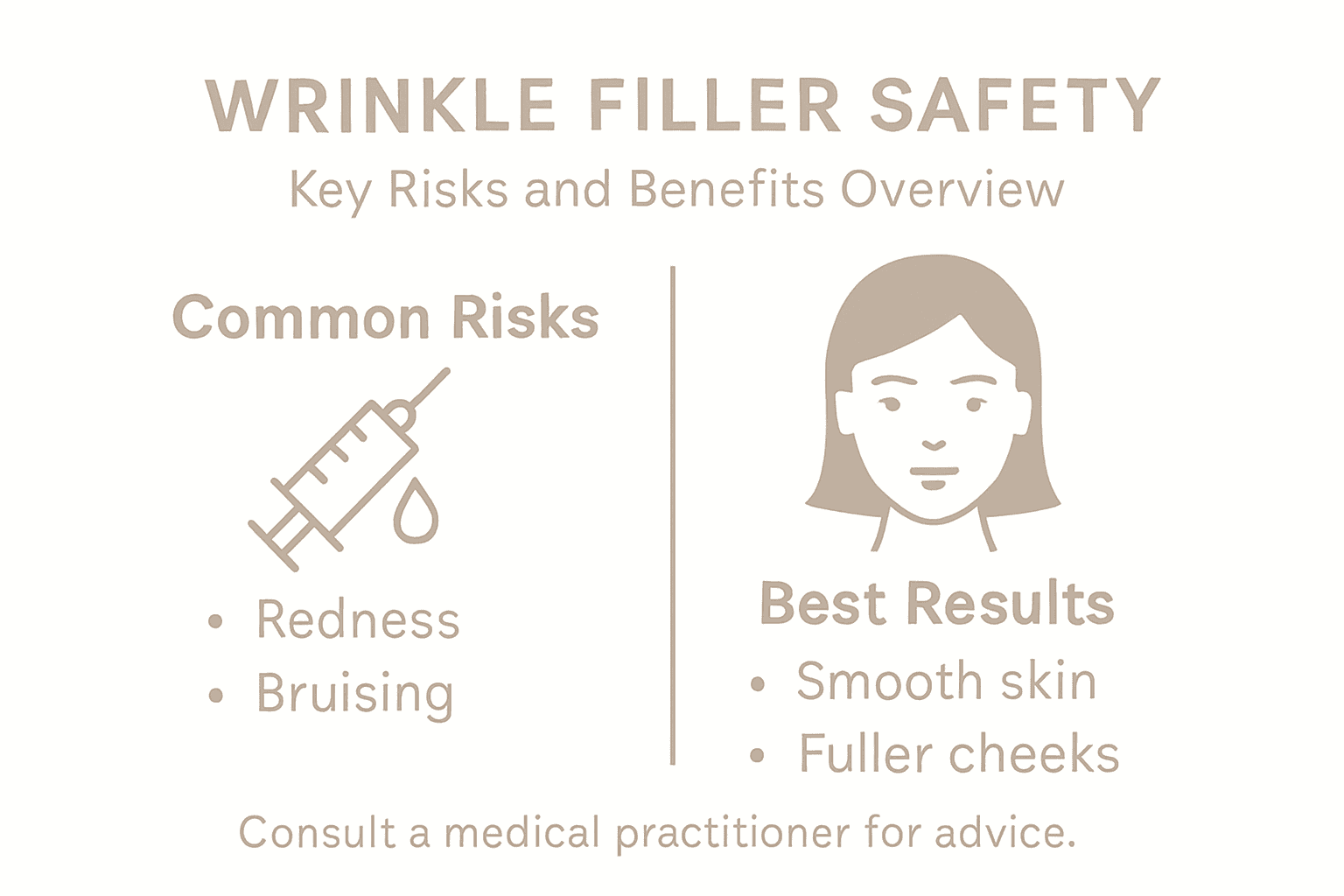
Pro tip: Request a detailed consultation that includes a thorough medical history review and discuss potential risks transparently before proceeding with any treatment.
Discover the Ideal Wrinkle Filler Solution for a Naturally Youthful Look
Many women searching for wrinkle fillers face the challenge of choosing treatments that restore volume and smooth lines without creating an unnatural appearance. This article highlights the importance of selecting biocompatible substances like hyaluronic acid and calcium hydroxylapatite to achieve subtle, harmonious results that respect your facial anatomy. If you want to address concerns such as nasolabial folds or volume loss while maintaining your natural beauty, understanding the treatment options and expert injection techniques is crucial.
At Monaz Clinic, we specialise exclusively in women’s non-surgical facial rejuvenation, combining medical expertise with an artistic approach to enhance your natural features. Our treatments, including advanced dermal fillers tailored for individual needs, ensure a personalised plan that revitalises your skin with precision and care. Learn more about skincare and rejuvenation best practices on our tips – Monaz Clinic | Facial Aesthetic Clinic in London page.

Ready to take the next step towards a refreshed and natural appearance? Start with a complimentary consultation at our central London clinic where we listen closely to your goals and design a bespoke wrinkle filler strategy for you. Visit Monaz Clinic today and experience expert care that honours your unique beauty with subtle, lasting results.
Frequently Asked Questions
What is the purpose of wrinkle fillers?
Wrinkle fillers are designed to restore volume, reduce wrinkles, enhance facial contours, and improve skin hydration by injecting biocompatible substances beneath the skin’s surface.
What types of wrinkle fillers are available?
The primary types of wrinkle fillers include hyaluronic acid fillers, calcium hydroxylapatite fillers, poly-L-lactic acid fillers, and polymethylmethacrylate (PMMA) fillers, each suited for different areas and aesthetic goals.
How long do the effects of wrinkle fillers last?
The longevity of wrinkle fillers varies by type: hyaluronic acid fillers last 6–18 months, calcium hydroxylapatite fillers up to 12 months, poly-L-lactic acid fillers up to 2 years, and PMMA fillers are permanent solutions.
What should I discuss with my practitioner before getting filler injections?
Before treatment, it is essential to have a comprehensive facial assessment with your practitioner to discuss your skin type, medical history, desired outcomes, and potential risks associated with the procedure.
Recommended
- Understanding What is the Best Treatment for Wrinkles – Monaz Clinic London
- Understanding What is the Best Treatment for Wrinkles – Monaz Clinic London
- Best Facial Wrinkle Treatments for Women in London – Monaz Clinic London
- Understanding the Benefits of Dermal Fillers for Facial Aesthetics – Monaz Clinic London