




How long dermal fillers last, factors influencing their longevity, treatment areas, body metabolism, and effective maintenance for long-lasting, natural results.

Looking in the mirror and noticing subtle changes in your face can feel surprisingly personal. For women across London, the decision to consider natural-looking dermal fillers is often about wanting refreshed confidence while still appearing like yourself. Understanding how these advanced injectable treatments restore lost volume and support your skin can make the process feel much less daunting. This guide breaks down what dermal fillers are, how they work, and how they offer gentle, tailored results for first-time aesthetic patients.
Table of Contents
- What Are Dermal Fillers And How They Work
- Types Of Dermal Fillers And Treatment Areas
- What Determines How Long Fillers Last
- The Science Behind Filler Longevity
- Safety, Maintenance, And Result Preservation
Key Takeaways
| Point | Details |
|---|---|
| Understanding Dermal Fillers | Dermal fillers are injectable treatments that restore facial volume and contour, addressing age-related skin changes. Key types include Hyaluronic Acid, Calcium Hydroxyapatite, and Poly-L-Lactic Acid, each with distinct benefits. |
| Longevity Factors | Filler duration is influenced by composition, injection technique, and individual factors like metabolism and skin health, ranging from 6 months to 5 years. |
| Consultation Importance | Always consult a qualified practitioner to ensure personalised treatment and safety, considering individual anatomy and aesthetic goals. |
| Aftercare Maintenance | Implementing a robust aftercare routine and maintaining lifestyle factors can enhance the safety and longevity of dermal fillers, ensuring optimal results. |
What Are Dermal Fillers And How They Work
Dermal fillers are advanced injectable treatments designed to restore volume, enhance facial contours, and address age-related changes in the skin. These sophisticated medical aesthetic solutions help women manage the natural signs of aging by strategically replacing lost facial volume.
Hyaluronic Acid (HA) stands out as the most common and versatile dermal filler type. This naturally occurring substance works brilliantly by:
- Attracting and retaining moisture
- Providing immediate volume restoration
- Creating smoother, more hydrated skin texture
- Supporting natural collagen production
Dermal fillers function through precise injection techniques that target specific facial areas. The primary mechanisms involve:
- Volumising depleted skin regions
- Stimulating natural collagen regeneration
- Improving skin elasticity and hydration
- Reshaping facial contours with minimal invasiveness
The scientific composition of dermal fillers varies, with each type offering unique benefits. Calcium Hydroxyapatite (CaHA) and Poly-L-Lactic Acid (PLLA) are particularly advanced formulations that not only provide immediate structural support but also stimulate long-term collagen production.
Dermal fillers represent a precise intersection of medical science and aesthetic enhancement, offering women sophisticated solutions for natural-looking rejuvenation.
Key applications of dermal fillers include addressing:
- Fine lines and wrinkles
- Lip volume and definition
- Cheek and facial contour enhancement
- Acne scar reduction
- Nose reshaping without surgical intervention
Pro tip: Always consult a medically qualified practitioner who understands facial anatomy and can personalise your treatment approach.
Types Of Dermal Fillers And Treatment Areas
Dermal fillers represent a diverse range of injectable treatments, each designed to address specific aesthetic concerns with unique scientific compositions. Hyaluronic acid (HA) and calcium hydroxylapatite (CaHA) fillers offer sophisticated solutions for facial rejuvenation and volume restoration.
Hyaluronic Acid (HA) Fillers are the most versatile dermal filler type, known for their exceptional hydrating and volumising properties. These advanced treatments can effectively target multiple areas:
- Lip enhancement and definition
- Cheek volume restoration
- Smoothing fine lines and wrinkles
- Under-eye hollows correction
- Facial contour refinement
Alternative filler types provide unique benefits for specific aesthetic goals:
- Calcium Hydroxylapatite (CaHA): Ideal for deeper wrinkles and structural support
- Poly-L-Lactic Acid (PLLA): Gradually stimulates natural collagen production
- Polymethylmethacrylate (PMMA): Offers long-lasting structural enhancement
Treatment areas for dermal fillers are remarkably comprehensive, allowing practitioners to address individual concerns with precision. These areas include:
The following table compares the main types of dermal fillers by their unique characteristics and ideal uses:
| Filler Type | Core Benefit | Typical Longevity | Most Suitable Areas |
|---|---|---|---|
| Hyaluronic Acid (HA) | Hydration and flexibility | 6–18 months | Lips, cheeks, under-eye area |
| Calcium Hydroxyapatite (CaHA) | Structural support | 12–24 months | Deeper lines, jawline, chin |
| Poly-L-Lactic Acid (PLLA) | Collagen stimulation | Up to 2–3 years | Facial volume, midface |
| Polymethylmethacrylate (PMMA) | Long-lasting enhancement | 4–5 years | Acne scars, deep wrinkles |
- Lips and perioral region
- Cheeks and midface
- Jawline and chin
- Temples
- Nose (non-surgical reshaping)
- Under-eye region
- Nasolabial folds
Advanced dermal fillers provide tailored solutions that respect each woman’s unique facial anatomy and aesthetic aspirations.
The selection of an appropriate dermal filler depends on multiple factors, including skin type, treatment area, desired outcome, and individual skin health. Consultation with a medically qualified practitioner ensures a personalised approach that delivers natural, harmonious results.
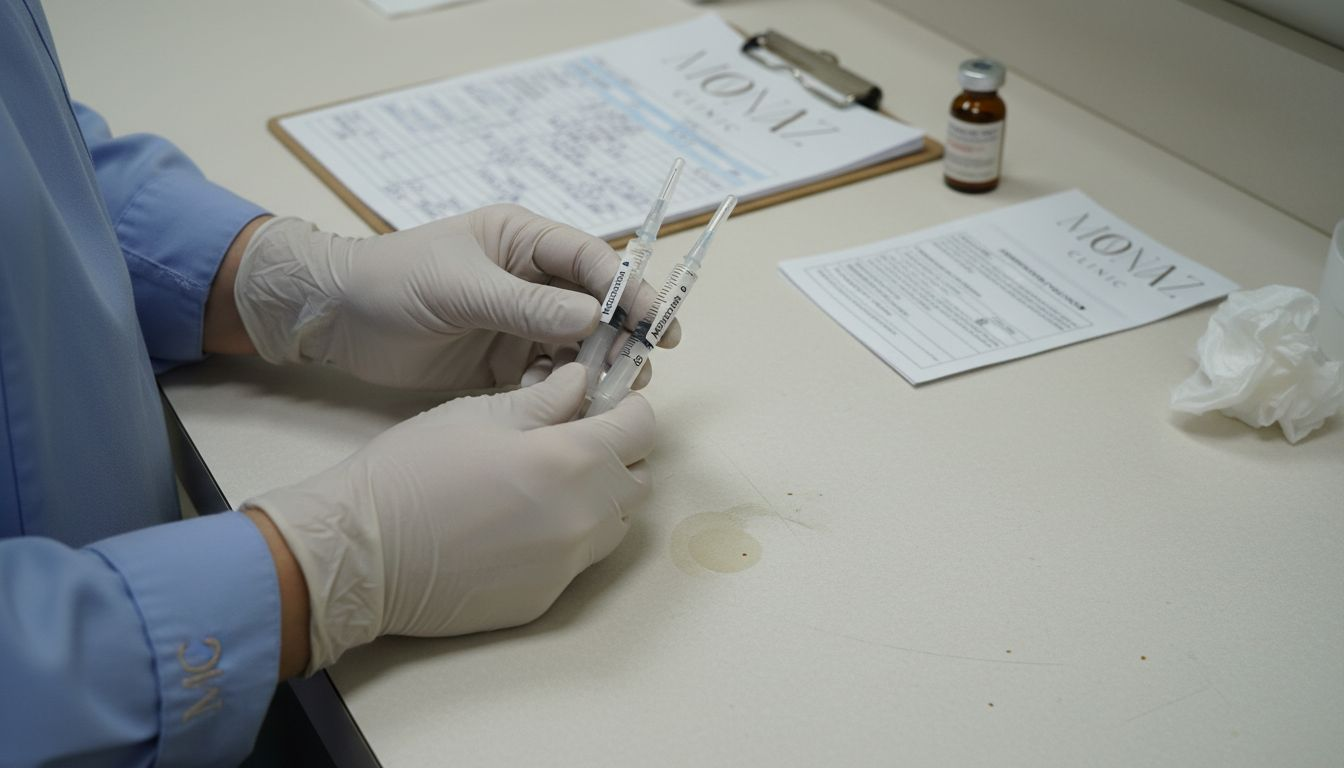
Pro tip: Always discuss potential allergies, medical history, and specific aesthetic goals during your initial consultation to ensure the most suitable dermal filler treatment.
What Determines How Long Fillers Last
Multiple intricate factors influence the longevity of dermal fillers, creating a complex interplay between biological, procedural, and individual characteristics. Filler duration depends on sophisticated scientific interactions within the skin’s unique physiological environment.
Key Factors Affecting Filler Longevity include:
- Specific filler composition
- Injection technique
- Individual metabolic rate
- Treatment area
- Patient’s age and skin health
- Lifestyle and environmental influences
The scientific composition of different dermal fillers plays a crucial role in determining their duration:
- Hyaluronic Acid Fillers: Typically last 6-18 months
- Calcium Hydroxylapatite: Can persist 12-24 months
- Poly-L-Lactic Acid: Potentially lasting up to 2-3 years
- Polymethylmethacrylate: Offers the longest duration, potentially 4-5 years
Individual Metabolic Factors significantly impact filler retention. Aspects such as:
- Faster metabolism
- Higher physical activity levels
- Stress conditions
- Hormonal fluctuations
can accelerate filler breakdown and reduce expected duration.
Precise injection techniques and individual physiological responses create a unique dermal filler experience for each patient.
Environmental and lifestyle considerations also substantially influence filler longevity. Sun exposure, smoking, diet, hydration levels, and skincare routines can either preserve or diminish the effectiveness of injectable treatments.
Below is a summary of lifestyle and physiological factors that impact dermal filler longevity:
| Influencing Factor | How it Affects Longevity | Consideration for Patients |
|---|---|---|
| Metabolic rate | Faster rate reduces filler duration | High activity may need frequent visits |
| Sun exposure | Accelerates breakdown of fillers | Use sun protection consistently |
| Smoking | Decreases skin quality and longevity | Reduce or avoid smoking for results |
| Skincare routine | Supports longer-lasting appearance | Maintain daily hydration and care |
Pro tip: Maintain a consistent skincare routine and discuss your lifestyle factors with your practitioner to optimise dermal filler results and potentially extend their duration.
The Science Behind Filler Longevity
Dermal fillers operate through intricate biomechanical interactions that transform facial aesthetics at a cellular level. Molecular interactions determine filler effectiveness by integrating sophisticated scientific principles with aesthetic enhancement techniques.
Biomolecular Mechanisms underlying dermal filler performance involve complex processes:
- Hydration interactions
- Collagen stimulation
- Tissue integration
- Molecular binding
- Cellular regeneration
The fundamental scientific processes driving filler effectiveness include:
- Hyaluronic Acid Binding: Attracts and retains moisture
- Protein Interaction: Supports tissue scaffolding
- Cellular Communication: Triggers regenerative responses
- Structural Remodelling: Encourages natural tissue adaptation
Cellular Response Mechanisms play a critical role in filler performance. Key biological interactions involve:
- Inflammatory response modulation
- Fibroblast activation
- Extracellular matrix remodelling
- Neocollagenesis stimulation
Advanced dermal fillers represent a delicate balance between scientific precision and aesthetic artistry, transforming cellular environments with microscopic interventions.
Biomechanical degradation processes are influenced by multiple physiological factors, including enzymatic activity, metabolic rates, and individual tissue characteristics. These complex interactions determine how efficiently the body processes and integrates injectable treatments.
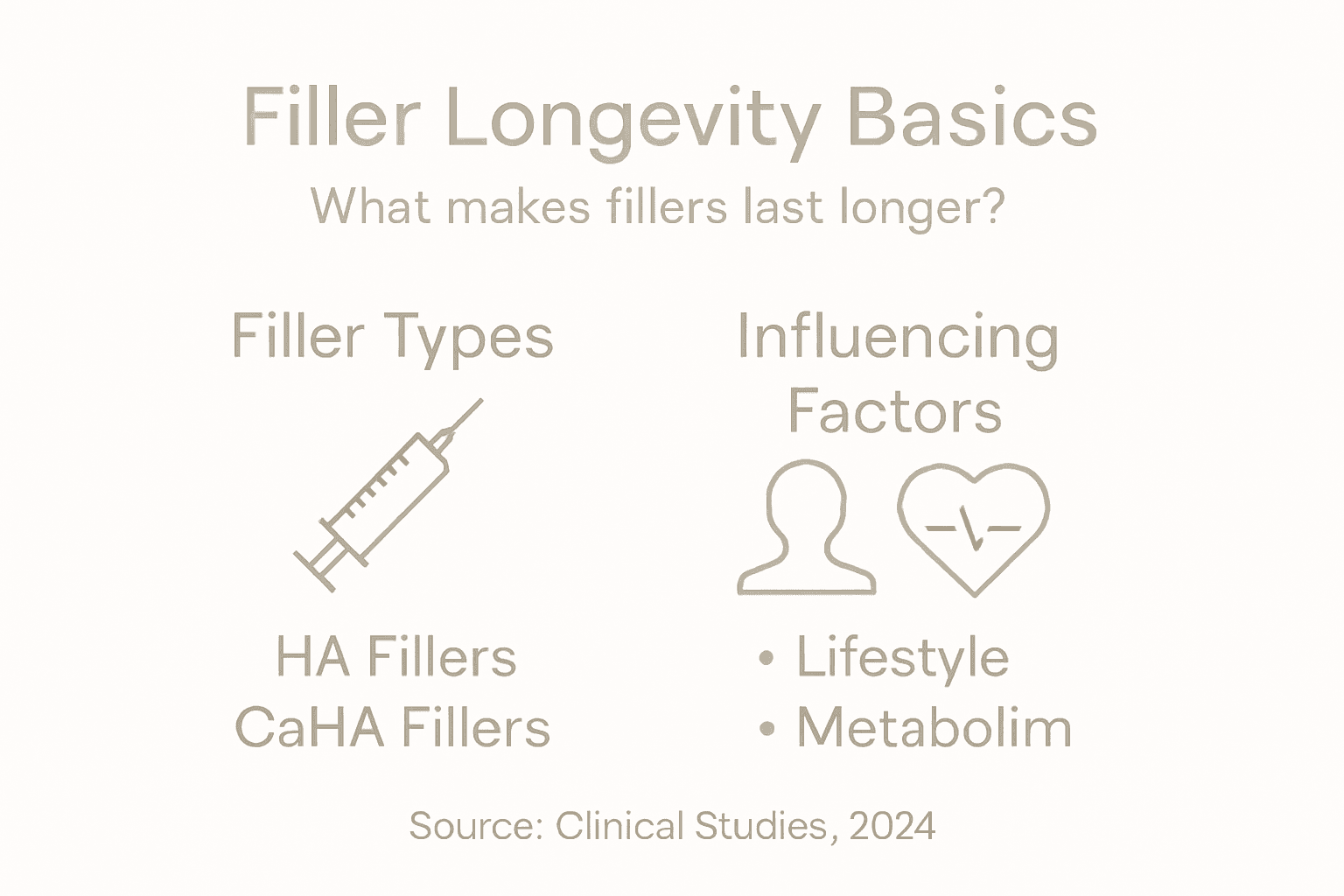
Pro tip: Understand that your unique physiological profile significantly influences filler performance, making personalised consultation crucial for optimal aesthetic outcomes.
Safety, Maintenance, And Result Preservation
Ensuring optimal safety and longevity of dermal filler treatments requires a comprehensive approach that combines professional expertise and personalised aftercare. Maintaining dermal filler safety demands precise medical protocols and patient-specific considerations.
Critical Safety Considerations during and after treatment include:
- Selecting a qualified medical practitioner
- Reviewing complete medical history
- Understanding potential risks
- Following precise aftercare instructions
- Monitoring treatment response
Key maintenance strategies involve multiple essential steps:
- Immediate post-treatment care
- Long-term skin protection
- Regular professional assessments
- Personalised skincare routines
Potential Risk Mitigation requires understanding specific precautions:
- Avoiding excessive sun exposure
- Minimising alcohol consumption
- Postponing strenuous physical activities
- Managing potential side effects
- Maintaining optimal skin hydration
Professional expertise transforms dermal filler treatments from simple cosmetic procedures into sophisticated, personalised aesthetic interventions.
Result preservation demands a holistic approach that considers individual physiological responses and lifestyle factors. Comprehensive aftercare involves understanding how personal habits, environmental conditions, and metabolic processes interact with injectable treatments.
Pro tip: Schedule follow-up consultations and maintain open communication with your practitioner to ensure optimal filler performance and personalised aesthetic management.
Discover How to Make Your Dermal Fillers Last Longer with Monaz Clinic
Understanding the science behind how long dermal fillers last can be challenging. You may worry about how factors like metabolism, skin type and lifestyle can affect your results. Our expert team at Monaz Clinic is committed to helping you navigate these concerns with personalised advice and treatments tailored specifically for women. Whether you want to enhance lips, restore cheek volume, or refine facial contours, we focus on treatments that respect your natural anatomy for subtle, harmonious effects.

Explore our comprehensive range of dermal filler options and aftercare guidance designed to maximise longevity. Visit our tips – Monaz Clinic | Facial Aesthetic Clinic in London page to learn more about preserving your results. Begin your journey with a complimentary consultation at our central London location and experience expert care from Mrs Mona Zirak and our GMC-registered doctors. Take the first step towards radiant, naturally refreshed skin today at Monaz Clinic.
Frequently Asked Questions
How long do different types of dermal fillers last?
Hyaluronic Acid (HA) fillers typically last 6-18 months, Calcium Hydroxylapatite (CaHA) fillers can last 12-24 months, Poly-L-Lactic Acid (PLLA) lasts up to 2-3 years, and Polymethylmethacrylate (PMMA) can persist for 4-5 years.
What factors influence the longevity of dermal fillers?
Filler longevity is affected by various factors including the specific filler composition, injection technique, individual metabolic rate, treatment area, patient’s age and skin health, as well as lifestyle and environmental influences.
How can I extend the lifespan of my dermal fillers?
To optimise the longevity of dermal fillers, maintain a consistent skincare routine, protect your skin from excessive sun exposure, reduce smoking and alcohol consumption, and discuss your lifestyle factors with your practitioner.
What happens to dermal fillers as they break down in the body?
As dermal fillers are metabolised, they undergo biochemical interactions that lead to hydration, collagen stimulation, and tissue integration, ultimately resulting in gradual absorption by the body over time.
Recommended
- How Long Fillers Last – What Every Woman Should Know – Monaz Clinic London
- Long-Lasting Filler Options: Complete Expert Guide – Monaz Clinic London
- Timeline of Filler Results: What to Expect in London – Monaz Clinic London
- Understanding the Benefits of Dermal Fillers for Facial Aesthetics – Monaz Clinic London