

Discover how to personalise facial aesthetics naturally with step-by-step guidance for women seeking bespoke results in London. Achieve refined, authentic beauty.
Over 60 percent of british adults say feeling confident about their appearance boosts both social and professional success. With personal grooming and facial aesthetics holding strong cultural value across the United Kingdom, understanding your own features is more than just a trend. This guide shows how to assess your natural facial traits, set authentic beauty goals, and collaborate with qualified experts for personalised, non surgical enhancements that truly reflect british standards of individuality.
Table of Contents
- Stage 1: Assess Your Unique Facial Features
- Stage 2: Identify Personal Beauty Goals
- Stage 3: Consult With A Qualified Practitioner
- Stage 4: Select Suitable Non-Surgical Treatments
- Stage 5: Review Results And Refine Your Plan
Quick Summary
| Key Insight | Explanation |
|---|---|
| 1. Assess Unique Facial Features | Use tools like the Body Image Ideals Questionnaire to evaluate your facial characteristics with kindness and objectivity. |
| 2. Define Personal Beauty Goals | Create personalized beauty objectives based on self-reflection and appreciation of your unique features, avoiding external comparisons. |
| 3. Consult a Qualified Practitioner | Seek an experienced practitioner who understands your facial anatomy and aligns with your beauty goals for safe treatment recommendations. |
| 4. Choose Suitable Non-Surgical Treatments | Select minimally invasive treatments tailored to your unique features, ensuring they enhance your natural beauty rather than conceal it. |
| 5. Review Results and Refine Your Plan | Regularly assess your aesthetic progress and make adjustments based on your evolving needs and the effectiveness of treatments. |
Stage 1: Assess Your Unique Facial Features
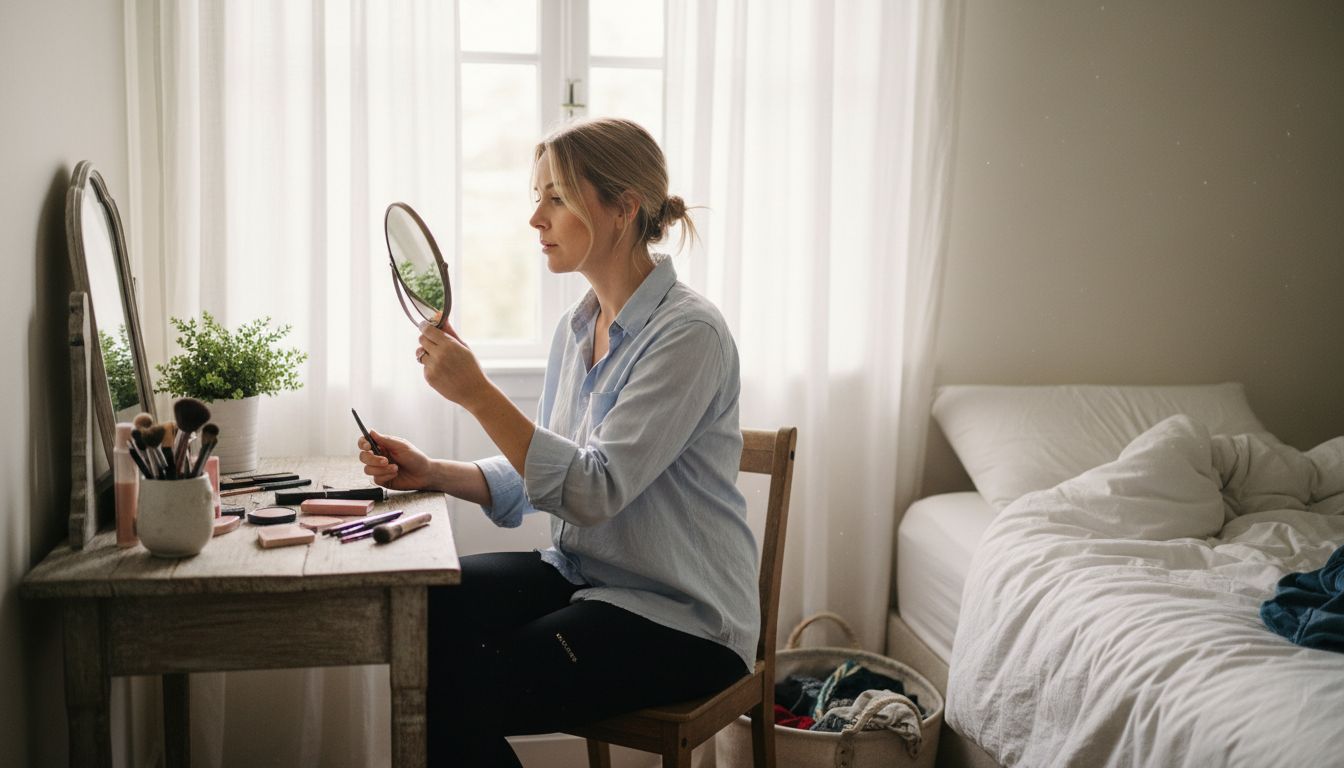
Understanding your distinctive facial characteristics is the first crucial step in personalising your natural aesthetic approach. This process involves carefully examining your unique features with an objective yet compassionate perspective.
To begin, you’ll want to evaluate your facial structure using the Body Image Ideals Questionnaire (Face), a specialised tool designed to help individuals comprehensively assess their facial attributes. Start by taking a well-lit photograph of yourself straight on and in profile, ensuring neutral lighting and a relaxed expression. Examine key characteristics such as symmetry, bone structure, facial width, cheekbone prominence, and jawline definition.
While assessing your features, remember the guidance from positive body image principles: focus on your unique attributes rather than comparing yourself to external standards. The goal is to appreciate your body’s capabilities and inherent beauty rather than seeking perfection. Take note of features you genuinely appreciate and those you might want to subtly enhance or balance.
As you move forward, approach this assessment with kindness. Your facial features tell a story unique to you, and understanding them is the first step towards a personalised, natural aesthetic strategy that celebrates your individual beauty.
Stage 2: Identify Personal Beauty Goals
Defining your unique beauty aspirations is a transformative journey of self discovery. This stage focuses on creating personalised aesthetic objectives that reflect your individual desires and enhance your natural features.
Drawing inspiration from professional development programmes like the Springboard Women’s Development Programme, start by conducting an honest self assessment. Take time to reflect on the facial features you currently appreciate and those you wish to subtly enhance. Consider creating a structured list that outlines your specific beauty goals categorised by areas such as skin texture, facial symmetry, hydration, and overall radiance.
The Bounce! programme’s approach to personal development emphasises building confidence through clear objective setting. Apply this principle to your beauty goals by ensuring they are realistic, measurable, and aligned with your natural aesthetic. Avoid comparing yourself to external standards or unrealistic beauty ideals. Instead, focus on goals that make you feel empowered and authentic.
Remember that personal beauty goals are deeply individual. Your objectives should celebrate your unique characteristics and boost your self confidence rather than conform to generic expectations. As you progress, remain flexible and kind to yourself allowing your beauty goals to evolve naturally with your personal growth.

Stage 3: Consult with a Qualified Practitioner
Consulting with a qualified practitioner is a critical step in transforming your personalised facial aesthetics approach. This stage involves finding an expert who can translate your unique beauty goals into safe and effective treatments.
Professional training programmes like the Level 2 Diploma in Beauty Therapy emphasise the importance of comprehensive client assessments. During your consultation, seek a practitioner who demonstrates deep understanding of facial anatomy, listens attentively to your goals, and offers personalised recommendations. Look for credentials such as medical qualifications, specialised aesthetic training, and a proven track record of natural looking results.
The Hair and Beauty course guidance highlights the significance of individualised beauty advice. Your chosen practitioner should conduct a thorough evaluation of your facial features, skin type, and aesthetic objectives. They should provide transparent information about potential treatments, expected outcomes, and any associated risks. A truly professional consultation will feel collaborative collaborative empowering you to make informed decisions about your aesthetic journey.
Remember that the right practitioner is not just a service provider but a trusted partner in achieving your natural beauty goals. Trust your instincts and choose someone who makes you feel heard, respected, and confident in their expertise.
Stage 4: Select Suitable Non-Surgical Treatments
Selecting the right non surgical treatments is a nuanced process that requires careful consideration of your unique facial features and aesthetic objectives. This stage transforms your personalised beauty goals into practical treatment strategies that enhance your natural appearance.
Professional training programmes like the Level 2 Diploma in Beauty Therapy emphasise the importance of tailored treatment selection. Approach your non surgical options by considering treatments that address specific concerns while maintaining your inherent facial character. Focus on minimally invasive procedures that offer subtle refinement rather than dramatic transformation such as micro needling, gentle chemical peels, hydrating facial treatments, and targeted skin rejuvenation techniques.
The Hair and Beauty course guidance underscores the significance of personalised treatment approaches. Your chosen treatments should harmonise with your skin type, age, and aesthetic goals. Prioritise procedures that stimulate natural collagen production, improve skin texture, and provide subtle yet meaningful enhancements. Always request comprehensive consultations where practitioners explain potential outcomes, recovery expectations, and long term skin health implications.
Remember that true aesthetic elegance lies in treatments that look effortless and feel authentically you. Your non surgical journey should celebrate your unique beauty rather than obscure it.
Stage 5: Review Results and Refine Your Plan
Reviewing and refining your facial aesthetic journey represents a critical moment of self reflection and strategic adjustment. This stage allows you to evaluate the effectiveness of your chosen treatments and make informed decisions about future aesthetic approaches.
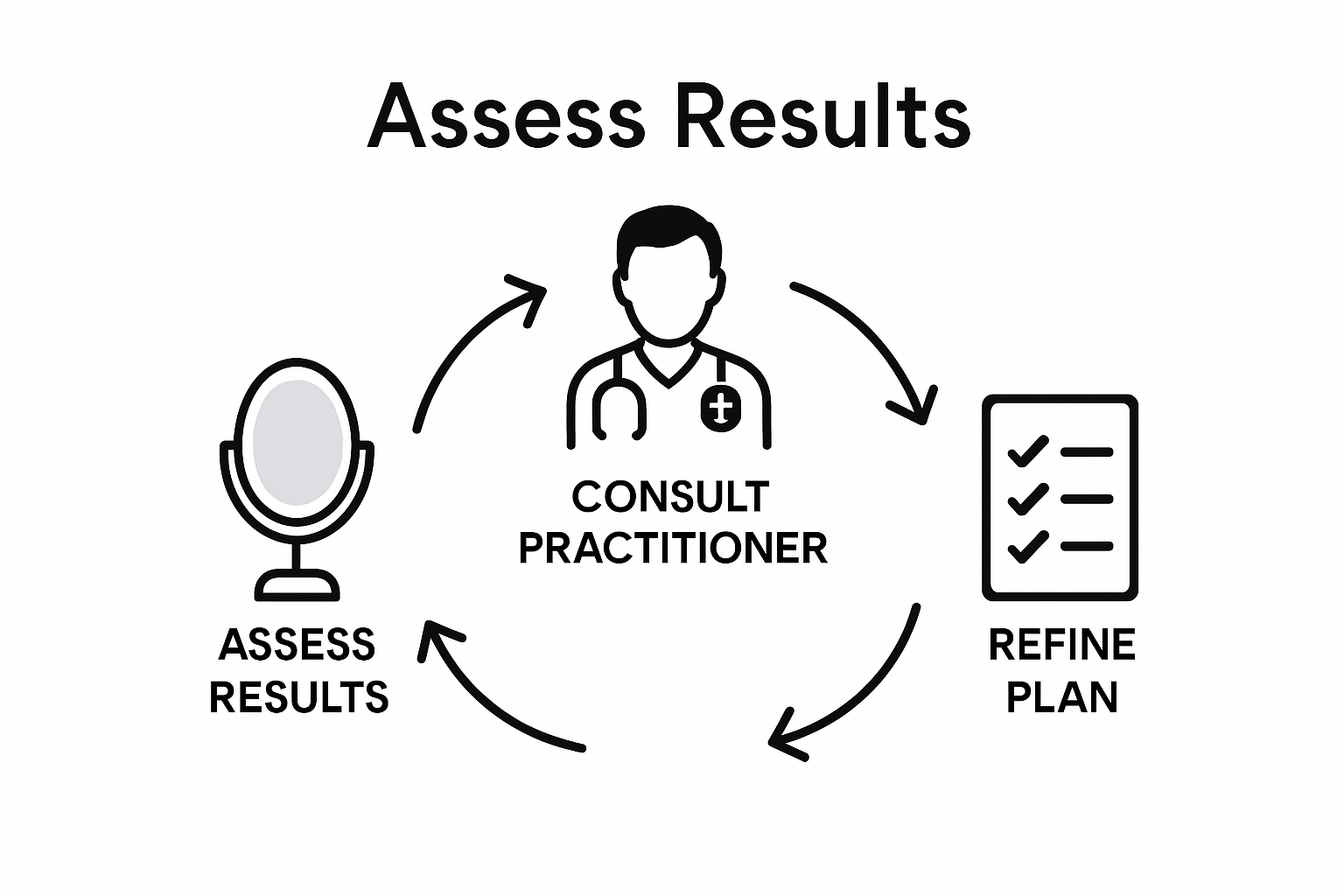
Drawing insights from the Bounce! programme at the University of Plymouth, approach your results assessment with a structured yet compassionate mindset. Document your initial goals, compare them against current outcomes, and identify areas of satisfaction and potential further enhancement. Photograph your results under consistent lighting conditions to enable objective comparison and track subtle changes in your facial aesthetics.
The Springboard Women’s Development Programme framework emphasises continuous self assessment. Schedule a follow up consultation with your aesthetic practitioner to discuss treatment effectiveness, recovery progress, and any emerging skincare needs. Be prepared to articulate your observations candidly discussing what worked well and what might require subtle modifications.
Remember that your aesthetic journey is dynamic and personal. Refinement is not about pursuing perfection but celebrating your evolving sense of confidence and individual beauty.
Reveal Your Natural Beauty with Expert Care at Monaz Clinic
Personalising facial aesthetics naturally can feel challenging when trying to balance your unique facial features with your personal beauty goals. This article highlights the importance of assessing your own facial structure and consulting qualified practitioners who understand your desire for subtle, authentic enhancements. At Monaz Clinic, we specialise in helping women navigate these concerns with treatments tailored to preserve and enhance your inherent beauty.
Discover how our one-on-one approach and expert medical team can support your journey towards natural-looking results using award-winning products designed for you. For insightful guidance on maintaining your aesthetic confidence, explore our tips – Monaz Clinic | Facial Aesthetic Clinic in London and start personalising your experience today.
Take the first step now by booking your complimentary consultation at Monaz Clinic. Let us help you celebrate your individual beauty with care and precision in the heart of Central London.
Frequently Asked Questions
How can I assess my unique facial features?
Begin by taking clear photographs of your face both straight on and in profile. Use a well-lit area and a neutral expression to examine characteristics such as symmetry and bone structure, which can guide your personalised aesthetic approach.
What should I consider when identifying my personal beauty goals?
Reflect on the facial features you appreciate and those you wish to enhance. Create a comprehensive list categorising your goals by specific areas such as skin texture and symmetry, ensuring they are realistic and aligned with your natural aesthetics.
How do I find a qualified practitioner for facial aesthetics?
Look for a practitioner who possesses relevant medical qualifications and specialised aesthetic training. Schedule a consultation to discuss your beauty goals and evaluate their approach to creating a personalised treatment plan.
What types of non-surgical treatments should I consider for natural enhancements?
Focus on minimally invasive procedures like micro-needling and gentle chemical peels, which can subtly enhance your features. Ensure the treatment options are tailored to your specific concerns and contribute to your overall skin health.
How can I effectively review the results of my aesthetic treatments?
Take note of your initial beauty goals and compare them with the outcomes after your treatments. Document your observations and schedule a follow-up consultation with your practitioner to discuss any desired refinements and adjustments to your aesthetic plan.