




Follow our expert injectable aftercare guide to reduce swelling, avoid complications, and achieve the best possible results from your treatment in London.
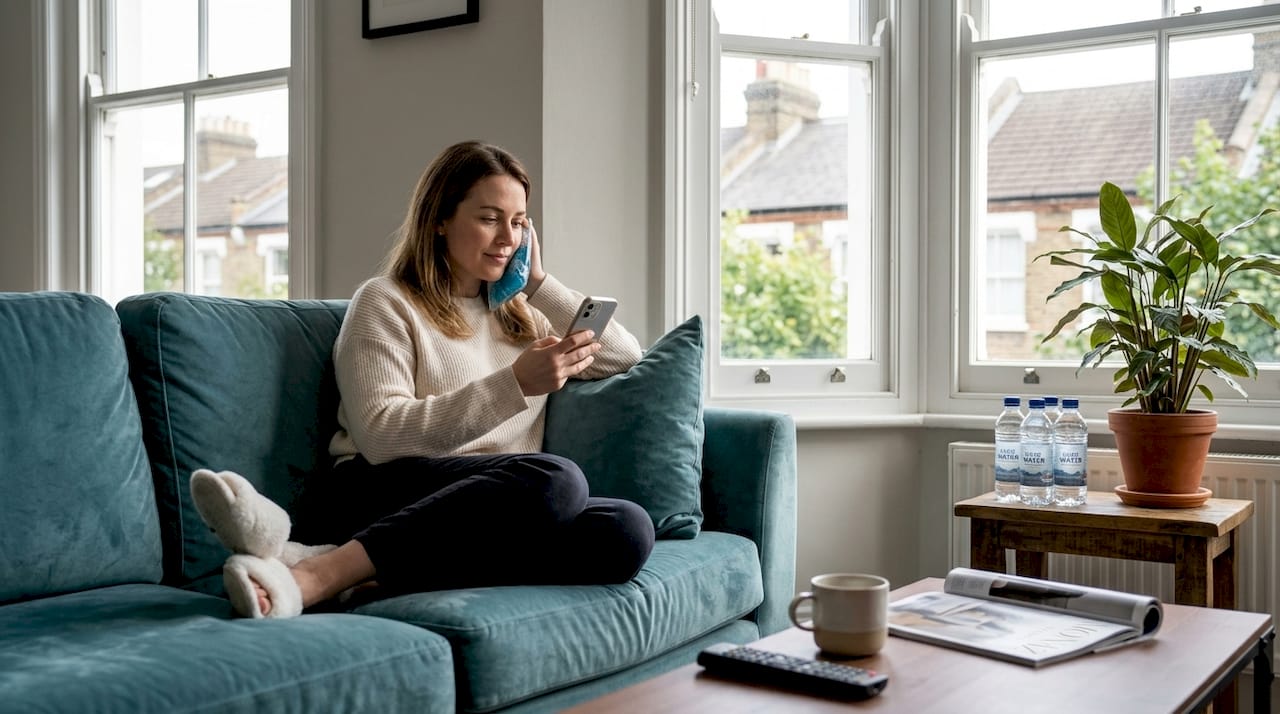
TL;DR:
- Post-treatment swelling and bruising are normal and typically resolve within a few days.
- Following detailed aftercare steps reduces complications and maximizes injectable results.
- Contact your clinic promptly if serious symptoms like skin color changes or vision issues occur.
Leaving your aesthetic appointment feeling refreshed is only half the story. What happens in the hours and days that follow will largely determine how well your results settle, how quickly side effects fade, and whether you walk away truly satisfied. Many women in London find themselves uncertain about what is normal after dermal fillers or wrinkle-relaxing injectables, and that uncertainty can cause unnecessary worry. This guide gives you clear, step-by-step aftercare instructions, grounded in clinical experience, so you can recover confidently and protect your investment from the moment you leave the clinic.
Table of Contents
- What to expect after injectable treatments
- Essential supplies and preparation checklist
- Step-by-step injectable aftercare instructions
- Troubleshooting: what is not normal and when to call your clinic
- Why diligent aftercare is the unsung hero of great injectables
- Get the best results from your next injectable treatment
- Frequently asked questions
Key Takeaways
| Point | Details |
|---|---|
| Preparation matters | Having the right supplies and a clear plan before treatment reduces stress and improves recovery. |
| Follow step-by-step | Adhering to expert aftercare instructions helps minimise swelling, bruising, and complications. |
| Recognise warning signs | Know the difference between normal side effects and signs that require contacting your clinic. |
| Aftercare powers results | Consistent, gentle care boosts both the safety and beauty of your injectable results. |
What to expect after injectable treatments
Having clarified the overall importance of good aftercare, let’s set some realistic expectations for your first days after injectables.
Your skin has just been through a precise but still physical process. A fine needle has entered the tissue, deposited product, and withdrawn. The body responds predictably. Swelling and bruising are the most common side effects after injectables, and both are a normal part of the healing process rather than a sign that something has gone wrong.
Most post-treatment swelling subsides within 48 hours, though more sensitive areas such as the lips may remain slightly puffy for a little longer. Redness and mild tenderness at the injection sites are equally common and typically resolve within a day. Bruising, when it occurs, can last anywhere from three to seven days depending on your skin’s natural tendency and the area treated.
Here is a quick overview of what you might notice:
| Side effect | How common | When to seek advice |
|---|---|---|
| Redness and warmth | Very common | If spreading after 48 hours |
| Mild swelling | Very common | If worsening after day 3 |
| Bruising | Common | If unusually dark or expanding |
| Tenderness at site | Common | If pain is severe or increasing |
| Small soft lumps | Occasional | If hard, persistent, or painful |
| Headache | Occasional | If severe or accompanied by vision changes |
Understanding the full range of side effects of fillers before your appointment helps you stay calm when mild reactions appear. The NHS guidance on injectables also confirms that most reactions are temporary and self-resolving.
“The vast majority of side effects after aesthetic injectables are mild, temporary, and entirely manageable with good aftercare at home.”
Pro Tip: Photograph your treated area on day one, ideally in natural light. Comparing images over the following days gives you an objective record of progress and can ease any anxiety about normal healing.
Essential supplies and preparation checklist
Now that you understand what normal recovery looks like, let’s get you fully prepared with the right aftercare tools and pre-treatment actions.
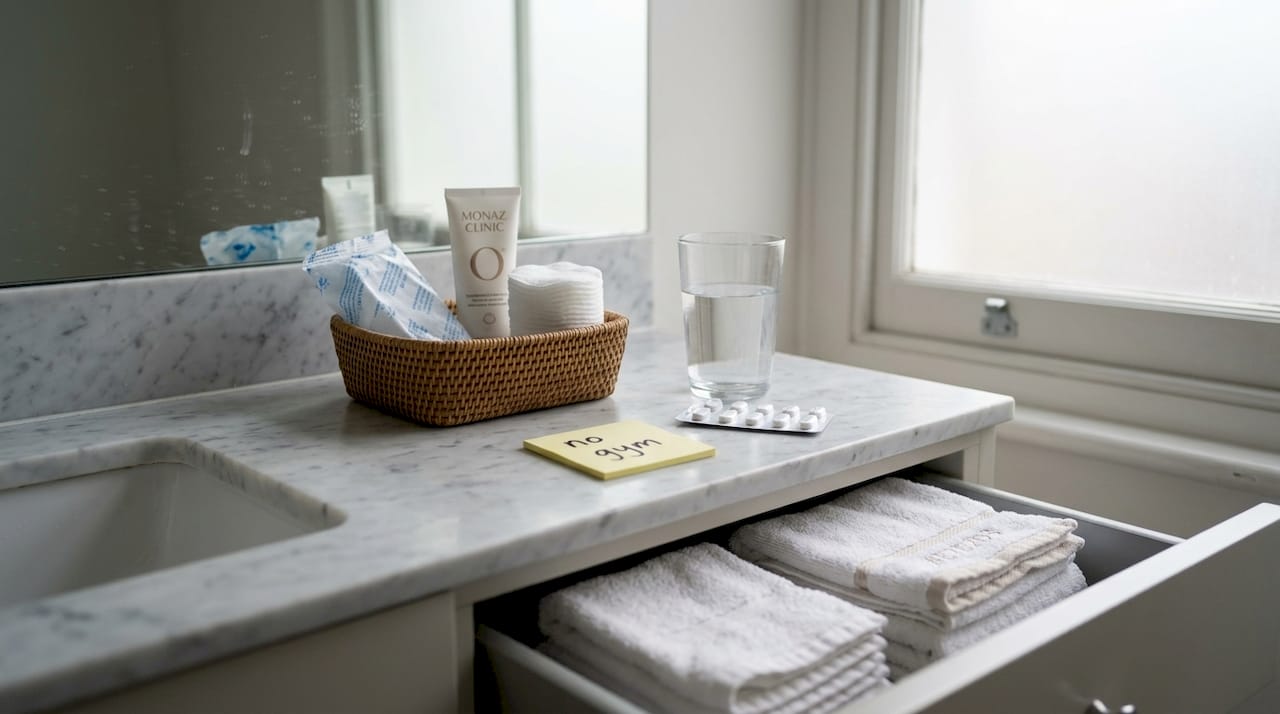
Proper preparation can reduce post-injection bruising and irritation, so gathering your supplies before your appointment is genuinely worthwhile. Think of it as setting the stage for the best possible result. Following a structured dermal filler checklist takes the guesswork out of recovery.
What to have ready versus what to set aside:
| Have ready | Set aside or avoid |
|---|---|
| Wrapped ice pack or cold compress | Retinoids and exfoliating acids |
| Gentle, fragrance-free cleanser | Aspirin or ibuprofen (unless prescribed) |
| Broad-spectrum SPF 30 or higher | Alcohol-based toners or astringents |
| Plain, non-comedogenic moisturiser | Thick, occlusive makeup |
| Arnica gel or tablets (optional) | Blood-thinning supplements (fish oil, vitamin E) |
| Paracetamol for any discomfort | Heat-based skincare tools |
Beyond your skincare kit, there are practical steps worth completing before you arrive at the clinic. Research published in post-procedure guidelines supports a structured pre-treatment approach to minimise complications.
Pre-treatment preparation checklist:
- Avoid alcohol for at least 24 hours before your appointment
- Stop blood-thinning supplements five to seven days prior, with your doctor’s approval
- Arrive with clean skin and no makeup on the treatment area
- Arrange transport home so you are not rushing after the procedure
- Clear your schedule for the rest of the day to allow rest
- Eat a light meal beforehand to keep blood sugar stable
- Wear loose, comfortable clothing that does not need to be pulled over your face
- Inform your practitioner of any medications or recent illness
Pro Tip: The night before your appointment, add an extra pillow to your bed. You will want your head elevated on the first night, and having it already in place means one less thing to think about when you get home.
Step-by-step injectable aftercare instructions
With your kit and home ready, it’s time for the most important part: following correct aftercare instructions.
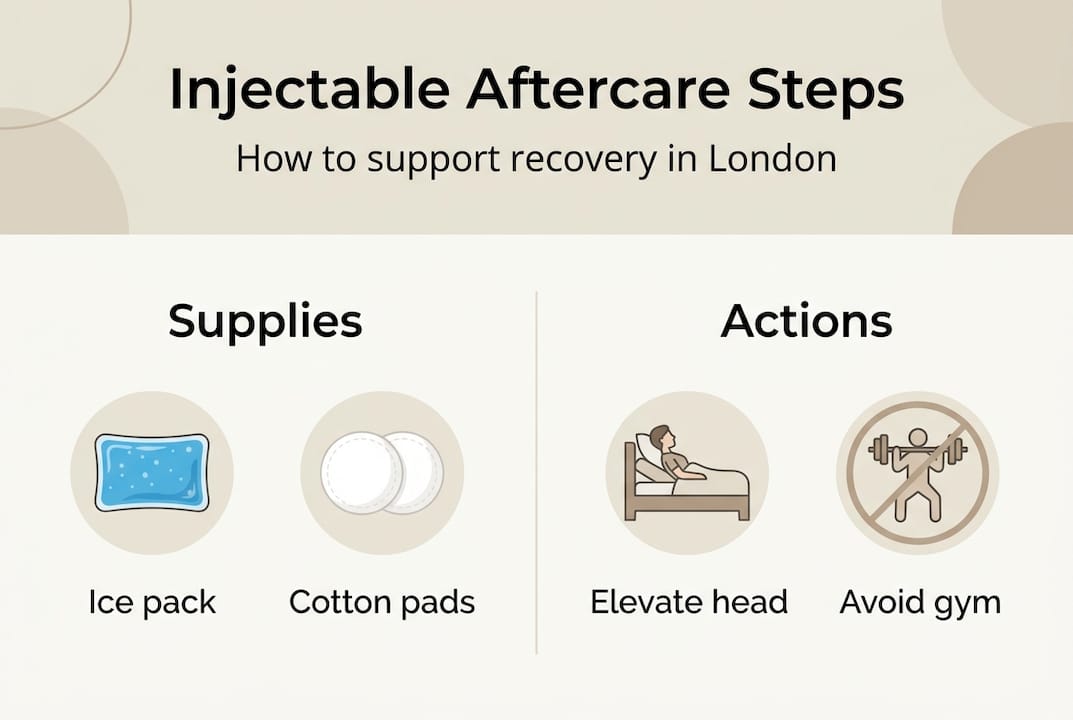
Following these simple aftercare procedures can reduce swelling and maximise your results. The first 72 hours are the most critical window. Here is exactly what to do, in order:
- Immediately after treatment: Apply a wrapped cold compress gently to the treated area for ten minutes. Do not press firmly. This reduces initial swelling without disturbing the product placement.
- First two hours: Keep your face upright. Avoid bending forward or lying flat. Do not touch, rub, or massage the treated area unless your practitioner has specifically instructed you to.
- First 24 hours: Skip all makeup on the treated area. Cleanse gently with a mild, fragrance-free product and pat dry. Avoid any facial massage, steam rooms, or saunas.
- First 48 hours: No vigorous exercise. Elevated heart rate and increased blood flow can worsen swelling and bruising. A gentle walk is fine, but skip the gym.
- First 72 hours: Avoid alcohol, which dilates blood vessels and can prolong bruising. Stay out of direct sunlight and apply SPF whenever you go outdoors.
- Throughout recovery: Keep skin hydrated with a simple, non-irritating moisturiser. Avoid retinoids, acids, or any active ingredients until the skin has fully settled, usually after one week.
For more detailed guidance on how to care for skin after injectables, including natural approaches to soothing inflammation, there is further reading available. The Aesthetics Journal also provides clinician-reviewed advice on post-treatment protocols. Reviewing post-treatment care tips can help you extend and enhance your results beyond the initial recovery period.
Pro Tip: Sleep on your back with an extra pillow for the first night. This single step can noticeably reduce facial puffiness by morning, particularly after lip or cheek treatments.
Troubleshooting: what is not normal and when to call your clinic
Even with perfect preparation and care, it is crucial to know which symptoms warrant more attention.
Mild swelling, light bruising, and tenderness are all expected. What is not expected is a sudden worsening of symptoms after the first 48 hours, or the appearance of new and unusual signs. Early intervention is vital for treating rare but serious complications, so knowing what to look for genuinely matters.
Contact your clinic promptly if you notice any of the following:
- Severe or increasing pain that is not relieved by paracetamol
- Redness that is spreading beyond the injection site
- Skin that appears white, grey, or mottled in colour (a potential sign of vascular compromise)
- A high temperature or fever
- Hard, persistent lumps that do not soften after two weeks
- Any changes to your vision, including blurring or double vision
- Difficulty swallowing or breathing
If you experience vision changes or skin discolouration, treat this as urgent and seek medical attention immediately. These are rare but serious signs that require prompt clinical assessment.
“If you notice any skin colour changes, sudden vision disturbance, or severe pain following an injectable treatment, contact your provider or seek emergency care without delay.” NHS injectable filler risks guidance.
For a thorough overview of how to recover after fillers safely, including what a normal healing timeline looks like day by day, further resources are available. The injectable filler risks page from the NHS is also a clear, reliable reference if you want to understand the full risk profile before or after treatment.
Reputable London clinics will always encourage you to get in touch if something does not feel right. There is no such thing as an unnecessary call when your safety is involved.
Why diligent aftercare is the unsung hero of great injectables
Having covered practical troubleshooting, let’s step back and consider why aftercare deserves as much focus as the treatment itself.
Most clients rightly spend time researching their practitioner. They look at qualifications, before-and-after photographs, and reviews. What far fewer people consider is that the outcome is only partly determined in the clinic. The rest is decided at home, in the hours after the needle has been put away.
We have seen beautifully placed filler undermined by a client who returned to the gym the same evening, or who slept face-down and woke to uneven swelling. Understanding how fillers work at a tissue level makes it clear why the post-treatment period is so sensitive. The product is still settling, the surrounding tissue is responding, and the skin is in a state of mild inflammation.
Aftercare is not a passive process. It is an active part of your treatment. When you follow the guidance carefully, you are not simply avoiding problems; you are actively supporting the result you came for. Think of it as the final, essential step that only you can complete.
Get the best results from your next injectable treatment
With a new appreciation for thorough aftercare, if you are seeking expert guidance and safe, evidence-based treatments, here is where to start.
At Monaz Clinic, dedicated aftercare support is built into every appointment. We do not simply treat and send you on your way. Our team provides personalised recovery guidance, and we are always available to answer questions during your healing process. Every client leaves with a clear understanding of what to expect and what to do.

Whether you are curious about wrinkle softening prices or want to explore our full dermal fillers price list, we invite you to browse at your own pace. When you are ready, book your complimentary consultation at 96 Harley Street and take the first step towards results you can feel confident about, before, during, and after treatment.
Frequently asked questions
How long should I avoid makeup after injectables?
You should avoid makeup for 24 hours after injectable procedures to reduce the risk of introducing bacteria to the treated skin. This applies to all products, including foundation, concealer, and setting powder.
Can I exercise after getting injectables?
Strenuous exercise may increase post-treatment swelling and bruising, so vigorous activity should be avoided for 24 to 48 hours. Light walking is generally fine, but wait until any swelling has fully settled before returning to intense training.
What if I see bumps or lumps after filler injections?
Small bumps are common post-filler and usually soften within a few days as the product integrates with the surrounding tissue. However, if lumps feel hard, persist beyond two weeks, or become painful, contact your clinic for assessment.
Should I sleep in any specific position after injectables?
Elevation can help decrease swelling after facial injections, so sleeping on your back with your head raised on an extra pillow for the first night is advisable. Avoid sleeping face-down or pressing your face into the pillow.
Recommended
- How to Care for Skin After Injectables Naturally in London – Monaz Clinic London
- Post-Treatment Care Explained for London Women – Monaz Clinic London
- Post-treatment care tips to enhance your natural beauty – Monaz Clinic London
- Essential Aftercare Tips for Fillers: Achieve Lasting Results – Monaz Clinic London