


Discover the latest non-surgical aesthetic innovations for 2026, from RF microneedling to polynucleotides and AI personalisation, all available in London.

TL;DR:
- Non-surgical aesthetic treatments now deliver lasting, natural results due to scientific advances and personalization.
- Technologies like RF microneedling, HIFU, and autologous injectables are key to modern facial rejuvenation.
- Combining treatments and using AI-driven personalisation enhances safety, longevity, and natural-looking outcomes.
Non-surgical aesthetics has reached a turning point. Treatments that once seemed modest compared to surgery now deliver genuinely impressive, lasting change, with over 88% satisfaction for women with mild to moderate skin laxity. No scalpels, no lengthy recovery, no dramatic alteration of your features. What’s changed is the science behind these procedures, the precision of delivery, and the way treatments are now combined and personalised. This guide takes you through the most significant advances shaping London’s aesthetic landscape right now, from energy-based tightening devices to regenerative injectables and AI-driven personalisation.
Table of Contents
- Why innovation matters: Evolving needs and demands in aesthetic care
- Energy-based devices: The new era of tightening and rejuvenation
- Biostimulatory and regenerative injectables: The science of natural enhancement
- Layering and combination protocols: Synergy for superior results
- Personalisation and the future: How AI and precision medicine are reshaping treatments
- What most aesthetics guides get wrong: Practical innovation vs. marketing hype
- Ready to experience next-level results? Explore London’s innovative options
- Frequently asked questions
Key Takeaways
| Point | Details |
|---|---|
| Energy-based advances | RF microneedling, HIFU, and Endolift devices offer powerful collagen remodelling for tighter, glowing skin with minimal downtime. |
| Regenerative injectables | Polynucleotides, PLLA, and nanofat boost your body’s own repair for subtle, long-lasting results tailored even for darker skin types. |
| Safer, more natural outcomes | Modern non-surgical methods focus on natural results, low risk, and work best when strategically layered or combined. |
| Personalisation leads the future | AI and precision medicine now customise treatments for every woman’s unique needs, promising even better outcomes in London clinics. |
Why innovation matters: Evolving needs and demands in aesthetic care
Innovation in aesthetics is not simply about new gadgets or novel brand names. It refers to science-led advances that improve safety, predictability, and results while reducing recovery time. For London women, this distinction matters enormously. You deserve treatments grounded in clinical evidence, not marketing claims.
Several powerful forces are driving this evolution. If you have noticed signs you need facial aesthetics such as volume loss, skin laxity, or persistent lines, you are not alone. Demand has shifted decisively toward natural-looking outcomes, preventative strategies (often called ‘prejuvenation’), and treatments that work with your anatomy rather than against it.
Key drivers reshaping aesthetic medicine in 2026:
- Post-weight loss laxity: The rise of GLP-1 medications has created a new cohort of women seeking effective skin tightening. GLP-1 weight loss drugs have significantly increased demand for non-surgical skin tightening options.
- Diversity of skin types: London’s population spans the full Fitzpatrick scale, particularly types III to V. Treatments must be safe and effective across this range, which has accelerated development of gentler, more targeted technologies.
- Demand for autologous solutions: More women want treatments using their own biological material, such as nanofat or polynucleotides, for a more natural restoration.
- Technology advances: Devices are now more precise, with better energy control and real-time monitoring, reducing risk and improving outcomes.
The result is a landscape where facial rejuvenation trends are moving firmly toward combination protocols, personalisation, and regenerative science. The sections that follow cover the four pillars of this shift: energy-based devices, biostimulatory injectables, layered protocols, and AI-driven personalisation.
Energy-based devices: The new era of tightening and rejuvenation
With the drivers for innovation in mind, let’s look at the technologies setting new standards in non-surgical facial contouring. Three devices stand out for their clinical evidence and growing popularity among London women.
RF microneedling (Morpheus8) combines radiofrequency energy with microneedling to create precise microchannels in the skin. Heat is delivered at 60 to 70°C into the dermis and subdermis, triggering neocollagenesis (new collagen formation) and tissue remodelling. When combined with nanofat or PLLA (poly-L-lactic acid), Morpheus8 and nanofat produce enhanced skin rejuvenation that neither achieves alone.
HIFU (High-Intensity Focused Ultrasound), including Ultherapy, targets the SMAS layer, the same tissue addressed in surgical facelifts. Focused ultrasound energy tightens this deeper structural layer without breaking the skin surface, making it particularly useful for lifting the brow, jawline, and neck.
Endolift is a minimally invasive option using a fine fibre inserted just beneath the skin to deliver laser energy. It achieves subdermal tightening and mild lipolysis (fat reduction) with very little downtime, making it popular for the lower face and neck.
| Device | Downtime | Results duration | Best for |
|---|---|---|---|
| Morpheus8 | 2 to 5 days | 12 to 18 months | Skin texture, laxity, scarring |
| HIFU/Ultherapy | Minimal | 12 to 24 months | Brow, jawline, neck lifting |
| Endolift | 1 to 3 days | 12 to 18 months | Lower face, submental area |
For women with Fitzpatrick III to V skin, careful device settings are essential. Lower energy levels and longer intervals between sessions reduce the risk of post-inflammatory hyperpigmentation, making practitioner experience critical.
Pro Tip: Pairing an energy-based device with a regenerative injectable in the same treatment plan (not always the same session) significantly extends results. Ask your practitioner about glow-boosting treatments that complement device-based tightening.
- Choose a practitioner experienced with your skin type and the specific device being used.
- Follow pre-treatment guidance carefully, particularly regarding sun exposure and skincare actives.
- Plan your sessions in advance; most protocols involve two to three treatments spaced four to six weeks apart.
Biostimulatory and regenerative injectables: The science of natural enhancement
While devices offer impressive tightening, injectables have seen similar leaps, moving beyond simple fillers to truly regenerative treatments. The distinction matters because these newer options do not simply add volume; they instruct your body to rebuild its own tissue.
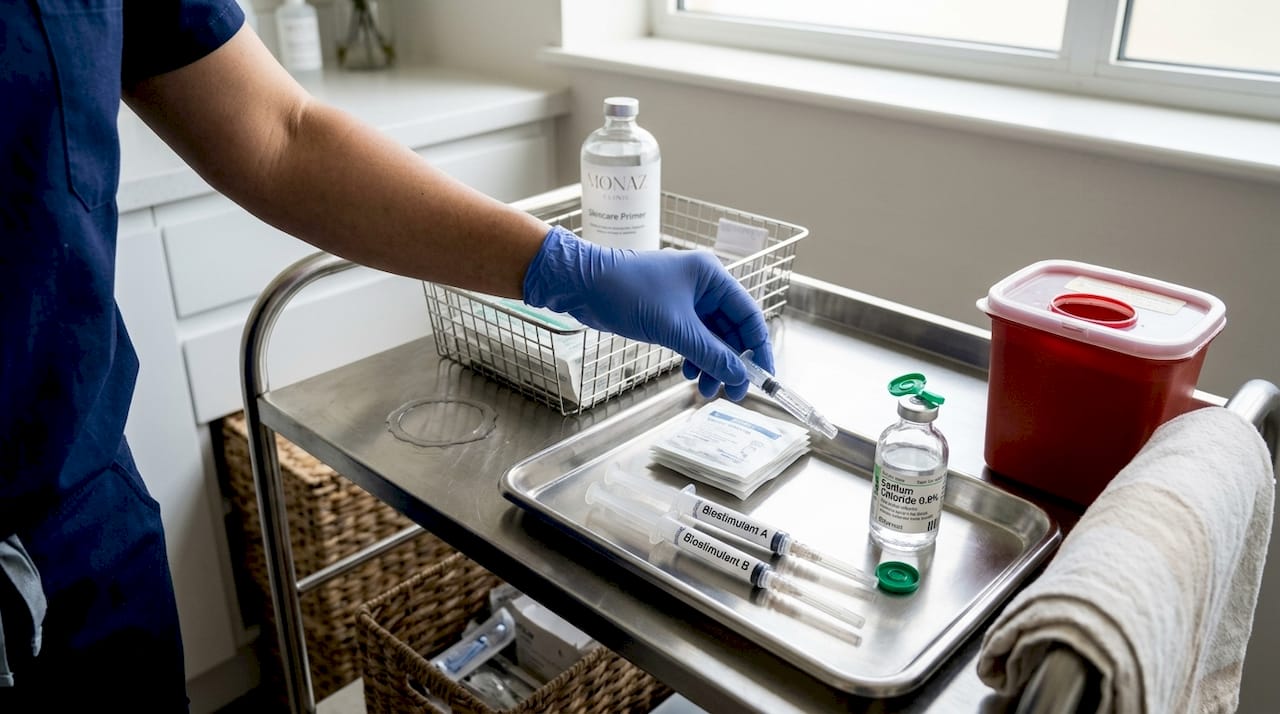
Biostimulators include PLLA (poly-L-lactic acid) and CaHA (calcium hydroxylapatite). Both work by stimulating your fibroblasts to produce new collagen over weeks to months, rather than filling space immediately. The result is gradual, natural-looking improvement.
Regenerative injectables go a step further. Polynucleotides repair DNA at a cellular level and stimulate collagen production, while PLLA combined with FMRF (a bioactive peptide sequence) shows greater than 75% improvement and efficacy sustained at 24 months. Autologous nanofat, processed from your own fat tissue, is increasingly preferred for natural volume restoration, particularly in younger women.
Autologous vs synthetic injectables at a glance:
- Autologous (nanofat, PRP): Uses your own tissue; minimal allergy risk; highly natural results; requires minor fat harvesting procedure.
- Synthetic biostimulators (PLLA, CaHA): Lab-made; longer track record; predictable dosing; suitable for a wider range of indications.
- Hyaluronic acid (HA) fillers: Immediate volume; reversible with hyaluronidase; shorter longevity (6 to 18 months).
| Injectable | Longevity | Primary use | Skin type suitability |
|---|---|---|---|
| PLLA | 18 to 24 months | Volume, collagen stimulation | All types including III-V |
| CaHA | 12 to 18 months | Nasolabial folds, jawline | All types |
| Polynucleotides | 6 to 12 months | Skin quality, repair | Particularly good for III-V |
| Autologous nanofat | 12 to 18 months | Natural volume, tear trough | All types |
You can learn more about polynucleotide therapy and explore the range of skin boosters available at Monaz Clinic to understand which regenerative option suits your goals.
Layering and combination protocols: Synergy for superior results
To maximise safety and results, specialists now advocate for a bespoke combination of technologies rather than a single solution. The concept of ‘layering’ refers to using two or more treatments in a planned sequence to achieve outcomes that neither could deliver alone.
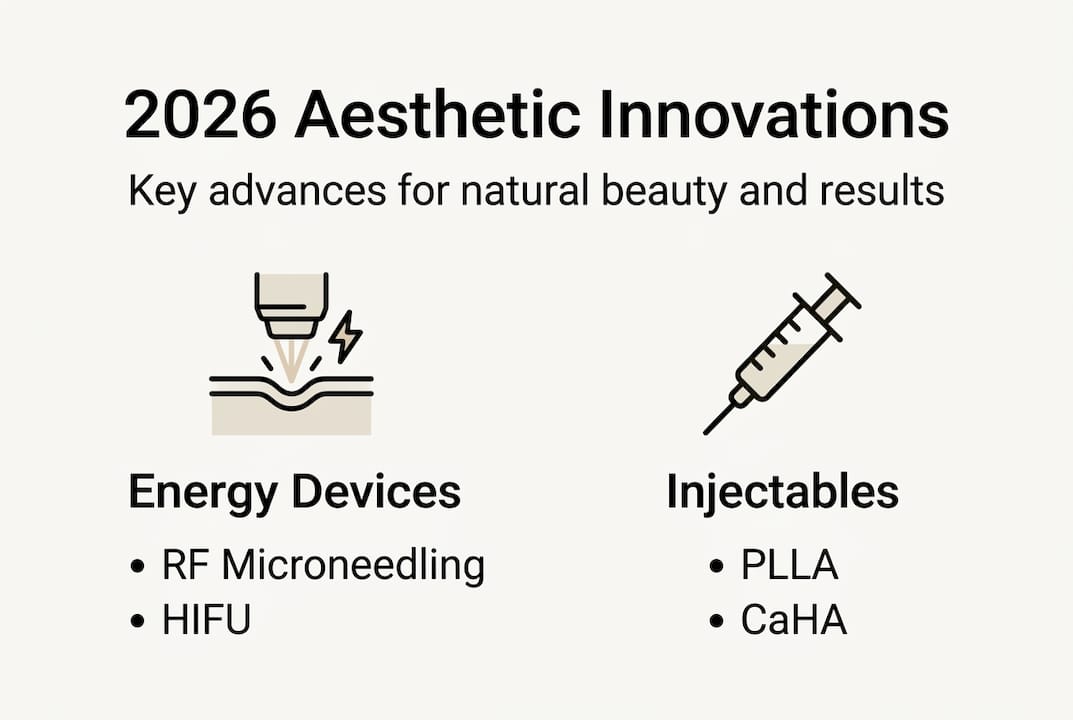
Layering injectables with energy-based devices yields significantly higher rejuvenation outcomes compared to monotherapy, as demonstrated in 2025 randomised controlled trials. Common pairings include RF microneedling followed by PLLA, or HIFU combined with HA skin boosters to restore hydration after tightening.
Benefits of combination protocols:
- Improved volume restoration alongside structural tightening
- Longer-lasting results due to multiple mechanisms working together
- Reduced downtime per session when treatments are staged appropriately
- Better outcomes for post-weight loss laxity, where both skin quality and volume loss need addressing
- Greater safety through lower doses of each individual treatment
“The most effective non-surgical rejuvenation plans address structure, volume, and skin quality simultaneously, with regular follow-up to maintain and build on results.”
For a structured approach, explore full facial rejuvenation options or read about the differences between dermal fillers vs anti-wrinkle treatments to understand how each fits into a layered plan.
Pro Tip: A bespoke treatment plan built around your specific anatomy, skin type, and lifestyle will always outperform a generic package. Ask for a detailed rationale behind every recommended treatment before you commit.
Personalisation and the future: How AI and precision medicine are reshaping treatments
Finally, the most exciting innovations lie in customisation, empowering women with data-driven approaches unique to their own biology. Personalisation is no longer a buzzword; it is becoming a clinical standard.
AI and cosmetogenomics now allow practitioners to customise injectables, device settings, and treatment sequences based on individual lifestyle factors and even genetic predispositions. This means fewer guessing games and more predictable outcomes from the very first session.
Emerging personalisation tools in 2026:
- Ultrasound-guided injectables: Real-time imaging ensures precise product placement, reducing risk and improving symmetry.
- Genomics-tailored protocols: Skin ageing patterns linked to genetics can now inform which biostimulators or devices are most likely to work for you.
- Digital monitoring apps: Photographic tracking tools allow practitioners to measure subtle improvements over time and adjust plans accordingly.
- Autologous and regenerative focus: The trend toward using your own biological material continues to grow, reducing immunological risk.
For London women, this means that the clinic you choose matters as much as the treatment itself. Practitioners who invest in ongoing education, use imaging tools, and take time to understand your medical history will consistently deliver better results. Read our post-treatment care tips to understand how personalised aftercare also plays a significant role in your outcomes.
In the next one to two years, expect to see AI-assisted consultations, genomic skin profiling, and expanded use of autologous therapies become more widely available in leading London clinics.
What most aesthetics guides get wrong: Practical innovation vs. marketing hype
Most articles about aesthetic innovation focus on the newest device or the most talked-about injectable. What they rarely address is the gap between novelty and genuine clinical value. At Monaz Clinic, we see this distinction every day.
The treatments that consistently deliver the best results are not necessarily the ones with the most marketing behind them. They are the ones backed by robust evidence, delivered by experienced practitioners, and tailored to your individual anatomy and skin type. A practitioner who knows how to layer PLLA with RF microneedling appropriately will achieve more for you than one who simply offers the latest device without a coherent plan.
London’s extraordinary diversity also means that cultural sensitivity and experience with Fitzpatrick III to V skin are non-negotiable, not optional extras. Explore examples of non-surgical facelifts to see what thoughtful, evidence-based planning actually looks like in practice. The most meaningful innovation is not what’s newest; it’s what’s right for you.
Ready to experience next-level results? Explore London’s innovative options
If this guide has clarified what genuinely effective, science-led aesthetics looks like, you are already better placed to make informed decisions about your care. At Monaz Clinic, 96 Harley Street, every treatment plan begins with a complimentary consultation where we listen, assess, and advise without pressure.
Whether you are curious about exosome skin rejuvenation, exploring dermal fillers prices, or considering anti-wrinkle options and want to review wrinkle softening prices, we are here to guide you clearly and honestly. Our approach combines medical expertise with an artistic eye, always prioritising your wellbeing and natural results above all else.
Frequently asked questions
Are non-surgical aesthetics safe for darker skin types?
Yes. Treatments such as PLLA with FMRF, polynucleotides, and pneumatic HA are proven safe and effective for Fitzpatrick III to V skin, with minimal complication risk when delivered by an experienced practitioner.
Which innovations last the longest and are worth the investment?
PLLA, autologous nanofat, and CaHA injectables offer the longest-lasting non-surgical results. PLLA with FMRF shows efficacy at 24 months, while CaHA consistently outperforms HA for longevity in areas such as the nasolabial folds.
Is there a difference between autologous and synthetic injectable treatments?
Yes. Autologous options such as nanofat or PRP use your own tissue, while synthetics like PLLA, CaHA, and HA are lab-made. Autologous nanofat is preferred for natural volume restoration, particularly in younger women, though synthetics offer greater dosing predictability.
How often do non-surgical results need maintaining?
Most treatments require annual or biannual maintenance. Non-surgical procedures require ongoing maintenance because results are gradual and not permanent, unlike surgical alternatives.
What’s the main advantage of combination protocols?
Combining injectables with energy-based devices produces longer-lasting, more natural results than either treatment alone. Combination therapies provide greater rejuvenation than monotherapy and address a wider range of concerns in a single, cohesive plan.
Recommended
- Natural beauty enhancement guide: non-surgical treatments 2026 – Monaz Clinic London
- Facial aesthetics explained: natural enhancement for women 2026 – Monaz Clinic London
- 7 Top Facial Rejuvenation Trends for Natural Results – Monaz Clinic London
- 7 Signs You Need Facial Aesthetics Naturally Explained – Monaz Clinic London