


Discover evidence-based natural beauty enhancement through non-surgical treatments. Learn which procedures deliver results, avoid unnatural outcomes, and find personalised aesthetic solutions in London.

Many women hesitate to explore beauty enhancements, fearing unnatural, frozen results that erase individuality. Yet modern non-surgical treatments offer a different path: subtle, restorative procedures that respect your unique facial anatomy whilst managing visible signs of ageing. This guide clarifies evidence-based options, practical steps, and expert insights to help you make informed decisions about natural aesthetic treatments tailored specifically for women seeking refined, harmonious improvements without surgical intervention or dramatic alteration.
Table of Contents
- Key takeaways
- Understanding what defines beauty enhancement
- Evidence-based insights into popular non-surgical treatments
- Avoiding unnatural results: the risk of oversimplified approaches
- Practical steps for natural, restorative beauty enhancement
- Explore natural, non-surgical treatments at Monaz Clinic London
- Frequently asked questions about natural beauty enhancement
Key Takeaways
| Point | Details |
|---|---|
| Personalised plans | Personalised facial aesthetic plans ensure treatments fit your unique features and avoid cookie cutter results. |
| Evidence based outcomes | Evidence based evaluations show some non surgical treatments deliver measurable improvements, though efficacy varies across procedures. |
| Avoid overgeneralisation | Avoiding uniform results through personalised assessment helps maintain facial harmony and preserves individuality. |
| Consultation essential | Consultations and personalised assessment are crucial to tailor safe, effective outcomes. |
| Subtle beauty philosophy | The aim is gentle enhancements that respect anatomy and maintain natural movement. |
Understanding what defines beauty enhancement
Beauty enhancement encompasses non-surgical treatments designed to refresh and restore facial features without altering your fundamental appearance. Unlike surgical interventions, these procedures work with your natural anatomy to address specific concerns whilst maintaining facial harmony. The goal centres on subtle improvements rather than dramatic transformation.
Non-surgical treatments fall into several categories, each serving distinct purposes. Skin rejuvenation procedures improve texture, tone, and overall skin quality through targeted interventions. Volume restoration addresses age-related facial volume loss in specific areas like cheeks, temples, or lips. Hydration treatments boost moisture levels and skin elasticity from within. These approaches can be combined strategically to achieve comprehensive yet natural results.
Personalisation stands as the cornerstone of effective beauty enhancement. Every face possesses unique proportions, bone structure, and ageing patterns that demand individualised treatment plans. Facial aesthetics require careful consideration of these variables to avoid cookie-cutter approaches that ignore anatomical diversity. Generic protocols often produce uniform, unnatural appearances that fail to respect individual character.
The risk of oversimplification becomes particularly evident when practitioners apply identical techniques across diverse patients. Dynamic mapping acknowledges facial variability and prevents the alienization effect, where treatments create an artificial, homogenised look. This approach requires thorough facial assessment, understanding of anatomical landmarks, and artistic judgment to enhance rather than erase distinctive features.
Effective beauty enhancement pursues these core objectives:
- Softening visible signs of ageing whilst maintaining natural movement and expression
- Restoring facial volume in areas depleted by time without creating artificial fullness
- Improving skin quality through evidence-based rejuvenation techniques
- Enhancing facial harmony by addressing proportional imbalances subtly
- Preserving individual uniqueness and avoiding standardised, uniform results
Personalising facial aesthetics naturally requires practitioners to balance clinical expertise with artistic sensitivity. The most successful outcomes emerge when treatments complement your existing features rather than imposing external ideals. This philosophy respects the fact that beauty exists across diverse facial types, ages, and ethnic backgrounds, making individualised approaches essential for authentic, lasting results that enhance confidence without compromising natural appearance.
Evidence-based insights into popular non-surgical treatments
Scientific research provides crucial insights into which non-surgical treatments deliver measurable benefits and which fall short of marketing claims. Recent clinical trials examining popular procedures reveal significant variations in efficacy, helping you make informed decisions grounded in evidence rather than anecdotal testimonials or promotional materials.
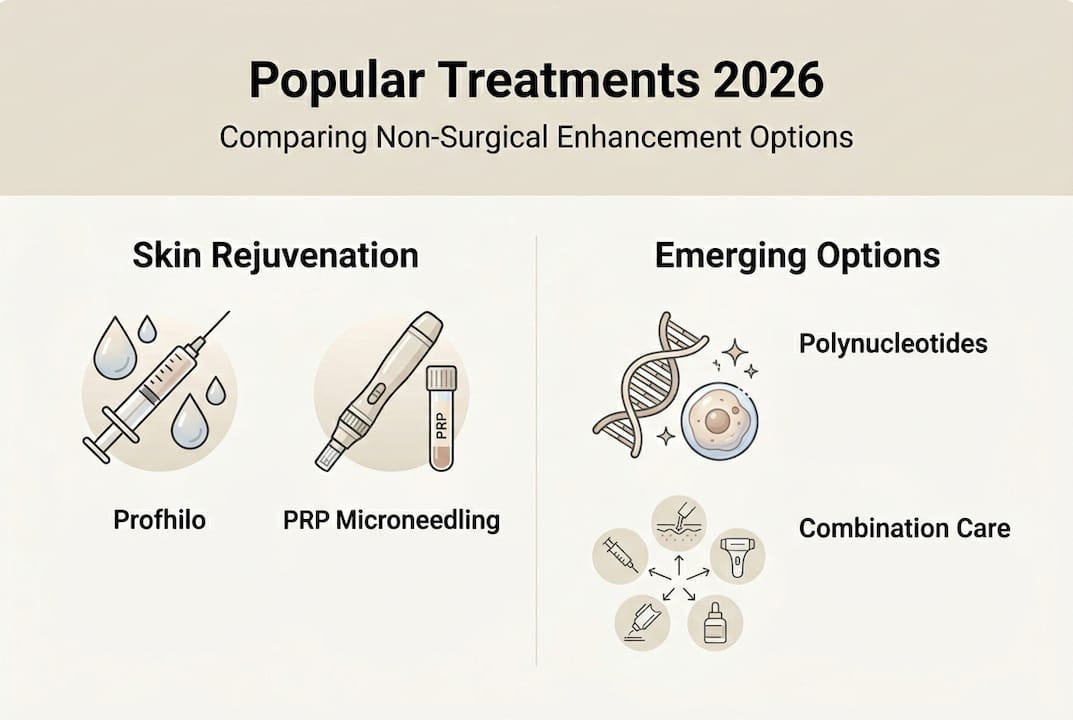
A comprehensive randomised controlled trial evaluated three widely marketed treatments: Profhilo, PRP microneedling, and polynucleotides. The study measured objective outcomes including wrinkle depth, dermal thickness, skin elasticity, and hydration levels across treatment groups. Results demonstrated that Profhilo reduced wrinkles and pores but showed no superiority over placebo for improving dermal thickness, challenging assumptions about its collagen-stimulating effects.
PRP microneedling, despite widespread popularity, produced disappointing results in controlled settings. The trial found that PRP microneedling lacked significant improvement over saline treatment in women over 45 seeking to address ageing skin. This suggests that whilst the procedure remains safe, its efficacy for mature skin rejuvenation may not justify the premium pricing many clinics charge.
Polynucleotides emerged as the most promising option, demonstrating measurable improvements in objective assessments. Clinical data confirmed that polynucleotides improved skin elasticity and hydration according to standardised benchmarks, supporting their use for patients seeking genuine skin quality enhancement rather than superficial improvements.
| Treatment | Wrinkle reduction | Dermal thickness | Skin elasticity | Hydration |
|---|---|---|---|---|
| Profhilo | Moderate improvement | No superiority vs placebo | Minimal change | Moderate improvement |
| PRP microneedling | Minimal improvement | No superiority vs saline | Minimal change | Slight improvement |
| Polynucleotides | Moderate improvement | Modest improvement | Significant improvement | Significant improvement |
| Placebo/Control | Slight improvement | Baseline maintenance | No change | No change |
These findings highlight the importance of tempering expectations with scientific reality. Many patients experience placebo effects, perceiving improvements that objective measurements fail to confirm. Whilst subjective satisfaction matters, understanding actual treatment capabilities prevents disappointment and helps you invest wisely in procedures with documented efficacy.
Pro tip: Before committing to any treatment, ask your practitioner about peer-reviewed studies supporting the specific procedure for your concern. Best practices for facial aesthetics include transparent discussion of evidence, realistic outcome predictions, and willingness to recommend alternatives when scientific support remains limited. Clinics prioritising safe cosmetic treatments will welcome these conversations rather than deflecting questions about efficacy data.
The gap between marketing claims and clinical evidence underscores why informed decision-making matters. Whilst some treatments deliver measurable benefits, others rely primarily on patient perception and placebo responses. Reviewing recent studies on aesthetic treatments before your consultation empowers you to ask targeted questions and select procedures with genuine scientific backing for your specific concerns.
Avoiding unnatural results: the risk of oversimplified approaches
Alienization represents one of the most significant risks in modern aesthetic practice. This term describes the unnatural, uniform appearance created when practitioners apply standardised treatment protocols without considering individual facial anatomy. The result manifests as an artificial look characterised by excessive smoothness, frozen expressions, or disproportionate features that signal obvious intervention rather than subtle enhancement.
Oversimplified approaches typically emerge from inadequate training or commercial pressure to maximise treatment volume. When practitioners treat every patient identically, they ignore crucial anatomical variations in muscle placement, bone structure, fat distribution, and skin thickness. This one-size-fits-all mentality produces the telltale signs many women fear: overfilled lips, immobile foreheads, or unnatural facial contours that erase distinctive character.
Dynamic mapping prevents alienization by acknowledging that facial anatomy varies significantly between individuals. This technique involves detailed assessment of facial proportions, muscle dynamics, and aesthetic goals before treatment. Rather than applying fixed injection patterns or standard product volumes, practitioners using dynamic mapping adjust techniques based on your unique facial structure and desired outcomes.
The benefits of personalised facial assessment extend beyond avoiding unnatural results. Individualised treatment plans typically require less product, reduce complication risks, and produce more harmonious outcomes that age naturally over time. By respecting your facial architecture, skilled practitioners enhance existing features rather than imposing artificial ideals that conflict with your natural appearance.
Best practices to prevent unnatural results include:
- Comprehensive facial analysis examining bone structure, soft tissue distribution, and muscle function before treatment
- Conservative product dosing with gradual enhancement over multiple sessions rather than aggressive single treatments
- Preservation of natural facial movement and expression through strategic injection placement
- Regular review appointments to assess results and adjust treatment plans based on actual outcomes
- Honest discussion of limitations and realistic expectations for specific procedures
A leading aesthetic expert emphasises this principle:
Dynamic mapping is essential to respect facial variability and prevent alienization. Practitioners must recognise that standardised protocols cannot account for individual anatomical differences, and personalised assessment remains the foundation of natural, harmonious results.
The facial assessment checklist used by experienced practitioners examines multiple factors including facial thirds proportions, symmetry variations, skin quality, and ageing patterns. This thorough evaluation informs treatment selection and technique modification to suit your specific needs. Clinics offering subtle facial enhancements in London prioritise this individualised approach over volume-based treatment models.
Understanding dynamic mapping in aesthetics helps you identify practitioners committed to natural results. During consultations, observe whether the practitioner conducts detailed facial analysis, discusses your unique anatomy, and explains how treatment plans will be tailored specifically for you. Generic recommendations or pressure to follow standardised treatment packages signal potential risk for unnatural outcomes that fail to respect your individual features.
Practical steps for natural, restorative beauty enhancement
Navigating non-surgical aesthetic treatments requires systematic evaluation and informed decision-making. Following structured steps ensures you select appropriate procedures, qualified practitioners, and realistic treatment plans aligned with your goals whilst prioritising safety and natural outcomes.
Define your specific concerns and desired outcomes clearly. Rather than vague goals like “look younger,” identify precise issues such as under-eye hollows, loss of cheek volume, or skin texture irregularities. This clarity enables practitioners to recommend targeted treatments rather than generic packages.
Research evidence-based treatment options for your identified concerns. Review clinical data, understand mechanism of action, and learn about expected results and limitations. Personalised consultations enable tailored plans that maximise natural results when built on informed patient understanding.
Schedule consultations with qualified practitioners who prioritise individualised assessment. During these appointments, evaluate whether the practitioner conducts thorough facial analysis, discusses your medical history comprehensively, and explains treatment rationale clearly. Red flags include rushed consultations, pressure to commit immediately, or dismissal of your questions.
Request detailed information about proposed treatments including product types, injection techniques, expected timelines, and potential risks. Reputable practitioners provide transparent explanations and welcome questions rather than offering vague reassurances or deflecting concerns.
Verify practitioner qualifications, registration status, and experience with specific procedures. In the UK, ensure your practitioner holds appropriate medical qualifications and operates under proper clinical governance with GMC-registered doctor oversight.
Review before-and-after photographs demonstrating natural results similar to your goals. Be wary of dramatic transformations or uniform appearances across different patients, as these suggest standardised approaches rather than personalised treatments.
Understand the complete treatment journey including preparation requirements, procedure details, recovery expectations, and maintenance needs. Comprehensive planning prevents surprises and ensures you can commit fully to the process.
Start conservatively with minimal intervention, particularly for first treatments. Gradual enhancement allows assessment of results, adjustment of subsequent sessions, and preservation of natural appearance throughout the process.
A cosmetic consultation for facial aesthetics should feel collaborative rather than transactional. The practitioner should listen attentively to your concerns, respect your preferences, and provide honest feedback about realistic outcomes. This partnership approach ensures treatment plans reflect your goals whilst incorporating clinical expertise and safety considerations.
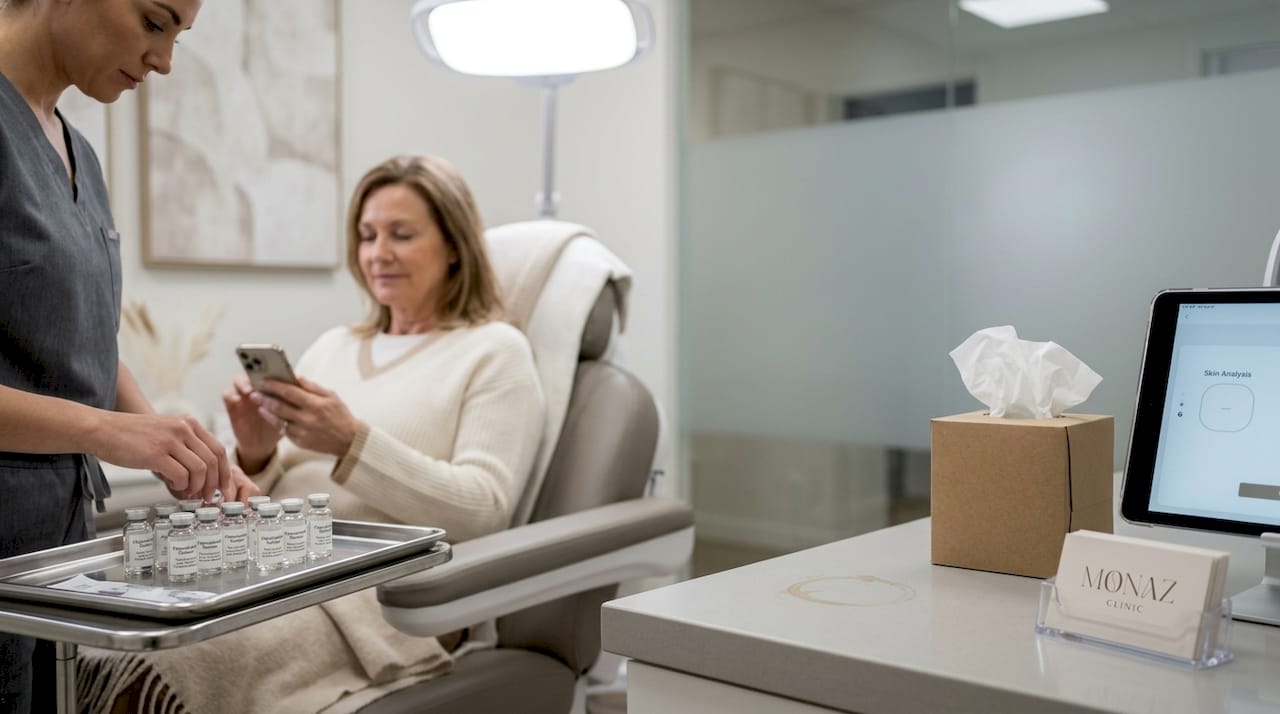
When learning how to select a cosmetic clinic in London, prioritise establishments offering comprehensive consultations, transparent pricing, and clear aftercare protocols. The clinic environment should feel professional, clean, and welcoming, with staff who answer questions thoroughly and never pressure you toward immediate decisions.
Pro tip: Request a staged treatment plan that builds results incrementally over several months rather than attempting comprehensive enhancement in a single session. This approach allows natural settling between treatments, enables assessment of how your face responds to specific products, and prevents overcorrection that creates unnatural results. Gradual enhancement also proves more cost-effective, as you invest only in treatments that demonstrably benefit your specific concerns.
Treatment suitability and safety assessment involves reviewing your medical history, current medications, allergies, and previous aesthetic procedures. Certain conditions or medications may contraindicate specific treatments, making honest disclosure essential for your safety. Reputable practitioners will postpone or decline treatment when medical factors increase risk, prioritising your wellbeing over commercial considerations.
Explore natural, non-surgical treatments at Monaz Clinic London
If you’re seeking expert guidance on natural beauty enhancement, Monaz Clinic on Harley Street specialises in non-surgical treatments that respect your individual anatomy. Our comprehensive range includes polynucleotide therapy, skin boosters, and targeted rejuvenation procedures, all delivered through personalised treatment plans designed specifically for women.
We understand that affordable aesthetic treatments matter alongside quality outcomes. Our transparent pricing and complimentary consultations ensure you make informed decisions without pressure. For advanced skin rejuvenation, our exosome treatment offers cutting-edge technology to improve skin quality naturally. Every treatment begins with thorough facial assessment to create plans that enhance your features whilst preserving the characteristics that make you uniquely you. Discover how facial aesthetics can enhance naturally through expert, evidence-based care.
Frequently asked questions about natural beauty enhancement
What distinguishes natural beauty enhancement from surgical procedures?
Natural beauty enhancement uses non-surgical treatments like injectables and skin rejuvenation to refresh your appearance subtly without incisions, general anaesthesia, or significant downtime. These procedures work with your existing anatomy to restore volume, improve skin quality, and soften ageing signs whilst preserving natural movement and individual character, unlike surgical interventions that restructure facial features permanently.
How are treatments personalised at clinics like Monaz?
Personalisation begins with comprehensive facial assessment examining your bone structure, soft tissue distribution, skin quality, and ageing patterns. Practitioners then design treatment plans specific to your anatomy, concerns, and goals rather than applying standardised protocols. This individualised approach considers factors like facial proportions, muscle dynamics, and aesthetic preferences to create harmonious results that enhance rather than alter your distinctive features.
What safety considerations apply to non-surgical aesthetic treatments?
Safety depends on practitioner qualifications, proper medical oversight, sterile technique, and appropriate product selection. Choose clinics with GMC-registered doctor supervision, medically qualified practitioners, and comprehensive consultation processes. Disclose your complete medical history, current medications, and previous treatments to identify potential contraindications. Reputable practitioners prioritise safety over sales, postponing treatment when medical factors increase risk.
How long before visible results appear after treatment?
Timelines vary by procedure type. Injectable treatments like dermal fillers show immediate volume enhancement, though final results emerge after two weeks once swelling subsides and product settles. Skin rejuvenation treatments including polynucleotides or microneedling require multiple sessions over several months, with gradual improvements becoming noticeable as collagen production increases and skin quality enhances progressively.
What maintains results after completing initial treatments?
Maintenance requirements depend on treatment type and individual factors including age, lifestyle, and skin condition. Most injectable treatments require touch-up sessions every six to eighteen months as products gradually metabolise. Skin rejuvenation benefits extend longer but benefit from annual maintenance sessions. Protecting skin from sun damage, maintaining healthy lifestyle habits, and following practitioner recommendations for skincare optimise longevity of results.
Can treatments address multiple concerns simultaneously?
Yes, combining complementary treatments often produces comprehensive results addressing various concerns efficiently. For example, polynucleotides improve skin quality whilst dermal fillers restore volume in specific areas. However, staged approaches typically prove safer and more effective than attempting extensive treatment in single sessions. Experienced practitioners design combination treatment plans that sequence procedures appropriately, allowing adequate healing between interventions whilst building results progressively toward your aesthetic goals.