




Post-treatment care in London: discover why bespoke aftercare matters, what to expect after non-surgical treatments, and expert tips for lasting, natural results.

Over 80 percent of British women in Central London now choose non-surgical cosmetic procedures for subtle, natural enhancements. Achieving beautiful, lasting results takes more than just expert treatment. Thoughtful post-treatment care plays a vital role in how your skin heals and how your appearance evolves after each session. Learn how targeted aftercare advice gives you confidence, comfort, and the bright results you want from your trusted clinic experience.
Table of Contents
- What Is Post-Treatment Care? Essential Principles
- Variations in Non-Surgical Cosmetic Aftercare
- Immediate Recovery: First 48 Hours Explained
- Ongoing Healing and Maintaining Results Safely
- Risks, Common Pitfalls and When To Seek Help
Key Takeaways
| Point | Details |
|---|---|
| Importance of Post-Treatment Care | Proper post-treatment care is crucial for optimal recovery, enhanced results, and patient satisfaction following non-surgical cosmetic procedures. |
| Tailored Aftercare Approach | Each treatment type requires specific aftercare techniques tailored to individual skin responses and procedure guidelines to maximise results. |
| Monitoring and Early Detection | Vigilance for warning signs such as persistent redness or abnormal swelling during recovery can mitigate complications and ensure timely intervention. |
| Ongoing Support and Maintenance | Continued professional follow-ups and personalised skincare practices are essential for sustaining aesthetic treatment results over time. |
What Is Post-Treatment Care? Essential Principles
Post-treatment care represents a critical phase in non-surgical cosmetic procedures that ensures optimal recovery, sustained results, and patient satisfaction. At its core, this process involves a strategic approach to supporting your skin’s healing and maintaining the aesthetic enhancements achieved during your treatment at Monaz Clinic.
Understanding post-treatment care requires recognising that every aesthetic intervention—whether dermal fillers, skin rejuvenation, or advanced facial treatments—demands specific aftercare protocols. These protocols are designed to minimise potential complications, reduce inflammation, and support the body’s natural healing mechanisms. Proper care can significantly influence the longevity and quality of your treatment results, making it an integral component of your aesthetic journey.
The essential principles of post-treatment care encompass several key elements:
- Skin Protection: Shielding treated areas from direct sunlight and environmental stressors
- Hydration: Maintaining optimal skin moisture levels to support healing
- Gentle Management: Avoiding aggressive skincare routines or excessive touching of treated areas
- Inflammation Control: Using recommended cooling techniques or specialised products to minimise swelling
- Follow-up Consultations: Scheduling professional assessments to monitor recovery progress
Each treatment at Monaz Clinic requires a nuanced approach, recognising that individual skin responses can vary. Our medical professionals provide personalised post-treatment guidance tailored to your specific procedure and unique skin characteristics. This bespoke approach ensures that you receive precise instructions aligned with your treatment goals and skin’s individual needs.
Pro tip: Keep a detailed post-treatment journal documenting your skin’s response, healing progress, and any questions to discuss during your follow-up consultation.
Variations in Non-Surgical Cosmetic Aftercare
Non-surgical cosmetic treatments require nuanced aftercare strategies that adapt to specific procedures, individual skin types, and unique patient characteristics. Understanding these variations is crucial for achieving optimal healing and maintaining exceptional aesthetic results across different interventions.
Each treatment modality demands a tailored approach, recognising that dermal fillers, skin rejuvenation techniques, and advanced facial treatments present distinct post-procedure requirements. The Joint Council for Cosmetic Practitioners guidelines.pdf) emphasise the importance of personalised aftercare instructions that account for individual patient needs and specific treatment parameters.
Key variations in non-surgical cosmetic aftercare include:
- Dermal Fillers: Typically require minimal downtime with specific instructions around:
- Avoiding excessive facial movements
- Minimising direct heat exposure
- Gentle massage techniques
- Skin Rejuvenation Treatments: Often involve more comprehensive recovery protocols:
- Extended sun protection measures
- Specialised hydration strategies
- Gradual reintroduction of skincare products
- Botulinum Toxin Treatments: Demand precise movement restrictions and positioning guidelines
These variations highlight the complexity of post-treatment care, where one-size-fits-all approaches are ineffective. Professional clinics like Monaz Clinic recognise that each patient’s skin responds differently, necessitating bespoke aftercare recommendations that consider factors such as skin sensitivity, age, previous treatment history, and individual healing capacities.
Here is a comparison of aftercare needs for common non-surgical cosmetic treatments:
| Treatment Type | Downtime Required | Primary Aftercare Focus | Typical Follow-up Period |
|---|---|---|---|
| Dermal Fillers | Minimal | Avoid facial strain, gentle care | 1-2 weeks |
| Skin Rejuvenation | Moderate | Enhanced hydration, UV protection | 2-4 weeks |
| Botulinum Toxin | Short | Strict movement restrictions | 1-3 weeks |
Pro tip: Photograph your treated areas immediately after the procedure to track healing progress and discuss any concerns during follow-up consultations.
Immediate Recovery: First 48 Hours Explained
The initial 48 hours following a non-surgical cosmetic treatment represent a critical period that demands careful attention, strategic management, and proactive self-care. During this crucial timeframe, your body initiates its natural healing processes, and the actions you take can significantly influence the overall treatment outcome and aesthetic results.
According to National Institute for Health and Care Excellence post-operative recovery guidelines, the immediate recovery phase requires comprehensive monitoring and precise intervention strategies. This period involves managing potential side effects, minimising inflammation, and creating optimal conditions for healing and tissue integration.
Key considerations during the first 48 hours include:
- Physical Response Management:
- Monitor treatment areas for unexpected swelling
- Track any subtle changes in skin texture or colour
- Observe potential asymmetry or unusual reactions
- Activity Restrictions:
- Avoid vigorous exercise
- Minimise facial movements that strain treated areas
- Prevent direct pressure on treatment sites
- Environmental Protection:
- Stay in cool, controlled environments
- Avoid direct sunlight and excessive heat
- Maintain gentle skincare routine
The Royal College of Surgeons’ aftercare guidance emphasises the importance of understanding your body’s unique healing response. Professional clinics like Monaz Clinic provide personalised recovery protocols that account for individual skin characteristics, treatment specifics, and potential variability in healing trajectories.
Pro tip: Prepare a dedicated recovery kit with recommended cooling compresses, gentle cleansers, and prescribed aftercare products before your treatment to ensure seamless immediate post-procedure management.
Ongoing Healing and Maintaining Results Safely
Maintaining aesthetic treatment results requires a sophisticated, multifaceted approach that extends far beyond the initial recovery period. Successful long-term outcomes depend on understanding your skin’s unique healing trajectory and implementing strategic care protocols that support tissue regeneration and preserve treatment enhancements.
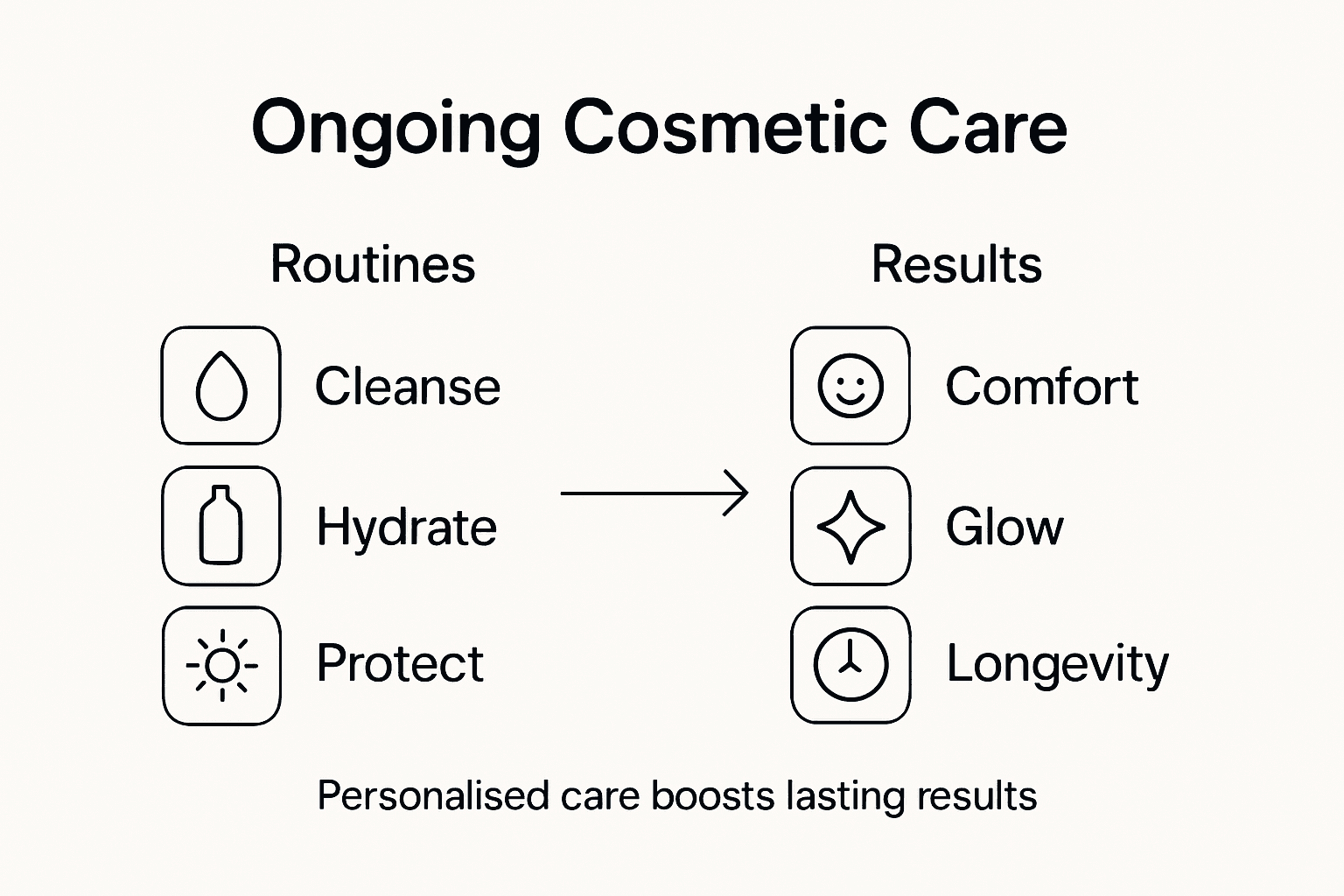
According to expert London-based aftercare insights, ongoing healing demands a nuanced strategy that balances professional guidance with personalised skincare practices. This approach involves continuous monitoring, gentle interventions, and proactive maintenance techniques designed to optimise and extend your treatment’s aesthetic benefits.
Key strategies for sustained results include:
- Skin Nutrition:
- Consume antioxidant-rich foods
- Stay consistently hydrated
- Support collagen production through targeted nutrition
- Protection Protocols:
- Use high-SPF broad-spectrum sunscreen daily
- Minimise environmental stress exposure
- Implement gentle, non-aggressive skincare routines
- Professional Follow-up:
- Schedule regular assessment appointments
- Track subtle changes in skin texture and response
- Adjust care strategies based on professional recommendations
Monaz Clinic’s approach emphasises individualised ongoing care, recognising that each patient’s skin responds uniquely to aesthetic treatments. This personalised methodology ensures that your healing journey is carefully monitored, with interventions tailored to your specific physiological characteristics and aesthetic goals.
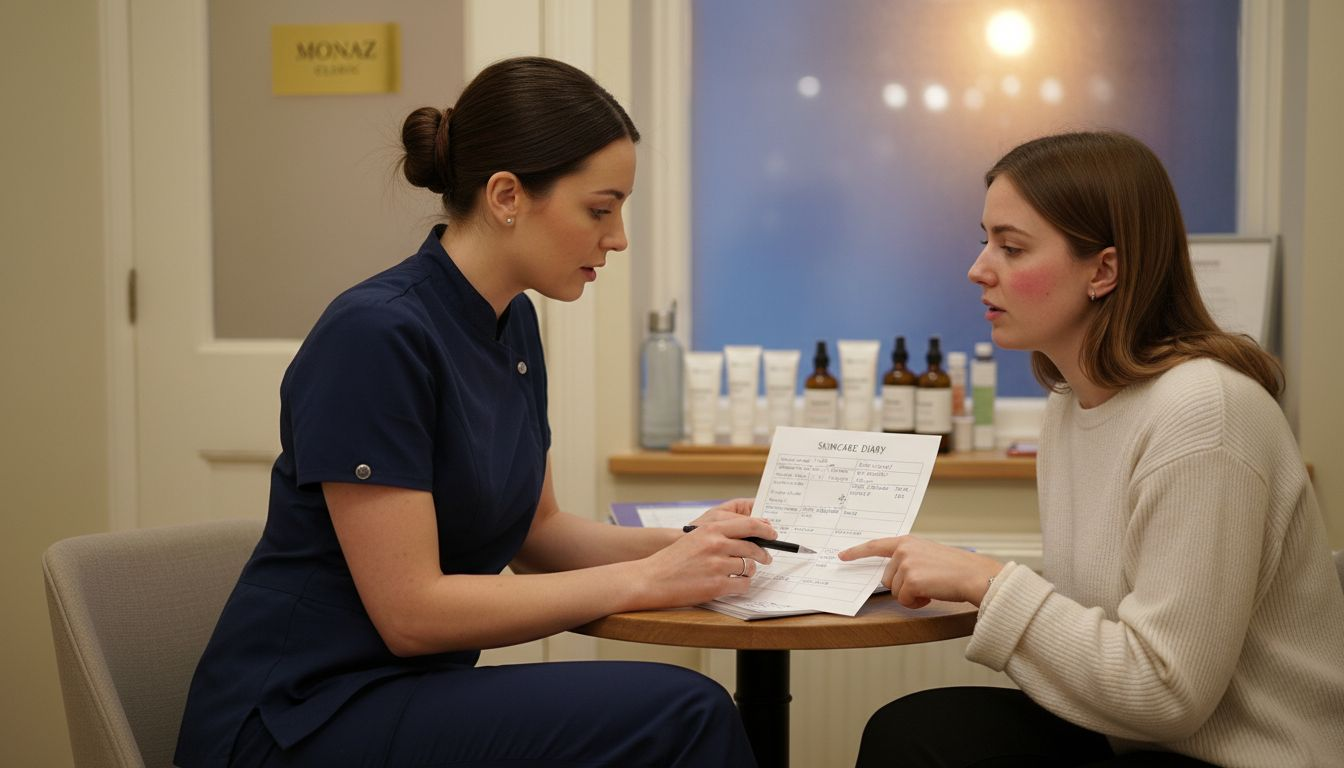
Pro tip: Create a dedicated skincare diary documenting your treatment response, product usage, and any subtle changes to provide comprehensive insights during your next professional consultation.
Risks, Common Pitfalls and When To Seek Help
Non-surgical cosmetic treatments, while generally safe, involve potential risks that require informed understanding and proactive monitoring. Recognising early warning signs and understanding when professional intervention becomes necessary can significantly mitigate potential complications and protect your aesthetic investment.
According to Royal College of Surgeons’ patient aftercare guidance, patients should remain vigilant about specific indicators that might suggest a need for immediate medical consultation. Understanding these signals empowers you to take swift, appropriate action during your recovery journey.
Potential risks and warning signs include:
- Infection Indicators:
- Persistent redness beyond 48 hours
- Unusual warmth around treatment area
- Discharge or pus formation
- Escalating pain unresponsive to standard management
- Physiological Complications:
- Asymmetrical swelling or lumps
- Unexpected skin discolouration
- Prolonged numbness or altered sensation
- Signs of allergic reaction
- Escalation Protocols:
- Contact clinic within 24 hours of noticing abnormal symptoms
- Prepare detailed documentation of observed changes
- Avoid self-treatment or internet-based remedies
Monaz Clinic emphasises a patient-centric approach, encouraging open communication and immediate reporting of any concerns. Our medical professionals are trained to provide rapid assessment and personalised guidance, ensuring your safety remains the paramount consideration throughout your aesthetic journey.
To help understand early warning signs post-procedure, see this quick reference:
| Warning Sign | Possible Cause | Recommended Action |
|---|---|---|
| Persistent redness | Infection | Contact clinic immediately |
| Sudden swelling or lumps | Allergic or vascular issue | Seek medical evaluation |
| New skin discolouration | Circulation impairment | Urgent clinic assessment |
| Delayed pain or numbness | Nerve involvement | Notify practitioner promptly |
Pro tip: Take clear, well-lit photographs of your treatment area immediately after the procedure to provide a baseline reference for comparing any subsequent changes.
Expert Post-Treatment Care Designed for You at Monaz Clinic
Understanding the crucial importance of post-treatment care is the first step towards achieving lasting, natural-looking results from non-surgical cosmetic treatments. This article highlights common challenges such as managing inflammation, protecting your skin from environmental damage, and recognising early warning signs after procedures. At Monaz Clinic, we address these concerns with personalised aftercare plans tailored specifically for women, ensuring your skin heals beautifully while maintaining your desired aesthetic.
Experience the difference of expert guidance and meticulous care from a medically qualified team. Whether you are considering dermal fillers, skin rejuvenation, or other bespoke treatments, we are committed to supporting you throughout your healing journey with clear instructions and compassionate follow-up. Discover how our award-winning approach can help you reveal your best self with confidence by visiting Monaz Clinic.
Start your personalised aesthetic experience today by booking a complimentary consultation. Learn how our expert team helps you master every stage of post-treatment care safely and effectively. Explore our offerings and expert insights at Monaz Clinic and take the first step towards radiant, healthy skin that lasts.
Frequently Asked Questions
What is post-treatment care and why is it important?
Post-treatment care refers to the strategies implemented after non-surgical cosmetic procedures to ensure optimal recovery, sustained results, and overall patient satisfaction. It is crucial as proper care can significantly impact the longevity and quality of aesthetic enhancements.
What should I do during the first 48 hours after my treatment?
During the first 48 hours, focus on managing any physical responses by monitoring treated areas for swelling, avoiding vigorous exercise, and protecting your skin from environmental stressors. Maintaining a gentle skincare routine and staying in controlled environments are also essential for optimal recovery.
How can I maintain the results of my cosmetic treatment long-term?
To maintain your treatment results, adopt a multifaceted approach involving skin nutrition, daily sun protection with high-SPF sunscreen, and regular professional follow-up appointments to monitor skin changes and adjust care strategies as needed.
What are the warning signs that I should seek help after a cosmetic treatment?
Warning signs that warrant immediate medical attention include persistent redness beyond 48 hours, unusual warmth around treatment areas, discharge or pus formation, unexpected skin discolouration, prolonged numbness, or escalating pain. It’s important to contact your clinic if you observe any of these symptoms.