




Discover essential post-treatment care tips to enhance your natural beauty after non-surgical aesthetic procedures. Expert advice for women in London seeking lasting, radiant results.
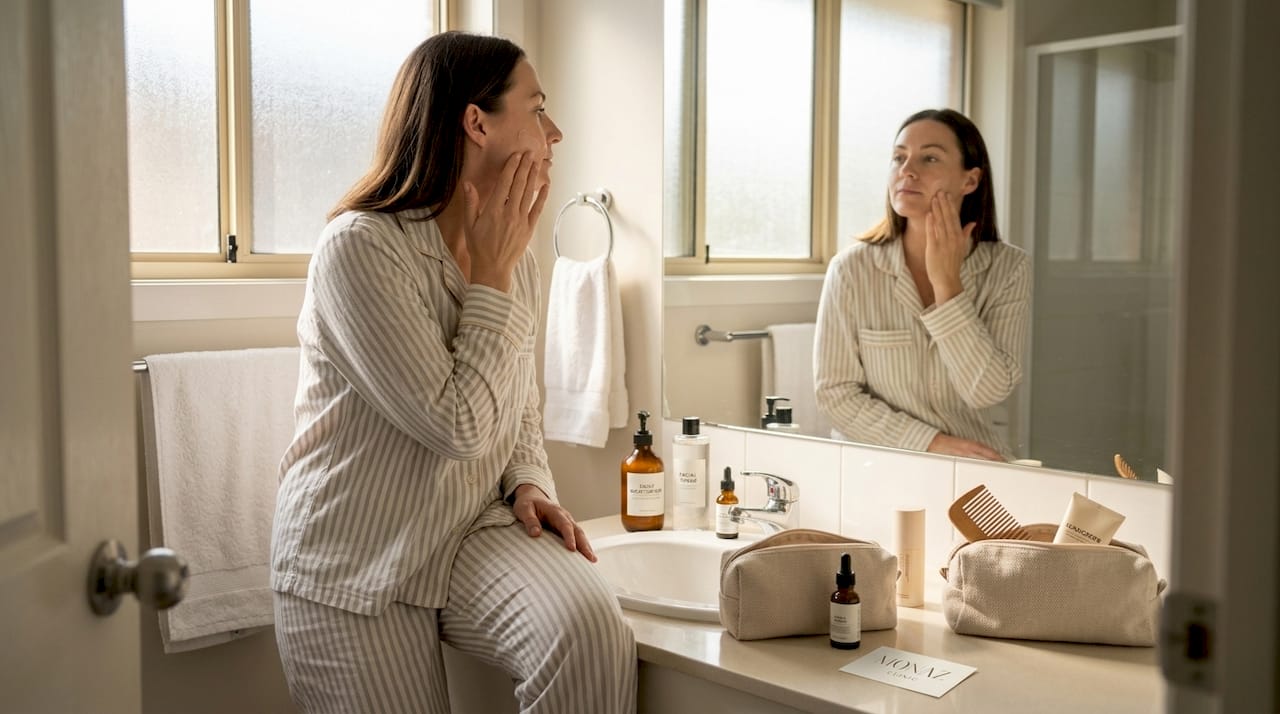
Achieving beautiful results from non-surgical aesthetic treatments is only half the journey. Many women experience unnecessary swelling, prolonged redness, or uneven healing simply because they lack clear guidance on post-treatment care. Proper aftercare not only speeds recovery but also maximises the longevity and natural appearance of your results. This guide walks you through essential post-treatment care tips tailored specifically for women in London seeking to enhance their natural beauty and maintain healthy, radiant skin after aesthetic procedures.
Table of Contents
- Key takeaways
- Preparing for post-treatment care: essential prerequisites
- Step-by-step post-treatment care instructions
- Common post-treatment mistakes and how to avoid them
- Expected results and when to seek professional advice
- Explore expert aesthetic treatments at Monaz Clinic London
- Frequently asked questions
Key Takeaways
| Point | Details |
|---|---|
| Effective aftercare sustains outcomes | Proper aftercare speeds recovery and helps preserve the natural look and longevity of your results. |
| Avoid activities to aid healing | Avoiding heat, strenuous exercise and direct sun in the first 24 to 48 hours supports calmer healing. |
| Hydration and protection enhance recovery | Keep skin hydrated with fragrance free moisturisers and broad spectrum SPF to protect your skin and bolster its barrier. |
| Professional guidance essential | Follow personalised aftercare instructions provided by your clinician for best results and to minimise complications. |
Preparing for post-treatment care: essential prerequisites
Successful post-treatment care begins before you even leave the clinic. Preparation ensures you have everything needed to support your skin’s healing process and avoid common pitfalls that can compromise your results.
Start by cleansing your skin gently before your appointment. Arrive with a clean face free of makeup, oils, and heavy skincare products. This allows your practitioner to work on a fresh canvas and reduces the risk of introducing bacteria into treated areas. After your procedure, have cooling gels or ice packs ready at home. Immediate cooling and avoiding sun exposure after treatment reduce inflammation and improve outcomes, making these simple tools invaluable during the first 24 hours.
Stock up on recommended moisturisers and sunscreens before your appointment. Your clinician will likely suggest gentle, fragrance-free products that won’t irritate freshly treated skin. Broad-spectrum SPF 30 or higher is essential, as your skin becomes more vulnerable to UV damage post-treatment. Avoid alcohol and certain medications like aspirin or ibuprofen for at least 24 hours before and after your procedure, as these can thin the blood and increase bruising. Always disclose your full medication list to your practitioner during consultation.
Understanding your treatment-specific aftercare instructions is crucial. Each procedure has unique requirements. For example, dermal fillers may require you to avoid touching or massaging the area, whilst microneedling demands strict hygiene and minimal product use initially. Take notes during your appointment or ask for written instructions. If you’re preparing for cosmetic treatments, familiarising yourself with general aftercare principles beforehand can ease anxiety and set realistic expectations.
Pro tip: Create a post-treatment care kit before your appointment. Include gentle cleanser, recommended moisturiser, SPF, cooling gel packs, and any prescribed topical treatments. Having everything organised in advance removes stress and ensures you can focus entirely on recovery.
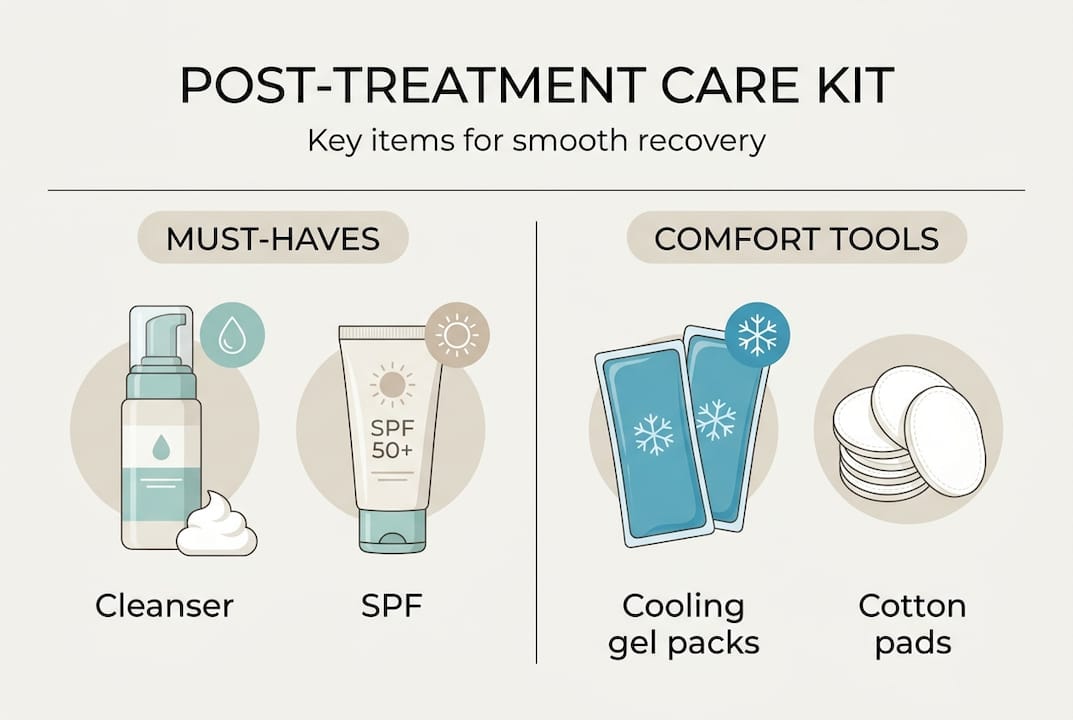
Here’s a quick reference table for essential post-treatment supplies:
| Item | Purpose | When to use |
|---|---|---|
| Cooling gel packs | Reduce swelling and discomfort | First 24-48 hours |
| Gentle cleanser | Maintain hygiene without irritation | Daily, starting 24 hours post-treatment |
| Fragrance-free moisturiser | Hydrate and support skin barrier | Twice daily after initial 24 hours |
| Broad-spectrum SPF 30+ | Prevent pigmentation and UV damage | Every morning, reapply every 2 hours outdoors |
| Prescribed topical treatments | Address specific concerns per clinician advice | As directed by your practitioner |
Step-by-step post-treatment care instructions
Once you’ve prepared adequately, following a structured care routine day by day will help your skin heal beautifully and maintain the natural results you desire.
First 24 hours: minimise stress on treated areas. Avoid heat sources like saunas, hot showers, and direct sunlight. Skip strenuous exercise and alcohol, as both can increase blood flow and worsen swelling. Keep your head elevated when resting to reduce fluid accumulation. Apply cooling packs gently for 10-minute intervals if swelling occurs, but never place ice directly on skin.
Keep skin hydrated with approved products. After the initial 24 hours, cleanse your face gently with a mild, non-foaming cleanser. Pat dry with a clean towel and apply a fragrance-free moisturiser recommended by your clinician. Hydration supports the skin barrier and accelerates healing. Avoid heavy creams or oils that might clog pores or interfere with treatment results.
Use sun protection daily to prevent pigmentation. UV exposure can cause hyperpigmentation and compromise your results. Apply broad-spectrum SPF every morning, even on cloudy days or when staying indoors near windows. Reapply every two hours if you’re outside. Consider wearing a wide-brimmed hat for additional protection during the first week.
Avoid touching or massaging the treated area unnecessarily. Your hands carry bacteria, and excessive manipulation can shift fillers or irritate injection sites. If you must touch your face, wash your hands thoroughly first. Resist the urge to inspect or press on treated areas, even if you notice slight asymmetry or swelling. Most minor irregularities resolve naturally within days.
Monitor your skin for adverse reactions and know when to contact your clinician. Normal post-treatment effects include mild redness, slight swelling, and tenderness. However, prolonged pain, severe swelling, unusual warmth, or signs of infection require immediate professional attention. Keep your clinic’s contact information handy and don’t hesitate to reach out with concerns.
Following a structured care routine after fillers enhances longevity and appearance of results. This disciplined approach applies equally to other treatments like anti-wrinkle injections, skin boosters, and microneedling. If you want to recover after fillers step-by-step, adhering to these instructions will make a noticeable difference in how quickly and smoothly your skin heals.
Pro tip: Set reminders on your phone for SPF reapplication and skincare routines. Consistency is key, and small prompts can help you stay on track during the busy days following your treatment.
Common post-treatment mistakes and how to avoid them
Even with the best intentions, many women inadvertently sabotage their results by making simple but impactful mistakes. Recognising these pitfalls and knowing how to sidestep them will protect your investment and ensure optimal outcomes.
Avoid sunbathing and sauna use too early. Heat dilates blood vessels, prolonging swelling and increasing bruising. Wait at least one week before exposing treated skin to saunas, steam rooms, or prolonged sun exposure. If you must be outdoors, prioritise shade and high SPF.
Do not scratch or pick at treated areas. Itching can occur as skin heals, but scratching introduces bacteria and can cause scarring or infection. If discomfort persists, apply a cool compress or consult your clinician about suitable soothing products.
Steer clear of aggressive skincare products initially. Retinoids, acids, and exfoliants can irritate freshly treated skin. Pause these products for at least one week post-treatment, or longer if your clinician advises. Stick to gentle, hydrating formulas that support rather than stress your skin barrier.
Recognise signs of infection or complications early. Many patients prolong swelling or bruising by exposing skin to sun or heat too soon after treatment. Beyond that, watch for increasing redness, warmth, pus, or fever. These symptoms warrant immediate medical attention. Early intervention prevents minor issues from escalating.
Follow clinician advice rather than anecdotal sources. Social media and friends may offer well-meaning but inaccurate aftercare tips. Your practitioner knows your specific treatment and skin type. Trust their guidance over generic internet advice. If you’re uncertain about conflicting information, ask your clinic directly.
One patient shared her experience:
“I thought a hot bath would help me relax after my filler appointment. Instead, my lips swelled twice as much overnight. I learned the hard way that following every instruction matters, even the ones that seem minor.”
This highlights how seemingly harmless choices can derail recovery. When in doubt, err on the side of caution and consult your practitioner. Understanding post-treatment care explained in detail can prevent such setbacks and give you confidence in your aftercare decisions.
Expected results and when to seek professional advice
Knowing what to expect during recovery helps you stay calm and recognise when something genuinely needs attention. Healing timelines vary by treatment type, but general patterns can guide your expectations.
Typical timelines for common side effects include mild redness and swelling subsiding within 24 to 48 hours for most injectable treatments. Bruising, if it occurs, usually fades within five to seven days. More intensive procedures like microneedling may cause redness for up to three days and slight peeling as skin renews. Knowing normal healing timelines helps manage expectations and reduces anxiety post-treatment.
Differentiating normal effects from complications is essential. Mild tenderness, slight asymmetry that evens out within days, and minimal swelling are all typical. However, severe pain, persistent swelling beyond one week, visible lumps that don’t resolve, or signs of infection require prompt clinical review. Trust your instincts. If something feels wrong, it’s always better to check.
Contact your clinic immediately if you experience prolonged pain that worsens rather than improves, unusual warmth or redness spreading from the treated area, or any discharge or fever. These symptoms may indicate infection or other complications that need swift intervention. Most clinics offer follow-up support, so don’t hesitate to reach out.
Scheduled follow-up appointments provide an opportunity to assess your results and address any concerns. These sessions allow your practitioner to evaluate healing, make minor adjustments if needed, and discuss long-term maintenance. Regular check-ins ensure you continue to enjoy natural, beautiful results over time.
Long-term maintenance advice includes maintaining a consistent skincare routine with gentle, high-quality products. Continue daily SPF use to protect against premature ageing and pigmentation. Consider periodic touch-up treatments as recommended by your clinician to sustain your refreshed appearance. If you’re planning aesthetic treatments, building maintenance into your schedule from the start ensures lasting satisfaction.
Here’s a comparison of normal versus concerning post-treatment symptoms:
| Symptom | Normal | Concerning |
|---|---|---|
| Redness | Mild, fades within 24-48 hours | Spreading, intense, or worsening after 48 hours |
| Swelling | Slight, resolves within 2-3 days | Severe, persists beyond one week |
| Bruising | Minor, fades within 5-7 days | Extensive, accompanied by severe pain |
| Tenderness | Mild discomfort, improves daily | Sharp pain, worsening over time |
| Lumps | Small, even out within days | Hard, visible, or painful lumps lasting over one week |
Explore expert aesthetic treatments at Monaz Clinic London
Now that you understand the importance of post-treatment care, choosing a clinic that prioritises both exceptional results and comprehensive aftercare is vital. Monaz Clinic, located at 96 Harley Street in central London, offers a full range of non-surgical aesthetic treatments exclusively for women. Led by Mrs Mona Zirak, a medically qualified practitioner, and overseen by a GMC-registered doctor, every procedure is delivered with precision, safety, and a focus on enhancing your natural beauty.
From anti-wrinkle injections and dermal fillers to advanced skin boosters and microneedling, our treatments are tailored to your unique needs. We provide personalised aftercare plans to ensure you heal beautifully and maintain your results long-term. Explore our affordable aesthetic treatments pricing to find options that suit your goals and budget. For cutting-edge skin rejuvenation, discover our exosome treatment for skin rejuvenation, or review our fat dissolving price list if body contouring interests you. Every appointment begins with a complimentary consultation, giving you the opportunity to discuss your concerns and receive expert guidance in a supportive, private environment.
Frequently asked questions
How soon can I resume normal activities after treatment?
Most gentle activities can resume within 24 to 48 hours, but strenuous exercise should be avoided for several days. High-intensity workouts increase blood flow and can worsen swelling or bruising. Always follow your clinician’s specific guidance, as different treatments have varying recovery timelines.
What skincare products should I avoid after my aesthetic procedure?
Avoid exfoliants, retinoids, and strong acids initially, as these can irritate freshly treated skin. Use mild, hydrating cleansers and moisturisers recommended by your clinician. Reintroduce active ingredients gradually once your skin has fully healed, typically after one to two weeks.
Can I wear makeup soon after my treatment?
Typically, it’s best to avoid makeup for at least 24 hours to prevent introducing bacteria or irritating injection sites. Use clean, gentle products once allowed to prevent further irritation. Mineral-based makeup is often a safer choice when you do resume application.
How important is sun protection after aesthetic treatments?
Sun protection prevents pigmentation and skin damage, making it essential after any aesthetic procedure. Daily use of broad-spectrum SPF 30 or higher protects your investment and supports healthy, even-toned skin. Reapply every two hours when outdoors, and consider wearing a hat for added defence during the first week.