




Skin type shapes facial aesthetics treatments, from eligibility and results to risks. Learn how skin type influences choice, safety, and outcomes at Monaz Clinic.
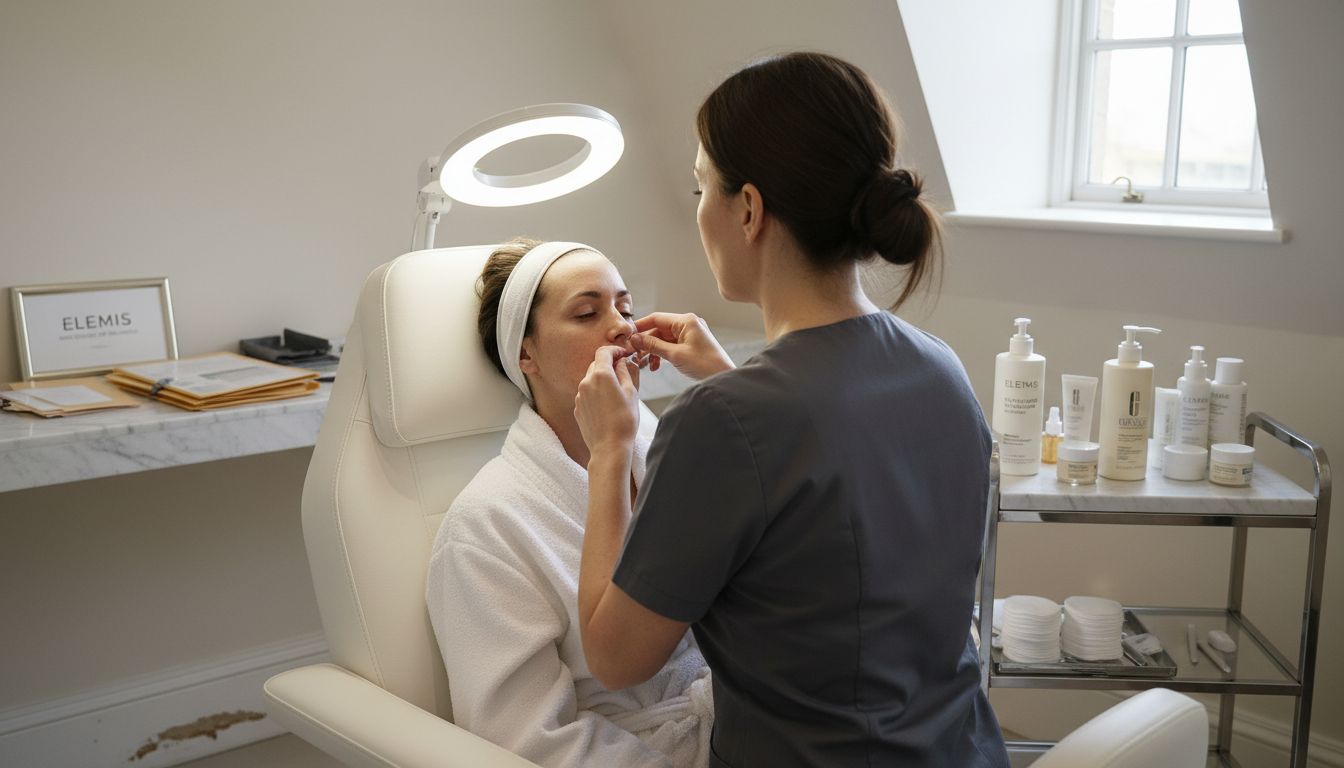
Most people are surprised to learn that over 60 percent of British adults have misidentified their skin type at some point. This matters because choosing the wrong skincare or facial treatments can lead to irritation, breakouts, or wasted money. Understanding your true skin type is the foundation for getting real results, so this guide will help you recognize the unique features of your skin and how they affect every decision you make about treatment and products.
Table of Contents
- Defining Skin Type and Its Importance
- Common Skin Types and Their Key Features
- How Skin Type Influences Facial Treatments
- Tailoring Products and Techniques by Skin Type
- Risks, Results, and What to Avoid
Key Takeaways
| Point | Details |
|---|---|
| Understanding Skin Types | Skin types, including Normal, Dry, Oily, Combination, and Sensitive, each possess unique characteristics that influence the effectiveness of aesthetic treatments. |
| Personalised Treatment Plans | Tailored approaches based on individual skin characteristics optimise results and minimise adverse reactions during aesthetic procedures. |
| Risks Associated with Skin Types | Different skin types have specific risks; for instance, sensitive skin may experience higher irritation, while oily skin can be prone to breakouts. |
| Importance of Professional Assessment | Comprehensive skin analyses by practitioners are vital to design appropriate treatments and ensure skin health is preserved. |
Defining Skin Type and Its Importance
Your skin is far more than just a protective outer layer. The human skin is a complex biological system consisting of multiple layers that perform intricate functions beyond mere surface appearance. Understanding your unique skin type is fundamental to selecting appropriate facial aesthetic treatments that enhance your natural beauty and address specific concerns.
The skin comprises three primary layers: the epidermis, dermis, and subcutaneous tissue. Each layer plays a crucial role in protecting the body from external threats, regulating temperature, and maintaining overall physiological balance. Different skin types respond uniquely to environmental factors and medical interventions, making personalised assessment critical before any aesthetic procedure.
Skin types are typically categorised based on several key characteristics:
- Oiliness: Ranging from very dry to extremely oily
- Sensitivity: How reactive the skin is to external stimuli
- Pigmentation: Natural skin tone and potential for hyperpigmentation
- Elasticity: Skin’s ability to maintain firmness and bounce
- Hydration levels: Capacity to retain moisture
By understanding these nuanced factors, aesthetic practitioners can design tailored treatment plans that respect your skin’s individual needs and genetic predispositions. This personalised approach ensures optimal results, minimising potential adverse reactions and maximising treatment effectiveness.
Common Skin Types and Their Key Features
Understanding your skin type is a fundamental step in developing an effective skincare and facial aesthetic treatment strategy. Skin types are not simply cosmetic classifications, but complex biological profiles that determine how your skin responds to environmental factors, treatments, and products. Recognising your specific skin characteristics allows for more personalised and targeted aesthetic interventions.
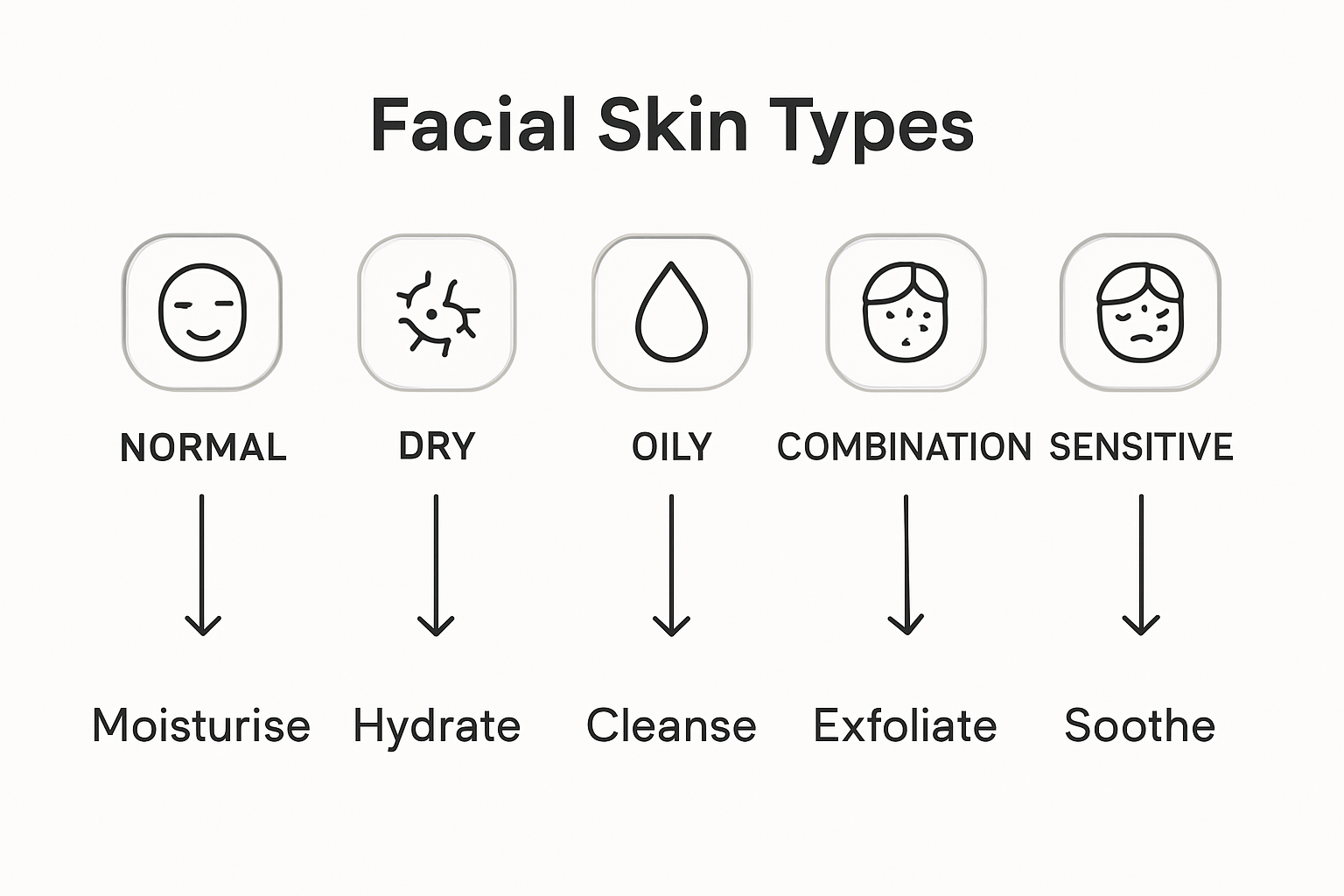
The five primary skin types each present unique attributes and challenges:
- Normal Skin: Balanced moisture levels, minimal sensitivity, and few imperfections
- Dry Skin: Prone to flakiness, tightness, and reduced natural oil production
- Oily Skin: Characterized by excess sebum, enlarged pores, and potential acne susceptibility
- Combination Skin: Varying characteristics across different facial zones, typically with an oily T-zone and drier cheek areas
- Sensitive Skin: Easily irritated, reactive to environmental triggers, and prone to redness
Skin type identification involves carefully observing how your skin responds after cleansing, such as examining oiliness, tightness, or reactivity to skincare products. Professional aesthetic practitioners use sophisticated diagnostic techniques to accurately determine your precise skin profile, enabling them to recommend treatments that harmonise with your skin’s natural characteristics.
Each skin type demands a nuanced approach in facial aesthetic treatments. For instance, oily skin might benefit from treatments that regulate sebum production, while sensitive skin requires gentler, more targeted interventions. By understanding these intricate differences, practitioners can design bespoke treatment plans that not only address immediate aesthetic concerns but also promote long-term skin health and resilience.

How Skin Type Influences Facial Treatments
The skin’s barrier function and individual characteristics play a critical role in determining the most appropriate facial aesthetic treatments. Each skin type presents unique challenges and requirements that directly impact the selection, approach, and effectiveness of aesthetic interventions. Understanding these nuanced differences is paramount for achieving optimal results while minimising potential adverse reactions.
Specific skin types demand tailored treatment strategies:
Oily Skin:
- Requires treatments that regulate sebum production
- Benefits from deep cleansing and oil-controlling procedures
- More resilient to invasive treatments
Sensitive Skin:
- Demands gentler, less aggressive interventions
- Needs thorough pre-treatment assessment
- Requires carefully selected products with minimal irritants
Dry Skin:
- Requires hydration-focused treatments
- Needs interventions that support moisture retention
- Often benefits from treatments that enhance skin barrier function
Clinical research demonstrates that different skin types exhibit varying responses to aesthetic treatments, highlighting the importance of personalised approaches. For instance, acne-prone oily skin might respond differently to laser treatments compared to mature, dry skin. Aesthetic practitioners must consider factors such as skin thickness, hydration levels, pigmentation tendencies, and overall skin resilience when designing treatment protocols.
The intricate relationship between skin type and treatment efficacy underscores the necessity of comprehensive skin analysis. Professional aesthetic practitioners employ sophisticated diagnostic techniques to map individual skin characteristics, ensuring that each treatment is precisely calibrated to the client’s unique biological profile. This personalised approach not only maximises treatment outcomes but also minimises potential complications, ultimately delivering more natural and harmonious aesthetic results.
Tailoring Products and Techniques by Skin Type
Selecting skincare products and aesthetic techniques requires a nuanced understanding of individual skin characteristics. Each skin type demands a meticulously crafted approach that addresses its unique physiological needs, ensuring optimal treatment effectiveness and minimising potential adverse reactions.
Key considerations for product and technique selection include:
Oily Skin:
- Active ingredients targeting sebum regulation
- Light, non-comedogenic formulations
- Treatments focusing on pore refinement and oil control
Sensitive Skin:
- Hypoallergenic and fragrance-free products
- Minimal ingredient formulations
- Gentle techniques with reduced invasiveness
Dry Skin:
- Hydrating and ceramide-rich products
- Treatments emphasising moisture retention
- Techniques that support skin barrier restoration
Professional skincare selection involves matching specific ingredients to individual skin requirements, ensuring targeted and effective interventions. For instance, salicylic acid works exceptionally well for managing excess oil in acne-prone skin, while hyaluronic acid provides essential hydration for dry, dehydrated complexions.
Successful aesthetic treatments transcend generic approaches. Professional practitioners conduct comprehensive skin analyses, considering factors like hydration levels, sensitivity, pigmentation, and underlying skin conditions. This personalised methodology ensures that each treatment is precisely calibrated to the client’s unique biological profile, ultimately delivering natural-looking results that harmonise with the individual’s inherent skin characteristics.
Risks, Results, and What to Avoid
Chemical interactions and skin barrier vulnerabilities represent critical considerations in facial aesthetic treatments. Understanding potential risks and implementing proactive strategies are essential for ensuring safe, effective interventions that protect and enhance skin health. Each treatment approach carries inherent complexities that demand meticulous professional assessment and personalised planning.
Key risks and considerations for different skin types include:
Oily Skin Risks:
- Potential for increased inflammation
- Higher susceptibility to treatment-induced breakouts
- Risk of over-stimulating sebaceous glands
Sensitive Skin Risks:
- Elevated potential for allergic reactions
- Higher likelihood of post-treatment irritation
- Greater need for gentle, conservative interventions
Dry Skin Risks:
- Increased vulnerability to treatment-induced micro-damage
- Higher potential for moisture barrier disruption
- Greater sensitivity to invasive procedures
Clinical research emphasises the critical importance of recognising individual skin condition variations, particularly when evaluating potential treatment risks. Practitioners must conduct comprehensive assessments that consider underlying skin health, previous reactions, and specific physiological characteristics before recommending any aesthetic intervention.
Professional risk mitigation involves a multi-faceted approach: thorough pre-treatment consultations, detailed medical history reviews, patch testing for sensitive individuals, and customised treatment protocols. The ultimate goal is achieving transformative results while maintaining the integrity of the skin’s natural protective mechanisms, ensuring both safety and aesthetic enhancement.
Discover Your Personalised Facial Aesthetic Journey at Monaz Clinic
Understanding the intricate role of skin type in facial aesthetics treatments is essential for achieving natural and lasting results. Whether you have oily, sensitive, dry, or combination skin, recognising the unique characteristics of your skin empowers you to choose treatments that respect its needs and enhance its health. At Monaz Clinic, we appreciate that each woman’s skin presents its own challenges and beauty. We address concerns like moisture retention, sebum control, sensitivity, and pigmentation through expert, tailored solutions delivered with care and precision.
This personalised approach ensures you avoid common pitfalls such as irritation and ineffective treatments. Our team’s commitment to thorough assessment and medically grounded guidance means your skin receives the attention it deserves. To learn more about how specific skin concerns can be managed effectively, explore our tips – Monaz Clinic | Facial Aesthetic Clinic in London and discover expert advice.

Take the next step towards revealing your best self with a bespoke consultation at our Harley Street clinic. Experience our award-winning products and treatments expertly crafted for your skin type. Visit Monaz Clinic now to schedule your complimentary, no-pressure consultation and embark on a facial aesthetic journey designed exclusively for you.
Frequently Asked Questions
What are the different skin types and how do they affect facial aesthetics?
The five primary skin types are normal, dry, oily, combination, and sensitive. Each type has unique characteristics that influence how it responds to facial aesthetic treatments, making personalised assessment vital for effective results.
How does skin type influence the choice of facial treatments?
Skin type impacts the selection of treatments by determining necessary approaches and products. For example, oily skin may require treatments that control sebum production, while sensitive skin necessitates gentler interventions to avoid irritation.
Why is it important to tailor skincare products to individual skin types?
Tailoring skincare products ensures they meet the specific physiological needs of each skin type, maximising treatment effectiveness and minimising potential adverse reactions, such as irritation or breakouts.
What risks should be considered for different skin types undergoing aesthetic treatments?
Oily skin may face increased inflammation and breakouts, sensitive skin is prone to allergic reactions, and dry skin is at higher risk of moisture barrier disruption. Comprehensive assessments are crucial to mitigating these risks.