




Discover common and serious side effects of cosmetic fillers, risk factors, and practical safety steps to make informed treatment decisions with confidence.
Many women believe cosmetic fillers carry no risks, but understanding potential side effects is essential for making informed decisions about your aesthetic treatments. Whilst dermal fillers offer remarkable results for facial rejuvenation, they do come with possible complications ranging from mild bruising to rare but serious reactions. This guide explores common and severe side effects, factors influencing risk, and practical steps to ensure your filler treatment remains safe and effective. By recognising what to expect and how to choose qualified practitioners, you can confidently pursue the refreshed appearance you desire whilst prioritising your wellbeing.
Table of Contents
- Key takeaways
- Common side effects of cosmetic fillers
- Serious side effects and how to identify them
- Factors influencing risk and safety of fillers
- Practical steps for preventing and managing side effects
- Explore safe cosmetic treatments at Monaz Clinic London
- What are the side effects of fillers? Frequently asked questions
Key Takeaways
| Point | Details |
|---|---|
| Common side effects | Most patients experience mild swelling, bruising, redness and tenderness around the injection site that typically resolve within days, with swelling peaking at 24 to 48 hours and bruising lasting five to fourteen days. |
| Risk factors | Injection site, filler type, individual variation and technique influence the severity of swelling and bruising. |
| Aftercare measures | Apply ice packs for ten minutes every hour on the first day, sleep with the head elevated, and consider arnica tablets started three days before and continued five days after the appointment to reduce bruising. |
| Serious risks | Infection, allergic reactions and vascular occlusion are rare but serious and you should seek urgent medical help if warning signs such as severe pain or skin colour changes occur. |
Common side effects of cosmetic fillers
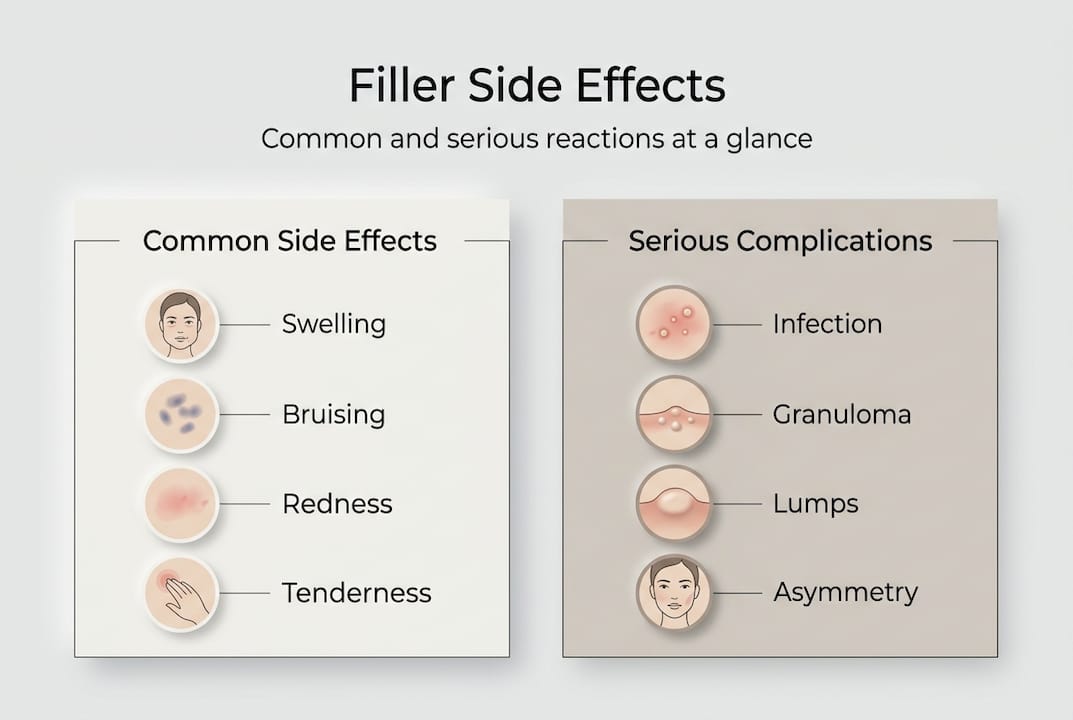
Most patients experience mild, temporary reactions after filler injections that resolve naturally within days. Typical mild side effects include swelling, bruising, redness, and tenderness around the injection site. These reactions occur because the needle punctures tiny blood vessels and introduces a foreign substance into your tissue, triggering your body’s natural inflammatory response.
Swelling usually peaks within 24 to 48 hours post-treatment and subsides over three to seven days. The degree of swelling varies by treatment area, with lip fillers often causing more noticeable puffiness than cheek or chin augmentation. Bruising develops when blood leaks from damaged capillaries and may last five to fourteen days, changing colour from purple to yellow as it heals. Redness and tenderness typically fade within two to three days.
Several factors influence how pronounced these side effects become:
- Injection site: Areas with thinner skin and more blood vessels, such as lips and tear troughs, tend to bruise more easily
- Filler type: Hyaluronic acid fillers generally cause less inflammation than other formulations
- Individual variation: Some people bruise more readily due to genetics, medication use, or vitamin deficiencies
- Technique: Skilled practitioners using cannulas instead of needles can reduce tissue trauma
You can take steps to recover after fillers naturally and minimise discomfort. Applying ice packs for 10 minutes every hour during the first day reduces swelling. Sleeping with your head elevated on two pillows prevents fluid accumulation. Avoiding blood-thinning substances like aspirin, ibuprofen, alcohol, and vitamin E for one week before treatment significantly decreases bruising risk.
Pro tip: Take arnica tablets starting three days before your appointment and continue for five days afterwards to reduce bruising intensity and duration naturally.
Serious side effects and how to identify them
Whilst rare, severe complications from dermal fillers demand immediate recognition and medical intervention. Serious complications may include infection, allergic reactions, and vascular occlusion presenting with intense pain or skin discolouration. Understanding these warning signs empowers you to seek help promptly, potentially preventing permanent damage.
Infection occurs when bacteria enter the injection site, typically within 48 hours to two weeks post-treatment. Symptoms include increasing pain, warmth, redness spreading beyond the injection area, fever, and pus discharge. Untreated infections can lead to abscesses or systemic illness requiring antibiotics or surgical drainage.

Allergic reactions range from mild to severe. Localised itching, hives, or prolonged swelling may indicate sensitivity to the filler material or lidocaine anaesthetic. Anaphylaxis, though extremely rare, manifests as difficulty breathing, throat swelling, rapid heartbeat, and dizziness. This life-threatening reaction requires emergency treatment.
Vascular occlusion represents the most serious filler complication. This occurs when filler accidentally enters a blood vessel or compresses surrounding vessels, blocking blood flow to tissue. Warning signs appear suddenly and include:
- Severe, disproportionate pain during or immediately after injection
- Blanching or white patches on skin indicating tissue death
- Mottled purple or grey discolouration
- Sudden vision changes, blurriness, or blindness if vessels near the eyes are affected
- Cold sensation in the treated area
“Vascular compromise requires immediate intervention with hyaluronidase enzyme to dissolve hyaluronic acid fillers and restore blood flow, ideally within hours to prevent permanent tissue necrosis or vision loss.”
Granulomas are firm lumps that develop weeks to months after treatment when your immune system forms nodules around filler material. Whilst not immediately dangerous, they require specialist assessment and may need steroid injections or surgical removal.
Asymmetry or visible lumps can result from uneven product placement or migration. Most resolve with massage, but persistent irregularities may require hyaluronidase dissolution.
Never dismiss unusual symptoms as normal healing. Contact your practitioner immediately if you experience disproportionate pain, skin colour changes, vision disturbances, or signs of infection. Following proper aftercare tips for fillers reduces these risks substantially.
Factors influencing risk and safety of fillers
Your filler treatment safety depends heavily on practitioner expertise, product quality, and your individual health profile. Choosing an experienced, qualified practitioner significantly reduces the risk of adverse effects. Understanding these influencing factors helps you make informed clinic and product selections.
Practitioner qualifications directly impact complication rates. Certified medical professionals with extensive facial anatomy training recognise danger zones where major blood vessels lie and adjust injection techniques accordingly. They understand appropriate product selection, injection depth, and volume limits for each facial area. Uncertified practitioners lacking this knowledge increase risks of vascular occlusion, asymmetry, and overfilling.
| Factor | Higher risk scenario | Lower risk scenario |
|---|---|---|
| Practitioner | Uncertified injector, limited experience, no medical background | GMC-registered doctor or nurse prescriber with advanced aesthetic training |
| Product quality | Counterfeit or unapproved fillers, unknown ingredients | CE-marked, FDA-approved brands from legitimate suppliers |
| Clinic standards | Non-medical setting, poor hygiene, no emergency protocols | Medical clinic with sterile procedures and emergency equipment |
| Patient assessment | Minimal consultation, no medical history review | Comprehensive consultation reviewing allergies, medications, and contraindications |
Filler type and brand matter considerably. Hyaluronic acid fillers from reputable manufacturers undergo rigorous safety testing and offer the advantage of reversibility with hyaluronidase enzyme. Permanent fillers like silicone or semi-permanent options carry higher complication risks because they cannot be dissolved if problems arise. Counterfeit products sold at suspiciously low prices may contain harmful substances or incorrect concentrations.
Your personal health factors influence side effect likelihood:
- Allergies: Previous reactions to hyaluronic acid, lidocaine, or gram-positive bacterial proteins warrant caution
- Medications: Blood thinners, immunosuppressants, and certain supplements increase bruising and infection risks
- Skin conditions: Active acne, rosacea, or eczema at injection sites raise infection probability
- Medical history: Autoimmune disorders, bleeding disorders, or previous filler complications require specialist assessment
- Lifestyle: Smoking impairs healing, whilst excessive sun exposure increases inflammation
Complete your dermal filler checklist before booking treatment. Research your practitioner’s qualifications, read reviews, and verify clinic registration with appropriate regulatory bodies. During consultation, ask about the specific filler brand, batch numbers, and expiry dates.
Pro tip: Request to see the sealed filler syringe before treatment begins to confirm you’re receiving genuine, unexpired product rather than pre-filled syringes that could contain diluted or counterfeit substances.
Practical steps for preventing and managing side effects
Taking proactive measures before, during, and after your filler appointment dramatically reduces side effect risks and promotes optimal healing. Proper aftercare including avoiding pressure, sun exposure and following clinic instructions lowers side effect risks substantially.
Before your treatment, implement these preparatory steps:
- Schedule strategically: Book appointments at least two weeks before important events to allow swelling and bruising to resolve completely
- Discontinue blood thinners: Stop aspirin, ibuprofen, fish oil, vitamin E, and ginkgo biloba seven days beforehand with your doctor’s approval
- Avoid alcohol: Refrain from drinking 24 hours pre-treatment as alcohol dilates blood vessels and increases bruising
- Start arnica: Begin arnica montana tablets or gel three days before to minimise bruising naturally
- Arrive with clean skin: Remove all makeup and skincare products to reduce infection risk
- Eat beforehand: Have a light meal to prevent lightheadedness during the procedure
During your appointment, communicate openly with your practitioner. Report any unusual sensations immediately, particularly severe pain or vision changes. Ask questions about the technique being used and expected sensations.
Post-treatment aftercare proves crucial for complication prevention:
- Apply ice: Use cold compresses for 10 minutes hourly during the first 24 hours to reduce swelling
- Sleep elevated: Keep your head raised on two pillows for two nights to prevent fluid accumulation
- Avoid touching: Resist massaging or applying pressure to treated areas unless specifically instructed
- Skip makeup: Wait 24 hours before applying cosmetics to injection sites
- Postpone exercise: Avoid strenuous activity, saunas, and steam rooms for 48 hours
- Protect from sun: Stay out of direct sunlight and tanning beds for two weeks
- Stay hydrated: Drink plenty of water to support hyaluronic acid’s moisture-binding properties
Recognise when professional input becomes necessary. Contact your practitioner immediately if you experience:
- Pain increasing rather than decreasing after 48 hours
- Skin turning white, purple, or mottled
- Any vision changes or eye pain
- Signs of infection like fever, pus, or spreading redness
- Severe, persistent swelling beyond one week
- Hard lumps that don’t soften with gentle massage
Follow your specific aftercare tips for fillers provided by your clinic, as recommendations may vary slightly based on treatment area and filler type. Most practitioners provide emergency contact details for urgent concerns outside normal hours.
Maintaining realistic expectations helps you distinguish normal healing from complications. Review before-and-after photos showing typical swelling progression. Understanding the natural looking filler workflow helps you appreciate subtle enhancements rather than dramatic transformations that increase complication risks.
Document your healing journey with daily photos in consistent lighting. This creates a useful reference if you need to demonstrate changes to your practitioner. Keep all product information, batch numbers, and treatment records for future reference.
Your commitment to recovering after fillers naturally through proper rest, nutrition, and gentle care supports your body’s healing processes and maximises your treatment investment.
Explore safe cosmetic treatments at Monaz Clinic London
Choosing the right clinic ensures your filler treatment combines beautiful results with uncompromising safety standards. At Monaz Clinic on Harley Street, Mrs Mona Zirak and her team specialise in creating subtle, natural enhancements for women seeking expert aesthetic care in a supportive environment.

Our medically qualified practitioners understand facial anatomy intimately and prioritise your wellbeing above all else. We use only premium, CE-marked products and follow rigorous safety protocols. Every journey begins with a complimentary consultation where we assess your goals, medical history, and suitability for treatment. Explore our transparent dermal fillers price list and wrinkle softening price list to understand your investment. Whether you’re considering forehead lines treatment or facial contouring, we create personalised plans that respect your natural features whilst addressing your concerns with precision and care.
What are the side effects of fillers? Frequently asked questions
How long do common filler side effects typically last?
Most mild side effects like swelling, bruising, and tenderness resolve within five to fourteen days. Swelling peaks within 48 hours and usually subsides by day seven, whilst bruising fades over one to two weeks as your body reabsorbs the blood.
What’s the difference between normal reactions and serious complications?
Normal reactions involve manageable swelling, bruising, and mild tenderness that gradually improve each day. Serious complications present with severe pain, skin colour changes to white or purple, vision disturbances, signs of infection, or symptoms that worsen rather than improve after 48 hours.
How can I verify a clinic is safe for filler treatments?
Check that practitioners hold appropriate medical qualifications like GMC registration for doctors or NMC registration for nurses. Verify the clinic operates from medical premises with proper insurance, uses only approved filler brands, provides detailed consultations, and offers comprehensive aftercare support with emergency contact availability.
Why is aftercare so important for preventing side effects?
Proper aftercare minimises inflammation, reduces infection risk, and allows filler to settle correctly in tissue. Following instructions about avoiding pressure, heat, exercise, and sun exposure prevents complications like migration, increased swelling, or premature product breakdown that compromise both safety and results.
Can I have filler treatments if I have sensitive skin?
Many people with sensitive skin successfully receive fillers, but thorough consultation proves essential. Inform your practitioner about skin conditions, allergies, and previous reactions. Patch testing may be recommended, and treatment plans can be adjusted with gentler techniques, smaller volumes, or specific product selections suited to reactive skin.
What should I do if I notice unusual symptoms after treatment?
Contact your practitioner immediately if you experience severe pain, skin discolouration, vision changes, or infection signs. Don’t wait to see if symptoms resolve on their own, as prompt intervention prevents serious complications. Keep your clinic’s emergency contact details accessible and don’t hesitate to seek urgent medical care if you cannot reach your practitioner.