

Facial rejuvenation explained for women in London: discover its science, types, procedure steps, safety protocols, and subtle benefits.
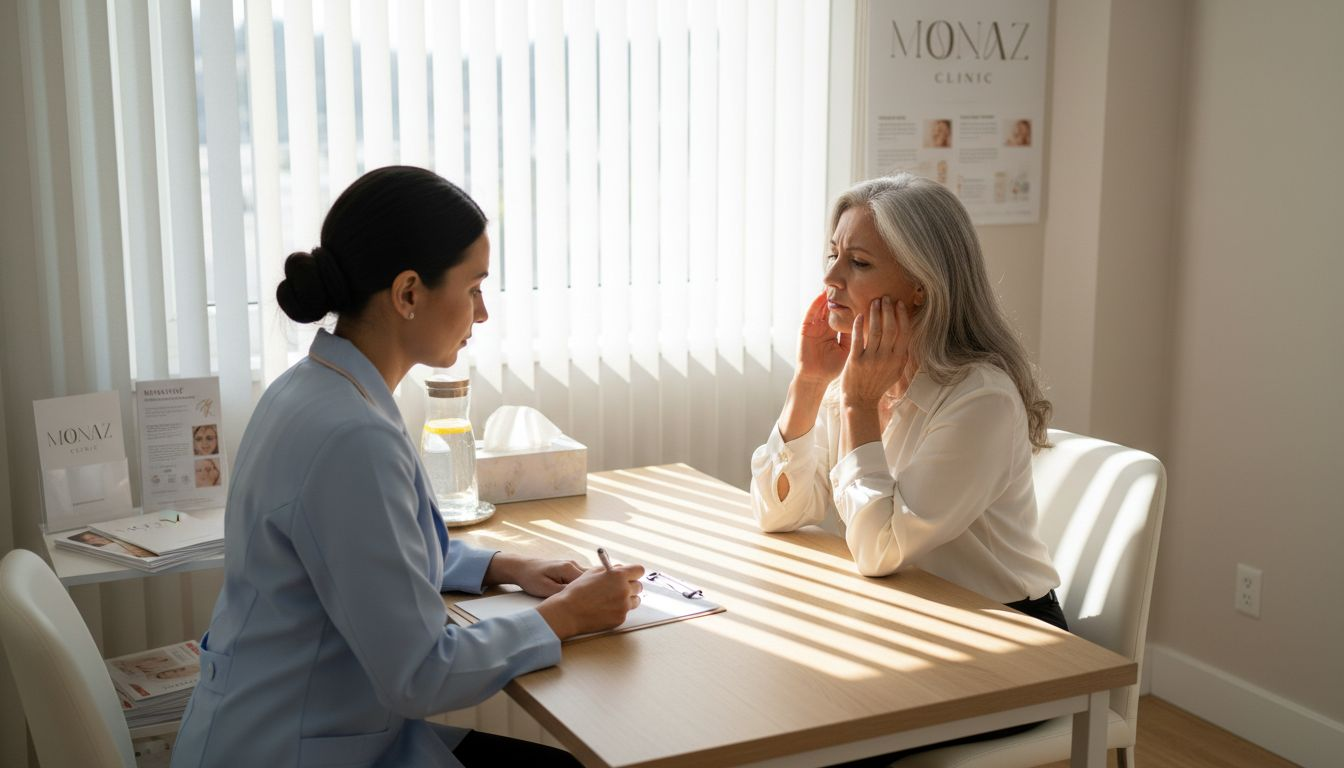
Fine lines appearing around the eyes and subtle changes in skin texture can leave many women in London searching for gentle, natural-looking ways to refresh their appearance. Navigating the world of facial rejuvenation is about more than chasing youth—it is about embracing personalised strategies that respect your individual features and skin journey. Discover how non-surgical treatments can subtly enhance your beauty by focusing on restoring your skin’s vitality and resilience while addressing common concerns with minimal downtime.
Table of Contents
- Defining Facial Rejuvenation And Core Concepts
- Types Of Non-Surgical Facial Rejuvenation
- How Treatment Works: Science And Process
- Safety Protocols And Patient Journey
- Benefits And Limitations Of Rejuvenation
- Risks, Costs, And Choosing A Safe Provider
Key Takeaways
| Point | Details |
|---|---|
| Comprehensive Approach | Facial rejuvenation combines various treatments to manage visible signs of ageing, focusing on restoring skin health rather than erasing age. |
| Personalised Strategies | Tailoring treatment plans to individual skin characteristics and concerns is essential for effective outcomes. |
| Non-Surgical Options | Non-surgical rejuvenation includes injectable treatments, energy-based therapies, and collagen stimulation techniques, offering targeted solutions with minimal downtime. |
| Safety and Evaluation | It is critical to select qualified providers, ensure informed consent, and undergo thorough pre-treatment screenings to enhance safety and treatment efficacy. |
Defining Facial Rejuvenation and Core Concepts
Facial rejuvenation represents a comprehensive approach to managing and reversing the visible signs of ageing, addressing the complex biological processes that transform skin appearance over time. Skin ageing processes involve intricate interactions between genetic predispositions and environmental influences, creating a nuanced landscape of physiological changes.
At its core, facial rejuvenation encompasses multiple strategic interventions designed to restore, refresh, and revitalise skin health. These treatments target specific age-related concerns through scientifically-informed methodologies:
- Addressing dynamic skin texture changes
- Stimulating natural collagen production
- Counteracting environmental damage
- Restoring skin’s structural integrity
- Enhancing overall skin luminosity
Biological Mechanisms underlying facial ageing are multifaceted, involving interconnected processes that gradually diminish skin’s youthful characteristics. Molecular pathways of skin transformation reveal how intrinsic factors like genetic programming and hormonal shifts collaborate with extrinsic elements such as ultraviolet exposure and lifestyle choices.
Understanding these complex interactions allows practitioners to develop personalised treatment strategies that go beyond superficial improvements. By recognising individual genetic variations and environmental impacts, facial rejuvenation becomes a sophisticated, tailored approach to managing age-related skin changes.
Facial rejuvenation is not about erasing age, but about restoring skin’s natural vitality and resilience.
Key Treatment Approaches include:
- Topical skincare interventions
- Advanced clinical procedures
- Targeted collagen stimulation techniques
- Personalised environmental protection strategies
Pro tip: Consult with a medically qualified aesthetic practitioner to develop a comprehensive, personalised facial rejuvenation plan that addresses your unique skin characteristics and concerns.
Types of Non-Surgical Facial Rejuvenation
Non-surgical facial rejuvenation represents a sophisticated array of advanced aesthetic treatments designed to restore and enhance facial appearance without invasive surgical intervention. Noninvasive facial rejuvenation techniques encompass a diverse spectrum of procedures targeting specific skin concerns and aesthetic goals.
The primary categories of non-surgical facial rejuvenation include:
- Injectable Treatments
- Anti-wrinkle injections
- Dermal fillers
- Skin boosters
- Energy-Based Therapies
- Laser treatments
- Radiofrequency procedures
- Ultrasound technologies
- Collagen Stimulation Techniques
- Microneedling
- Chemical peels
- Exosome therapies
Injectable Treatments offer precise targeting of dynamic facial muscles and volume restoration. These minimally invasive interventions can address multiple concerns simultaneously, including fine lines, wrinkle reduction, and facial contouring. The procedures work by relaxing muscle activity, restoring lost volume, and stimulating natural collagen production.
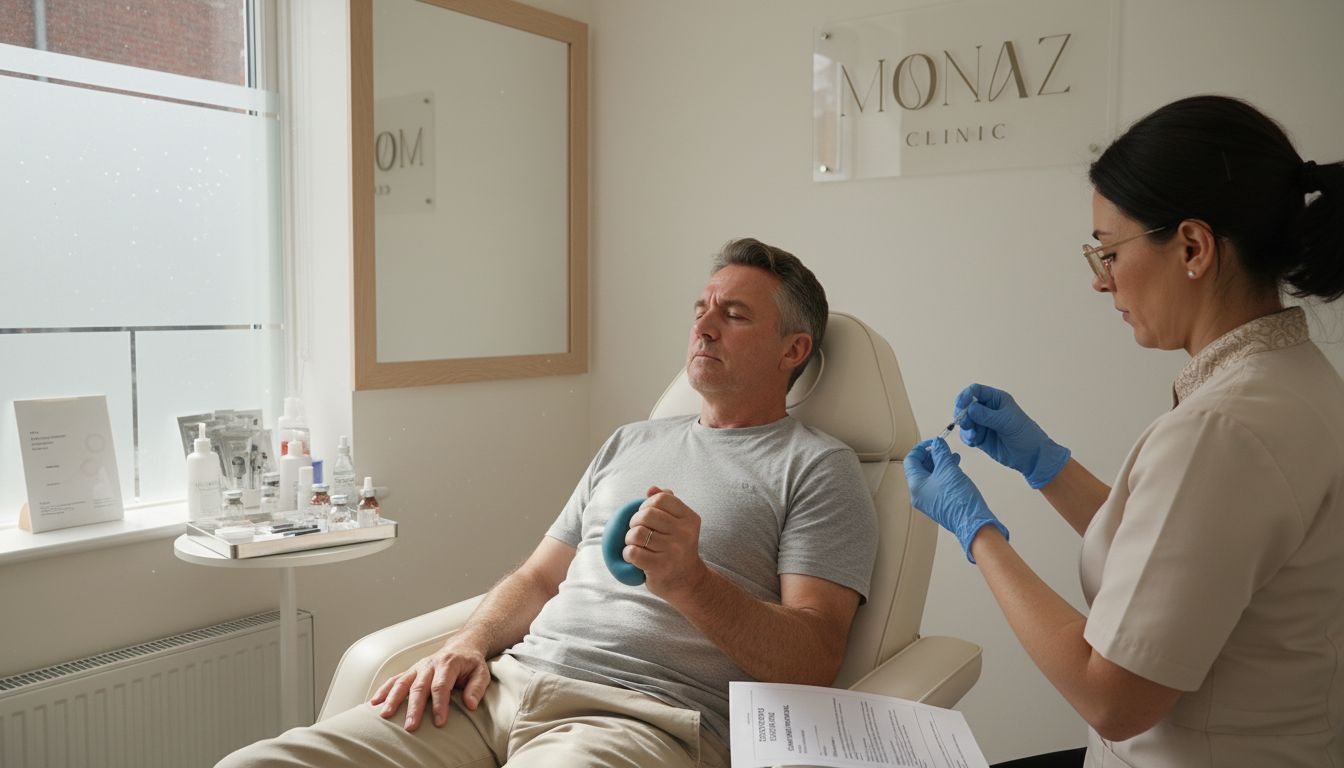
Energy-Based Therapies utilise advanced technologies to trigger skin’s regenerative processes. These treatments generate controlled thermal or light-based energy to stimulate cellular renewal, improve skin texture, and promote collagen remodelling. Each technology offers unique benefits tailored to specific skin conditions and aesthetic objectives.
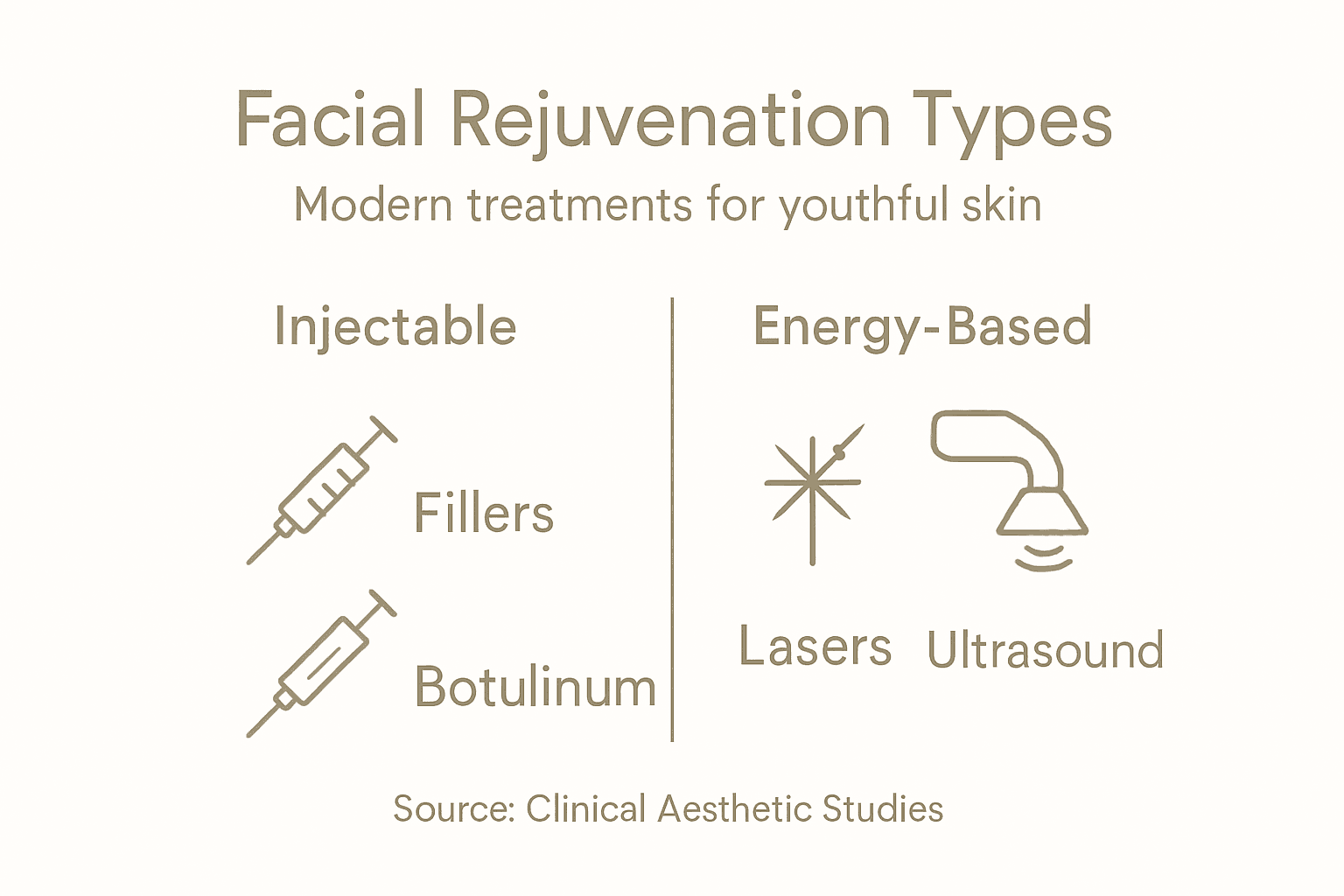
Here is a summary comparing injectable treatments, energy-based therapies, and collagen stimulation methods in non-surgical facial rejuvenation:
| Treatment Type | Primary Mechanism | Typical Benefits | Recovery Time |
|---|---|---|---|
| Injectable Treatments | Muscle relaxation or volume fill | Smoother lines, facial contour | Minimal to brief |
| Energy-Based Therapies | Thermal or light-based energy | Improved texture, collagen boost | Few hours to days |
| Collagen Stimulation | Induced cellular regeneration | Firmer skin, reduced scarring | Short to moderate |
Non-surgical facial rejuvenation provides personalised solutions that respect individual facial anatomy and aesthetic goals.
Key Considerations for Treatment Selection:
- Individual skin type and condition
- Specific aesthetic concerns
- Desired outcome and recovery time
- Long-term skin health objectives
Pro tip: Consult a medically qualified aesthetic practitioner who can comprehensively assess your unique facial characteristics and recommend a personalised non-surgical rejuvenation strategy.
How Treatment Works: Science and Process
Facial rejuvenation treatments operate through sophisticated biological mechanisms that target multiple layers of skin and underlying tissue structures. Advanced skin rejuvenation techniques utilise precision interventions designed to counteract the natural ageing process by stimulating cellular regeneration and structural restoration.
Biological Mechanisms underlying these treatments involve complex interactions between medical technologies and the body’s natural healing processes:
- Stimulation of collagen production
- Muscle tension modulation
- Cellular regeneration
- Tissue volume restoration
- Skin texture enhancement
Treatment Pathways focus on addressing specific physiological changes. These interventions work by targeting different skin layers and biological mechanisms:
- Epidermal layer restoration
- Dermal collagen remodelling
- Muscle activity regulation
- Subcutaneous volume replacement
Non-surgical approaches strategically assess facial anatomical changes to create personalised treatment plans. By understanding individual variations in bone structure, muscle dynamics, and skin quality, practitioners can develop precise interventions that respect natural facial characteristics.
Successful facial rejuvenation is an art of subtle enhancement, not dramatic transformation.
Key Scientific Principles guiding treatment include:
- Minimal invasiveness
- Targeted cellular stimulation
- Preservation of natural facial dynamics
- Individual genetic and environmental considerations
Pro tip: Request a comprehensive facial assessment that examines your unique anatomical structure and develops a nuanced, personalised rejuvenation strategy.
Safety Protocols and Patient Journey
Comprehensive patient care strategies form the cornerstone of safe and effective facial rejuvenation treatments. These protocols prioritise patient safety, informed consent, and personalised treatment planning through meticulous assessment and professional guidance.
Patient Safety Components include:
- Medical history evaluation
- Comprehensive facial assessment
- Risk factor identification
- Treatment compatibility screening
- Informed consent procedures
Pre-Treatment Screening Process:
- Initial medical consultation
- Detailed facial anatomy review
- Personal health history examination
- Treatment objective discussion
- Potential risk evaluation
Each patient undergoes a rigorous screening process designed to ensure optimal treatment outcomes and minimise potential complications. This approach involves careful consideration of individual physiological characteristics, medical history, and specific aesthetic goals.
Safety is not a destination, but a continuous journey of professional care and patient protection.
Critical Safety Considerations:
- Practitioner medical qualifications
- Sterile treatment environment
- Precise product selection
- Comprehensive adverse event management
- Ongoing patient monitoring
Pro tip: Always request comprehensive documentation of your practitioner’s medical credentials and request a detailed explanation of potential treatment risks and expected outcomes.
Benefits and Limitations of Rejuvenation
Facial rejuvenation offers a nuanced approach to addressing age-related aesthetic concerns, balancing potential improvements with realistic expectations. Nonmedical treatment approaches demonstrate the complexity of achieving comprehensive facial enhancement through various interventional strategies.
Key Benefits of facial rejuvenation include:
- Psychological confidence enhancement
- Subtle aesthetic improvements
- Natural-looking age management
- Personalised treatment approaches
- Minimal invasive intervention
Psychological Impact extends beyond physical transformation, offering patients:
- Increased self-perception
- Restored emotional well-being
- Enhanced personal presentation
- Improved social interactions
However, patients must understand that treatments provide refined, measured improvements rather than dramatic transformations. Each intervention is carefully calibrated to respect individual facial characteristics and natural ageing processes.
Facial rejuvenation is about revealing your best self, not creating an artificial alternative.
Treatment Limitations:
- Cannot completely halt ageing processes
- Results vary based on individual physiology
- Temporary nature of some interventions
- Potential for subtle asymmetries
- Individual response variability
Pro tip: Approach facial rejuvenation as a collaborative journey with your aesthetic practitioner, focusing on enhancing your natural features rather than pursuing unrealistic expectations.
Risks, Costs, and Choosing a Safe Provider
Clinical provider selection strategies represent a critical aspect of ensuring safe and effective facial rejuvenation treatments. Patients must navigate a complex landscape of professional credentials, treatment costs, and potential risks to make informed decisions about their aesthetic journey.
Provider Evaluation Criteria include:
- Verified medical qualifications
- Professional registration status
- Documented clinical experience
- Specialisation in aesthetic medicine
- Patient testimonial history
Cost Considerations involve multiple factors:
- Treatment complexity
- Provider expertise level
- Geographic location
- Technology and technique used
- Number of required sessions
Patients should understand that pricing reflects not just the procedure itself, but the practitioner’s skill, experience, and the quality of medical infrastructure supporting the treatment. Lower-cost options might compromise safety and results, making comprehensive research essential.
The following table outlines the main factors patients should consider when choosing a facial rejuvenation provider:
| Evaluation Factor | Why It Matters | How to Assess |
|---|---|---|
| Medical Qualifications | Ensures clinical safety and expertise | Check registration and training |
| Clinical Experience | Impacts success rate and outcomes | Ask for track record proof |
| Cost Transparency | Avoids hidden fees, supports budgeting | Request detailed quotes |
| Safety Protocols | Minimises risk of complications | Review clinic procedures |
Choosing an aesthetic provider is an investment in your health and appearance, not merely a transaction.
Key Risk Management Strategies:
- Verify practitioner’s medical credentials
- Request comprehensive consultation
- Understand potential side effects
- Review before-and-after documentation
- Confirm clinic’s safety protocols
Pro tip: Request a detailed consultation that includes a comprehensive discussion of your medical history, potential risks, and realistic expected outcomes before committing to any facial rejuvenation treatment.
Discover How Facial Rejuvenation Can Restore Your Natural Glow
Understanding the challenges posed by ageing skin such as loss of collagen, dynamic lines, and volume depletion is the first step towards a personalised rejuvenation journey. If you are seeking subtle, natural improvements that enhance your facial harmony rather than drastic changes, the insights shared about non-surgical treatments and biological mechanisms can guide your choices. At Monaz Clinic, we specialise in tailored injectable treatments, skin boosters, and collagen-stimulating procedures designed exclusively for women, respecting your unique anatomy and aesthetic goals.
Explore expert tips and patient experiences on our tips – Monaz Clinic | Facial Aesthetic Clinic in London page to learn more about how to refresh your skin safely. Start your transformation with a complimentary consultation at our central London clinic where safety and personalised care come first. Visit https://monazclinic.com now and begin your journey to radiant, youthful skin today.
Frequently Asked Questions
What is facial rejuvenation?
Facial rejuvenation is a comprehensive approach to managing and reversing visible signs of ageing, employing multiple interventions to restore skin health and vitality.
What are the main types of non-surgical facial rejuvenation treatments?
The primary types include injectable treatments (such as anti-wrinkle injections and dermal fillers), energy-based therapies (like laser treatments and radiofrequency procedures), and collagen stimulation techniques (including microneedling and chemical peels).
How do non-surgical facial rejuvenation treatments work?
These treatments operate through complex biological mechanisms that stimulate collagen production, regulate muscle tension, enhance skin texture, and promote cellular regeneration, targeting different skin layers.
What should I consider when choosing a facial rejuvenation provider?
When selecting a provider, it’s essential to evaluate their medical qualifications, clinical experience, safety protocols, treatment costs, and patient testimonials to ensure safe and effective outcomes.