

Women’s facial aesthetics: what it means, non-surgical treatment types, natural enhancement options, practitioner qualifications, and safety in the UK.
Most british women in Central London now seek facial aesthetics that honour their natural beauty while preserving their individuality. With over 80% of women in the United Kingdom preferring non-surgical options, personalisation and expert guidance from medically qualified professionals matter more than ever. This modern approach promises subtle, authentic results in a luxurious clinic setting, helping you feel confident without compromising on safety or elegance.
Table of Contents
- What Women’s Facial Aesthetics Means Today
- Types of Non-Surgical Treatments for Women
- How Treatments Achieve Natural Enhancement
- Qualifications and Safety in UK Clinics
- Risks, Costs, and Choosing the Right Provider
Key Takeaways
| Point | Details |
|---|---|
| Holistic Approach | Women’s facial aesthetics prioritise self-expression and confidence through natural enhancements rather than unrealistic beauty standards. |
| Non-Surgical Options | Treatments like , dermal fillers, and chemical peels offer flexible, minimally invasive solutions for addressing specific concerns with minimal downtime. |
| Safety and Qualifications | Ensuring practitioners have the necessary medical qualifications and adherence to safety protocols is crucial for achieving safe and effective results. |
| Informed Decision-Making | Women should evaluate providers based on credentials, experience, and transparency regarding treatment risks and costs before proceeding. |
What Women’s Facial Aesthetics Means Today
Facial aesthetics today represents a sophisticated, nuanced approach to enhancing personal appearance that goes far beyond simple cosmetic modification. Modern women view facial aesthetics as a holistic journey of self-expression, confidence, and personalised wellness. Contemporary aesthetic approaches demonstrate that beauty is no longer about achieving an unrealistic standard, but about celebrating individual characteristics and enhancing natural features.
The landscape of women’s facial aesthetics has dramatically transformed, integrating advanced scientific understanding with artistic precision. Professionals now recognise that aesthetic treatments are not just about physical changes, but psychological empowerment. Research from the UCL Plastic Aesthetic Regenerative Specialists (PARS) Research Group highlights how non-surgical facial enhancements can profoundly impact women’s self-perception and emotional well-being.
Today’s approach emphasises subtle, natural-looking enhancements that respect individual facial architecture. Women seek treatments that preserve their unique identity while addressing specific aesthetic goals. This means moving away from dramatic transformations towards refined, personalised interventions that boost confidence and reflect individual personality. Treatments now focus on holistic balance, integrating techniques from neuroscience, psychology, and advanced medical aesthetics to create harmonious, authentic results.
Pro tip: When considering facial aesthetic treatments, prioritise consultations with medically qualified practitioners who understand the nuanced relationship between physical enhancement and personal confidence.
Types of Non-Surgical Treatments for Women
Non-surgical facial aesthetic treatments have revolutionised how women approach skin rejuvenation and age management. Cosmetic procedures in the UK encompass a range of advanced techniques designed to enhance natural beauty without invasive surgery. These treatments offer women flexible, precise options for addressing specific skin concerns while minimising recovery time and potential complications.
The primary non-surgical treatments include botulinum toxin (commonly known as ) for reducing dynamic wrinkles, dermal fillers for volume restoration, chemical peels for skin texture improvement, and energy-based treatments like laser therapy. Each treatment targets different aesthetic concerns: relaxes muscle movements to smooth fine lines, dermal fillers restore lost volume and contour facial features, chemical peels remove damaged skin layers, and laser treatments address pigmentation and skin tone irregularities.
Modern non-surgical treatments are highly personalised, with practitioners tailoring approaches to individual facial structures and aesthetic goals. Women can now choose minimally invasive options that provide subtle, natural-looking enhancements. These treatments not only address physical appearance but also contribute to psychological well-being by boosting self-confidence and helping women feel more comfortable in their own skin. The sophistication of contemporary aesthetic medicine means treatments are increasingly precise, with minimal discomfort and downtime.
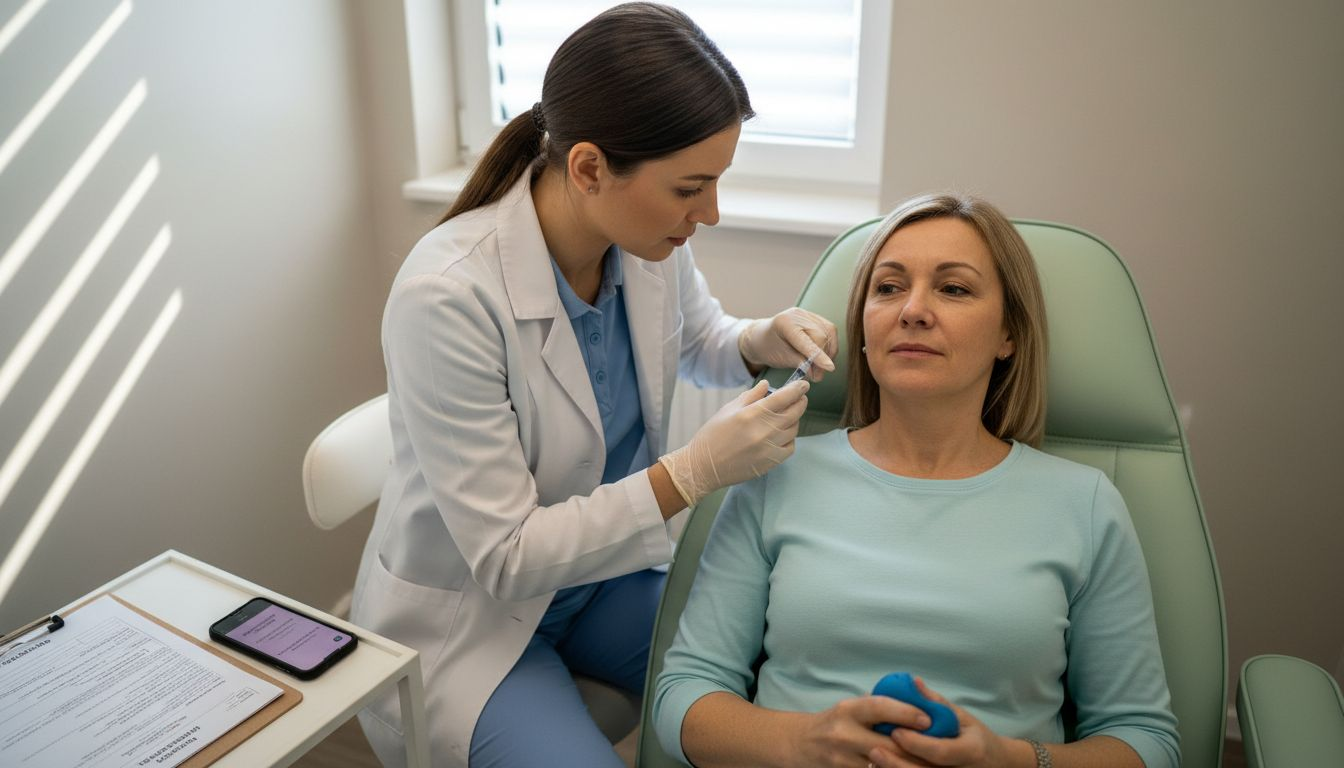
Here’s a concise comparison of common non-surgical facial treatments and their primary benefits:
| Treatment Type | Main Benefit | Typical Duration | Key Consideration |
|---|---|---|---|
| Botulinum Toxin | Smooths dynamic wrinkles | 3-6 months | Requires repeat sessions |
| Dermal Fillers | Restores facial volume and contours | 6-18 months | Results may vary by filler type |
| Chemical Peels | Improves skin texture and tone | Varies (weeks/months) | Temporary redness common post-procedure |
| Laser Therapy | Targets pigmentation and resurfacing | Months to years | Sun protection critical after care |
Pro tip: Always schedule a comprehensive consultation with a medically qualified practitioner to understand which non-surgical treatments best suit your unique facial characteristics and aesthetic objectives.
How Treatments Achieve Natural Enhancement
Natural facial enhancement represents a sophisticated approach that goes beyond superficial modifications, focusing instead on harmonising individual facial characteristics. Aesthetic facial rejuvenation employs a holistic 360° strategy that considers the intricate relationships between facial tissues, volume, and structural balance. This method ensures treatments complement rather than dramatically alter a woman’s inherent beauty.
The key to achieving natural results lies in understanding the nuanced causes of facial ageing. Practitioners now focus on restoring lost volume, improving skin quality, and maintaining facial movement rather than simply smoothing surface lines. By carefully assessing individual facial structures, aesthetic professionals can develop personalised treatment plans that work with the natural contours and characteristics of each woman’s face, creating subtle yet transformative enhancements.
Modern treatments prioritise precision and restraint, recognising that true beauty comes from maintaining individual identity. Skilled practitioners measure aesthetic thresholds meticulously, preventing over-treatment and unnatural appearances. The goal is to create a refreshed, rejuvenated look that appears effortless and authentic, respecting the unique facial architecture and natural ageing process of each individual. This approach considers not just physical appearance, but also the psychological impact of feeling confident and comfortable in one’s own skin.
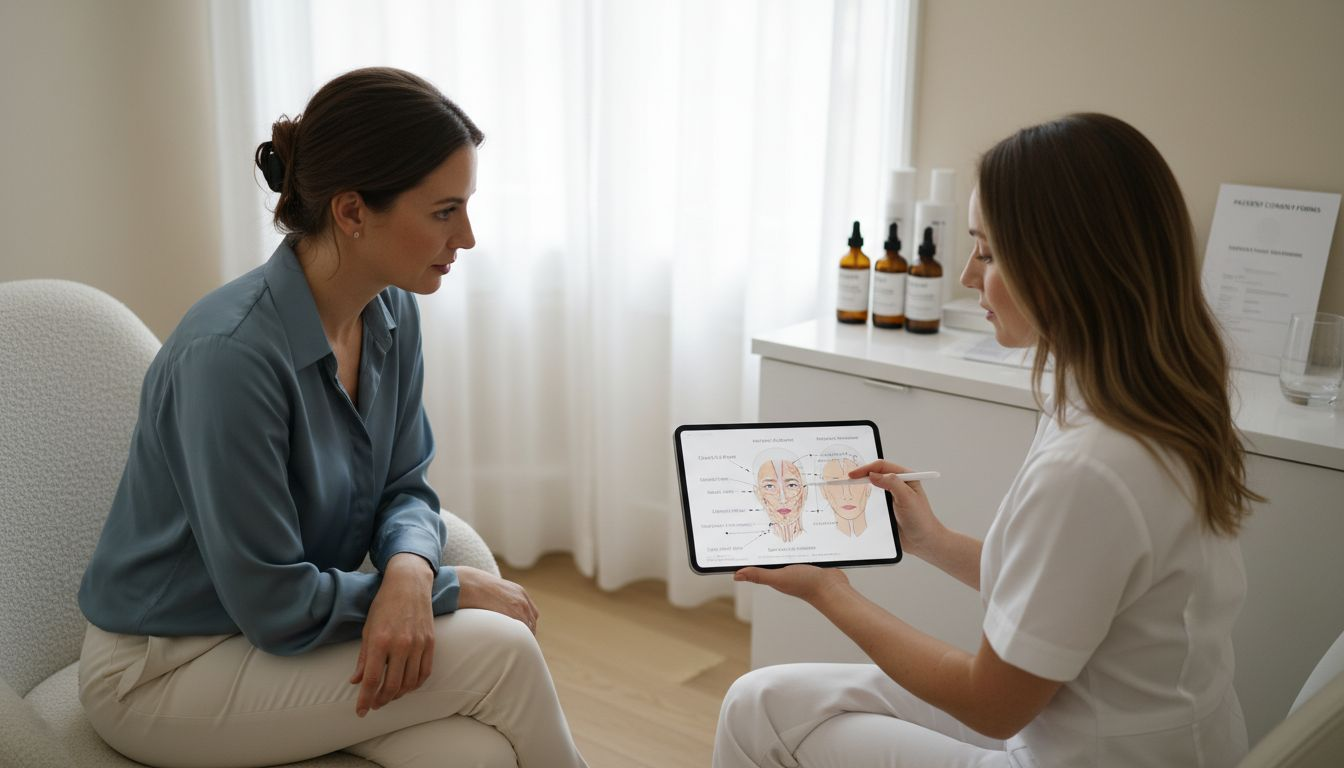
Pro tip: Request digital imaging or visual simulations during your consultation to help you understand how proposed treatments will interact with your unique facial features.
Qualifications and Safety in UK Clinics
Medical qualifications are the cornerstone of safe facial aesthetic treatments in the United Kingdom. UK government licensing schemes have established rigorous standards to protect patients, requiring practitioners to demonstrate extensive training, professional credentials, and adherence to strict safety protocols. These regulations ensure that only qualified healthcare professionals can perform high-risk cosmetic procedures, safeguarding patient well-being and maintaining professional integrity.
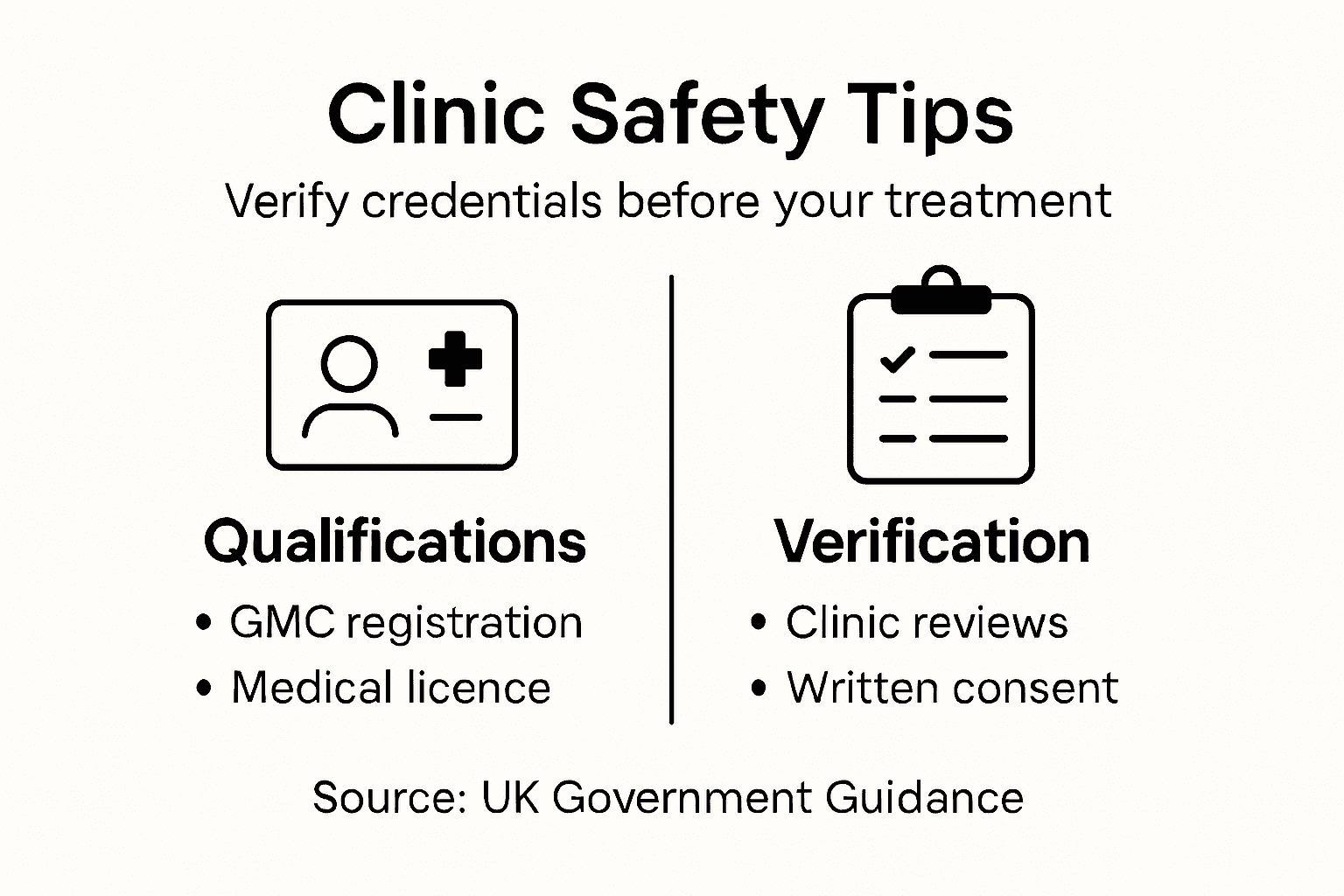
The General Medical Council (GMC) plays a crucial role in maintaining professional standards for aesthetic practitioners. Doctors offering cosmetic interventions must navigate comprehensive guidelines that mandate transparent communication, informed consent, and comprehensive patient assessments. This includes conducting thorough face-to-face consultations, discussing potential risks and benefits, and considering individual patient vulnerabilities before recommending any treatment. The emphasis is on ethical practice, continuous professional development, and a patient-centred approach that prioritises individual health and safety.
In practice, this means women seeking facial aesthetic treatments should carefully verify a clinic’s credentials. Key considerations include checking practitioner qualifications, professional registrations, insurance coverage, and clinic hygiene standards. Reputable clinics will readily demonstrate their medical credentials, provide detailed information about treatment protocols, and offer comprehensive consultations that explore patient expectations, medical history, and potential treatment outcomes. The goal is to create a transparent, safe environment where patients feel informed, respected, and confident in their aesthetic journey.
Below is a summary of essential safety checks when choosing a facial aesthetics provider in the UK:
| Safety Check | Why It Matters | Example Verification |
|---|---|---|
| Medical Qualifications | Ensures competency and safety | GMC or NMC register |
| Insurance Coverage | Protects against treatment risks | Ask for proof of cover |
| Clinic Hygiene Standards | Reduces risk of infection | Observe cleanliness |
| Product Quality | Minimises risk of complications | Confirm reputable brands |
| Practitioner Experience | Increases chance of natural results | Review before/after photos |
Pro tip: Always request to see a practitioner’s professional registration and ask about their specific qualifications in aesthetic medicine before proceeding with any treatment.
Risks, Costs, and Choosing the Right Provider
Navigating the landscape of facial aesthetic treatments requires careful consideration of multiple factors, with patient safety and treatment efficacy being paramount. Patient perceptions about healthcare providers reveal that women prioritise credentials, experience, and reputation when selecting an aesthetic practitioner. Understanding potential risks, understanding treatment costs, and making an informed choice are crucial steps in achieving successful aesthetic outcomes.
Risks associated with facial aesthetic treatments can vary depending on the specific procedure and individual patient factors. Potential complications may include minor side effects like temporary bruising or swelling, through to more serious risks such as infection, allergic reactions, or asymmetrical results. The likelihood and severity of these risks are significantly reduced when treatments are performed by qualified, experienced practitioners in clinical environments that adhere to strict safety protocols. Cost considerations should not compromise patient safety, with prices reflecting the practitioner’s expertise, clinic standards, and quality of products used.
Choosing the right provider involves a comprehensive evaluation beyond price point. Women should seek practitioners with verifiable medical qualifications, professional registrations, and a track record of successful treatments. Key considerations include reviewing before-and-after portfolios, checking patient testimonials, verifying professional memberships, and ensuring the clinic uses approved, high-quality products. A reputable provider will be transparent about potential risks, offer comprehensive consultations, and demonstrate a patient-centred approach that prioritises individual health and aesthetic goals.
Pro tip: Request a detailed, written consultation summary that outlines proposed treatments, potential risks, expected outcomes, and total cost before committing to any aesthetic procedure.
Reveal Your Best Self with Expert Care at Monaz Clinic
Understanding the emotional journey behind women’s facial aesthetics is crucial in achieving natural and confidence-boosting results. This article highlights the importance of personalised, medically qualified treatments that respect individual identity while enhancing natural beauty. Many women face the challenge of finding subtle, safe, and effective facial rejuvenation that aligns with their unique goals. At Monaz Clinic, we address these concerns by combining expert precision with a compassionate, one-on-one approach tailored exclusively for women.
Discover how our award-winning products and treatments at our Harley Street clinic can help you feel comfortable and valued throughout your aesthetic journey. Benefit from complimentary consultations that provide personalised advice with no pressure, making your path to natural enhancement simple and reassuring. Learn more about skincare advice and professional insights in our tips – Monaz Clinic | Facial Aesthetic Clinic in London and start your transformation today by visiting Monaz Clinic. Empower yourself with confidence through care and expertise that puts you first.
Frequently Asked Questions
What are the benefits of non-surgical facial aesthetic treatments for women?
Non-surgical facial aesthetic treatments offer several benefits, including subtle enhancements to natural features, improved skin texture, and increased self-confidence. These procedures often involve minimal downtime and reduced risk compared to surgical options.
How do I choose the right practitioner for facial aesthetic treatments?
When selecting a practitioner, it’s important to verify their medical qualifications, experience, and professional registrations. Consider reviewing before-and-after portfolios, patient testimonials, and ensuring the clinic adheres to high safety standards.
What are common non-surgical treatments available for facial aesthetics?
Common non-surgical treatments include botulinum toxin () for reducing wrinkles, dermal fillers for volume restoration, chemical peels for skin texture improvement, and laser therapies for addressing pigmentation and skin tone issues.
How do facial aesthetic treatments impact confidence in women?
Facial aesthetic treatments can significantly enhance a woman’s self-perception and emotional well-being by helping them feel more comfortable in their skin. Enhanced features can lead to increased self-confidence and a positive outlook on personal appearance.
Recommended
- Feminine Facial Contouring: Subtle Enhancement Explained – Monaz Clinic London
- How to Choose Facial Aesthetic Treatments for Stunning Results – Monaz Clinic London
- How to Choose Facial Aesthetic Treatments for Stunning Results – Monaz Clinic London
- How to Personalise Facial Aesthetics Naturally for Women – Monaz Clinic London