




Explore wrinkle fillers for smoother skin: science, types, procedure steps, safety, and benefits. Learn how UK clinics deliver natural, lasting results.

Finding a wrinkle solution that refreshes your look without changing what makes you unique is a common desire among professional women in Central London. With busy schedules and a wish for subtle, natural-looking results, it is easy to feel uncertain about which options truly deliver. This guide breaks down the different types of effective wrinkle fillers, dispels common myths, and highlights the importance of working with medically trained practitioners for safe and harmonious facial enhancements.
Table of Contents
- Wrinkle Fillers Explained And Common Myths
- Types Of Fillers And How They Function
- Procedure Steps And Natural-Looking Outcomes
- Safety Protocols And UK Regulation Compliance
- Expected Results, Side Effects, And Alternatives
Key Takeaways
| Point | Details |
|---|---|
| Understanding Fillers | Wrinkle fillers enhance facial volume and stimulate collagen production, primarily using hyaluronic acid and bio-compatible substances. |
| Myths vs Reality | Common myths suggest fillers look unnatural and are permanent; however, skilled practitioners achieve subtle results, and most fillers are temporary. |
| Safety Standards | UK regulations ensure practitioner qualifications and product compliance for safe dermal filler treatments, protecting patient health. |
| Expected Outcomes | Patients can expect immediate aesthetic improvements with minor side effects, while alternative treatments can provide different benefits and durations. |
Wrinkle fillers explained and common myths
Wrinkle fillers represent a sophisticated aesthetic treatment designed to restore skin’s volume, smooth fine lines, and rejuvenate facial contours. Unlike traditional approaches that merely mask signs of ageing, these advanced injectable treatments work by strategically replenishing lost volume and stimulating natural collagen production.
Modern wrinkle fillers primarily consist of hyaluronic acid and other bio-compatible substances that integrate seamlessly with facial tissues. Understanding facial fillers reveals their remarkable ability to address multiple aesthetic concerns simultaneously:
- Softening deep facial wrinkles
- Restoring lost facial volume
- Enhancing natural facial contours
- Improving skin hydration
- Stimulating collagen regeneration
However, numerous myths surround these treatments, creating unnecessary anxiety for potential patients. Let’s debunk some of the most prevalent misconceptions:
Myth: Wrinkle fillers always look unnatural
- Reality: Skilled practitioners can achieve subtle, harmonious results
- Modern techniques focus on enhancing natural facial features
- Personalised treatments prevent an overdone appearance
Myth: Fillers are permanent
- Reality: Most fillers are temporary, lasting 6-18 months
- Results gradually metabolise naturally
- Regular maintenance helps sustain desired aesthetic outcomes
Myth: Fillers are painful and risky
- Reality: Treatments involve minimal discomfort
- Practitioners use local anaesthetics
- Serious complications are extremely rare with professional administration
Professional aesthetic treatments require precision, expertise, and an artistic approach to achieve natural-looking rejuvenation.
Understanding the science behind wrinkle fillers helps patients make informed decisions. These treatments work by introducing supportive substances beneath the skin’s surface, effectively plumping areas that have lost volume due to natural ageing processes.
Pro tip: Always consult a medically qualified aesthetic practitioner who can personalise treatments to your unique facial anatomy and aesthetic goals.
Types of fillers and how they function
Dermal fillers represent a sophisticated range of injectable treatments designed to address various skin concerns and restore youthful facial volume. Understanding dermal filler types reveals the complexity and precision of modern aesthetic medicine, with each filler type offering unique characteristics and benefits.
The primary types of dermal fillers include:
Hyaluronic Acid (HA) Fillers
- Provide immediate volume and hydration
- Naturally occurring substance in the body
- Typically last 6-18 months
- Ideal for subtle enhancement and fine line correction
Calcium Hydroxyapatite (CaHA) Fillers
- Stimulate natural collagen production
- Provide deeper volume and structural support
- Lasting approximately 12-18 months
- Excellent for addressing more pronounced volume loss
Poly-L-Lactic Acid (PLLA) Fillers
- Gradually stimulate collagen regeneration
- Work progressively over several months
- Effects can last up to two years
- Suitable for comprehensive facial rejuvenation
- Mechanism of Action
- Restore lost volume beneath skin surface
- Stimulate natural collagen production
- Improve skin texture and elasticity
- Provide immediate and long-term aesthetic improvements
Professional aesthetic treatments require a nuanced understanding of individual facial anatomy and precise application techniques.
Each filler type functions differently, targeting specific aesthetic concerns. Hyaluronic acid fillers offer immediate hydration and volume, while calcium hydroxyapatite fillers provide deeper structural support and collagen stimulation. Poly-L-Lactic acid fillers work gradually, creating subtle yet transformative changes over time.
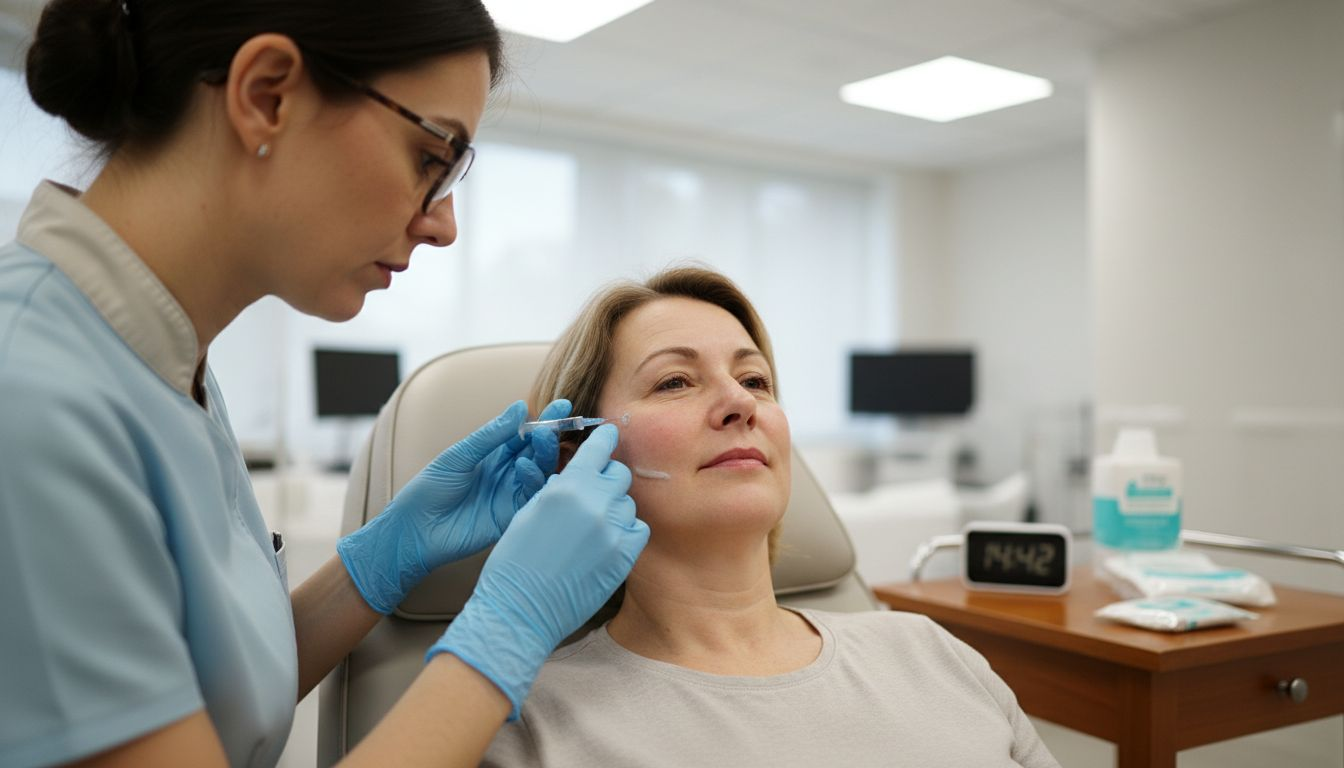
Here’s a comparison of primary dermal filler types, highlighting their unique characteristics and ideal uses:
| Filler Type | Best Application Area | Typical Longevity | Distinguishing Benefit |
|---|---|---|---|
| Hyaluronic Acid (HA) | Lips, fine lines, cheeks | 6–18 months | Immediate volume and hydration |
| Calcium Hydroxyapatite | Deep wrinkles, jawline, chin | 12–18 months | Strong structural support |
| Poly-L-Lactic Acid (PLLA) | Widespread facial volume loss | Up to 2 years | Gradual, long-lasting collagen boost |
Pro tip: Consult a qualified aesthetic practitioner who can assess your unique facial structure and recommend the most appropriate filler type for your specific aesthetic goals.
Procedure steps and natural-looking outcomes
Professional filler procedures require meticulous planning and expert technique to achieve subtle, harmonious results. The journey begins with a comprehensive consultation where practitioners carefully assess facial anatomy, skin condition, and aesthetic goals to create a personalised treatment approach.
The typical dermal filler procedure involves several precise steps:
Pre-Treatment Consultation
- Detailed facial assessment
- Discussion of aesthetic objectives
- Medical history review
- Treatment plan development
Preparation Stage
- Cleansing treatment areas
- Applying topical anaesthetic
- Marking precise injection points
- Selecting appropriate filler type
Injection Technique
- Strategic, micro-volume injections
- Layered application for natural contour
- Gentle massage to ensure even distribution
- Minimal invasiveness
- Key Outcome Considerations
- Subtle volume restoration
- Maintaining natural facial expressions
- Avoiding overdone or ‘frozen’ appearance
- Respecting individual facial dynamics
Precision matters more than quantity in aesthetic treatments – subtle enhancements create the most striking transformations.
Understanding facial anatomy is crucial for achieving natural-looking outcomes. Skilled practitioners use advanced techniques that work with the face’s natural structure, ensuring that fillers enhance rather than dramatically alter one’s appearance.
Pro tip: Request to see your practitioner’s before-and-after portfolio to gauge their ability to create nuanced, natural-looking results.
Safety protocols and UK regulation compliance
UK regulatory oversight of dermal filler treatments has become increasingly stringent to protect patient safety and ensure professional standards. The evolving landscape of aesthetic medicine demands comprehensive protocols that safeguard patient health and treatment quality.
Key safety requirements for dermal filler procedures include:
Practitioner Qualifications
- Medical or nursing professional registration
- Specialised aesthetic medicine certification
- Ongoing professional development
- Current professional indemnity insurance
Treatment Environment Standards
- Registered with Care Quality Commission (CQC)
- Clinical-grade sanitation protocols
- Dedicated treatment spaces
- Proper medical equipment maintenance
Product Compliance
- CE-marked medical devices
- Approved by Medicines and Healthcare products Regulatory Agency (MHRA)
- Traceable product documentation
- Regular quality control checks
- Patient Protection Measures
- Comprehensive pre-treatment consultation
- Detailed medical history assessment
- Explicit informed consent
- Transparent risk disclosure
Safety in aesthetic treatments is not a luxury – it’s an absolute requirement for patient well-being and professional integrity.
Regulatory bodies continuously develop frameworks to protect patients, recognising the potential risks associated with unregulated cosmetic procedures. Practitioners must demonstrate not just technical skill, but a profound commitment to patient safety and ethical practice.
Pro tip: Always verify your practitioner’s professional credentials and ask to see their current certification before proceeding with any aesthetic treatment.
Expected results, side effects, and alternatives
Clinical research on dermal fillers reveals a comprehensive understanding of patient expectations, potential risks, and transformative outcomes. Aesthetic treatments require a nuanced approach that balances individual aesthetic goals with medical safety considerations.
Expected results typically encompass:
Immediate Aesthetic Improvements
- Restored facial volume
- Softened fine lines and wrinkles
- Enhanced facial contours
- Natural-looking rejuvenation
Potential Side Effects
- Temporary redness
- Minor swelling
- Potential bruising
- Mild tenderness at injection sites
- Serious but Rare Complications
- Vascular occlusion
- Potential allergic reactions
- Risk of infection
- Asymmetrical results
- Treatment Alternatives
- Anti-wrinkle injections
- Skin resurfacing treatments
- Topical skincare interventions
- Surgical aesthetic procedures
Patient safety and informed consent are paramount in achieving successful aesthetic outcomes.
Understanding the nuanced spectrum of potential results helps patients make well-informed decisions. Each individual’s response to treatments varies, emphasising the importance of personalised consultations and realistic expectations.
The following table provides a concise overview of common non-surgical aesthetic treatment alternatives to dermal fillers:
| Treatment Type | Main Benefit | Typical Duration |
|---|---|---|
| Anti-wrinkle Injections | Smoothes dynamic wrinkles | 3–6 months |
| Skin Resurfacing Treatments | Improves skin texture | Several months |
| Topical Skincare | Enhances skin health | Ongoing maintenance |
| Surgical Procedures | Permanent structural changes | Years to decades |
Pro tip: Request a comprehensive consultation that includes a thorough discussion of potential risks, expected outcomes, and your unique treatment goals.
Restore Your Natural Radiance with Expert Wrinkle Fillers at Monaz Clinic
If you are seeking to reduce fine lines and restore lost facial volume safely and naturally this article has highlighted common concerns about wrinkle fillers including fears about unnatural results and safety. At Monaz Clinic located at 96 Harley Street in London we understand your desire for subtle enhancements that respect your unique facial anatomy. Our experienced team led by Mrs Mona Zirak specialises in personalised dermal filler treatments that revitalise skin smoothness while maintaining your natural expressions.

Explore our expert advice and tips to prepare for your treatment journey. Book your complimentary consultation today at Monaz Clinic to discuss your goals and discover how our sophisticated injectable procedures can safely soften wrinkles, restore volume, and refresh your appearance with lasting results. Start your transformation with confidence and clarity now.
Frequently Asked Questions
What are wrinkle fillers and how do they work?
Wrinkle fillers are injectable treatments designed to restore skin’s volume, smooth fine lines, and rejuvenate facial contours. They primarily consist of hyaluronic acid and other bio-compatible substances that replenish lost volume and stimulate collagen production.
How long do wrinkle fillers last?
Most wrinkle fillers are temporary and typically last between 6 to 18 months, depending on the type of filler used and individual metabolism. Regular maintenance treatments can help sustain desired results.
Are there any side effects associated with wrinkle fillers?
Common side effects include temporary redness, minor swelling, and mild tenderness at the injection sites. Serious complications are rare but can include vascular occlusion and allergic reactions.
Can wrinkle fillers provide natural-looking results?
Yes, skilled practitioners can achieve subtle and harmonious results with wrinkle fillers. Personalised treatments and modern techniques focus on enhancing natural facial features, avoiding an overdone appearance.
Recommended
- What Is a Good Wrinkle Filler for Women? – Monaz Clinic London
- Understanding the Benefits of Dermal Fillers for Facial Aesthetics – Monaz Clinic London
- Understanding What Are Facial Fillers and Their Benefits – Monaz Clinic London
- Understanding the Role of Dermal Fillers in Aesthetics – Monaz Clinic London