




Discover how to choose and apply the best anti wrinkle cream for women with our step-by-step London guide, ensuring optimal results and safer skin rejuvenation.
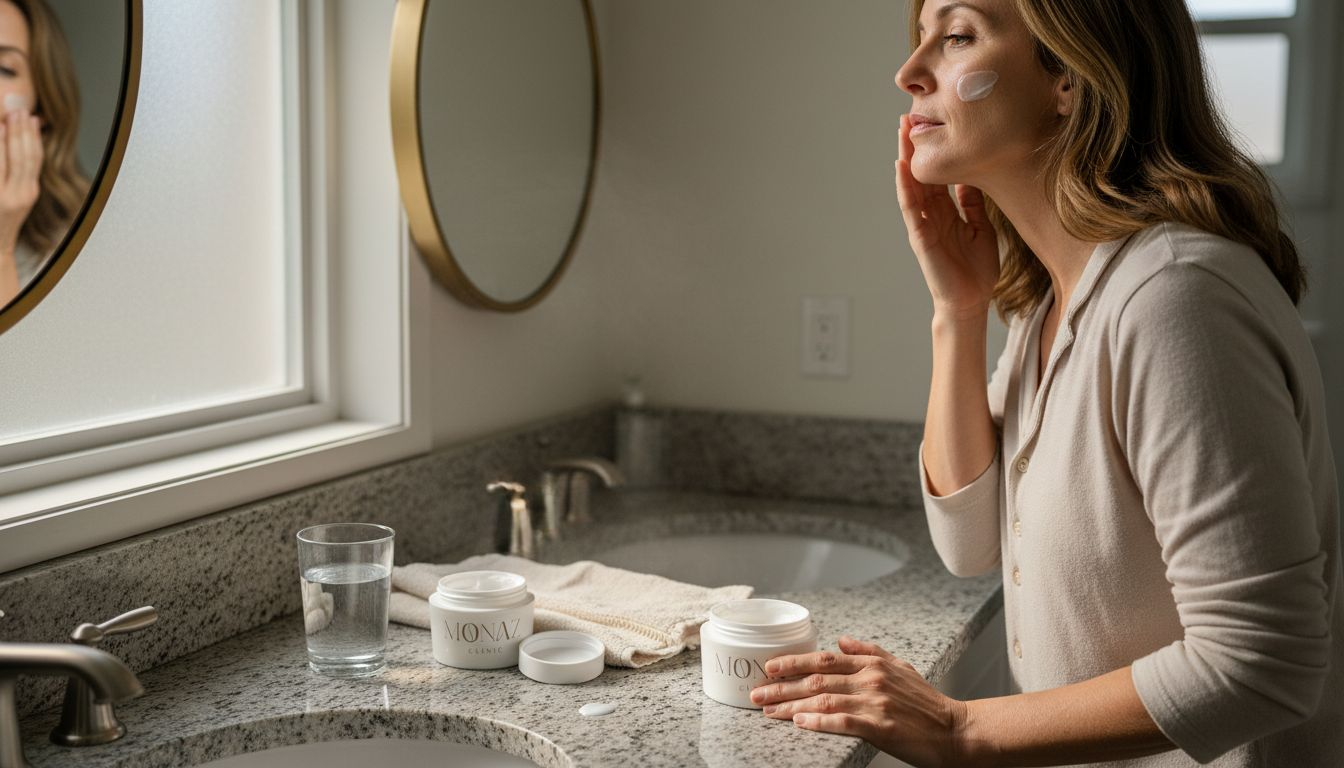
Tired of searching for the right anti-wrinkle cream, only to be overwhelmed by confusing ingredients and bold marketing claims? For women in London, selecting a premium, non-surgical solution is about more than just price and packaging. New research from the University of Manchester shows that understanding how your skin repairs itself—by activating specific DNA regions for regeneration—makes ingredient choice far more effective. This guide offers practical steps to assess your skin needs, choose the most powerful ingredients, and achieve visible results while safeguarding your skin’s health.
Table of Contents
- Step 1: Assess Skin Needs And Understand Science
- Step 2: Select The Best Anti Wrinkle Cream For Women
- Step 3: Prepare Skin For Maximum Absorption
- Step 4: Apply Cream Correctly For Optimal Results
- Step 5: Monitor Skin Response And Adjust Routine
Quick Summary
| Insight | Explanation |
|---|---|
| 1. Assess Your Skin Needs | Identify your skin type and primary aging concerns to choose effective anti-wrinkle products tailored for your needs. |
| 2. Choose Proven Ingredients | Select anti-wrinkle creams with clinically proven active ingredients like Retinoids and Vitamin C for visible results. |
| 3. Prepare Skin for Application | Cleanse your skin thoroughly and wait a few minutes before application to enhance absorption of active ingredients. |
| 4. Apply the Right Amount | Use a pea-sized amount and apply using upward strokes to maximise absorption and minimise product waste. |
| 5. Monitor Your Skin’s Response | Track changes in your skin during the first weeks to adjust your routine based on its reactions rather than marketing claims. |
Step 1: Assess Skin Needs and Understand Science
Before you invest in an anti-wrinkle cream, understanding your skin and the science behind effective treatments is essential. This step ensures you choose products that actually work for your specific concerns, rather than wasting money on ingredients that won’t benefit you.
Start by identifying your skin type and primary aging concerns. Are you dealing with fine lines around the eyes, deeper frown lines on your forehead, or a combination of concerns? Your answers determine which active ingredients will be most effective for you.
- Dynamic wrinkles form from repeated facial expressions (frowning, squinting, smiling)
- Static wrinkles are visible even when your face is at rest
- Environmental damage from sun exposure and pollution accelerates ageing
- Loss of elasticity happens as collagen production naturally decreases
Understanding how your skin actually repairs itself matters more than you might think. Research shows that skin repair mechanisms activate specific DNA regions to enhance cell division and regeneration. This means choosing creams with ingredients that support your skin’s natural healing process works better than applying random products.
Next, learn about cosmeceutical ingredients and how they function. Cosmeceuticals like vitamin C and retinol have medicine-like properties that affect skin biology directly. Vitamin C, for example, is an antioxidant involved in collagen synthesis, but it’s sensitive to light and pH levels, which affects its stability and effectiveness in your cream.
Assess your skin’s current condition honestly. Check your skin texture, sensitivity levels, and any existing irritation or conditions like rosacea. This prevents you from choosing ingredients that might aggravate your skin rather than improve it.
Your skin type and sensitivity level should guide your ingredient selection, not marketing claims or price tags.
Consider consulting with a professional who can assess your skin under proper conditions. They can identify subtle signs of ageing you might miss and recommend treatments matched to your skin’s actual needs rather than your assumptions.
Pro tip: Keep a simple skin diary for two weeks before purchasing, noting how your skin feels at different times of day and how it responds to your current routine. This real-world data reveals your skin’s true needs far better than guessing.
Step 2: Select the Best Anti Wrinkle Cream for Women
Now that you understand your skin’s needs, it’s time to choose a cream that actually delivers results. The key is looking beyond marketing claims and focusing on proven ingredients, safety standards, and compatibility with your skin type.
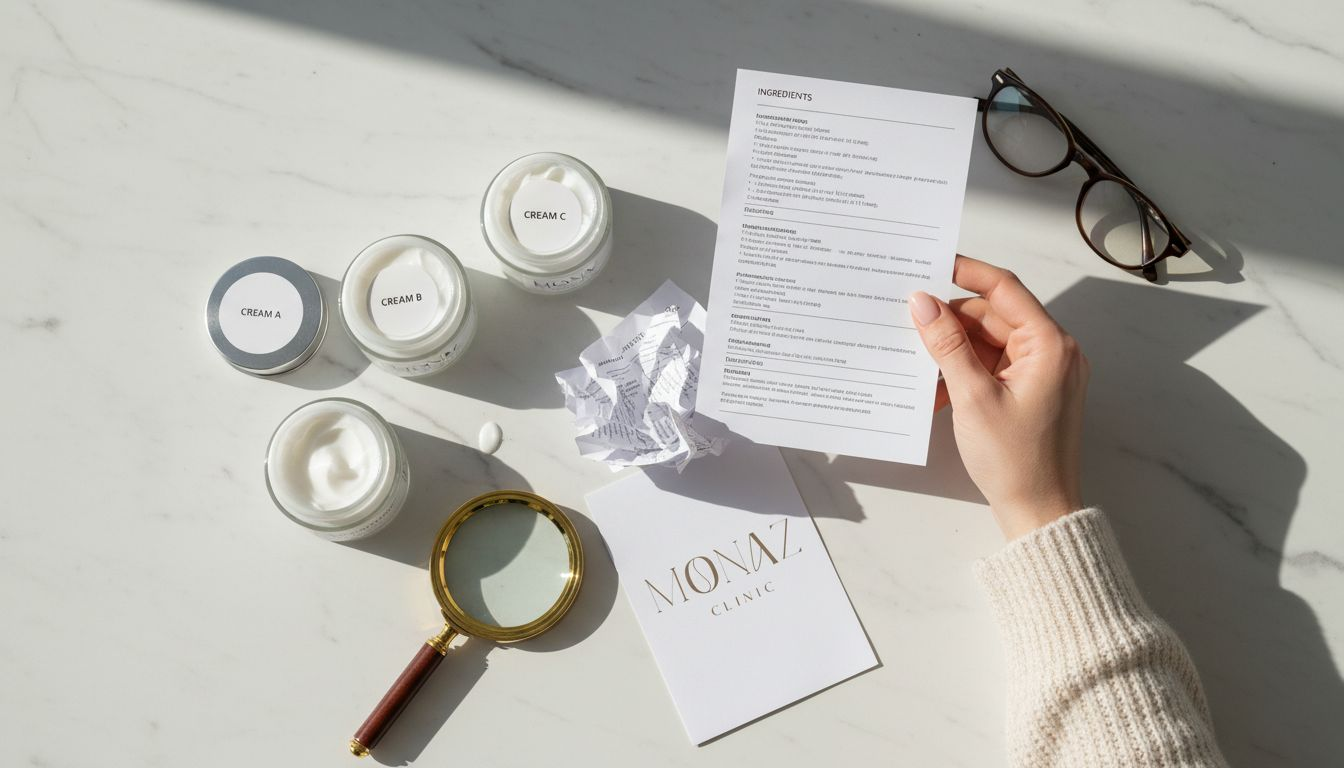
Start by identifying creams with clinically proven active ingredients. Retinoids and antioxidants are the gold standard for reducing fine lines and preventing further damage. These ingredients have years of research supporting their effectiveness, unlike trendy ingredients that appear and disappear.
Check the ingredient list carefully. Look for these proven performers:
- Retinol or retinoids stimulate collagen production and cell turnover
- Vitamin C protects against environmental damage and brightens skin
- Niacinamide strengthens your skin barrier and reduces inflammation
- Peptides support skin firmness and elasticity
- Hyaluronic acid hydrates deeply and plumps fine lines
Understand which ingredient combinations actually work together. Certain skincare combinations like benzoyl peroxide and retinol should be avoided because they can cause irritation and reduce effectiveness. Knowing what to avoid prevents wasting money on products that will clash with your routine.
Look for products with proper regulatory approval. MHRA-licensed anti-wrinkle creams have undergone rigorous testing for safety and efficacy. Checking the product against the regulatory database gives you peace of mind that what you’re applying is genuinely validated.
Consider the product’s formulation strength and your skin’s tolerance. A highly concentrated retinoid might be too strong if you have sensitive skin, even if it’s excellent quality. Start with gentler versions and work your way up as your skin builds tolerance.
Read patient information leaflets if available. They contain detailed information about what the product does, how to use it safely, and what to expect. This isn’t marketing material; it’s factual guidance about results and potential side effects.
Here’s a quick reference comparing major anti-wrinkle cream ingredients and their typical effects:
| Ingredient | Key Benefit | Skin Type Suitability | Considerations |
|---|---|---|---|
| Retinoids | Boost collagen, reduce fine lines | Mature, normal, oily | May cause irritation; start slowly |
| Vitamin C | Brightens, protects from environmental stress | All types, especially dull skin | Unstable if exposed to light; use morning |
| Niacinamide | Reduces inflammation, strengthens barrier | Sensitive, combination | Excellent for redness; gentle effect |
| Peptides | Firms, supports elasticity | Ageing, dry, sensitive | Works well with moisturisers |
| Hyaluronic Acid | Hydrates, plumps surface | All types, especially dry | Layer under richer creams for best results |
The most expensive cream isn’t necessarily the best—ingredient quality, formulation science, and regulatory approval matter far more than price tag.
Pro tip: Purchase a small size or travel version first to test how your skin responds over three to four weeks before committing to a full-size product. Your skin might need time to adjust to active ingredients, and early reactions don’t always predict long-term results.
Step 3: Prepare Skin for Maximum Absorption
Your anti-wrinkle cream will only work as well as your skin allows it to. Proper preparation maximises absorption and ensures the active ingredients reach the layers where they can genuinely make a difference. This step takes just minutes but transforms your results.
Start with a gentle cleanser suited to your skin type. Cleansing removes dirt, oil, and makeup that block ingredient penetration. Use lukewarm water and pat your skin dry completely, as damp skin can dilute your cream and reduce its potency.
Allow your skin to settle for two to three minutes after cleansing. This brief pause lets your skin pH stabilise and your natural moisture barrier begin recovering. Rushing straight to apply active ingredients on freshly washed skin can increase irritation.
Understand your skin’s pH and barrier health. Drug absorption through skin depends on pH, barrier integrity, and chemical properties, so maintaining a healthy skin barrier is essential for your anti-wrinkle cream to work effectively. A compromised barrier means ingredients can’t penetrate properly.
Avoid applying multiple conflicting actives at once. Combining harsh actives like alpha hydroxy acids with retinoids simultaneously damages your skin barrier and reduces effectiveness of both products. If you use multiple active ingredients, alternate them between morning and evening routines.
Consider your skin’s current state before application:
- Irritated or compromised skin needs gentler ingredients and less frequent application
- Dehydrated skin absorbs better when hydrated first with a hydrating essence or toner
- Sensitive skin benefits from a buffer layer like a gentle moisturiser underneath actives
- Oily skin still needs some hydration; skip this only if truly problematic
Apply your anti-wrinkle cream to completely dry skin using upward strokes. Press gently rather than rubbing, which can damage delicate facial skin. A pea-sized amount covers your entire face if you use the right application technique.
Preparation isn’t optional—it’s the foundation that determines whether your cream delivers results or sits on your skin’s surface unused.
Pro tip: Wait three to five minutes after applying your anti-wrinkle cream before adding other products, allowing it to absorb fully and reducing the chance of ingredient interactions that might compromise effectiveness.
Step 4: Apply Cream Correctly for Optimal Results
How you apply your anti-wrinkle cream matters as much as what’s in it. The right application technique ensures maximum absorption, minimises waste, and reduces the risk of irritation. Most women apply far too much product and don’t work it in properly.
Start with the correct amount. A pea-sized portion is sufficient for your entire face and neck. More product doesn’t mean better results; excess just sits on your skin’s surface and can actually cause irritation or comedones.
Dispense your cream onto your fingertips and warm it slightly by rubbing your fingers together. This warming step helps the cream spread more evenly and improves absorption into your skin’s deeper layers.
Apply using upward strokes in these areas:
- Forehead: press gently from the centre outwards towards your temples
- Eyes: use your ring finger (weakest finger) to tap around the orbital bone, avoiding direct eyelid contact
- Cheeks: press upwards from your cheekbones towards your temples
- Chin and jawline: work upwards towards your ears
- Neck: use upward strokes from collarbone to chin
Understand how different cream formulations absorb differently. Creams with higher oil content provide better moisture retention for dry skin, whilst lotions absorb faster but may be less hydrating. Choose your formulation based on your skin type, not just preference.
Press gently rather than rubbing. Your facial skin is delicate, and friction can cause irritation and damage. Think of pressing the cream into your skin rather than spreading it across the surface.
Wash your hands thoroughly after application. Emollient creams require safe application practices including washing hands after use to prevent any residue transferring to clothing or causing skin irritation elsewhere.
Allow two to three minutes for full absorption before applying other products like serums or moisturisers. This waiting period lets the active ingredients penetrate properly rather than being diluted or blocked.
Precision beats generosity every single time. A tiny amount applied correctly outperforms excessive product applied carelessly.
Pro tip: Apply your anti-wrinkle cream to damp (not wet) skin, as slight hydration helps products absorb more evenly and reduces irritation compared to completely dry application.
Step 5: Monitor Skin Response and Adjust Routine
Your skin is unique, and how it responds to your anti-wrinkle cream in the first two to four weeks determines whether you continue, modify, or change your approach. Monitoring carefully prevents wasting time and money on products that aren’t working for you.
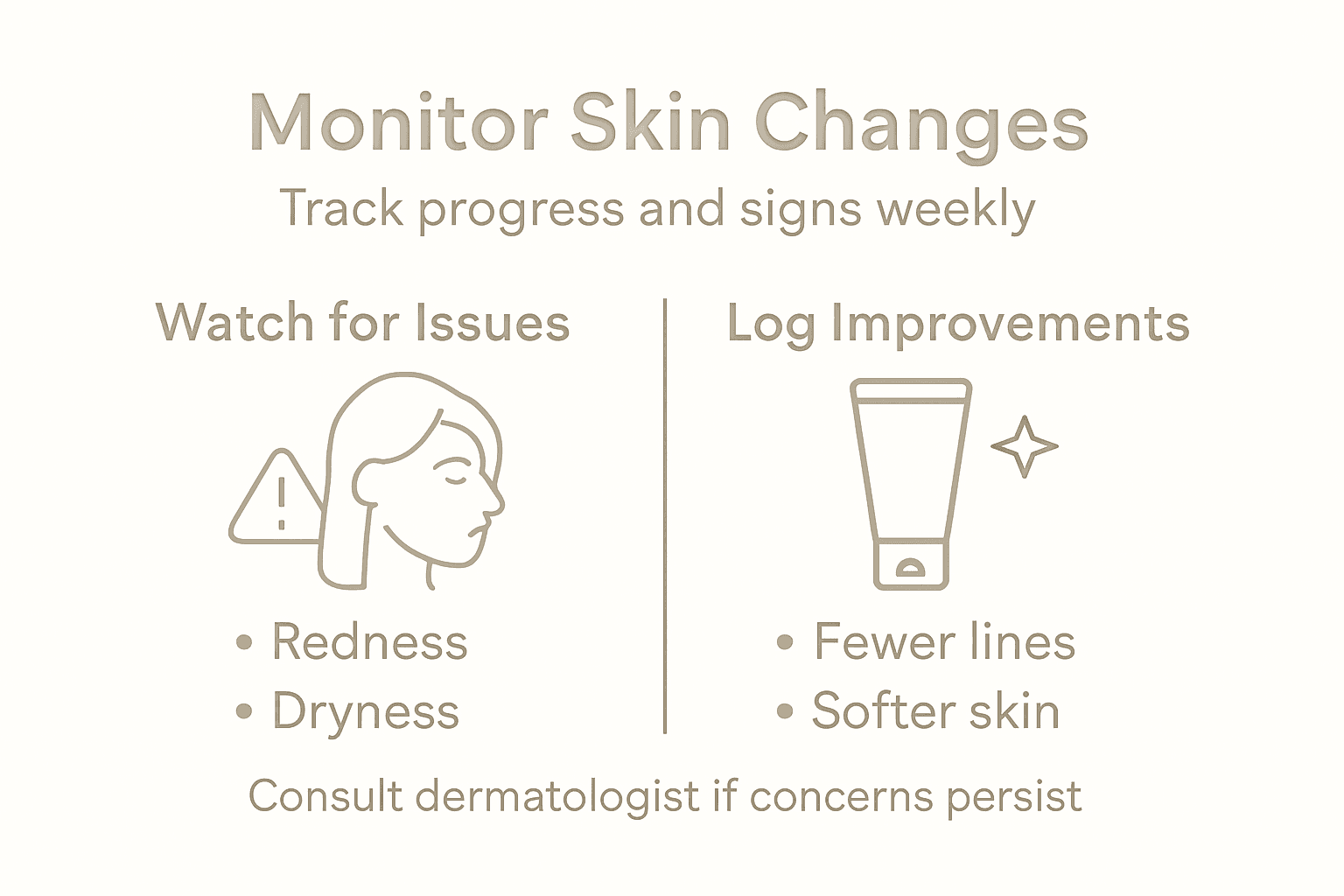
Track your skin’s reaction systematically. Keep a simple log noting any changes like redness, sensitivity, dryness, or improvements in fine lines. Write observations at the same time each day for consistency, as skin conditions vary throughout the day based on hydration and environmental factors.
Expect an adjustment period. Your skin may experience mild dryness or slight irritation during the first week or two as it adapts to active ingredients. This is often normal, but it’s crucial to distinguish between expected adjustment and genuine adverse reactions.
Watch for these warning signs:
- Persistent redness lasting more than a few minutes after application
- Severe itching or burning that doesn’t subside quickly
- Increased breakouts or cystic acne developing
- Allergic reactions like swelling, hives, or difficulty breathing
- Excessive dryness or peeling that creams cannot manage
If you notice adverse effects, monitor your skin’s response to ingredients and adjust your routine accordingly, introducing potent actives gradually rather than stopping abruptly. This measured approach prevents irritation whilst allowing your skin to acclimatise.
Adjust your routine strategically. If irritation occurs, reduce application frequency from daily to every other day, or switch to a gentler formulation. If your cream isn’t delivering visible results after four weeks, it may be time to try a different product or concentration.
Consider your overall skincare combination. Sometimes incompatible products cause problems, not the anti-wrinkle cream itself. Dermatology experts recommend tailoring skincare routines based on skin reactions and consulting professionals to optimise care safely, especially when managing multiple active ingredients.
Document improvements over time. Fine lines soften gradually; dramatic changes overnight don’t happen with topical creams. Taking comparison photos at weeks two, four, and eight helps you see subtle improvements you might otherwise miss.
To help you determine the right adjustment if your skin reacts, here’s a summary of typical responses and recommended actions:
| Skin Reaction | Possible Cause | Suggested Adjustment |
|---|---|---|
| Mild dryness | Initial retinoid exposure | Reduce frequency, add hydration |
| Persistent redness | Incompatibility or overuse | Switch products or consult skincare expert |
| Sensitivity | Formula too strong | Try lower concentration or buffer with moisturiser |
| No visible change | Subtle formulation or low dosage | Increase actives gradually or trial alternative |
Your skin tells you what it needs. Listen carefully, and adjust your routine based on real observations, not marketing promises or expectations.
Pro tip: If you introduce a new anti-wrinkle cream, avoid adding other new products simultaneously, as you won’t know which ingredient caused any reaction you experience.
Transform Your Anti-Ageing Journey with Expert Care at Monaz Clinic
Choosing the right anti-wrinkle cream involves understanding your skin’s unique needs and navigating complex ingredients and sensitivities. If you are seeking professional guidance to safely rejuvenate your skin while respecting its natural balance, Monaz Clinic offers tailored solutions designed exclusively for women. From scientifically backed treatments to expert advice, we help you avoid common pitfalls like irritation or ineffective products and achieve subtle, youthful results.

Explore our range of advanced non-surgical treatments, including Anti-Wrinkle Injections and skin boosters, which complement your topical routine perfectly. Located in the heart of London at 96 Harley Street, our medically led team provides personalised consultations to create a regimen that suits your skin sensitivity and ageing ambitions. Don’t wait for guesswork or trial and error. Visit Monaz Clinic today and start your journey to naturally revitalised skin with confidence.
Frequently Asked Questions
How do I determine my skin type to choose the best anti-wrinkle cream?
To identify your skin type, assess how your skin behaves throughout the day—whether it feels oily, dry, or sensitive. Consider keeping a simple skin diary for a couple of weeks to track your skin’s response to different products and conditions.
What key ingredients should I look for in an anti-wrinkle cream?
Look for clinically proven ingredients like Retinol, Vitamin C, Niacinamide, Peptides, and Hyaluronic Acid, as these have demonstrated effectiveness in reducing fine lines. Start with a small sample size to see how your skin reacts to these active ingredients before committing to a full-sized product.
How should I prepare my skin before applying anti-wrinkle cream for maximum effectiveness?
Start with a gentle cleanser suited to your skin type, then allow your skin to dry completely for optimal absorption. Wait a few minutes to let your skin’s pH stabilise before applying your cream to improve its penetration and effectiveness.
What is the correct application method for anti-wrinkle cream?
Use a pea-sized amount of cream, apply it gently using upward strokes, and avoid rubbing. For the eye area, use your ring finger to gently tap the cream around the orbital bone, which helps prevent irritation from excessive pressure.
How can I monitor my skin’s reaction to an anti-wrinkle cream?
Keep a log of any changes, such as irritation, dryness, or improvement in wrinkles, and review it regularly. Establish a routine to check your skin’s condition daily, adjusting your use of the product as needed, especially if you experience significant negative reactions.
How long should I wait to see results from an anti-wrinkle cream?
Typically, visible improvements in fine lines can take about four to eight weeks of consistent use. After this period, assess your results and consider adjusting your routine or product if you’re not seeing the desired effects.