

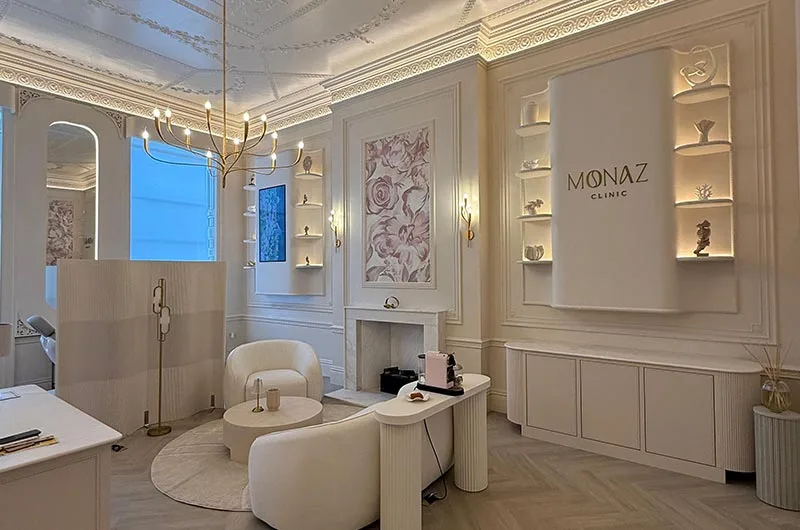


Safe cosmetic procedures for women explained. Explore types, practitioner standards, new UK regulations and risks for natural results in London.

Most British women in Central London now prefer non-surgical cosmetic procedures for subtle facial enhancement without downtime. With over 80 percent of cosmetic clients seeking natural results, safety has become the top concern. These treatments offer options for smoother skin and refreshed appearance while reducing medical risks. Discover how new standards and personalized consultations help you choose qualified practitioners and achieve the outcome you want with confidence.
Table of Contents
- Defining Safe Cosmetic Procedures For Women
- Popular Non-Surgical Treatments And Their Benefits
- Practitioner Qualifications And Clinic Standards
- Understanding UK Regulations And Licensing 2026
- Risks, Costs And What To Avoid In Cosmetic Care
Key Takeaways
| Point | Details |
|---|---|
| Non-Surgical Treatments | Non-surgical cosmetic procedures provide minimally invasive options that enhance aesthetics while reducing recovery time and risks. |
| Regulatory Developments | The UK is advancing regulations to ensure cosmetic practitioners meet standardised qualification and training requirements for improved patient safety. |
| Practitioner Qualifications | Women should verify the medical qualifications and experience of practitioners to ensure safe treatment outcomes in cosmetic procedures. |
| Awareness of Risks | Understanding the potential risks of aesthetic treatments is crucial; cheaper options may lead to serious complications, highlighting the importance of prioritising safety over cost. |
Defining Safe Cosmetic Procedures for Women
Cosmetic procedures represent carefully considered medical interventions designed to enhance or restore aesthetic appearances. In London, non-surgical cosmetic treatments offer women increasingly sophisticated options for addressing skin concerns and maintaining natural-looking results. The landscape of these procedures has significantly evolved with advances in medical technology and aesthetic understanding.
Non-surgical cosmetic procedures encompass a range of minimally invasive treatments that do not require surgical incisions. These typically include injectables like , dermal fillers, chemical peels, microneedling, and laser therapies. Each procedure targets specific aesthetic concerns while minimising recovery time and potential surgical risks. Critically, these treatments demand precise technical skill, advanced medical knowledge, and an understanding of individual facial anatomy.
Regulatory frameworks in the United Kingdom are actively developing to ensure patient safety. Recent government consultations have highlighted the need for standardised qualification and training requirements for practitioners performing these delicate aesthetic interventions. The Health and Care Act 2022 provides mechanisms for introducing more robust licensing standards, addressing historical gaps in practitioner qualifications and treatment protocols.
Pro tip: Always verify a practitioner’s medical qualifications, professional registrations, and specific training in the cosmetic procedure you are considering before booking any treatment.
Popular Non-Surgical Treatments and Their Benefits
Non-surgical cosmetic treatments have revolutionised aesthetic enhancement for women in London, offering sophisticated solutions that minimise invasiveness and downtime. The landscape of modern cosmetic procedures now encompasses a diverse range of treatments designed to address specific skin concerns and rejuvenation goals with precision and subtlety.
Key non-surgical treatments popular among London women include:
- Botulinum Toxin () Injections: Effectively reduces fine lines and wrinkles by temporarily relaxing facial muscles
- Dermal Fillers: Restore volume, smooth skin contours, and enhance facial features with hyaluronic acid-based solutions
- Chemical Peels: Improve skin texture, reduce pigmentation, and stimulate collagen production
- Laser Therapies: Target specific skin concerns like hair removal, skin resurfacing, and pigmentation correction
Modern non-surgical treatments have become increasingly accessible and affordable, offering women nuanced aesthetic improvements without significant surgical intervention. These procedures provide subtle enhancements that maintain natural facial characteristics, addressing concerns like age-related volume loss, skin texture irregularities, and fine lines with minimal recovery time.
Here is a summary of non-surgical cosmetic procedures, comparing typical use, expected downtime, and key safety considerations:
| Procedure Type | Typical Use | Recovery Time | Safety Consideration |
|---|---|---|---|
| Injections | Reduce facial wrinkles | 1-2 days | Requires precise technique |
| Dermal Fillers | Restore lost facial volume | 2-5 days | Allergic reactions possible |
| Chemical Peels | Refine skin texture | 5-7 days | Risk of pigmentation changes |
| Laser Therapies | Treat skin imperfections | Varies: 1-10 days | Risks of burns or scarring |
Pro tip: Always research and select a certified practitioner with specialised training in the specific non-surgical treatment you are considering, and request a comprehensive consultation to understand potential outcomes and individual suitability.
Practitioner Qualifications and Clinic Standards
Medical qualifications form the critical foundation for safe cosmetic procedures in London. Current research highlights significant gaps in practitioner regulation, revealing an urgent need for standardised training and professional accountability in non-surgical aesthetic treatments. Potential patients must understand that not all practitioners possess equivalent levels of expertise and medical training.
Key qualifications and standards for reputable cosmetic practitioners include:
- GMC (General Medical Council) registration
- Specific postgraduate training in aesthetic medicine
- Professional indemnity insurance
- Comprehensive understanding of facial anatomy
- Ongoing professional development certifications
- Demonstrated experience in specific non-surgical procedures
Government consultations are actively developing licensing schemes to establish uniform standards across aesthetic clinics. These proposed regulations aim to protect patients by ensuring practitioners demonstrate appropriate medical training, maintain strict infection control protocols, and provide transparent information about potential risks and expected outcomes of cosmetic interventions.
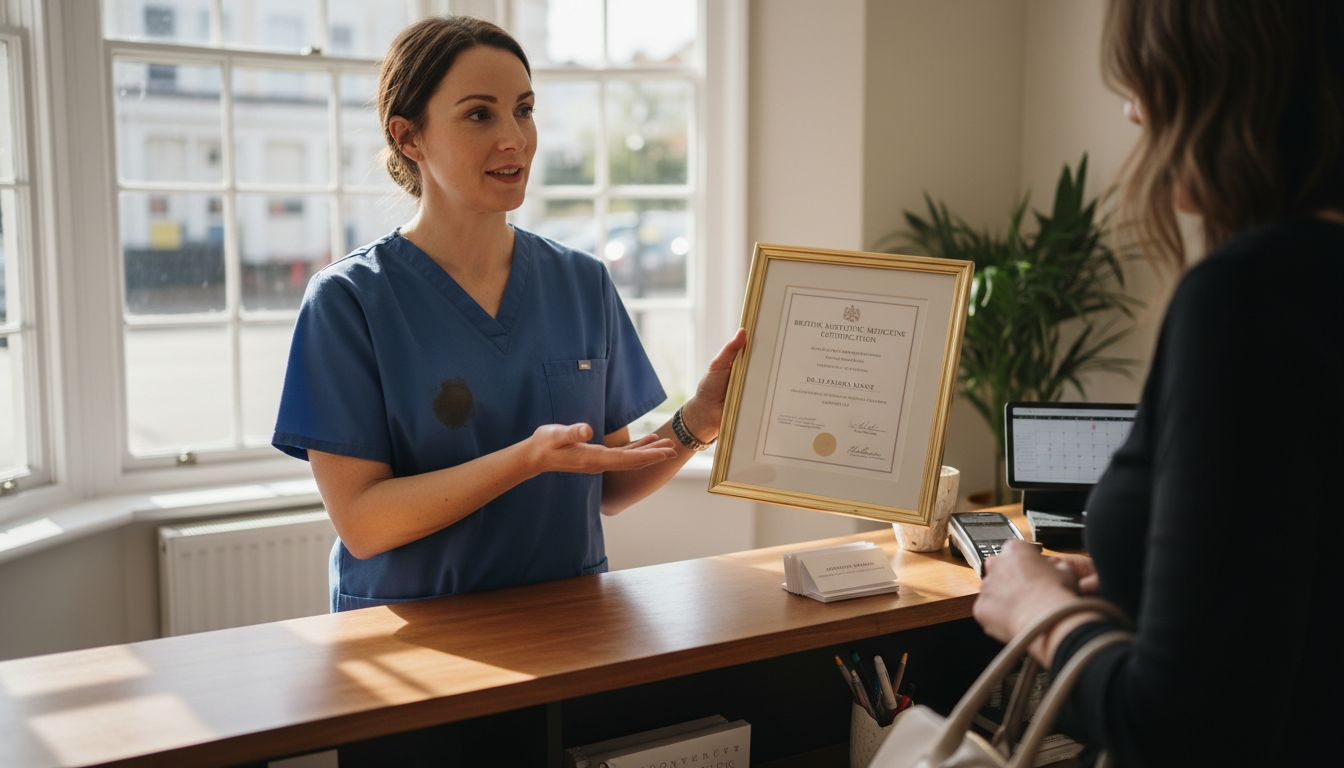
Pro tip: Request to review a practitioner’s formal qualifications, professional registrations, and specific training certificates during your initial consultation to ensure you are receiving treatment from a genuinely qualified professional.
Understanding UK Regulations and Licensing 2026
Non-surgical cosmetic regulations in the United Kingdom are undergoing significant transformation to enhance patient safety and professional standards. The government has introduced a comprehensive regulatory framework under the Health and Care Act 2022, establishing clear guidelines for practitioner qualifications and treatment protocols.
The new regulatory approach categorises non-surgical cosmetic procedures into distinct risk levels:
- Green Risk: Low-complexity treatments with minimal potential complications
- Amber Risk: Moderate complexity procedures requiring specific training
- Red Risk: High-risk interventions restricted to qualified healthcare professionals
Emerging licensing regulations for 2025-2026 will fundamentally reshape the aesthetic medicine landscape, mandating stringent oversight for practitioners and clinics. Local authorities will play a crucial role in issuing licenses, ensuring that only appropriately trained professionals can perform specific cosmetic interventions. These regulations aim to protect consumers by establishing clear accountability standards and reducing potential medical risks associated with unregulated aesthetic treatments.
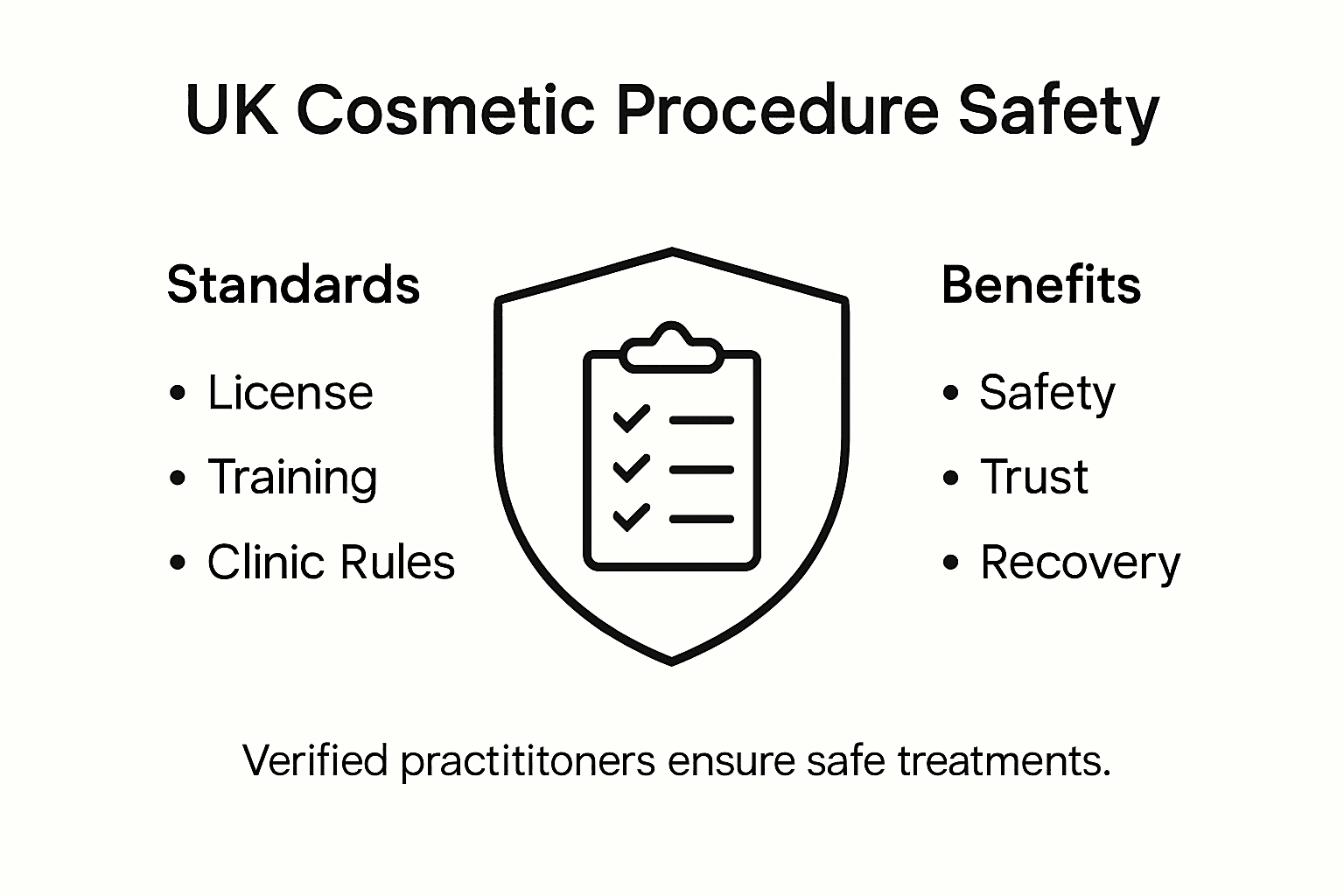
Compare the new UK regulatory risk categories for non-surgical procedures:
| Risk Level | Example Procedures | Who May Perform | Oversight Required |
|---|---|---|---|
| Green | Basic peels, LED facials | Practitioners with basic certification | Minimal, verified training |
| Amber | Injectables, microneedling | Advanced-trained practitioners | Regular local inspection |
| Red | Prescription-only fillers | Qualified healthcare professionals | Strict clinical governance |
Pro tip: Always verify a practitioner’s current licensing status and specific risk-level qualifications before proceeding with any non-surgical cosmetic procedure.
Risks, Costs and What to Avoid in Cosmetic Care
Cosmetic procedure risks represent a critical consideration for women seeking aesthetic treatments in London. Increasing concerns about unsafe practices highlight significant potential dangers in the non-surgical aesthetic industry, with unqualified practitioners potentially causing serious long-term health complications.
Key risks in cosmetic procedures include:
- Permanent scarring
- Infection from unsterile environments
- Allergic reactions to treatment substances
- Nerve damage
- Asymmetrical or unintended aesthetic outcomes
- Psychological distress from unsatisfactory results
Comprehensive safety assessments by regulatory bodies emphasise the importance of selecting licensed practitioners operating in professionally regulated environments. Cost should never be the primary consideration when selecting an aesthetic treatment provider, as cheaper options frequently correlate with increased medical risks and potential future corrective expenses. Women must prioritise practitioner qualifications, clinic standards, and demonstrated expertise over pricing.
Pro tip: Request comprehensive medical consultations, review practitioner credentials thoroughly, and never compromise on safety standards to save money during aesthetic treatments.
Prioritise Safety with Expert Non-Surgical Cosmetic Treatments at Monaz Clinic
The article highlights the crucial challenge women in London face in ensuring cosmetic procedures are safe and performed by qualified practitioners. Concerns about unregulated treatments and the importance of practitioner credentials resonate strongly with anyone seeking natural-looking, medically sound enhancements. If you require expert care that respects your unique anatomy and prioritises your wellbeing Monaz Clinic offers a trusted solution led by Mrs Mona Zirak and supervised by GMC-registered medical professionals. We understand the anxiety surrounding cosmetic treatments and deliver personalised, subtle results in a secure environment steeped in over 250 years of medical excellence.
For insight into safe practices and tips to protect yourself from risks explore our tips – Monaz Clinic | Facial Aesthetic Clinic in London category.
Discover the difference of medically qualified care by visiting Monaz Clinic today. Book a complimentary consultation to discuss your goals with confidence and learn why so many women trust us to help them Reveal Their Best Self. Act now and choose a clinic that puts your safety and satisfaction first.
Frequently Asked Questions
What are non-surgical cosmetic procedures?
Non-surgical cosmetic procedures are minimally invasive treatments designed to enhance or restore aesthetic appearances without the need for surgical incisions. They include injectables like , dermal fillers, chemical peels, microneedling, and laser therapies.
How can I ensure the safety of my cosmetic procedure?
To ensure safety, verify your practitioner’s medical qualifications, professional registrations, and specific training related to the procedure. Additionally, choose a clinic that adheres to health regulations and best practices.
What types of aesthetic concerns can non-surgical treatments address?
Non-surgical treatments can address a variety of aesthetic concerns, including fine lines and wrinkles, loss of facial volume, skin texture irregularities, and pigmentation issues.
What should I consider before undergoing a cosmetic procedure?
Before undergoing a cosmetic procedure, consider the practitioner’s qualifications, clinic standards, potential risks associated with the procedure, and any expected downtime. Always prioritise safety over cost when selecting a treatment provider.