




Skin health guides natural beauty, confidence, and ageing. Learn about layers, types, common issues, risks, and vital care for lasting radiance.

Over 60 percent of women in Central London say skin confidence is key to feeling naturally beautiful. When navigating the crowded world of non-surgical facial aesthetics, the abundance of advice and products can leave even the savviest British consumer uncertain about what truly supports skin health. This article uncovers science-backed facts and debunks widespread myths, helping you build a clear path toward lasting, radiant skin—while making informed choices about the latest treatments available.
Table of Contents
- Defining Skin Health And Common Myths
- Key Layers And Functions Of Skin
- Types Of Skin And Individual Variations
- Factors Impacting Skin Health And Ageing
- Risks Of Neglected Skin Health
- Effective Strategies For Healthy Skin
Key Takeaways
| Point | Details |
|---|---|
| Understanding Skin Health | Skin health reflects overall physiological wellness and involves more than just appearances; it requires a personalised approach. |
| Myths and Realities | Common myths about skincare can mislead individuals; effective management relies on knowing your unique skin type and consistent care. |
| Impact of Ageing | Skin ageing is influenced by both intrinsic and extrinsic factors, necessitating a holistic lifestyle management strategy for optimal skin health. |
| Risks of Neglect | Neglecting skin health can lead to serious complications, making regular assessments vital for early intervention and effective management. |
Defining Skin Health and Common Myths
Skin health represents more than superficial appearance – it reflects our overall physiological wellness and serves as a dynamic protective system continuously responding to environmental challenges. Understanding skin health involves recognising its complex biological functions, which extend far beyond aesthetic considerations.
Modern dermatological research highlights several pervasive myths that frequently mislead individuals seeking optimal skincare. For instance, the British Skin Foundation reveals that genetic predisposition to skin conditions like eczema does not guarantee their inevitable manifestation. This nuanced understanding challenges simplistic assumptions about skin disorders and emphasises individual variability.
Consultant dermatologists consistently stress that effective skin health management requires realistic expectations and consistent, personalised approaches. Contrary to popular marketing narratives, complex multi-step skincare routines are not inherently superior to streamlined, targeted regimens. What matters most is understanding your unique skin type, selecting appropriate products, and maintaining consistent care.
Professional Insight: Invest time in understanding your specific skin characteristics rather than blindly following trending skincare protocols.
Key Layers and Functions of Skin
The human skin is a remarkably sophisticated biological system comprising three primary layers, each with distinct and critical functions that work synergistically to protect and maintain our body’s health. The British Skin Foundation explains that these layers – the epidermis, dermis, and subcutaneous tissue – form a complex protective mechanism designed to shield us from external environmental challenges while regulating internal physiological processes.
The epidermis, the outermost layer, acts as our primary defensive barrier. This thin yet resilient membrane prevents moisture loss, blocks harmful pathogens, and provides crucial protection against ultraviolet radiation. Beneath the epidermis, the dermis contains an intricate network of blood vessels, nerve endings, sweat glands, and collagen fibres that enable sensory perception, temperature regulation, and structural support for the skin’s overall integrity.
Detailed medical research from Macmillan Cancer Support highlights the sophisticated cellular composition within these layers, noting that specialised cells like melanocytes and basal cells play critical roles in skin health. The deepest layer, the subcutaneous tissue, provides essential thermal insulation, stores energy through fat cells, and acts as a protective cushioning mechanism for underlying muscles and bones.
Pro Tip: Recognise that your skin is a living, dynamic organ requiring holistic care and attention beyond surface-level treatments.
Here is a summary of the three primary layers of skin and their essential functions:
| Skin Layer | Main Role | Key Components |
|---|---|---|
| Epidermis | Protective barrier | Keratinocytes, melanocytes |
| Dermis | Structural support | Collagen, blood vessels, nerves |
| Subcutaneous Tissue | Insulation and cushioning | Fat cells, connective tissue |
Types of Skin and Individual Variations
The British Skin Foundation highlights the complexity of individual skin characteristics, revealing that skin types are far more nuanced than traditional categorisations suggest. Genetic background, environmental exposure, and lifestyle factors interplay to create unique dermatological profiles that demand personalised approaches to skincare and aesthetic treatments.
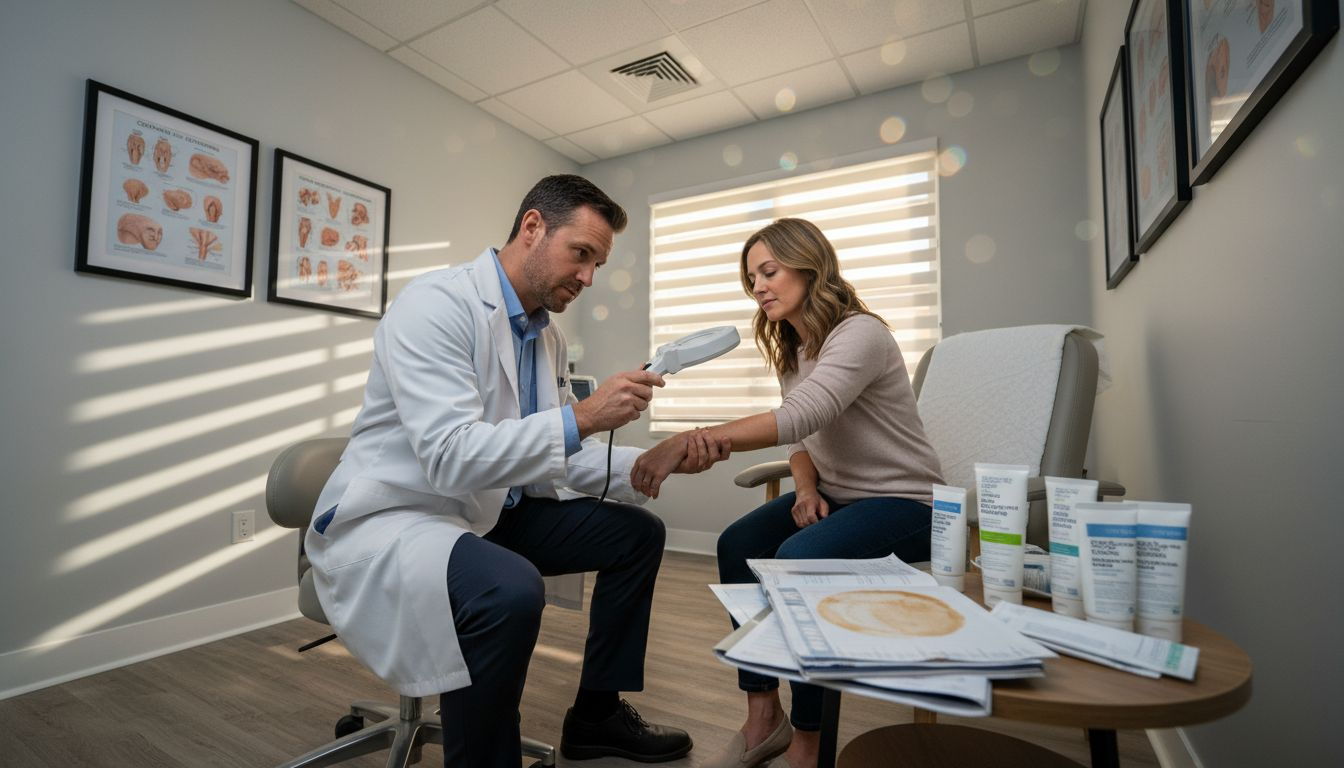
Skin types are typically classified across multiple dimensions, including oil production, sensitivity, pigmentation, and resilience. Some individuals possess combination skin with varying characteristics across different facial regions, while others experience more consistent dermatological traits. Factors such as ethnicity, age, hormonal fluctuations, and environmental conditions significantly influence these individual skin variations, making a one-size-fits-all approach fundamentally ineffective.
National Institute for Health and Care Excellence (NICE) guidelines emphasise the importance of understanding individual skin variations for developing targeted health management strategies. These variations extend beyond superficial appearance, encompassing deeper physiological differences that impact everything from moisture retention to inflammatory responses and healing capabilities.
Pro Tip: Consult a professional skincare expert who can conduct a comprehensive skin analysis to understand your unique dermatological characteristics and develop a truly personalised treatment approach.
Factors Impacting Skin Health and Ageing
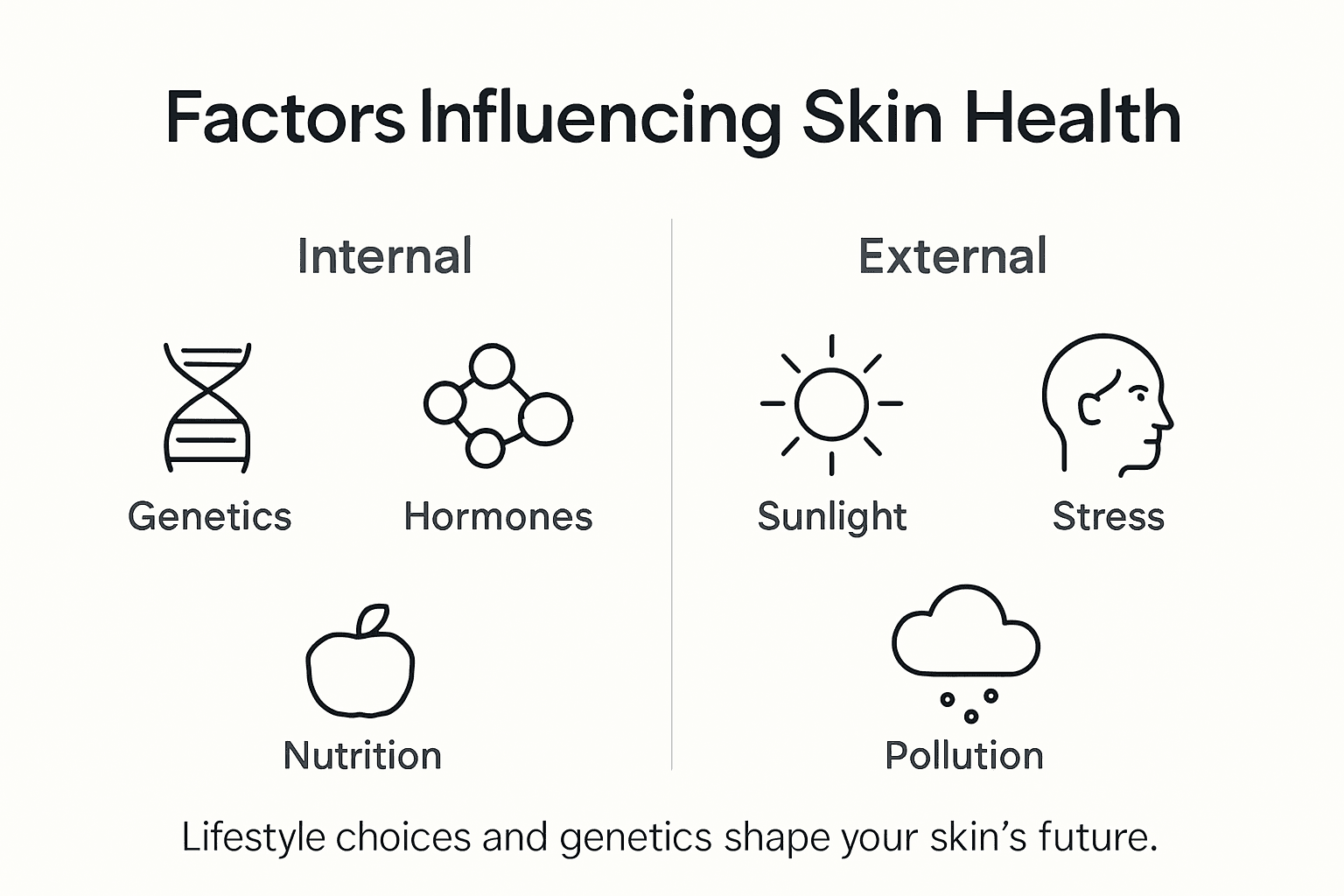
The structural decline of skin during the ageing process represents a complex interplay of biological mechanisms, involving fundamental changes at the cellular and systemic levels. As we age, our skin experiences progressive modifications in its structural integrity, elasticity, and regenerative capabilities, manifesting through visible changes such as reduced collagen production, decreased moisture retention, and diminished cellular repair efficiency.
Multiple interconnected factors contribute to skin ageing, ranging from intrinsic genetic predispositions to extrinsic environmental influences. Genetic inheritance determines baseline skin characteristics, while lifestyle choices significantly modulate the ageing trajectory. Factors such as prolonged sun exposure, dietary habits, stress levels, sleep quality, and physical activity directly impact skin health and accelerate or decelerate the natural ageing process.
UK government guidance emphasises the critical role of holistic lifestyle management in maintaining optimal skin health. Nutritional intake, consistent physical activity, adequate hydration, and stress management emerge as pivotal elements in supporting skin’s resilience. Importantly, these interventions not only mitigate visible signs of ageing but also support the skin’s underlying physiological functions, promoting long-term dermatological wellness.
Pro Tip: Create a personalised skin health strategy that integrates nutrition, exercise, stress management, and targeted skincare routines to proactively support your skin’s natural ageing process.
To illustrate key factors influencing skin ageing, see the comparison below:
| Factor | Impact on Skin Ageing | Possible Preventive Measures |
|---|---|---|
| Sun Exposure | Increases damage and lines | Use SPF and limit direct sunlight |
| Nutrition | Affects repair and vitality | Consume antioxidants, vitamins, minerals |
| Hydration | Supports elasticity | Drink sufficient water daily |
| Sleep Quality | Aids tissue regeneration | Maintain regular, restful sleep |
Risks of Neglected Skin Health
The British Association of Dermatologists highlights the profound consequences of prolonged skin health neglect, revealing that untreated dermatological issues can escalate from minor concerns to significant health complications. Neglecting skin health is not merely an aesthetic consideration but a critical aspect of overall physiological wellness that can trigger cascading health challenges affecting multiple bodily systems.
Chronic skin conditions represent a significant risk spectrum, with potential manifestations ranging from superficial irritations to more serious inflammatory responses. Infections, barrier dysfunction, and systemic inflammatory processes can emerge when skin health is consistently overlooked. Prolonged exposure to environmental stressors without appropriate protective and restorative measures can compromise the skin’s natural defensive mechanisms, increasing susceptibility to bacterial invasions, accelerated ageing, and potential long-term dermatological disorders.
National Institute for Health and Care Excellence (NICE) guidelines emphasise the multifaceted risks associated with inadequate skin management, noting that seemingly minor skin issues can rapidly progress into more complex health challenges. These risks extend beyond visible symptoms, potentially impacting immune function, psychological well-being, and overall quality of life. Persistent skin conditions may signal underlying health imbalances, making early professional assessment and intervention crucial for preventing more severe health complications.
Pro Tip: Schedule regular professional skin health assessments to identify and address potential issues before they develop into more complex health challenges.
Effective Strategies for Healthy Skin
The British Association of Dermatologists emphasises the importance of comprehensive, personalised skin health approaches, recognising that effective skincare transcends generic recommendations. Understanding individual skin characteristics and implementing targeted strategies form the cornerstone of maintaining optimal skin wellness, requiring a holistic perspective that integrates lifestyle, nutrition, protection, and professional guidance.
Key strategies for maintaining healthy skin involve multiple interconnected dimensions. Sun protection stands as a critical primary defence, involving consistent use of broad-spectrum sunscreen, protective clothing, and minimising direct ultraviolet exposure during peak hours. Equally important are hydration, gentle cleansing, and nutritional support, which help maintain the skin’s natural barrier function, prevent moisture loss, and support cellular regeneration through essential nutrients and antioxidants.
National Institute for Health and Care Excellence guidelines recommend developing personalised skincare approaches that account for individual variations in skin type, environmental exposure, and underlying health conditions. These strategies extend beyond topical treatments, incorporating stress management, adequate sleep, regular physical activity, and balanced nutrition. Periodic professional skin assessments enable early detection of potential issues and facilitate proactive, targeted interventions tailored to individual dermatological needs.
Pro Tip: Develop a consistent, personalised skincare routine that adapts to your unique skin characteristics and evolves with changing environmental and physiological conditions.
Reveal Your Natural Beauty with Expert Skin Care at Monaz Clinic
Understanding that skin health influences natural beauty requires a personalised and professional approach. After learning about the complex layers and unique variations of your skin discussed in the article, you may recognise the challenge of finding treatments tailored precisely to your individual needs. Many struggle with the frustration of ineffective skincare routines or the uncertainty of how to best protect and nurture their skin against ageing and environmental factors.
At Monaz Clinic, we deliver expert non-surgical facial aesthetic treatments that prioritise your skin’s natural characteristics and health. Our medically qualified team, led by Mrs Mona Zirak, specialises in achieving subtle, natural-looking results that enhance your true beauty while honouring your skin’s unique biology. Experience the difference that bespoke care in a prestigious Harley Street clinic can make.

Book your complimentary consultation today at Monaz Clinic and take the first step towards a tailored skin health strategy that supports your natural ageing process and vitality. Learn more about how our expert treatments align with the insights from trusted sources like the British Skin Foundation and the importance of consistent personalised care by visiting us online. Your best self awaits.
Frequently Asked Questions
What factors influence skin health?
Multiple factors contribute to skin health, including genetic predispositions, environmental exposures, lifestyle choices (such as diet and physical activity), hydration levels, and stress management. Each of these plays a critical role in skin resilience and overall appearance.
How can I determine my skin type?
To determine your skin type, consider factors like oil production, sensitivity, and hydration levels. Observing how your skin interacts with various products and environmental conditions can help identify whether you have dry, oily, combination, or sensitive skin.
What are the common myths about skincare?
Common myths include the belief that more complex skincare routines are always better, or that certain genetic predispositions guarantee skin conditions. It’s essential to personalise skincare routines based on individual skin characteristics rather than following trends blindly.
How does ageing affect skin health?
As we age, skin health can decline due to reduced collagen production, moisture retention, and cellular repair capabilities. Factors such as sun exposure, diet, and lifestyle can either accelerate or decelerate these ageing effects, making proactive care essential.