




What is lip augmentation? This expert guide covers key techniques, how it works, real results, procedure safety, risks, and UK legal requirements for women.

Finding trustworthy information about lip augmentation can be confusing when social media is filled with dramatic transformations and mixed advice. Many women in Central London want fuller lips that look natural, but myths surrounding safety and results make it difficult to know where to turn. This guide highlights the importance of seeing a medically qualified practitioner and explains the real benefits and safety considerations of modern lip enhancement treatments so you can make confident, informed decisions.
Table of Contents
- Defining Lip Augmentation And Common Myths
- Comparing Surgical And Non-Surgical Techniques
- How Lip Augmentation Is Performed Safely
- Expected Outcomes And Longevity Of Results
- Risks, Aftercare, And Uk Regulations
Key Takeaways
| Point | Details |
|---|---|
| Individual Approach | Lip augmentation is not uniform; each procedure must be personalised based on unique lip structures. |
| Technique Options | Patients can choose between surgical and non-surgical techniques, each with varying permanency and recovery times. |
| Safety is Crucial | Ensure the procedure is performed by qualified professionals in licensed environments to minimise risks. |
| Manage Expectations | Understand that results vary and that temporary methods require maintenance; communicate openly with your practitioner. |
Defining Lip Augmentation and Common Myths
Lip augmentation is a sophisticated cosmetic procedure designed to enhance the appearance and shape of the lips through strategic medical interventions. Joint Council for Cosmetic Practitioners guidelines.pdf) define this treatment as a professional intervention aimed at modifying lip volume and contour with precision and expertise.
Contrary to popular misconceptions, lip augmentation is not a one-size-fits-all solution. Modern aesthetic medicine recognises that each individual’s lip structure is unique, requiring personalised approaches. Common skin and cosmetic procedure myths often mislead patients about the nuanced nature of these treatments, suggesting unrealistic expectations of immediate perfection.
The primary techniques for lip augmentation include:
- Dermal fillers using hyaluronic acid
- Fat transfer procedures
- Surgical lip implants
- Lip lift surgical techniques
Patients should understand that while these procedures can dramatically enhance lip appearance, they carry potential risks and require consultation with qualified medical professionals who can assess individual suitability.
Pro tip: Always schedule a comprehensive consultation with a medically qualified practitioner to discuss your specific aesthetic goals and understand the realistic outcomes of lip augmentation procedures.
Comparing Surgical and Non-Surgical Techniques
Lip augmentation techniques can be broadly categorised into surgical and non-surgical approaches, each offering distinct advantages and considerations for patients seeking aesthetic enhancement. Non-surgical cosmetic procedures primarily involve injectable treatments like dermal fillers, which provide temporary yet immediate lip volume and shape modifications.
Surgical techniques represent a more permanent solution for lip augmentation. These procedures typically include fat transfer and lip implants, which require more extensive medical intervention and longer recovery periods. The NHS cosmetic procedure guidelines highlight critical differences in approach, emphasising that surgical methods offer more lasting results but also involve higher potential risks.
Key differences between surgical and non-surgical lip augmentation include:
- Recovery time
- Duration of results
- Complexity of procedure
- Cost considerations
- Potential side effects
Non-surgical methods like hyaluronic acid fillers are typically preferred by patients seeking minimal downtime and reversible enhancements. Surgical options remain suitable for individuals desiring more dramatic, long-term lip transformations and who are willing to undergo more intensive medical procedures.
Here is a comparison of the primary lip augmentation techniques and their distinctive characteristics:
| Technique | Permanency | Typical Recovery | Suitability |
|---|---|---|---|
| Hyaluronic Acid Fillers | Temporary (6-12 months) | Minimal downtime | Subtle volume, reversible option |
| Fat Transfer | Long-lasting | Weeks to heal | Natural tissue, lasting effect |
| Lip Implants | Permanent (removable) | Extended recovery | Dramatic, defined result |
| Lip Lift Surgery | Permanent | Moderate to long | Lip reshaping and enhancement |
Pro tip: Consult a board-certified aesthetic practitioner who can comprehensively assess your facial anatomy and recommend the most appropriate lip augmentation technique tailored to your specific aesthetic goals.
How Lip Augmentation Is Performed Safely
Safety in lip augmentation is paramount, with regulatory measures for non-surgical procedures establishing stringent guidelines to protect patient well-being. These regulations aim to ensure practitioners are professionally trained, use clinically approved products, and perform treatments in appropriate medical environments.
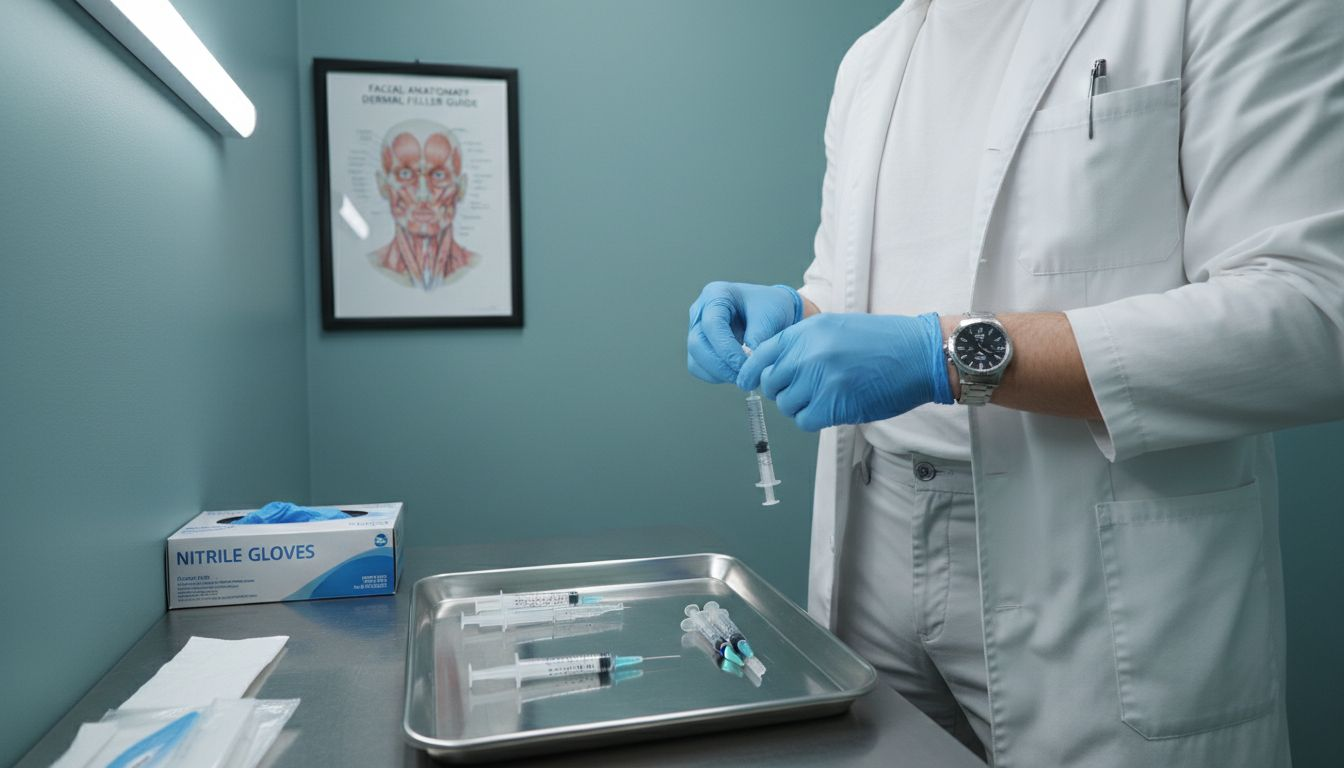
The procedural approach varies depending on the chosen technique. For non-surgical methods, dermal fillers containing hyaluronic acid are carefully injected using precise techniques that minimise potential complications. Royal College of Surgeons surgical standards emphasise the critical importance of practitioner expertise and adherence to established medical protocols.
Key safety considerations during lip augmentation include:
- Comprehensive patient medical history assessment
- Sterilised medical equipment
- Use of approved, high-quality dermal fillers
- Precise injection techniques
- Thorough understanding of facial anatomy
- Potential allergic reaction screening
Professional practitioners will typically conduct a detailed consultation, discussing individual aesthetic goals, potential risks, and realistic outcomes before proceeding with any lip augmentation procedure. This personalised approach ensures patient safety and satisfaction.
Pro tip: Always verify your practitioner’s professional credentials and request evidence of their training and certification before undergoing any cosmetic lip enhancement procedure.
Expected Outcomes and Longevity of Results
Lip augmentation outcomes vary significantly based on the chosen technique, with non-surgical procedure licensing emphasising the importance of managing patient expectations. Dermal filler treatments typically provide temporary results lasting six to twelve months, requiring periodic maintenance to sustain the desired aesthetic enhancement.
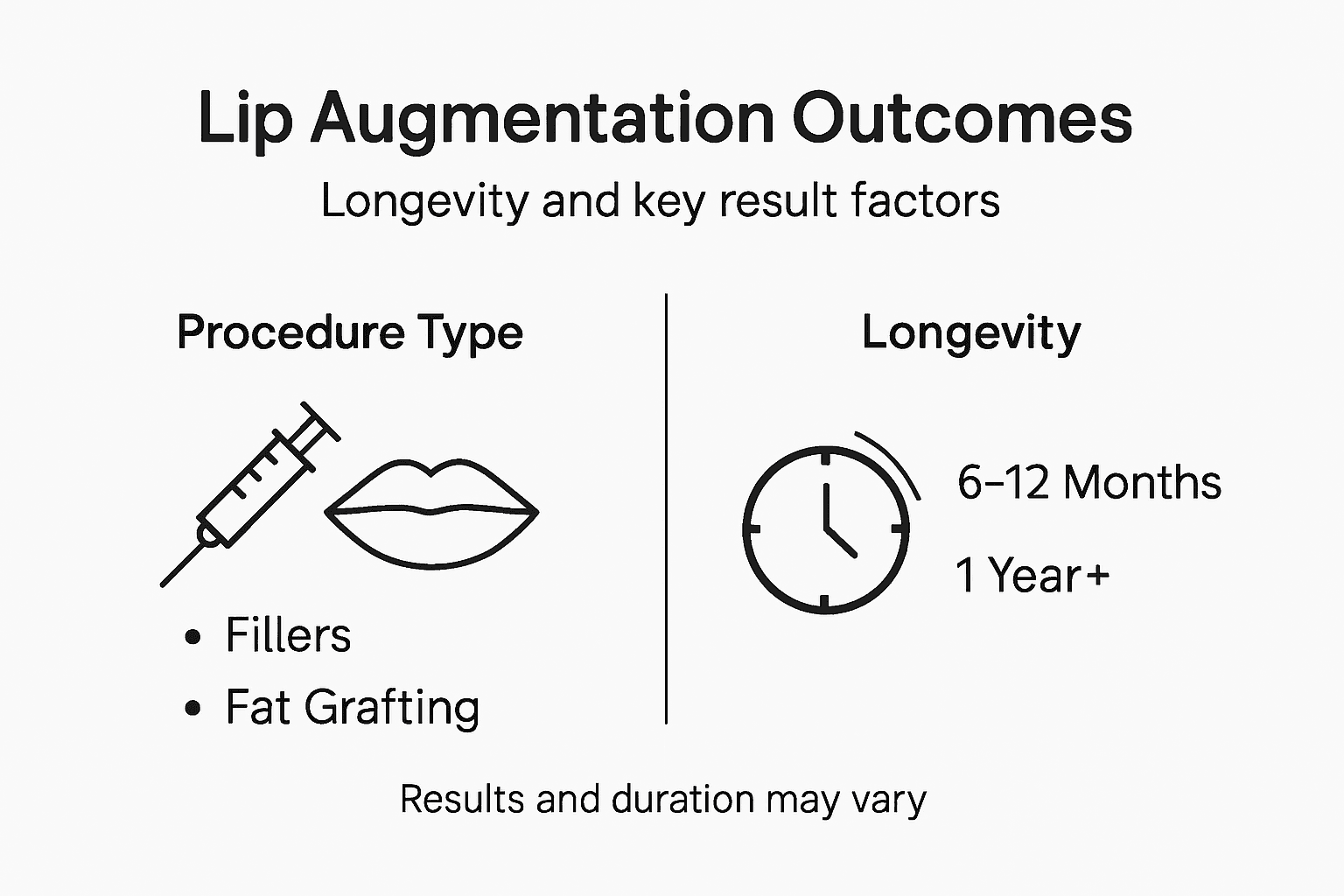
Surgical techniques offer more enduring transformations, with fat transfer and lip implants potentially delivering longer-lasting outcomes. Royal College of Surgeons outcome measurements highlight the complexity of evaluating cosmetic procedure longevity, acknowledging that individual patient experiences can vary substantially.
Factors influencing lip augmentation results include:
- Patient’s natural skin elasticity
- Metabolic rate
- Age and lifestyle
- Quality of filler used
- Practitioner’s technique
- Post-procedure care
Patients should anticipate subtle, gradual changes rather than dramatic overnight transformations. The most successful outcomes emerge from collaborative discussions between the patient and practitioner, ensuring realistic expectations and personalised treatment approaches.
Factors influencing satisfaction and results following lip augmentation can be summarised here:
| Factor | Impact on Outcome | How to Optimise |
|---|---|---|
| Practitioner Expertise | Enhances aesthetics; reduces harm | Choose certified professionals |
| Skin Elasticity | Affects longevity of result | Maintain skin health |
| Product Quality | Higher quality equals better durability | Use reputable brands |
| Aftercare | Ensures proper healing | Follow all advice provided |
Pro tip: Maintain photographic documentation of your lip augmentation results to track changes and discuss potential adjustments during follow-up consultations with your aesthetic practitioner.
Risks, Aftercare, and UK Regulations
Lip augmentation procedures in the United Kingdom are increasingly regulated, with government measures protecting patient safety targeting unqualified practitioners and high-risk treatment environments. These regulations mandate that dermal filler treatments can only be administered by certified healthcare professionals in licensed premises, significantly reducing potential complications.
Joint Council for Cosmetic Practitioners guidelines.pdf) outline comprehensive risk management protocols for cosmetic interventions. Potential complications can include:
- Infection
- Vascular occlusion
- Asymmetrical results
- Allergic reactions
- Tissue damage
- Unnatural aesthetic outcomes
Aftercare is crucial in minimising risks and ensuring optimal healing. Patients should follow specific post-procedure instructions, which typically involve avoiding extreme temperatures, limiting physical activity, and preventing direct pressure on treated areas. Professional practitioners will provide personalised aftercare guidance tailored to individual treatment approaches and patient characteristics.
Pro tip: Request a detailed written aftercare plan from your practitioner and maintain open communication about any unusual symptoms or concerns following your lip augmentation procedure.
Discover Your Perfect Lip Enhancement at Monaz Clinic
Understanding the unique challenges of lip augmentation means recognising that each individual’s natural lip structure deserves a personalised and professional approach. If you are seeking subtle, natural-looking results without the risks associated with unqualified treatments, Monaz Clinic offers expert care tailored specifically for women. Our medically qualified team prioritises your safety and aesthetic goals, ensuring the use of high-quality dermal fillers and precise techniques discussed in trusted resources like the Joint Council for Cosmetic Practitioners guidelines.

Experience the confidence that comes from a consultation with Mrs Mona Zirak, where your aspirations and concerns are heard and addressed with expert knowledge. Act now to embrace a treatment plan designed with your unique facial anatomy in mind, delivering lasting yet natural enhancements. Schedule your complimentary consultation today at Monaz Clinic and take the first step to reveal your best self. Learn more about our approach and treatments at Monaz Clinic to ensure you choose the safest and most effective lip augmentation method for you.
Frequently Asked Questions
What is lip augmentation?
Lip augmentation is a cosmetic procedure designed to enhance the appearance and shape of the lips through techniques such as dermal fillers, fat transfer, surgical implants, or lip lift surgery.
Who is the ideal candidate for lip augmentation?
Individuals seeking to improve their lip volume, shape, or contour are ideal candidates. It is essential for candidates to consult with a qualified medical professional to assess their suitability based on personal goals and anatomy.
How long do the results of lip augmentation last?
The longevity of results varies depending on the technique used. Non-surgical methods like hyaluronic acid fillers typically last between six to twelve months, while surgical options such as fat transfer and lip implants offer more permanent results.
What are the risks associated with lip augmentation?
Potential risks include infection, vascular occlusion, asymmetrical results, allergic reactions, tissue damage, and unnatural aesthetic outcomes. Consulting a professional practitioner can help mitigate these risks.