




Discover the 6 best facials for ageing skin naturally. Learn how each treatment supports skin quality, safety, and effective anti-ageing for women in London.
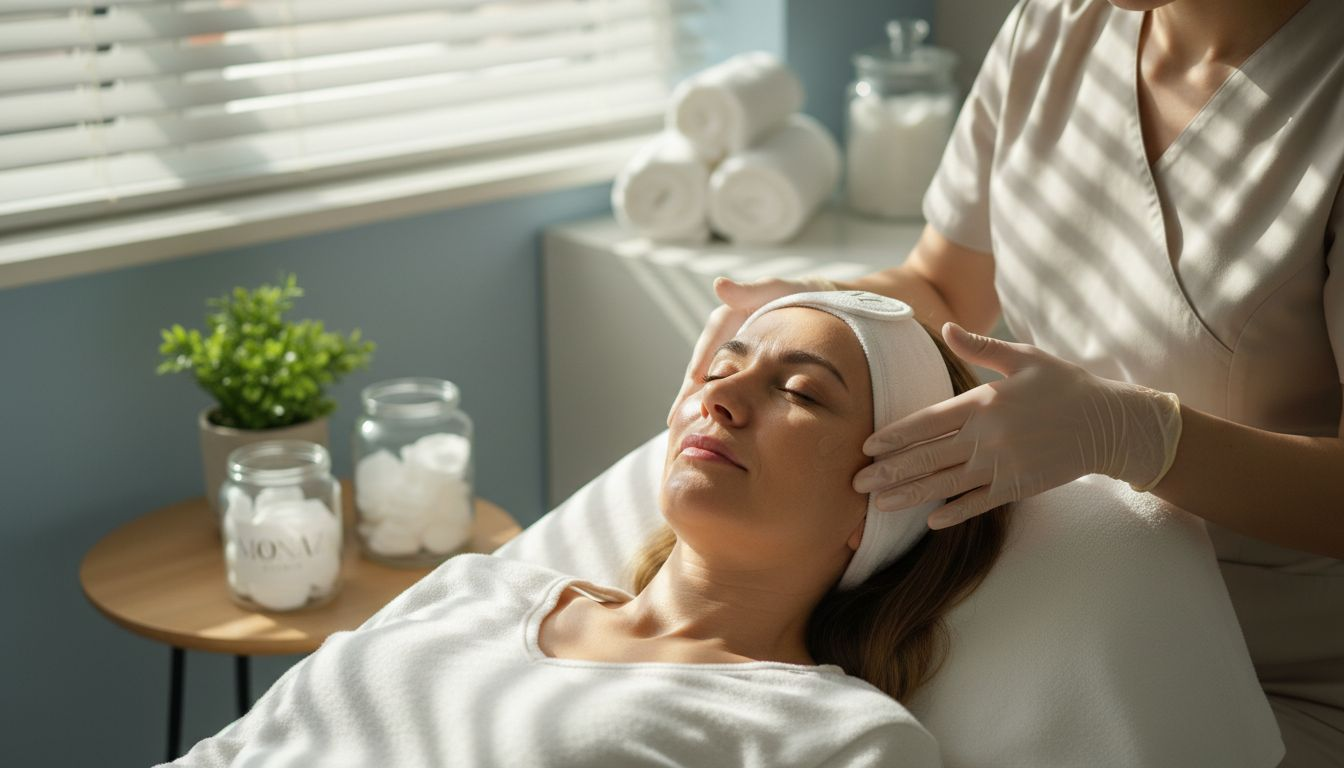
Watching your skin change over time can make you wonder if there’s any way to keep your natural softness and glow. Wrinkles deepen, volume fades, and unexpected brown or rough patches sometimes appear—especially where the sun has touched your face, hands or arms. Choosing safe, effective solutions feels overwhelming with so many treatments and products out there.
The real value lies in knowing what works for your skin right now, and which treatments are proven to improve signs of ageing safely. By understanding how the latest anti-ageing techniques target wrinkles, dryness and loss of firmness, you’ll gain the knowledge to make confident, informed decisions.
Each section ahead reveals specific, actionable steps to help you protect, restore, and care for your ageing skin—so you can spot solutions that actually work for you and avoid common pitfalls many women face.
Table of Contents
- 1. Understanding Ageing Skin: Causes And Signs
- 2. Anti-Wrinkle Injections: How They Work Safely
- 3. Dermal Fillers: Restoring Volume And Softness
- 4. Skin Boosters And Polynucleotides: Boosting Hydration
- 5. Microneedling: Stimulating Collagen For Renewal
- 6. Selecting The Right Facial: Personalised Approach And Safety
Quick Summary
| Takeaway | Explanation |
|---|---|
| 1. Understand the causes of ageing skin | Awareness of factors like sun exposure and natural ageing helps in selecting effective treatments for skin health. |
| 2. Choose qualified professionals for anti-wrinkle injections | Safety relies on skilled practitioners who follow proper protocols and care guidelines during the procedure. |
| 3. Select the right types of fillers for volume loss | Different fillers work in unique ways; understanding them aids in addressing facial volume issues promptly. |
| 4. Incorporate skin boosters for deep hydration | Treatments deliver hydration at a cellular level, improving skin texture and moisture retention significantly. |
| 5. Personalise your skincare approach | Tailoring treatments to your specific skin concerns ensures optimal results and a safer experience throughout. |
1. Understanding Ageing Skin: Causes and Signs
Your skin changes as you age, and understanding why these shifts happen is the first step towards managing them effectively. The signs you notice today are the result of decades of exposure, natural biological processes, and external factors working together to transform your skin’s appearance and texture.
Ageing skin involves several interconnected changes that happen at different rates. Collagen and elastin, the proteins responsible for keeping your skin firm and bouncy, break down over time. Your skin also produces less moisture naturally, leading to dryness and a loss of that dewy quality you may have noticed in your younger years.
Understanding the root causes of ageing skin helps you choose the right treatments and prevention strategies for your unique situation.
The main culprits behind ageing skin include:
- Sun exposure: Ultraviolet rays damage skin cells and accelerate collagen breakdown. Even short, regular sun exposure adds up over the decades.
- Natural ageing: Your body’s cell turnover slows, and your skin becomes thinner with less oil production.
- Repetitive facial movements: Frowning, squinting, and smiling create dynamic wrinkles that eventually become permanent lines.
- Loss of volume: Fat pads beneath your skin shift and diminish, creating hollows and sagging.
- Environmental factors: Pollution, stress, and poor sleep all take a visible toll on skin health.
What you’ll actually see on your skin:
Fine lines appear first, usually around your eyes where skin is thinnest. As skin loses elasticity, these lines deepen into wrinkles, and your skin may look looser, particularly around the jawline and neck. You might notice age spots (darker patches from sun damage) and actinic keratoses (rough, scaly patches on sun-exposed areas like your face, hands, and arms that require monitoring or treatment). Your skin texture changes too—it becomes rougher and less radiant, with reduced brightness and uneven tone.
The good news? Knowing these changes are happening because of specific, identifiable causes means you can address them. Learning about top anti-ageing ingredients that target these issues can help you make informed choices about your skincare and treatment options.
Protecting your skin from further sun damage and addressing existing damage prevents lines from deepening. Regular skin assessments help you catch changes early, especially concerning patches that might need professional attention.
Pro tip: Check your skin monthly under natural light, noting any new spots, rough patches, or texture changes—catching issues early means simpler, more effective treatment options.
2. Anti-Wrinkle Injections: How They Work Safely
Anti-wrinkle injections represent one of the most popular non-surgical treatments for managing dynamic wrinkles, yet many women don’t fully understand how they work or why safety protocols matter. The science behind these injections is straightforward, and knowing how they function helps you feel confident about the procedure.
At their core, anti-wrinkle injections work by relaxing the specific muscles responsible for creating expression lines. When you frown, squint, or raise your eyebrows repeatedly over decades, the underlying muscles contract thousands of times. This constant contraction eventually etches permanent lines into your skin. The injection contains botulinum toxin type A, a purified protein that interrupts the signal between nerves and muscles, preventing that overactivity.
The key to safety lies in proper technique, trained professionals, and understanding exactly what happens before, during, and after your treatment.
Here’s what happens during the procedure:
- Fine needle injections: A trained medical professional uses a very fine needle to administer precise amounts into targeted muscles
- Minimal discomfort: The needle is so thin that most women report only slight pressure or mild discomfort
- Quick procedure: The entire treatment takes approximately 10 to 15 minutes
- Immediate return to activity: You can resume normal activities straight away
After your injection, the effects don’t appear immediately. You’ll notice gradual softening of lines starting within two weeks, with full results visible around three to four weeks. The effects typically last between three to four months, at which point the treatment can be repeated if desired.
Safety depends entirely on professional expertise and proper protocols. Trained medical professionals must follow strict aseptic procedures, verify your medical history, obtain informed consent, and ensure proper aftercare guidance. Potential risks, when treatment is administered incorrectly, include infection, nerve damage, or allergic reactions—all of which are extremely rare when administered by qualified practitioners.
Your clinician should assess your facial anatomy carefully, discuss your realistic goals, and ensure you understand what the treatment can and cannot achieve. Post-injection care is equally important—avoiding strenuous exercise and lying flat for several hours after treatment helps ensure optimal results.
Pro tip: Arrive at your consultation with photos of yourself from ten years ago—this helps your practitioner understand your natural baseline and set realistic expectations for softening lines whilst maintaining your natural expression.
3. Dermal Fillers: Restoring Volume and Softness
As you age, your face loses volume naturally, leaving it looking hollow, tired, and less defined than it once did. Dermal fillers address this specific problem by restoring lost fullness and softening deep lines, creating a more refreshed and youthful appearance without surgery.
Your skin loses volume for several reasons. Fat pads beneath your face shrink and shift downwards, collagen production slows dramatically, and skin elasticity decreases. The result is sagging cheeks, a less defined jawline, and a flattened appearance that makes you look older than you feel. Fillers work by literally adding volume back where it’s been lost.
Dermal fillers restore facial volume and hydration instantly, with results varying in longevity depending on the type of filler used and your individual metabolism.
There are different types of fillers, each working in slightly different ways:
- Hyaluronic acid fillers: Add immediate volume and hydration, lasting six to eighteen months depending on the specific product
- Calcium hydroxyapatite: Stimulates your skin’s own collagen production whilst adding volume, providing longer-lasting results
- Poly-L-lactic acid: Works gradually to encourage collagen regeneration over time, offering sustained improvement in skin texture and firmness
When a qualified professional administers fillers, they can target specific areas where volume loss is most noticeable. Your cheeks, lips, under-eye hollows, jawline, and the lines between your nose and mouth all respond beautifully to strategic filler placement. How facial fillers work depends on precise technique and understanding facial anatomy.
The procedure itself is relatively quick, taking fifteen to thirty minutes depending on the areas treated. Results appear immediately, though some products continue to improve over two weeks as they fully integrate with your skin. Unlike anti-wrinkle injections, fillers work through volume replacement rather than muscle relaxation.
Safety is paramount. Fillers must be administered by trained medical professionals using sterile techniques and appropriate injection methods. Choosing an experienced practitioner minimises risks such as allergic reactions, infections, or inflammation. Discussing your medical history and realistic expectations during your consultation is essential.
Pro tip: Start with conservative amounts of filler and build gradually over treatments—it’s easier to add more later than to remove excess, and this approach helps you discover your ideal aesthetic.
4. Skin Boosters and Polynucleotides: Boosting Hydration
Dry, dehydrated skin is one of the most common complaints women make as they age, and it’s surprisingly difficult to address with topical moisturisers alone. Skin boosters and polynucleotides work from within, delivering deep hydration and stimulating your skin’s natural ability to retain moisture long-term.
As you age, your skin loses its natural ability to hold water. The outer barrier becomes compromised, moisture evaporates more easily, and your skin feels tight, uncomfortable, and looks dull. This isn’t just a cosmetic concern—dehydrated skin is more prone to irritation, sensitivity, and shows wrinkles more prominently. Skin boosters address this problem at a cellular level.
Skin boosters work by delivering intense hydration directly into the dermis, improving moisture retention and skin texture from the inside out.
Skin boosters typically contain hyaluronic acid in different molecular weights, which attracts and binds water to your skin. The treatment involves micro-injections distributed across the face, creating a hydrated, plumped appearance. Results develop gradually over two to four weeks as your skin absorbs the moisture and your cells respond by improving their natural hydration mechanisms.
Polynucleotides represent a newer technology with fascinating potential. These DNA-derived biopolymers work by promoting tissue repair and skin regeneration, enhancing elasticity whilst improving hydration simultaneously. They stimulate your skin’s natural healing processes, which explains why results continue improving for weeks after treatment.
Both treatments offer several distinct advantages:
- Deep hydration: Moisture reaches the dermis, not just the surface
- Natural-looking results: No frozen appearance, just refreshed, glowing skin
- Cumulative benefits: Results improve over time as skin quality enhances
- Long-lasting effects: Improvements can persist four to six months or longer
- Minimal downtime: You can resume normal activities immediately
These treatments work beautifully for women who notice their skin feels perpetually dry despite using expensive creams. They’re particularly effective for fine lines caused by dehydration rather than muscle movement, and they prepare your skin beautifully for other treatments like anti-wrinkle injections.
Safety is excellent when administered by trained professionals using sterile protocols. The injections are shallow and precise, targeting the specific layer of skin that benefits most from hydration.
Pro tip: Combine skin boosters with consistent use of protective emollients at home—the injected hydration works best when your skin barrier is supported by regular moisturising to prevent water loss.
5. Microneedling: Stimulating Collagen for Renewal
Microneedling represents one of the most scientifically proven methods for triggering your skin’s natural collagen production without surgery or downtime. Unlike treatments that work on surface lines, microneedling addresses deeper skin quality by essentially waking up your skin’s repair mechanisms.
Your skin loses collagen and elastin as you age, particularly after forty when production slows significantly. These proteins are responsible for firmness, elasticity, and that plump quality younger skin has. Microneedling works by creating controlled micro-injuries that trick your body into thinking it needs to repair damage. Your skin responds by flooding the area with healing compounds, including fresh collagen and elastin production.
Microneedling stimulates your body’s natural healing response, boosting collagen and elastin production to improve skin texture, firmness, and reduce wrinkles over time.
The procedure uses very fine needles to create thousands of microscopic channels in your skin. These channels are so small that visible damage doesn’t occur, but they’re precisely deep enough to trigger your healing response. The process takes thirty to forty minutes depending on the areas treated, and you can resume normal activities immediately afterwards.
What happens after your treatment is where the real magic occurs. Over the following weeks, your body mobilises healing factors, and controlled micro-injuries stimulate collagen production that continues improving your skin long after the procedure ends. Results develop gradually, with noticeable improvements in texture and firmness appearing around two to four weeks, and continuing to improve for three months.
Multiple benefits make microneedling particularly valuable for ageing skin:
- Improved skin texture: Rough, uneven skin becomes smoother and more refined
- Reduced fine lines: Collagen rebuilding softens wrinkles naturally
- Better skin thickness: Thin, fragile skin becomes stronger and more resilient
- Minimised scars: Both acne scars and age-related skin damage improve
- Even skin tone: Pigmentation irregularities and age spots fade gradually
- Long-lasting results: Improvements continue even after you stop treatments
Most women benefit from a series of treatments spaced four to six weeks apart. Three to four sessions typically produce noticeable transformation, though your practitioner will assess your skin and recommend the ideal schedule for your concerns.
Safety is excellent when performed by trained professionals using sterile equipment and proper protocols. Your skin may appear slightly red immediately afterwards, similar to mild sunburn, which fades within twenty-four hours.
Pro tip: Microneedling works beautifully combined with serums and moisturisers applied afterwards—the micro-channels allow deeper penetration of beneficial ingredients, maximising your treatment results.
6. Selecting the Right Facial: Personalised Approach and Safety
Not every facial treatment works equally well for every woman, and choosing the right one requires honest assessment of your skin concerns, goals, and medical history. A personalised approach ensures you get results that matter to you whilst maintaining safety throughout your treatment journey.
Your skin is unique. What softens wrinkles beautifully for your friend might not address your primary concern, and what works at forty may need adjustment at fifty-five. The most effective treatment plan starts with understanding exactly what bothers you most about your skin. Is it volume loss, lines, texture, hydration, or a combination of concerns? This clarity helps your practitioner recommend the best path forward.
Personalised care means engaging with you to understand your unique skin concerns, lifestyle, and goals, then tailoring treatments accordingly for optimal results.
Before choosing any treatment, your practitioner should:
- Listen carefully to your specific concerns and what you hope to achieve
- Assess your skin thoroughly under different lighting to understand current condition
- Review your medical history including allergies, medications, and previous treatments
- Explain realistic outcomes honestly, avoiding promises that sound too good to be true
- Discuss alternatives and why they might or might not suit your situation
- Ensure informed consent so you understand exactly what will happen
Safety requires more than good intentions. Your practitioner must be qualified and trained in facial aesthetics, work in sterile conditions, follow strict protocols, and maintain up-to-date knowledge of treatments and risks. They should never pressure you into treatments or dismiss your concerns.
Consider these practical questions when deciding:
- What’s my main concern? Focus on one primary goal before adding multiple treatments
- How much downtime can I manage? Some treatments require recovery time, others don’t
- What’s my budget and timeline? Do I need results quickly or can I build gradually?
- How do I feel about the practitioner? Trust and clear communication matter tremendously
- What are realistic expectations? Will this treatment actually address my concern?
Many women benefit from starting with one treatment and assessing results before adding others. Building gradually allows you to see what works for your unique skin rather than overwhelming your face with multiple procedures at once.
Combination treatments often work beautifully together. Anti-wrinkle injections combined with dermal fillers, for example, addresses both muscle movement and volume loss. However, these decisions should emerge from consultation, not pressure.
Pro tip: Write down your top three skin concerns before your consultation and bring photos showing which specific areas bother you most—this clarity helps your practitioner create a focused treatment plan rather than recommending everything at once.
| Aspect | Description | Considerations |
|---|---|---|
| Understanding Ageing Skin | Ageing skin results from factors like sun exposure, reduced collagen, repetitive facial movements, and environmental influences. | Recognise changes such as fine lines, wrinkles, and dull texture for early prevention and treatment. |
| Anti-Wrinkle Injections | These injections use botulinum toxin to temporarily relax facial muscles, reducing dynamic wrinkles. | Administered by professionals; results last 3–4 months and gradual effects become visible after two weeks. |
| Dermal Fillers | Restore facial volume and softness through targeted placement, using substances like hyaluronic acid and other compounds. | Ideal for addressing volume loss in cheeks, lips, and jawline. Provides immediate results with variations in longevity. |
| Skin Boosters and Polynucleotides | Deliver hydration deep into the dermis and encourage natural skin repair mechanisms. | Effective for combating dryness and improving overall skin texture without altering natural appearance. |
| Microneedling | Promotes collagen production by creating controlled micro-injuries within the skin, enhancing texture and firmness over time. | Treatment involves minimal discomfort; results improve cumulatively across multiple sessions. |
| Personalised Facial Selection | Choosing the right facial treatment requires assessing individual skin needs and goals. | Consultation ensures safety and tailored recommendations based on realistic outcomes. |
Refresh and Restore Your Ageing Skin with Expert Care at Monaz Clinic
Ageing skin brings concerns like fine lines, volume loss, dryness and uneven texture. If you want to soften wrinkles, restore youthful fullness and deeply hydrate your skin without compromising your natural look, expert guidance is essential. Our article on the 6 Best Facials for Ageing Skin highlights treatments such as anti-wrinkle injections, dermal fillers, skin boosters and microneedling that safely target the key signs of ageing.

At Monaz Clinic, we combine medical expertise with a personalised approach exclusive to women. Situated in the heart of London at 96 Harley Street, our treatments respect your natural anatomy and focus on subtle, harmonious results that refresh and restore your skin’s youthful glow. Ready to take the next step for your skin? Book your complimentary consultation today through Monaz Clinic and discover tailored solutions that truly address your unique ageing concerns.
Frequently Asked Questions
What are the best facials for ageing skin?
The best facials for ageing skin typically include treatments that restore hydration, stimulate collagen production, and improve skin texture. Popular options are hydrating facials with hyaluronic acid, microneedling for collagen induction, and dermal fillers for volume restoration. Consider scheduling a consultation with a qualified practitioner to explore these facial types tailored to your specific needs.
How often should I get facials to combat ageing skin?
To effectively combat ageing skin, aim for professional facials every four to six weeks. This frequency allows your skin to benefit from regular treatments while maintaining optimal health and appearance. Track your skin’s progress over time to adjust the frequency if needed.
What should I expect after a facial for ageing skin?
After a facial treatment for ageing skin, you can expect to see improvements in hydration, texture, and overall radiance. Some treatments may cause temporary redness or sensitivity, which typically subsides within 24 hours. Follow your practitioner’s aftercare instructions to maximise your results and maintain the improved appearance.
Can facials help with specific concerns like fine lines and sagging?
Yes, facials can specifically address concerns like fine lines and sagging by incorporating treatments designed to boost collagen and restore volume. Look for facials that include ingredients like peptides or hyaluronic acid to enhance hydration and firmness. Schedule an assessment to discuss these specific concerns with your practitioner for a tailored approach.
Are there any risks associated with facials for ageing skin?
While facials are generally safe, there can be risks like irritation or allergic reactions, especially if sensitive skin is involved. To minimise risks, ensure your facial is performed by a qualified professional who can evaluate your skin type and recommend the right treatment. Always inform your practitioner about any allergies or sensitivities before the facial.
How can I maintain results between facials?
To maintain results between facials, establish a consistent skincare routine that includes moisturising, sun protection, and products suited for ageing skin. Incorporate serums with active ingredients, like retinol or antioxidants, to support your skin’s health. Regularly monitor your skin’s condition and adjust your routine based on changes or concerns.