




Discover ten expert-backed insights on selecting top ten anti wrinkle creams, covering science, safety, and benefits for youthful, healthy skin in London.
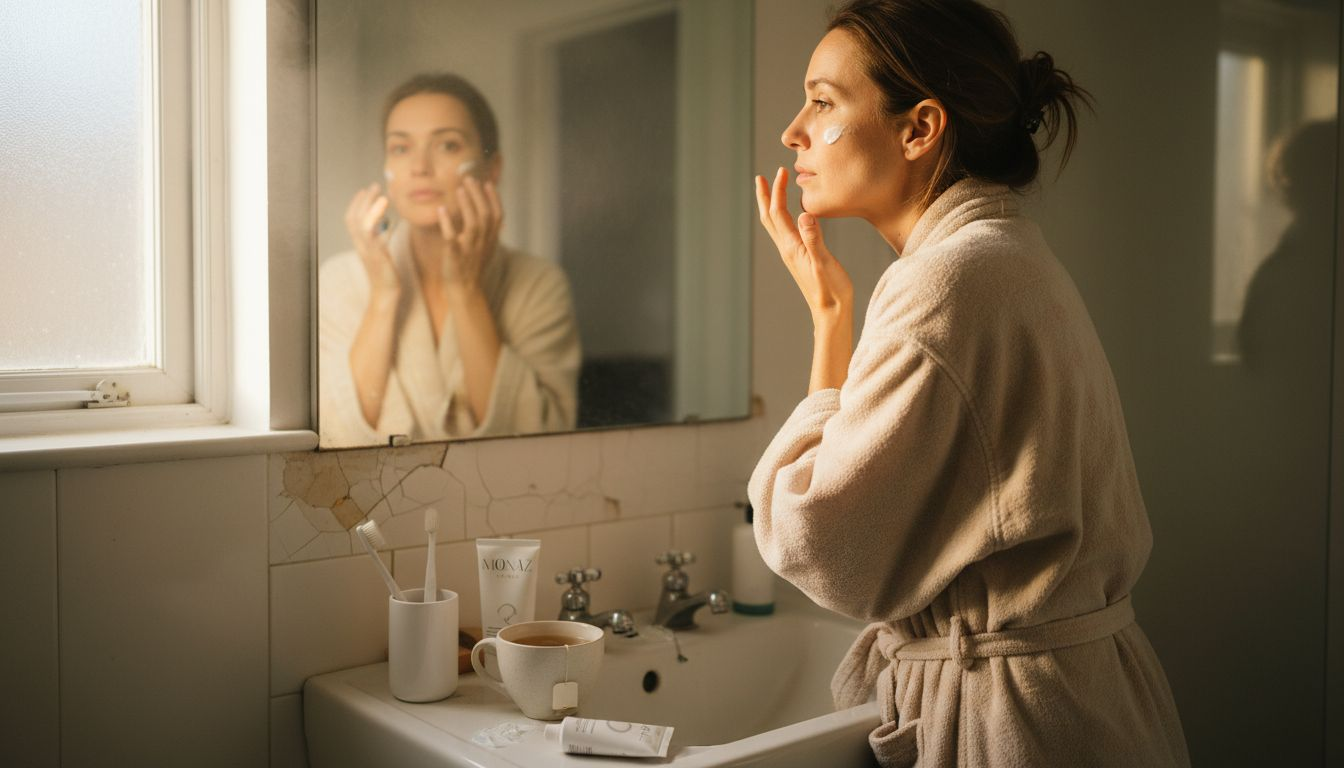
The search for an anti-wrinkle cream that actually delivers visible improvements can feel confusing and frustrating. With so many promises and conflicting advice, it’s easy to waste time and money on products that don’t match your needs. Thankfully, scientific research has revealed exactly which ingredients and routines make a genuine difference in skin texture, elasticity, and hydration. You’re about to discover actionable tips backed by science and explained step by step so you can make confident choices for your skincare routine. Get ready for expert insights that help you understand, select, and use anti-wrinkle creams safely and effectively for real, lasting results.
Table of Contents
- 1. Understanding How Anti Wrinkle Creams Work
- 2. Key Ingredients That Manage Signs of Ageing
- 3. Science of Collagen and Skin Elasticity Restoration
- 4. Safe Application: Avoiding Skin Irritation and Sensitivities
- 5. How to Assess Product Effectiveness and Suitability
- 6. Importance of Medical Consultation for Personalised Care
- 7. Role of Consistent Skincare Routines in Long-lasting Results
- 8. Protocols for Layering Creams with Other Non-surgical Treatments
- 9. Safety Standards and UK Cosmetic Product Compliance
- 10. Top Ten Anti Wrinkle Creams: Features and Benefits Explained
Quick Summary
| Takeaway | Explanation |
|---|---|
| 1. Anti-wrinkle creams hydrate skin for immediate results. | Key ingredients like hyaluronic acid draw moisture, plumping skin and reducing fine lines quickly. |
| 2. Choose products with proven actives for best results. | Effective creams contain ingredients like retinol, peptides, and vitamin C, which have scientifically supported benefits for skin rejuvenation. |
| 3. Consistent application is essential for long-term benefits. | Maintaining a dedicated skincare routine ensures that active ingredients continue to support skin health and improve results over time. |
| 4. Consult a qualified practitioner for personalised care. | A medical consultation assesses skin type and concerns, helping to choose appropriate products and prevent adverse reactions. |
| 5. Layer products correctly to maximise effectiveness. | Apply products in order from thinnest to thickest consistency, allowing time for each layer to absorb for optimal results. |
1. Understanding How Anti Wrinkle Creams Work
Anti-wrinkle creams don’t work the same way as professional procedures, and that’s important to understand upfront. These topical treatments function through hydration and active ingredients that work together to soften the appearance of fine lines and improve skin texture over time.
The primary mechanism is skin plumping. When you apply anti-wrinkle cream, key ingredients like hyaluronic acid draw moisture into the skin’s upper layers, temporarily reducing wrinkle depth and creating a smoother surface. Think of it like refreshing a slightly wilted plant with water—the effect is immediate but requires consistent application.
Beyond temporary plumping, retinoids have been clinically shown to stimulate deeper skin changes. These ingredients work on a cellular level to promote collagen production and increase cell turnover, which gradually improves skin quality and texture. This is why results improve over weeks and months rather than overnight.
Here’s what actually happens when you use an effective anti-wrinkle cream:
- Immediate effect: Hydration plumps skin, reducing fine line visibility within minutes
- Short-term improvements: Over 2-4 weeks, increased hydration maintains visible line softening
- Long-term benefits: Active ingredients stimulate collagen and cell renewal over 8-12 weeks
- Sustained results: Consistent use maintains improvements, though they’re not permanent
Anti-wrinkle creams work best as a preventative and maintenance tool—they soften existing lines but won’t produce the dramatic lifting effects of professional treatments.
It’s worth noting that results vary significantly depending on ingredient quality and concentration. A cream with proven actives like retinol, peptides, and powerful antidotes will deliver noticeably better results than basic moisturisers claiming anti-ageing benefits.
For women aged 30-50 in London, understanding this distinction matters. Anti-wrinkle creams complement your skincare routine and can manage early signs of ageing. However, they have limitations—they cannot address deeper wrinkles, loss of volume, or significant sagging that may benefit from professional interventions.
Pro tip: Apply anti-wrinkle cream to damp skin at night when your skin barrier is more receptive, and pair it with a broad-spectrum SPF 30+ during the day to prevent new damage while you’re treating existing lines.
2. Key Ingredients That Manage Signs of Ageing
Not all anti-wrinkle cream ingredients are created equal. When choosing a product, understanding what each active component actually does will help you select something that targets your specific skin concerns. The best anti-wrinkle creams contain scientifically proven actives that work at different levels to address fine lines, loss of elasticity, and uneven texture.
Retinol stands out as one of the most effective ingredients for managing visible ageing. This vitamin A derivative boosts collagen production and accelerates cell renewal, gradually improving skin firmness and reducing the depth of established wrinkles. Results typically appear after 8 to 12 weeks of consistent use.
Hyaluronic acid works through a completely different mechanism. This naturally occurring compound holds up to 1000 times its weight in water, drawing moisture deep into the skin and plumping fine lines from within. The effect is both immediate and cumulative as hydration improves skin barrier function.
Other proven actives that manage signs of ageing include:
- Peptides stimulate your skin’s natural collagen and elastin production for improved structural support
- Vitamin C provides antioxidant protection whilst brightening skin tone and boosting collagen synthesis
- Niacinamide strengthens elasticity, reduces inflammation, and improves skin texture without irritation
Active anti-ageing ingredients work best when combined. A well-formulated cream might contain retinol for deep collagen stimulation paired with hyaluronic acid for hydration, creating both short-term plumping and long-term structural improvement.
Concentration matters significantly. A product claiming to contain an ingredient but listing it far down the ingredient list may have minimal effect. Look for these actives positioned in the first five ingredients, which indicates meaningful concentration.
The most effective anti-wrinkle creams combine multiple complementary ingredients that address wrinkles from different angles rather than relying on a single active.
For your skin type and concerns, understanding ingredient function helps you avoid wasting money on products with ineffective formulations. A cream rich in peptides and hyaluronic acid suits dehydrated skin, whilst retinol works better for those seeking collagen stimulation and cellular renewal.
Pro tip: Introduce active ingredients gradually into your routine, starting with lower concentrations and building tolerance over 4 to 6 weeks to avoid irritation whilst maximising benefits.
3. Science of Collagen and Skin Elasticity Restoration
Collagen is the structural protein responsible for keeping your skin firm, plump, and resilient. Understanding how it works and why it declines helps you choose creams that genuinely address the root cause of ageing rather than just masking surface symptoms.
Type I collagen comprises approximately 80 percent of your skin’s dermis, the layer beneath the surface. It acts like an internal scaffolding system, maintaining skin structure and elasticity. When you’re young, your body constantly produces new collagen to replace what naturally breaks down.
However, collagen production declines significantly with age. By your 30s, you lose approximately 1 percent of collagen annually. This gradual reduction leads to dermal thinning, loss of firmness, and the development of deeper wrinkles that topical treatments alone cannot fully reverse.
Type I collagen is essential for preserving skin elasticity and structure. When this foundational protein diminishes, your skin loses its ability to bounce back, resulting in sagging and pronounced fine lines. Anti-wrinkle creams work best when they address collagen loss directly rather than simply hydrating the surface.
The best anti-wrinkle creams stimulate collagen production through specific mechanisms:
- Retinoids trigger fibroblasts (collagen-producing cells) to synthesise new collagen over time
- Peptides signal your skin to increase collagen and elastin production
- Vitamin C provides antioxidant protection whilst supporting collagen cross-linking and stability
- Hyaluronic acid maintains hydration, allowing your skin to better utilise newly produced collagen
Scientific research demonstrates that targeted topical treatments combined with supportive skincare can enhance skin hydration, boost collagen regeneration, and improve elasticity in photoaged skin. Results develop gradually as your skin rebuilds structural integrity from within.
Effective anti-wrinkle creams don’t replace lost collagen instantly—they stimulate your skin’s natural collagen-producing cells to work more efficiently over weeks and months.
For women in your 30s to 50s, choosing creams with collagen-stimulating actives becomes increasingly important. Surface hydration helps temporarily, but long-term improvements require ingredients that address the actual decline in collagen production.
Pro tip: Combine topical collagen-boosting creams with consistent sun protection, as ultraviolet damage breaks down existing collagen; SPF 30+ daily prevents further collagen loss whilst your cream rebuilds structure.
4. Safe Application: Avoiding Skin Irritation and Sensitivities
Powerful anti-wrinkle ingredients deliver results, but only when used correctly. Applying the wrong amount, too frequently, or without proper preparation can lead to redness, peeling, sensitivity, and irritation that actually sets back your skincare progress. Understanding safe application techniques protects your skin whilst maximising benefits.
Retinol and retinoids are particularly prone to causing irritation when introduced incorrectly. These potent ingredients accelerate cell turnover, which can trigger redness and flaking in the first few weeks. Starting too strong is the most common mistake that discourages people from continuing with otherwise effective treatments.
The safest approach is gradual introduction. Begin with the lowest concentration available, using the product just twice weekly for the first two weeks. Monitor how your skin responds before increasing frequency. This allows your skin barrier to build tolerance whilst active ingredients become incorporated into your routine.
Proper preparation matters significantly. Your skin should be completely dry before applying active ingredients, as moisture dilutes their concentration and can intensify irritation. Wait at least 15 minutes after cleansing before applying anti-wrinkle cream.
Key safety practices include:
- Use only a pea-sized amount per application, not generous handfuls
- Avoid sensitive areas like the delicate under-eye zone unless the product is specifically formulated for that area
- Never layer multiple active ingredients on the same night when first starting treatment
- Apply moisturiser over active ingredients once they have set to buffer irritation
- Always use broad-spectrum SPF 30 or higher during the day, as new skin layers are more sun-sensitive
Understanding safe application protocols ensures you gain maximum benefits whilst minimising adverse reactions. Patience during the adjustment phase typically results in better long-term outcomes than rushing the process.
If you experience persistent burning, severe redness, or hives, discontinue the product immediately and allow your skin to recover for several days before resuming at a lower frequency or concentration.
Safe application isn’t about doing less; it’s about doing it smartly so your skin adapts and delivers visible results rather than reacting defensively.
Pro tip: Apply anti-wrinkle cream using the “sandwich method”—apply moisturiser first, then your active ingredient, then another layer of moisturiser—to reduce irritation whilst maintaining efficacy, especially when starting new treatments.
5. How to Assess Product Effectiveness and Suitability
Not every anti-wrinkle cream works equally well for every person. Assessing whether a product is actually effective for your skin and suitable for your specific concerns requires knowing what to look for and how long to wait for results. This prevents wasted money on products that don’t match your needs.
Effectiveness means the cream delivers visible improvements in wrinkle depth, skin texture, and firmness. Product effectiveness is evaluated through hands-on testing that measures hydration, wrinkle smoothing, and skin firmness over consistent weeks of use. Independent laboratory studies assess wrinkle creams using advanced imaging to measure actual wrinkle reduction rather than relying on marketing claims alone.
Suitability goes deeper. A highly effective cream for oily skin might irritate dry skin, or ingredients that work brilliantly for deep wrinkles might be unnecessary for fine lines. Suitability means the product matches your skin type, tolerates your sensitivities, and targets your specific ageing concerns.
To assess suitability, consider these factors:
- Your skin type (dry, oily, combination, or sensitive) and whether the formula addresses your particular needs
- Known ingredient sensitivities or allergies that might appear in the product
- Your primary concerns (fine lines, deep wrinkles, loss of elasticity, uneven texture)
- Clinically proven actives tailored to your specific goals, not generic anti-ageing claims
- How the product sits on your skin (does it feel greasy, absorb well, layer under makeup)
Effectiveness timelines matter significantly. Most anti-wrinkle creams require 4 to 8 weeks of consistent daily use before measurable improvements appear. If you’re evaluating a product, commit to the full timeline before deciding it doesn’t work.
True effectiveness requires both the right product for your skin and consistent application over adequate time periods to see genuine results.
Look beyond marketing language. Phrases like “clinically proven” should be backed by published studies or independent laboratory testing results. Marketing buzz doesn’t equal actual wrinkle reduction.
Pro tip: Take baseline photographs of your skin under consistent lighting before starting any new anti-wrinkle cream, then photograph again at 4, 8, and 12 weeks to objectively track visible improvements rather than relying on subjective daily observations.
6. Importance of Medical Consultation for Personalised Care
Choosing the right anti-wrinkle cream isn’t purely about product selection. A medical consultation with a qualified practitioner ensures you’re making informed decisions based on your individual health history, skin condition, and realistic expectations. This personalised approach prevents wasted money and unsafe choices.
Medical consultation serves multiple purposes beyond simply recommending a product. A qualified practitioner assesses your suitability for specific ingredients, identifies any contraindications based on your medical history, and discusses what results are actually realistic for your skin type and concerns. This prevents disappointment and ensures safety.
Your practitioner can identify factors you might overlook independently. If you’re taking medications that interact with certain skincare actives, or if you have underlying skin conditions like rosacea or eczema, this changes what products are appropriate for you. Medical consultation helps identify contraindications and ensures clinically validated products are recommended.
Personalised care means your skincare plan matches your specific needs rather than following generic advice. Someone with sensitive, dry skin needs entirely different recommendations than someone with oily, resilient skin. A practitioner with proper clinical knowledge tailors treatment plans to your individual situation.
A thorough consultation addresses several key areas:
- Your complete medical history, including medications and allergies
- Current skincare routine and products you’ve used previously
- Specific ageing concerns you want to address
- Realistic timeframes and outcomes for your skin type
- Any contraindications or sensitivities requiring special consideration
- Professional guidance on combining products safely
Informed consent matters legally and ethically. You should understand exactly what a product does, what results to expect, potential side effects, and realistic timelines before investing your money. A quality consultation ensures this transparency.
Professional guidance transforms anti-wrinkle cream selection from guesswork into a personalised strategy backed by your individual medical and skin assessment.
Practitioners with proper clinical training and professional credentials ensure recommendations are evidence-based rather than marketing-driven. They understand ingredient interactions, safety protocols, and how to manage expectations realistically.
Pro tip: During your consultation, ask your practitioner to explain specifically why they’re recommending certain ingredients for your skin, what timeline you should expect for visible results, and what warning signs would mean you should discontinue the product.
7. Role of Consistent Skincare Routines in Long-lasting Results
One excellent anti-wrinkle cream won’t deliver lasting results if you use it sporadically or skip it when life gets busy. Consistency is what separates genuine skin improvements from disappointing false starts. A dedicated routine protects your investment in quality products and maximises their effectiveness over time.
Consistency works by maintaining continuous support for your skin’s natural functions. When you apply active ingredients regularly, your skin adapts and responds optimally. Skipping days or weeks interrupts this process, forcing your skin to restart its adjustment cycle repeatedly.
A reliable routine supports your skin against both intrinsic ageing (internal biological processes) and extrinsic damage (environmental factors like sun exposure and pollution). Consistent skincare routines protect against multiple ageing factors whilst promoting ongoing collagen production and cell turnover.
Think of anti-wrinkle cream like exercise for your skin. One workout doesn’t transform your fitness, but consistent training over months delivers measurable results. Similarly, consistent skincare compounds benefits over time whilst sporadic use delivers minimal impact.
Long-lasting anti-ageing benefits require a structured approach with several components:
- Cleansing removes daily build-up and prepares skin for active ingredients
- Targeted serums deliver concentrated actives to specific concerns
- Anti-wrinkle cream provides hydration and collagen-stimulating ingredients
- Moisturiser seals in benefits and strengthens skin barrier
- Sun protection prevents new damage that negates anti-wrinkle efforts
Consistency also means using your routine both morning and night. Evening application allows ingredients to work without ultraviolet interference, whilst morning application provides hydration and protection before daily exposure. Skipping either timeframe reduces overall benefits.
A mediocre routine followed consistently outperforms an excellent routine applied haphazardly because steady support achieves what sporadic effort cannot.
Your skin shows measurable improvements between 8 to 12 weeks of consistent use, but benefits continue improving for months. Breaking the routine reverses progress gradually, so maintaining consistency long-term matters significantly.
Pro tip: Set a phone reminder for your skincare routine at the same time each morning and evening, making it automatic like brushing your teeth, so consistency becomes habit rather than something requiring willpower.
8. Protocols for Layering Creams with Other Non-surgical Treatments
Many women combine anti-wrinkle creams with other non-surgical treatments to amplify results. However, layering products incorrectly can reduce effectiveness, cause irritation, or create visible problems like pilling. Understanding proper protocols ensures your skincare investments work together harmoniously rather than against each other.
Layering order matters significantly. Products must be applied from thinnest to thickest consistency, allowing each layer to absorb before applying the next. This prevents pilling, maximises ingredient penetration, and reduces the risk of incompatible ingredients reacting negatively on your skin.
The foundational layering sequence starts with cleansing, then moves through progressively thicker textures. Proper layering of skincare products prevents pilling and irritation whilst optimising absorption and efficacy. Skipping steps or reversing order compromises results.
When combining anti-wrinkle creams with other treatments like serums, peptides, or hydrating boosters, timing becomes crucial. Allow approximately 60 seconds between applications for lighter products to absorb. Heavier creams require slightly longer absorption time before layering additional products on top.
The correct layering sequence follows this pattern:
- Cleanse your skin thoroughly and pat dry
- Apply toner or essence for pH balancing and hydration
- Layer serums or lightweight treatments (vitamin C, peptides)
- Apply your anti-wrinkle cream to address targeted concerns
- Follow with moisturiser to seal all benefits
- Finish with facial oil if using in your routine
- Apply SPF 30 minimum during daytime routines
Certain ingredients require spacing to avoid irritation or reduced efficacy. If using retinol-based anti-wrinkle cream, avoid layering vitamin C or niacinamide directly beneath it. These combinations work better on alternate evenings rather than simultaneously.
Strategic layering transforms multiple products into a synergistic system where each step supports the others rather than competing for absorption.
When adding non-surgical treatments like microneedling or skin boosters to your routine, discuss timing with your practitioner. Some products require temporary modification during treatment cycles to avoid irritation or reduced results.
Pro tip: Introduce new products one at a time, waiting a full week between additions, so you can identify exactly which product causes any irritation rather than introducing multiple layers simultaneously and being unable to pinpoint the culprit.
9. Safety Standards and UK Cosmetic Product Compliance
When selecting an anti-wrinkle cream, understanding UK safety regulations protects you from false claims and unsafe products. The UK enforces strict compliance standards that reputable brands follow, but many misleading products still circulate. Knowing what to look for helps you identify genuinely safe, compliant products.
UK regulations require all cosmetic products to meet stringent safety requirements before market placement. These standards exist to protect consumers from unsafe ingredients, ineffective formulations, and deceptive marketing. A product sold legally in the UK has undergone safety assessments and been verified by regulatory bodies.
UK cosmetic product regulations require manufacturers to appoint a UK-based Responsible Person, maintain detailed Product Information Files in English, conduct safety assessments, and provide complete ingredient labelling. These requirements ensure accountability and transparency throughout the product’s lifecycle.
Compliant products must display specific information on their packaging and labels. This transparency allows you to identify potential sensitivities, understand what you’re applying to your skin, and make informed decisions about safety.
Key compliance requirements for UK anti-wrinkle creams include:
- Complete ingredient lists with standardised nomenclature
- Usage instructions and safety warnings where applicable
- Responsible Person contact information for quality assurance
- Safety assessment documentation supporting claims
- Accurate advertising that doesn’t mislead consumers
Misleading claims pose a particular risk. Products cannot claim to “cure” wrinkles, produce “permanent” results, or deliver surgical-level lifting without clinical evidence. Advertising standards prohibit misleading claims beyond temporary cosmetic effects like hydration and plumping. Language matters—reputable brands use words like “manage,” “soften,” and “restore” rather than absolutes.
Legitimate anti-wrinkle creams are transparent about limitations, backed by clinical evidence, and comply with UK safety regulations protecting consumer welfare.
When evaluating a product, check for clear manufacturer information, complete ingredient disclosure, and realistic benefit claims. If a product makes extraordinary promises unsupported by evidence, it likely doesn’t comply with UK standards.
Pro tip: Before purchasing, verify the product has a UK-based Responsible Person listed (usually on the website or packaging) and research whether independent testing or clinical studies support their efficacy claims.
10. Top Ten Anti Wrinkle Creams: Features and Benefits Explained
With countless options available, understanding what differentiates top-performing anti-wrinkle creams helps you navigate the market confidently. The best products combine clinically proven ingredients, appropriate formulations for various skin types, and realistic benefit claims backed by evidence. Here’s what separates genuinely effective creams from mediocre alternatives.
Market-leading UK anti-wrinkle creams share common characteristics. They feature active ingredients like retinol for collagen stimulation, hyaluronic acid for deep hydration, peptides for structural support, vitamin C for brightening and antioxidant protection, and niacinamide for elasticity improvement. These ingredients work synergistically to address multiple signs of ageing simultaneously.
Top performers also include SPF protection in daytime formulations, recognising that sun damage prevention is as important as treating existing wrinkles. A comprehensive anti-wrinkle cream addresses hydration, firmness, texture, and protection rather than focusing narrowly on a single concern.
The best anti-wrinkle creams for women cater to different age groups and skin concerns. A formula suitable for someone in their 30s targeting prevention differs from one designed for someone in their 50s addressing established deep wrinkles. Recognising these distinctions ensures you select something aligned with your specific needs.
Key features of top-tier anti-wrinkle creams include:
- Clinically validated active ingredients in meaningful concentrations
- Appropriate formulation for your skin type (dry, oily, combination, sensitive)
- Realistic benefit claims supported by clinical evidence
- Comprehensive ingredient transparency and safety documentation
- Visible results demonstrable within 8 to 12 weeks of consistent use
- UK compliance with strict safety and advertising standards
When evaluating options, prioritise creams that address your specific concerns rather than generic anti-ageing claims. Someone struggling with loss of elasticity needs peptide-rich formulas, while someone targeting fine lines benefits from retinol-based products. Personalisation matters more than following bestseller lists.
The most effective anti-wrinkle cream for you matches your individual skin type, addresses your specific concerns, and contains clinically proven actives in appropriate concentrations.
Price doesn’t always correlate with efficacy. Many moderately priced creams outperform expensive luxury brands when ingredient quality and formulation science are compared objectively. Focus on ingredients and clinical evidence rather than packaging or marketing spend.
Pro tip: Compare ingredient lists and concentrations across options in your price range, prioritising products with retinol, peptides, or hyaluronic acid positioned in the first five ingredients, as this indicates meaningful concentrations likely to deliver visible results.
Below is a comprehensive table summarising the mechanisms, ingredients, and safe application methods of anti-wrinkle creams discussed in the article.
| Aspect | Explanation | Key Considerations |
|---|---|---|
| Mechanism | Anti-wrinkle creams utilise hydration and active ingredients to temporarily plump skin and stimulate collagen production for improved skin texture. | Consistent use is required to maintain benefits and manage signs of ageing. |
| Effective Ingredients | Retinol promotes collagen synthesis and cell turnover, hyaluronic acid hydrates and plumps skin, peptides support structural integrity, vitamin C boosts skin brightness and protection, and niacinamide strengthens elasticity. | Look for clinically proven actives in meaningful concentrations. |
| Application | Gradual introduction of active ingredients such as retinol prevents irritation. Application methods include following a structured personalised routine. | Avoid sensitive areas and combine with SPF 30+ for daytime protection. |
| Safety Standards | Products should comply with UK cosmetic regulations and display complete ingredient lists and safety documentation. | Evaluate the transparency and evidence backing efficacy claims. |
| Long-term Results | Consistent and integrated skincare routines, including cleansing, serum application, and sun protection, enhance benefits. | Results unfold over weeks, requiring commitment to the protocol. |
Discover Personalised Solutions to Complement Your Anti-Wrinkle Cream Routine
Choosing the right anti-wrinkle cream can feel overwhelming with so many options making bold claims yet delivering mixed results. This article highlights key challenges such as understanding ingredient effectiveness, managing safe application, and setting realistic expectations for collagen restoration. If you want to move beyond topical treatments to a customised plan that respects your skin’s unique needs and delivers more harmonious, lasting results in London, we are here to help.

At Monaz Clinic, located at 96 Harley Street, we combine medical expertise with artistic insight to tailor non-surgical treatments that enhance your natural beauty rather than freeze or alter it. Our approach addresses concerns like dynamic lines, loss of elasticity, and skin texture declines linked to collagen reduction. Explore our range of specialist options including anti-wrinkle injections, skin boosters, and microneedling designed to complement and amplify the benefits of your skincare routine. Learn more about expert guidance and tips on managing signs of ageing in our tips – Monaz Clinic | Facial Aesthetic Clinic in London section or begin your personalised journey today by visiting Monaz Clinic. Take the next step to refresh and restore your skin with safety and confidence.
Frequently Asked Questions
How do I know if an anti-wrinkle cream contains effective ingredients?
To ensure you choose a cream with effective ingredients, check the ingredient list for clinically proven actives like Retinol, Hyaluronic Acid, and Peptides. Look for these items to be among the first five ingredients for meaningful concentrations that can deliver visible results.
What can I expect in terms of results when using an anti-wrinkle cream?
Most effective anti-wrinkle creams require consistent use for about 8 to 12 weeks before you notice visible improvements in wrinkle depth and skin texture. Stay patient and commit to a regular routine to maximise the benefits over time.
How can I assess if an anti-wrinkle cream is suitable for my skin type?
To determine if an anti-wrinkle cream is suitable for your skin type, consider factors such as your skin’s dryness, oiliness, or sensitivity and whether the product ingredients match your specific concerns. Always perform a patch test on a small area of skin before fully incorporating a new product into your routine, especially if you have sensitive skin.
What steps should I take to introduce a new anti-wrinkle cream into my skincare routine?
Begin by introducing a new anti-wrinkle cream gradually, starting with the lowest concentration and applying it just twice a week for the first two weeks. Monitor your skin’s reaction and increase frequency based on tolerance, allowing your skin to adapt without irritation.
How can I ensure I maintain consistent results with my anti-wrinkle cream?
To maintain consistent results, develop a daily skincare routine that incorporates your anti-wrinkle cream both morning and night and includes cleansing, hydration, and sun protection. Setting reminders on your phone can help you stick to this routine and prevent skipping days, which can hinder progress.
Should I consult a professional before choosing an anti-wrinkle cream?
Yes, consulting a qualified practitioner can provide personalised advice based on your unique skin condition and medical history. This ensures that you select a product that aligns with your specific skin concerns and avoids potential irritants.
Recommended
- 7 Top Anti-Wrinkle Strategies Every Woman Should Know – Monaz Clinic London
- Best Anti Wrinkle Cream for Women: Achieve Youthful Skin Safely – Monaz Clinic London
- 7 Top Anti-Ageing Ingredients Every Woman Should Know – Monaz Clinic London
- Best Facial Cream for Wrinkles: Science and Impact – Monaz Clinic London